
When I think of quintessential New England, I think of towns like Concord. Rich in history, Concord tells the story of the Revolutionary War and the late 1800s in arts & literature.
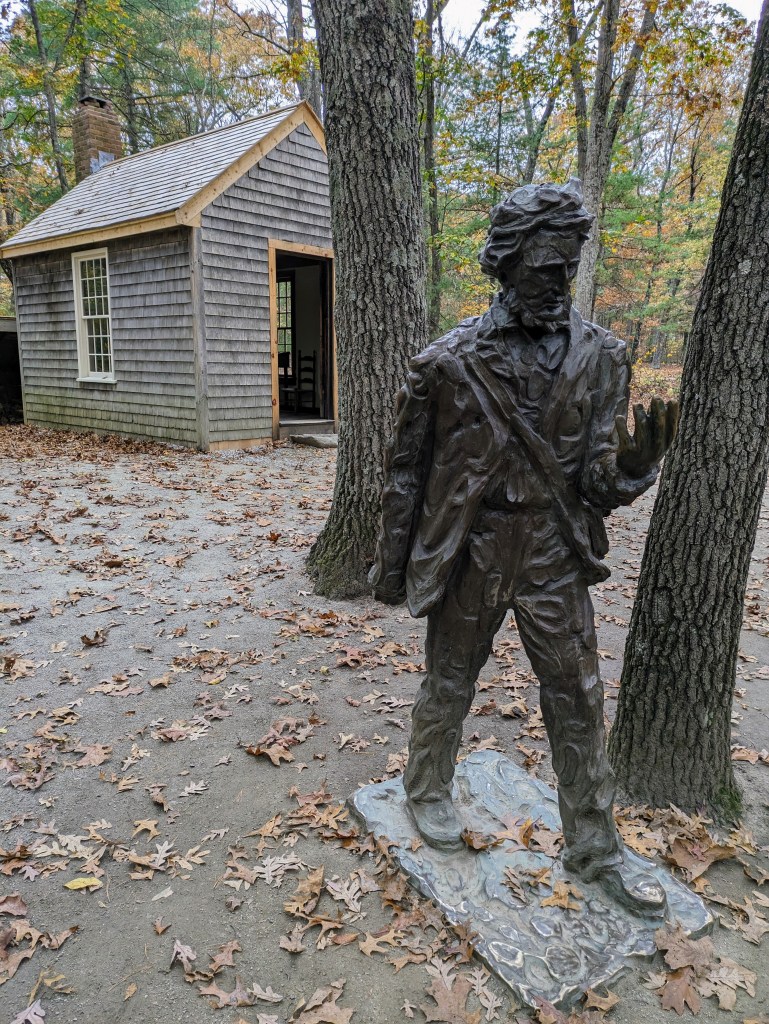
As an English teacher who has taught works from the Transcendentalist period, Walden Pond is a natural first place to discuss. Henry David Thoreau made this pond famous when he decided to build & live in a small cabin near it for 2 years in the mid 1800s. There he spent his time reflecting on mankind’s relationship with nature.
I believe that there is a subtile magnetism in Nature, which, if we unconsciously yield to it, will direct us aright.. – Henry David Thoreau
He published the book Walden soon after. While the cabin he lived in is no longer around, a replica has been made and is easily accessible from the parking area. The visitor center also works to connect the nature of Walden Pond to Thoreau’s writings through a short video & a collection of artifacts.

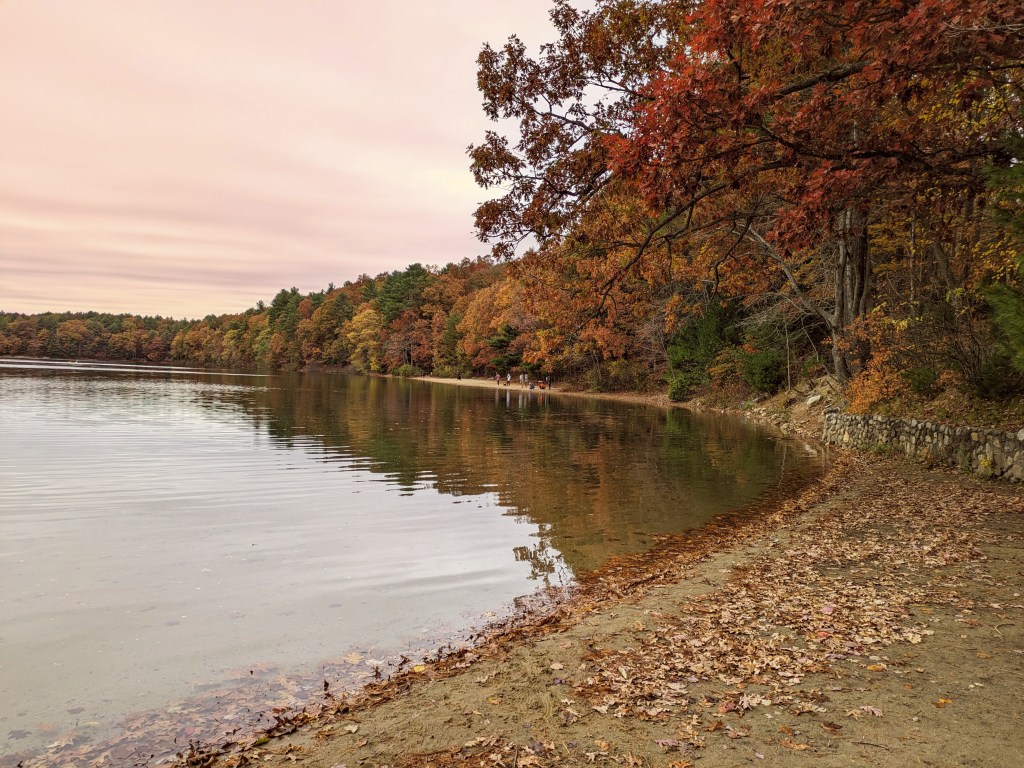
However, Walden Pond is more than just a historical site. It is also a popular summer destination for hikers and swimmers. A 1.7 mile trail encircles the pond and passes by the original site of Thoreau’s cabin. Other paths go farther afield into the surrounding woods & meadows and along the Bay Circuit Trail. Probably the most popular way to enjoy Walden Pond is to swim in in. There are a few small beaches that are all just across the street from the parking lot. Even into the late autumn, swimmers enjoy a refreshing dip into fresh water of the pond.
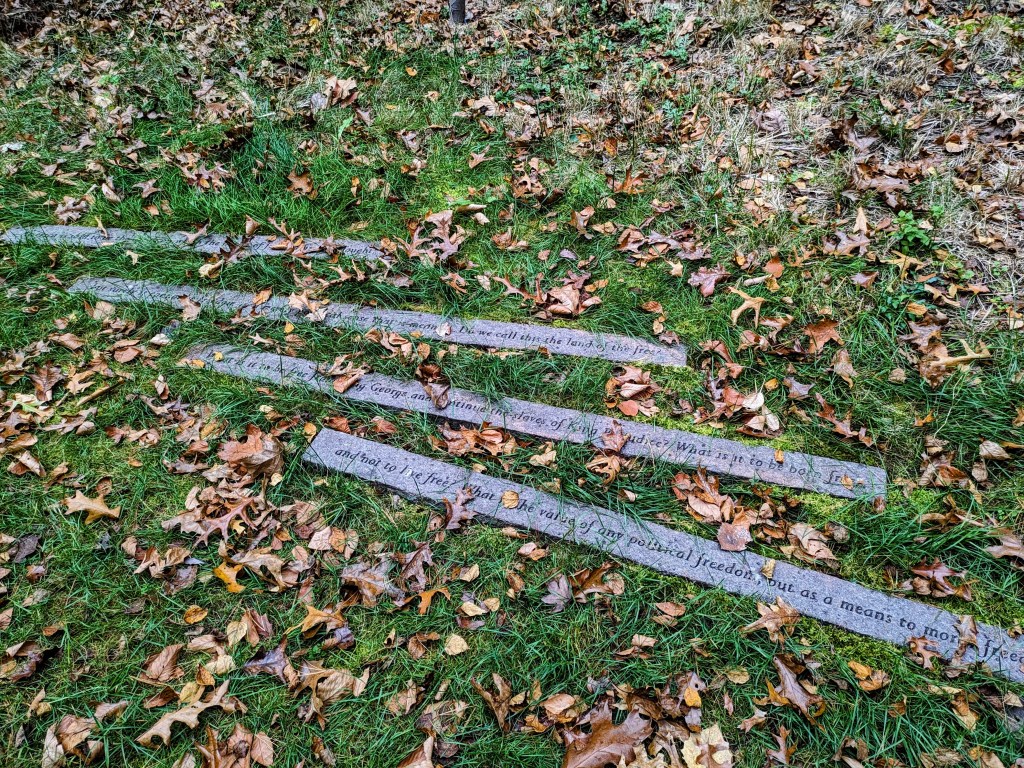
Almost all of Concord is connected by a trail system, and the Hapgood Wright Forest is connected to Walden Pond via the Emerson-Thoreau Amble trail (also part of the BCT). This forest has its own pond, though this one is for the wildlife. This forest also honors Thoreau with Thoreau’s Path on Brister’s Hill. The 1-mile trail includes engraved granite blocks bearing quotes from Thoreau’s works. The Brister Hill part of the area recognizes Brister Freeman, a freed slave, and also provides information about his life & home.
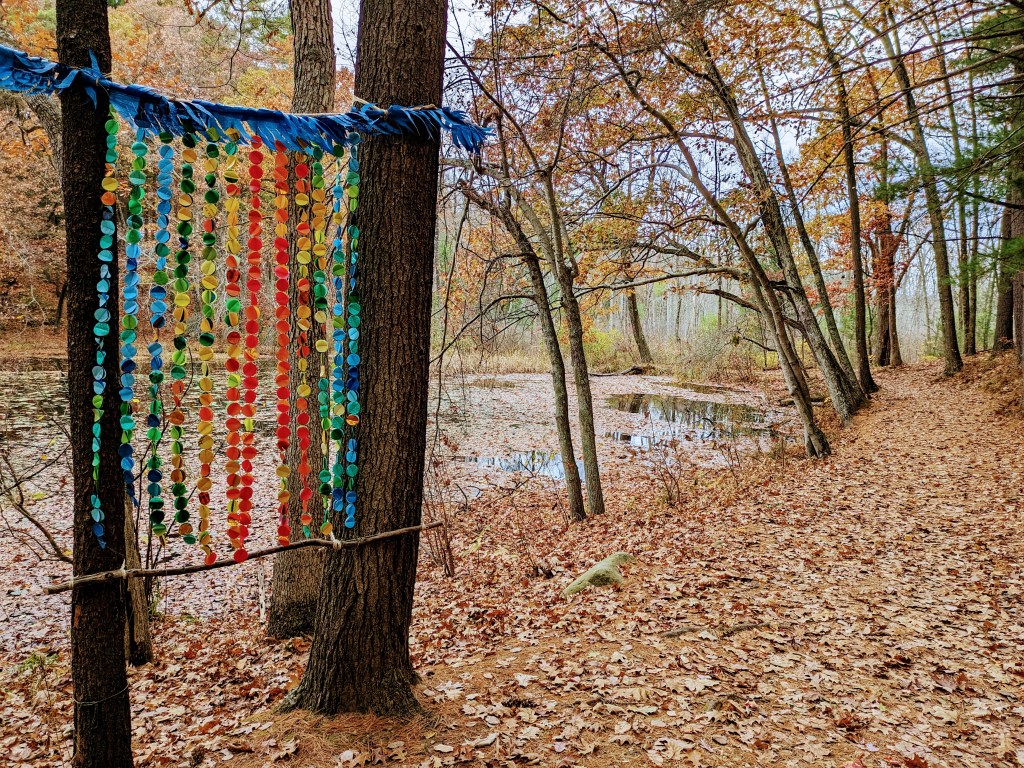
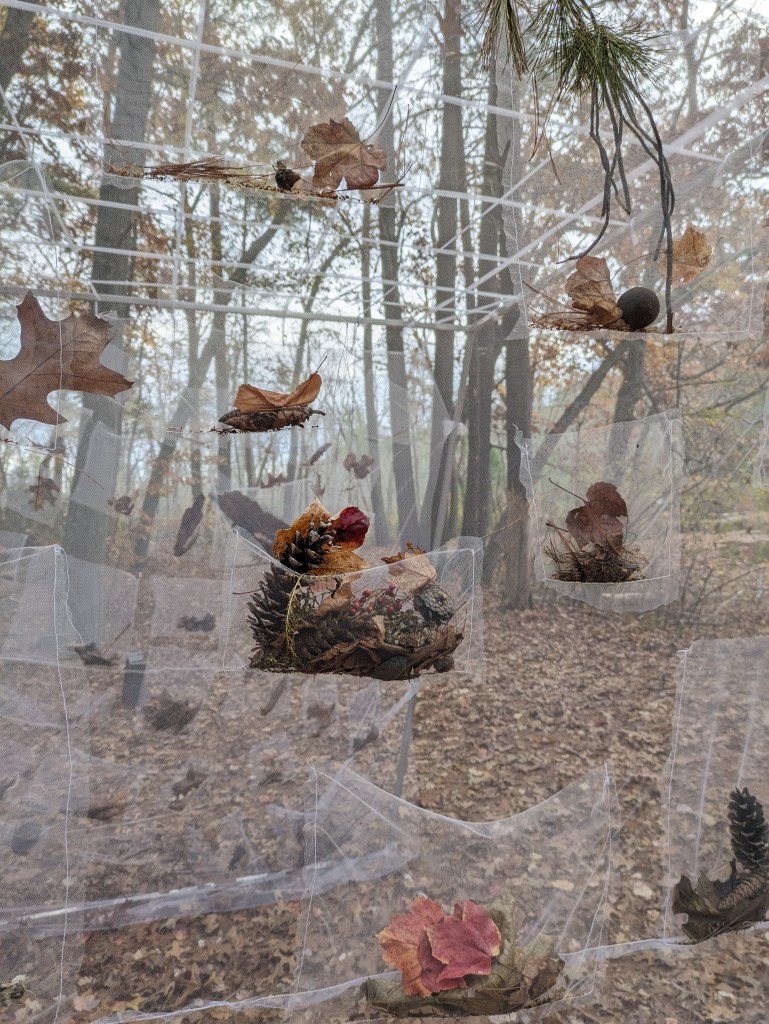
If you’re visiting Hapgood Wright Forest between September & mid-November, don’t miss the annual Art Ramble. Each year, the local The Umbrella Arts Center installs a dozen or so art pieces around the pond. The art comes from a variety of artists & mediums, but all showcase the yearly theme. Beside each piece is a plague that explains the artist’s intentions. This year’s Geo-Metric theme had the artists referencing science in their art with nods to the cicadas and weather patterns.
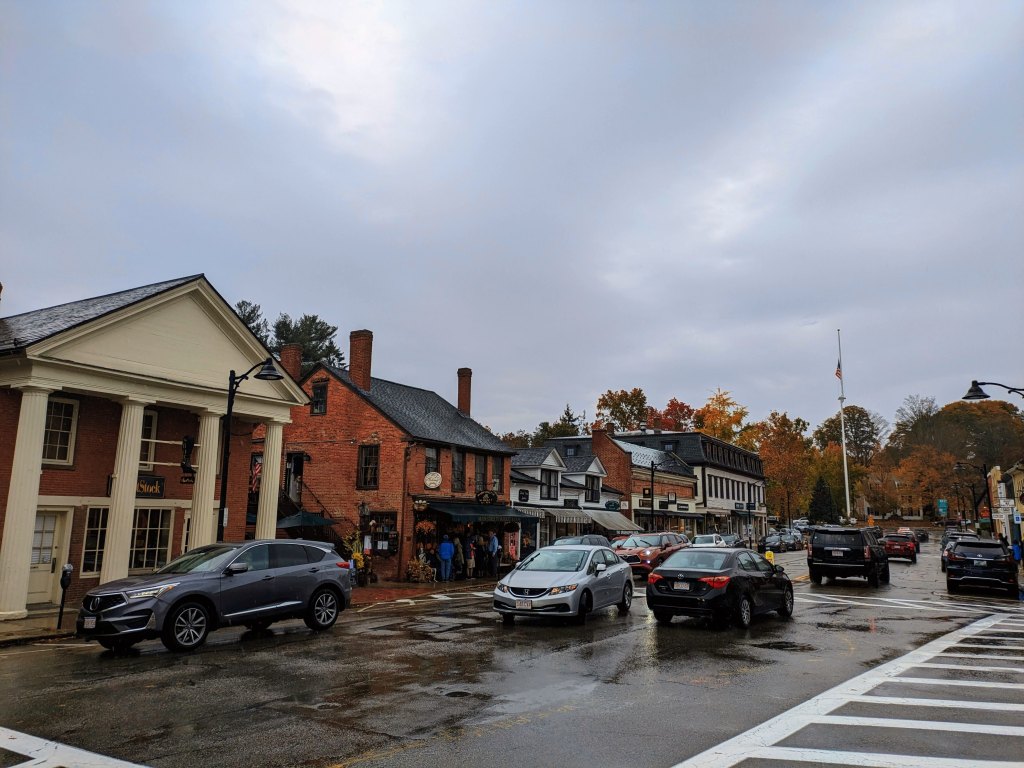
Continuing north on rt 126 is Concord Center. When you’re ready for a bite to eat, park your car and spend some time strolling down the picturesque main street. Besides restaurants and cafes, the center offers book, clothing, art, sporting goods, and antique stores. With names like Thoreauly Antiques and North Bridge Antiques, historical plaques throughout the center, and an old cemetery in the center of the main drag, it is clear that Concord leans into their history.
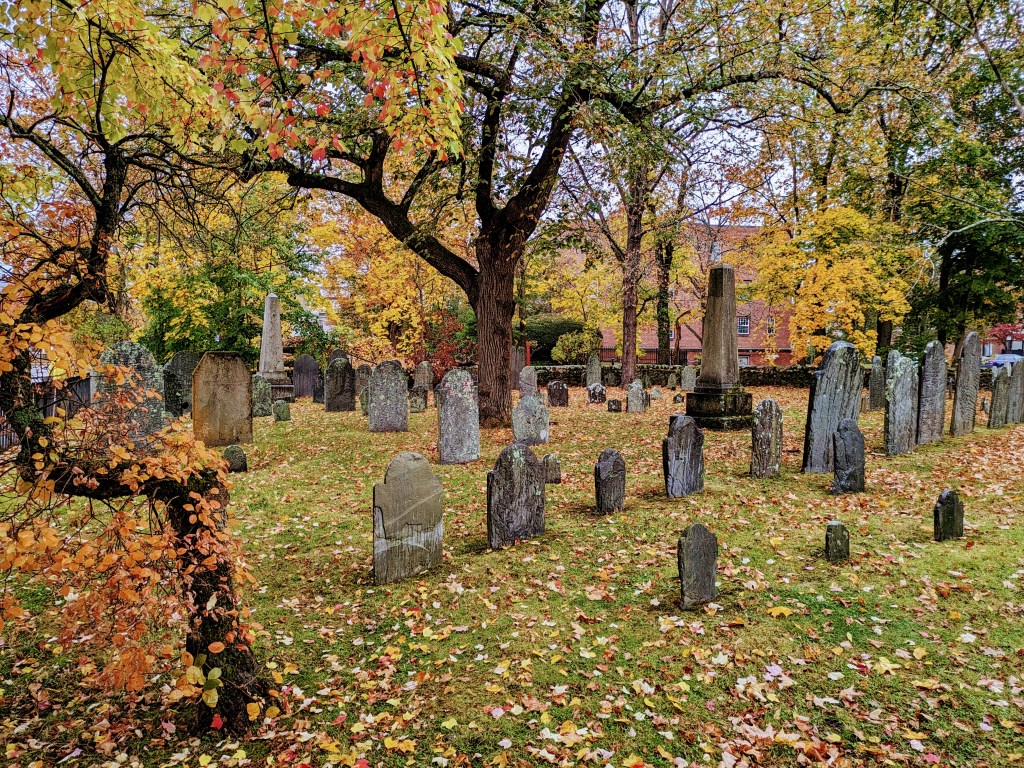
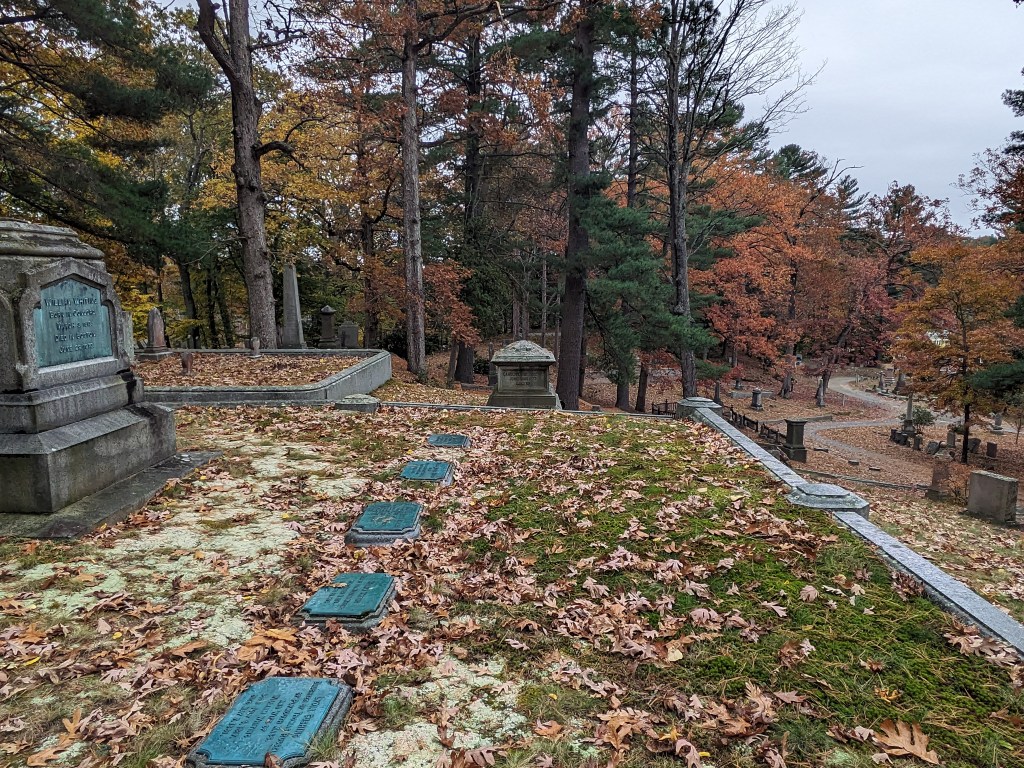
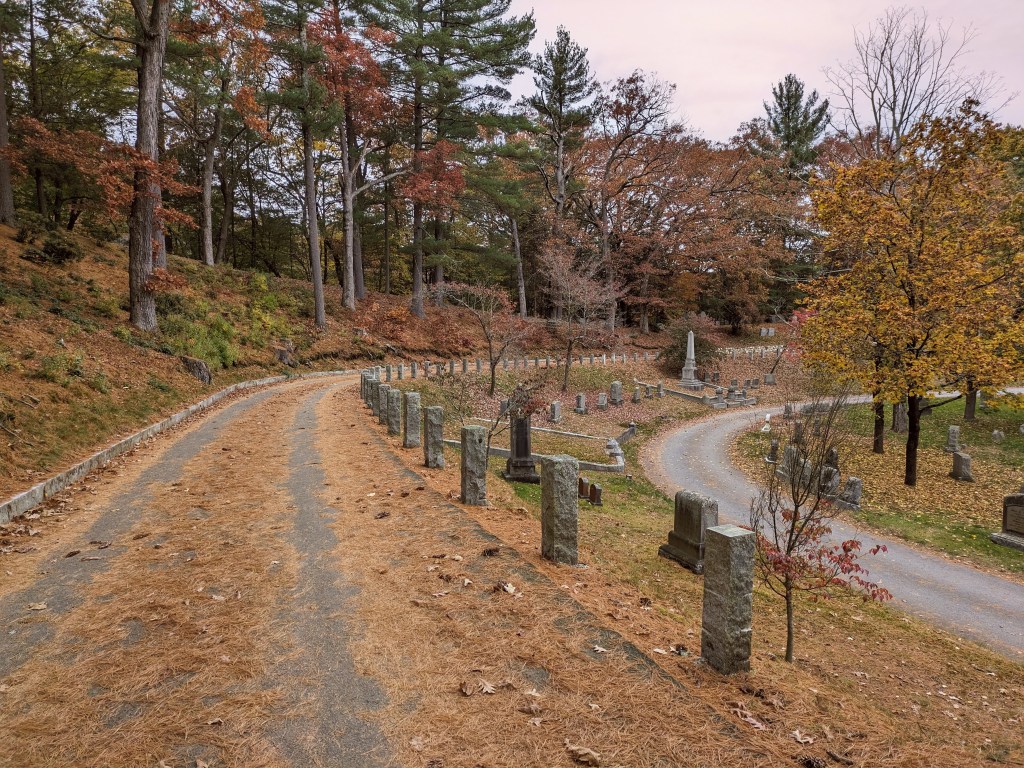
Walking distance from Concord Center is Sleepy Hollow Cemetery, a National Register of Historic Places. I know that some people find cemeteries morbid, but I find them peaceful. They are a quiet place to walk and reflect on life – both past & present. Originally designed as a walking park by Horace Cleveland, the 17 acres of Sleepy Hollow Cemetery rambles up and down hills and around bends. Since Ralph Waldo Emerson gave the dedication speech at its opening in 1855, it’s fitting that he is buried here. Emerson’s family plot, along with Hawthorne, Alcott, and Thoreau families’ plots, make up Author’s Ridge: a place to pay homage to their lasting literary contributions.
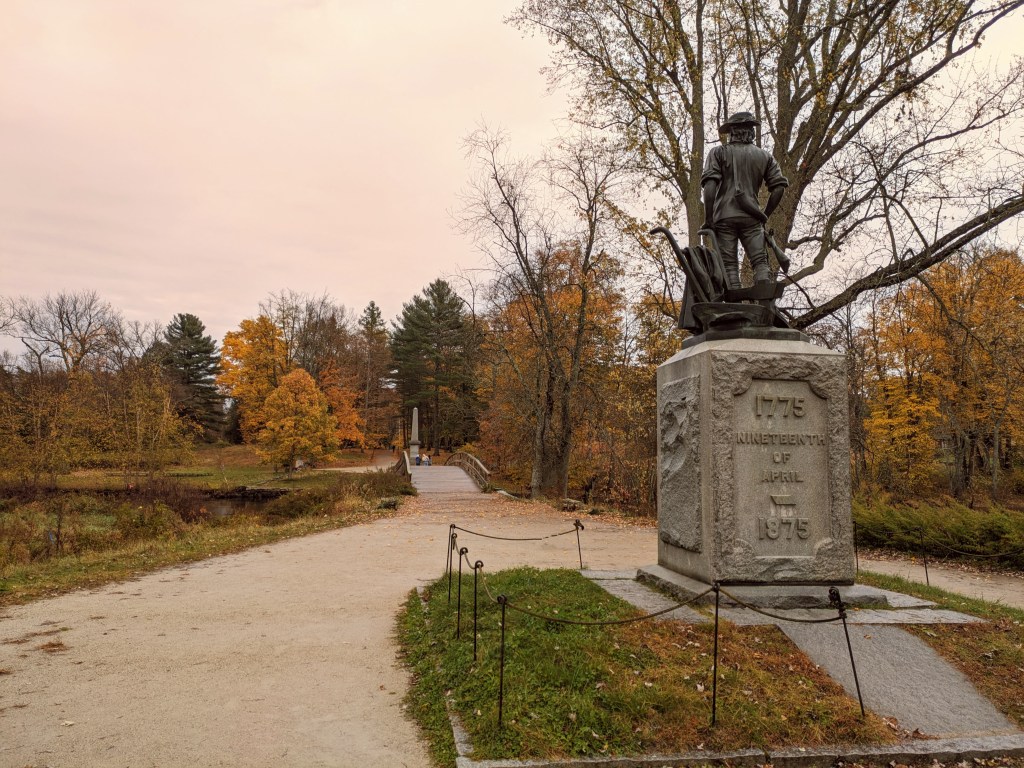
To get a little history in on this trip to the Concord area, I decided to revisit North Bridge. North Bridge is famous for being the site where “The Shot Heard Round the World” was fired, starting the American Revolution. The replica of the historic 1775 bridge spans the Concord River with the Minute Man statue dedicated to the American farmers who jumped into fight on one side and the obelisk representing the British army on the other.

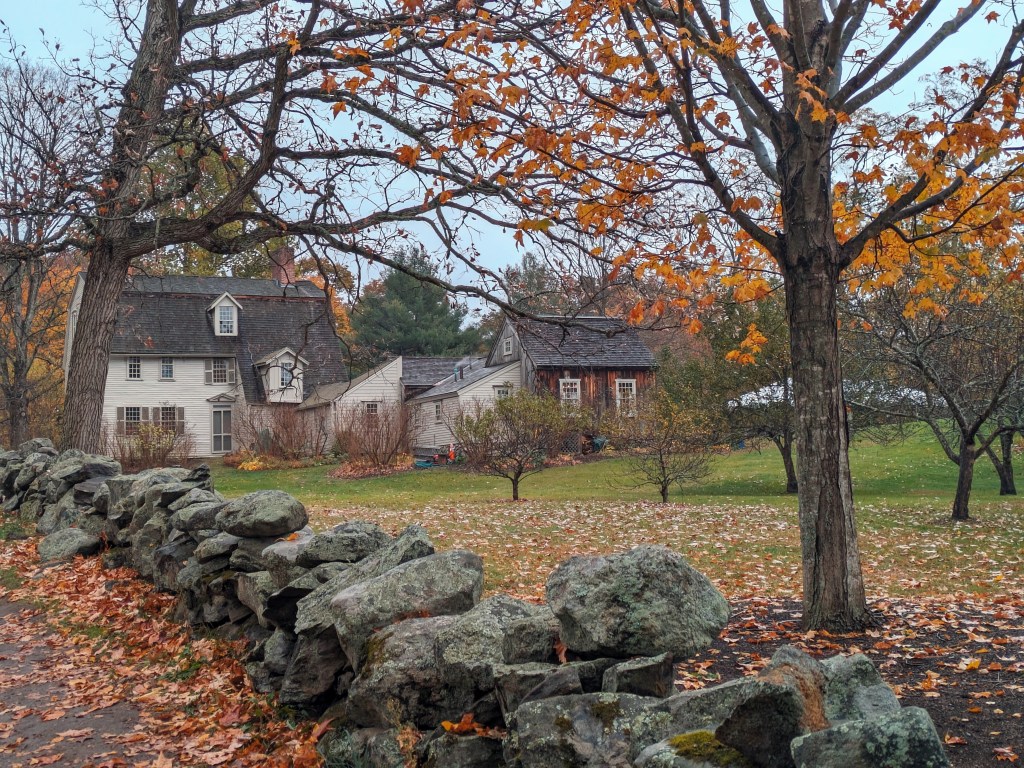
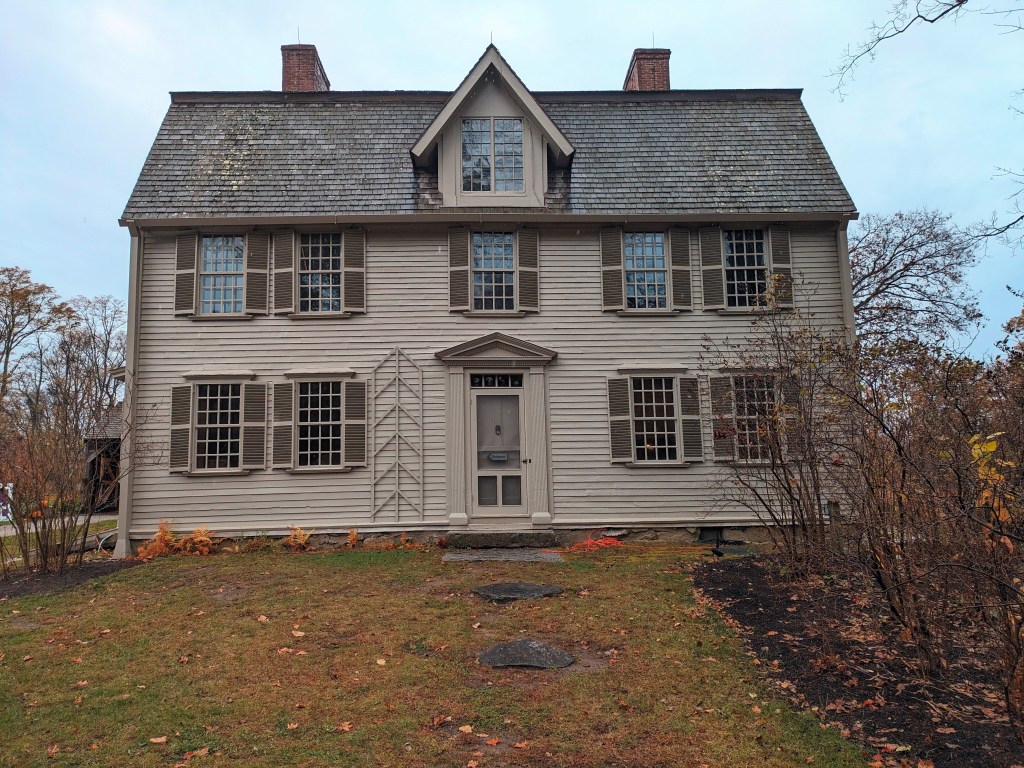
On the same property stands The Old Manse. This historic home of minister William Emerson overlooks the North Bridge and housed both Ralph Waldo Emerson & Henry David Thoreau for a time. The Trustees of The Reservation now runs it and offers hourly tours.
Across the street is The Robbins House, a 544 sq ft building that was home to the descendants of African American Revolutionary War veterans. While the house has been moved, the original house is still intact. The 2 room exhibit tells the story of Caesar Robbins’ family, shining light on the role African Americans played in the history of New England.
Next time I visit the area, I want to take some time to walk the Battle Road Trail and explore more of the history of the area: both literary & political.
Google map of places mentioned in this post.
 Mac On the Map
Leave a comment