
Pittsburgh has the gritty vibe of a city that has been lived in. It’s not sparkling with new high rises; it’s layered with brick and art and history. It’s not a pretentious city, but a city of the people. This is my kind of city. Many of the historical buildings – from factories to churches – have been repurposed for a new generation of art and culture.
Mattress Factory calls itself a laboratory instead of a museum because it aims to have visitors immerse themselves in the exhibits instead of being passive audiences. This is clear right from the beginning as you enter through a changing light tunnel. Most of their art are site specific installations created by artists from around the world. As it is an old Mattress Factory (hence the name), the building and its grounds are also interesting to explore. Some of the artists actually use the ruins of the building as part of the installation.

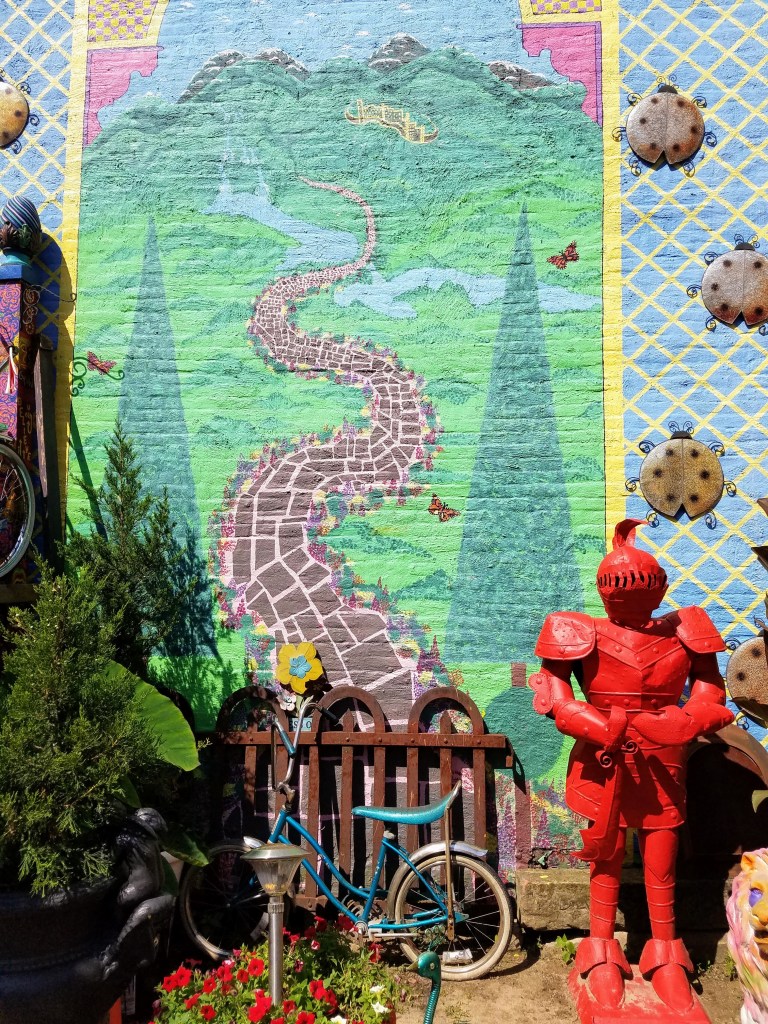
Nearby Randyland takes a different approach to art. As the name suggests, Randyland was started by artist Randy Gilson in 1995 when he bought a few rundown buildings and started creating a colorful and whimsical art space. The space is vibrant and layered, so no matter where you look, you’re sure to see something that catches your eye. I loved the stories that I saw being told and the rethinking of objects.

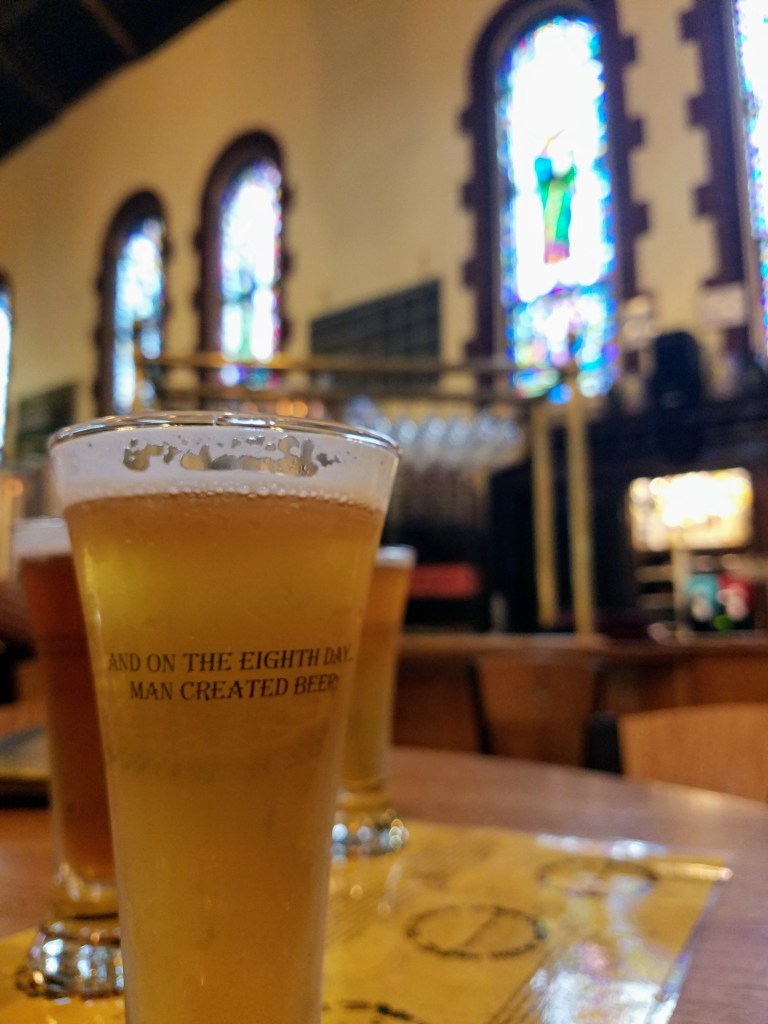
Church Brew Works is housed in the original St. John’s the Baptist Church. During the renovation of the space, Church Brew Works sought to keep the beauty and original details of the church: the bar is constructed out of oak planks salvaged from the original pews of the church, the stained glass windows serve as the artwork, and the hanging lanterns showcase the vaulted ceiling. Still it is clear that this is no longer a church as soon as you walk in as the Church Brew Works have stationed the brewery kegs at the altar. It makes sense as you’re here not to worship God, but to worship beer.
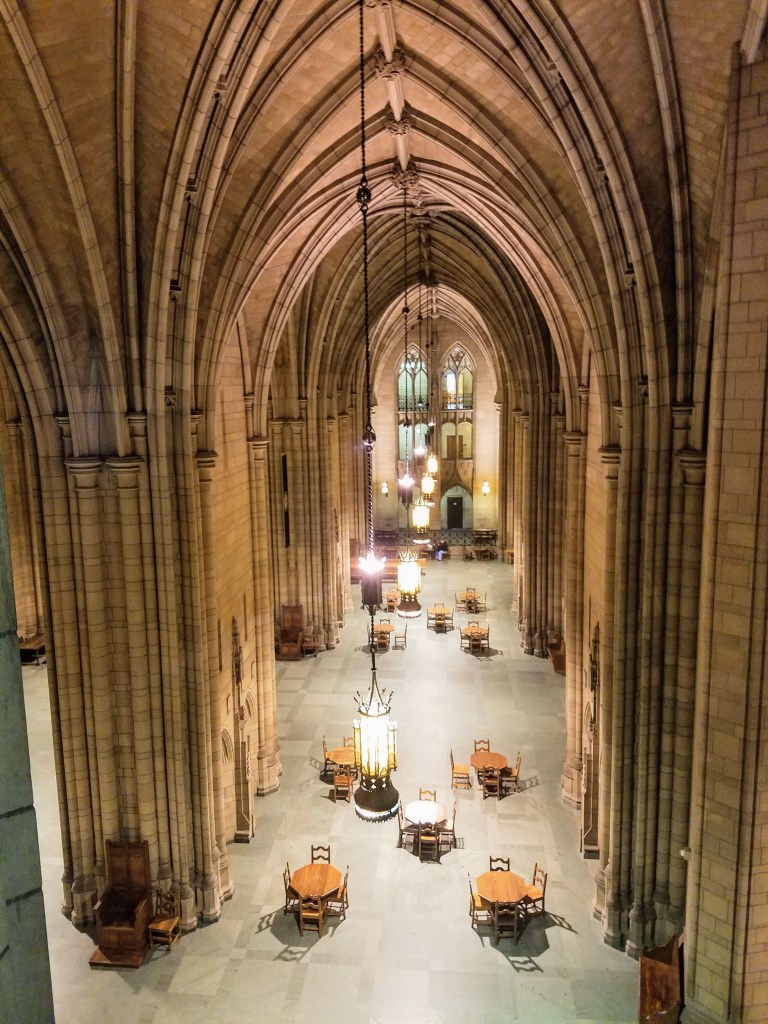
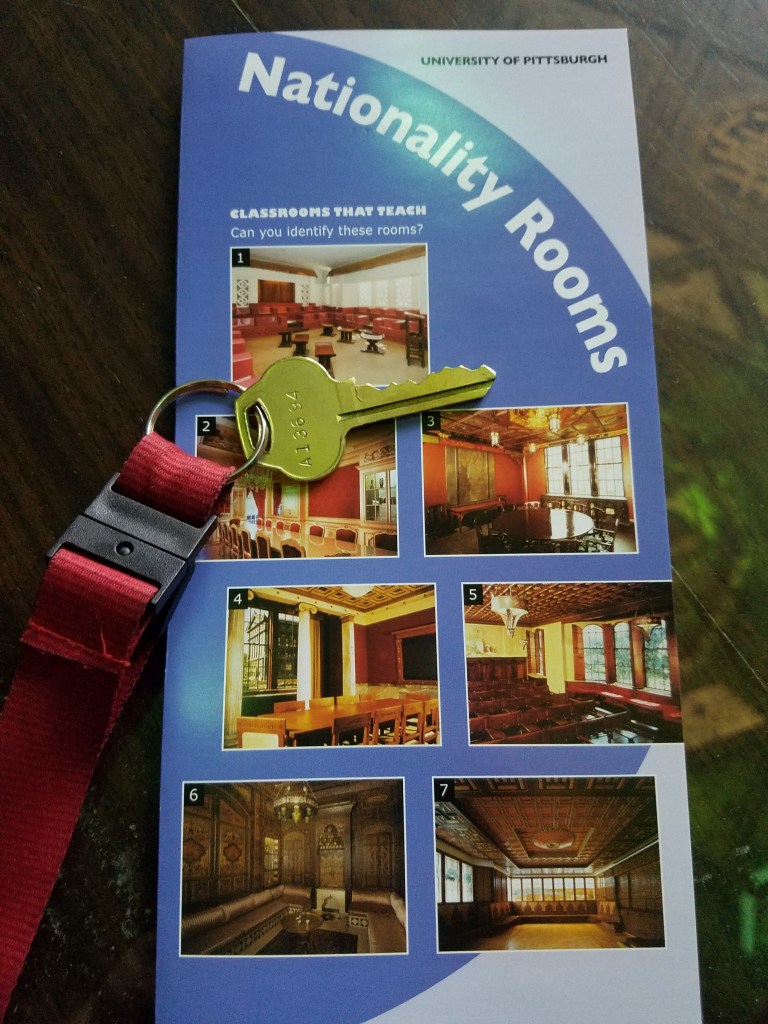
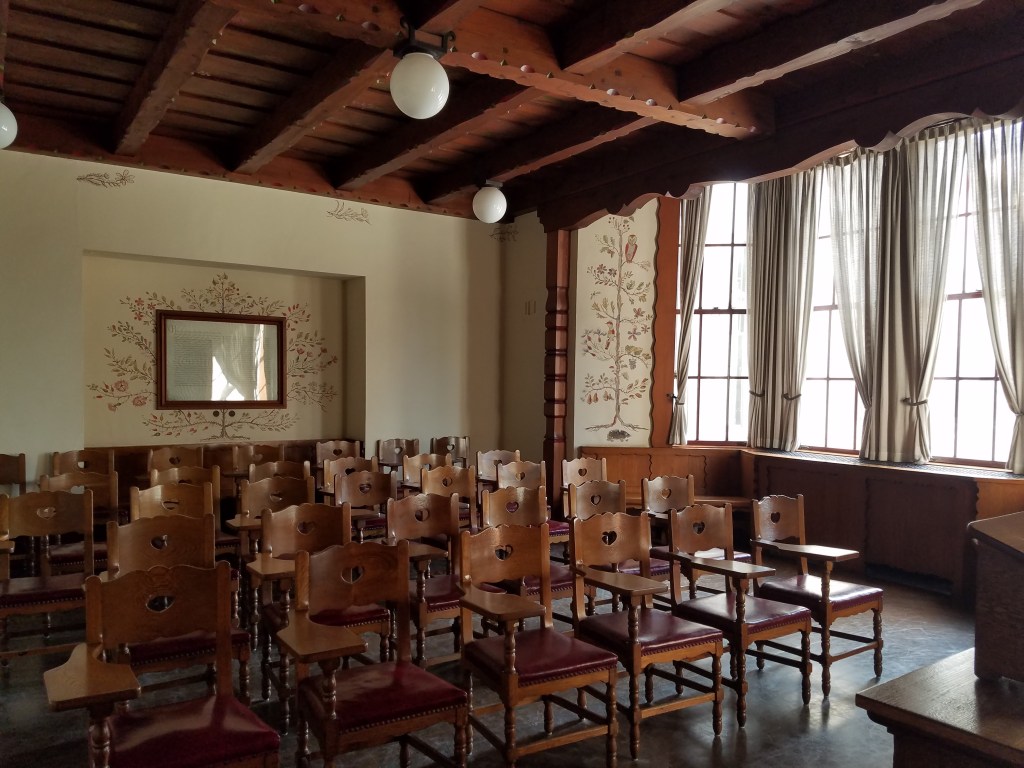
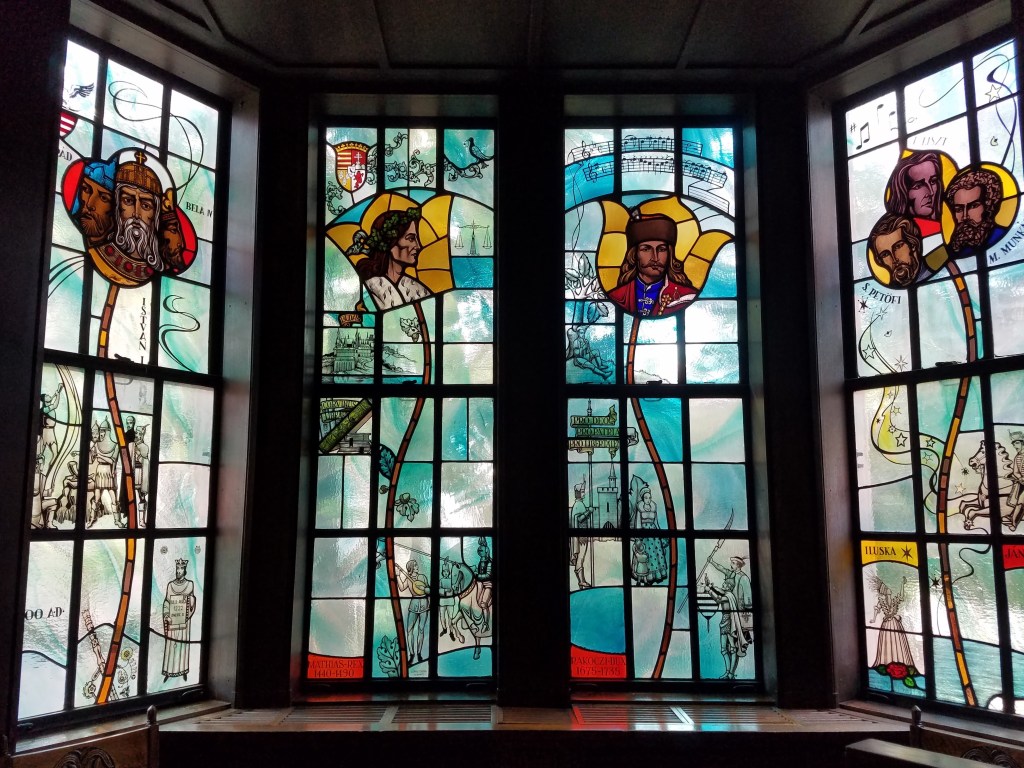
Not exactly repurposed, but more of a blending of spaces is The Nationality Rooms at University of Pittsburgh’s Cathedral of Learning. The main gothic space that greets you when you first walk in is reason enough to visit this site; however, the reason for the visit are the 31 rooms that encircle this space. Each has been constructed to represent the different cultural heritages that have made Pittsburgh the blended city that it is. These rooms are used as classrooms during the school year, so keep that in mind for your visit. I visited in the summer and was given a room key and scavenger hunt to set me off on my journey from China to Scotland, Philippines to Armenia, Lithuania to Early America. Each room is constructed and decorated to represent the specific cultural origin, so each has its own aura from dark to bright, simple to ornate, formal to casual.
Cities are meant to be lived in spaces that change with the needs of the people. However, change doesn’t mean destruction, it means growth. Pittsburgh is a city that continues to grow with its people while also honoring its origins.
 Mac On the Map
Leave a comment