
Whenever I talked to people about Michigan, they always told me that I would love the UP. First I had to figure out what they were talking about. Michigan is surrounded by three of the Great Lakes; where Lake Michigan and Lake Huron meet at the straits of Mackinac divides the state into two sections: the lower peninsula (affectionately called “the mitten”), and the upper peninsula (the UP).

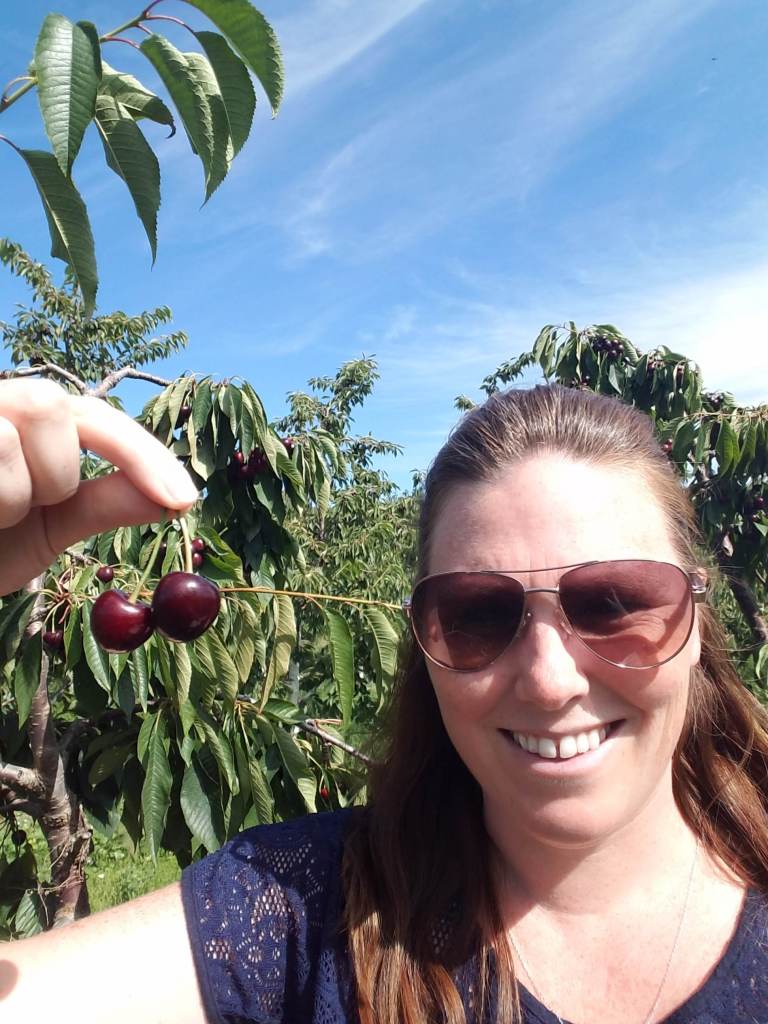
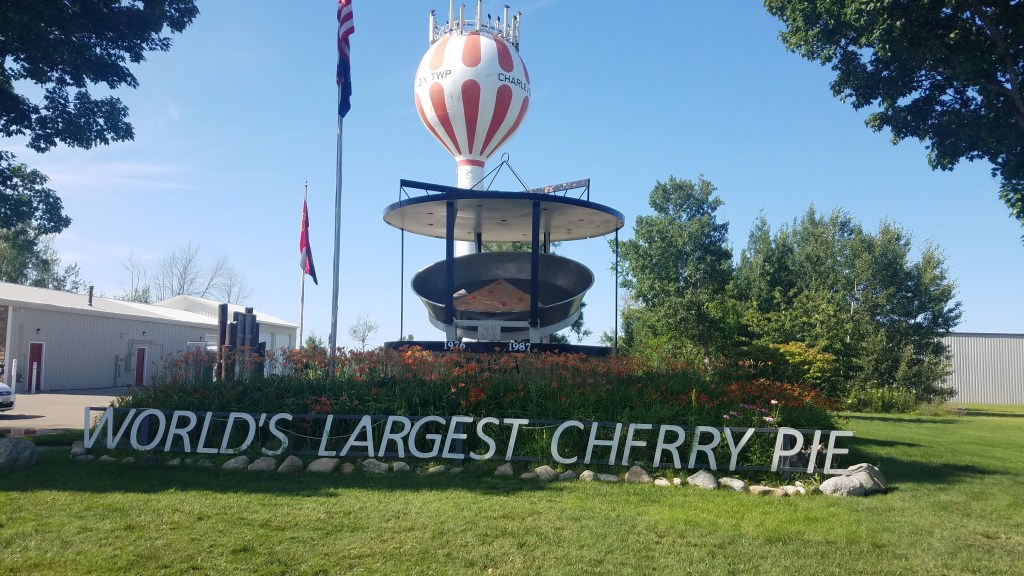
I started my journey by flying into Traverse City. On my way to the UP, I made sure to take in some local cherry action with a stop at a farm to pick my own cherries at King Orchards and a detour to see the world’s largest Cherry Pie tin in Charlevoix. Measuring in at 14 feet 4 inches in diameter and weighing 7 tons, the cherry pie baked in this tin claimed the world record in 1976.
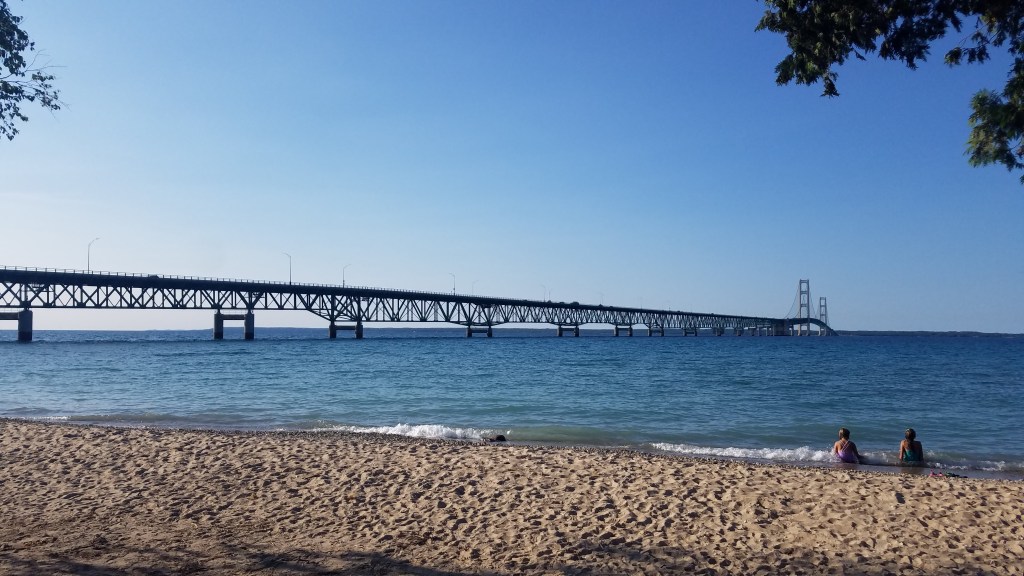
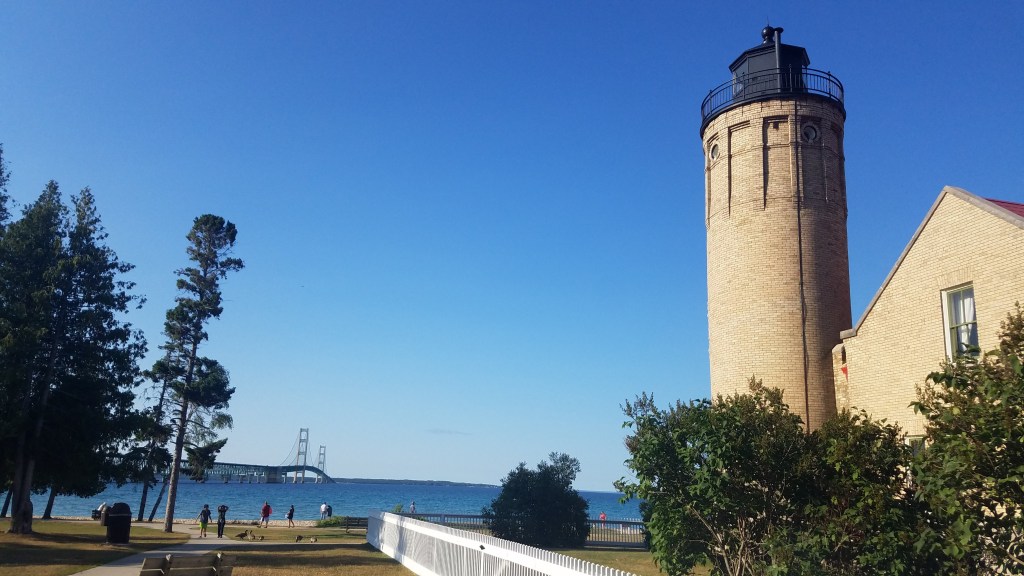
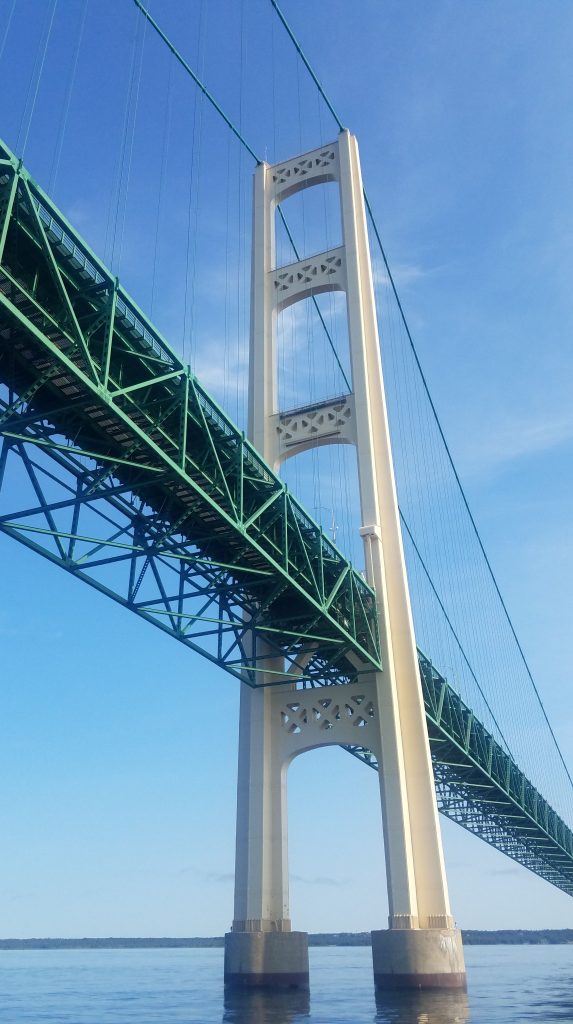
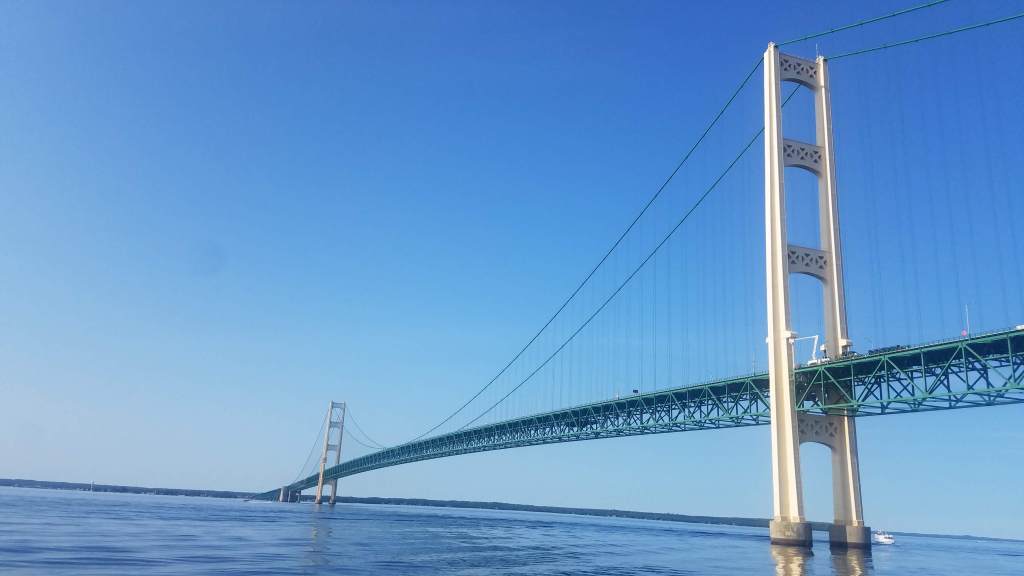
Just before crossing the Mackinac Bridge, I made sure to stop by Old Mackinac Point Lighthouse. While no longer in use, the Mackinac Point Lighthouse was in operation from 1892 to 1958. It was built to help ships cross one of the busiest crossroads of the Great Lakes. Now, it serves as a maritime museum. From here, you can also see the great expanse of the “Mighty Mac”. At 5 miles long, the Mackinac Bridge connects the upper and lower peninsulas of Michigan. It is the 7th longest suspension bridge in the world.
My first lodging on the trip was just across the bridge in St. Ignace. A cute harbor town, St. Ignace offers a few restaurants and souvenir stores, Music by the Bay every summer night, Wine Tasting at the Pavilion every Tuesday and Thursday night, the Bayside Farmers Market every Thursday, and the Huron boardwalk trail. St. Ignace was where I had my first taste of the local whitefish and pasties. Most importantly, it is the home to the ferry to Mackinac Island.

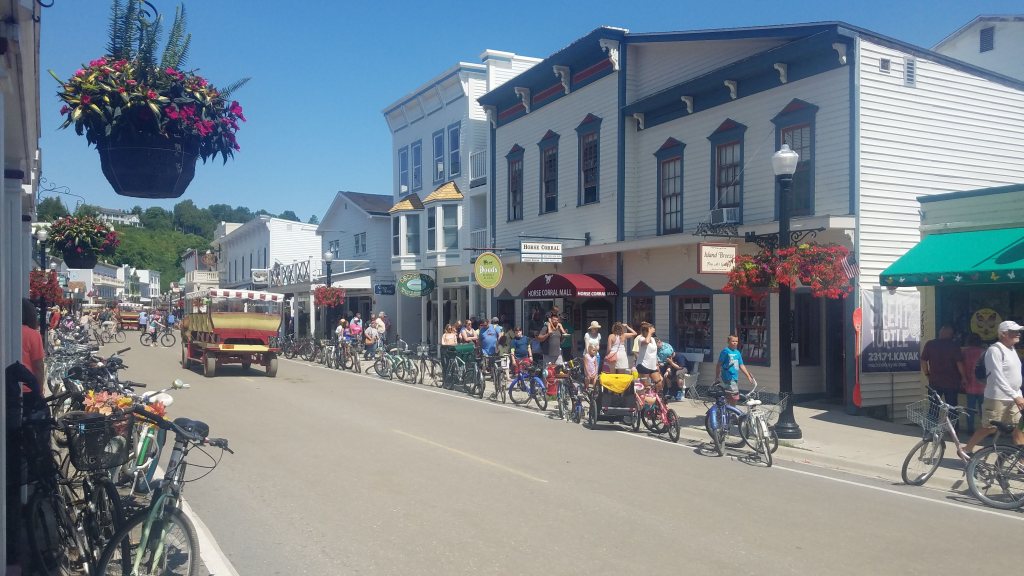
The ferry to Mackinac Island detours to take visitors through the straits of Mackinac and under the Mackinac Bridge before it docks at the main street of Mackinac. From here, it’s easy to rent a bike or horse drawn carriage for the day. These are the only two options on Mackinac since it is a car free island. The pace of life slows down when stepping onto this island. The horses, historic buildings, and pre-Civil War forts change the atmosphere of the place.
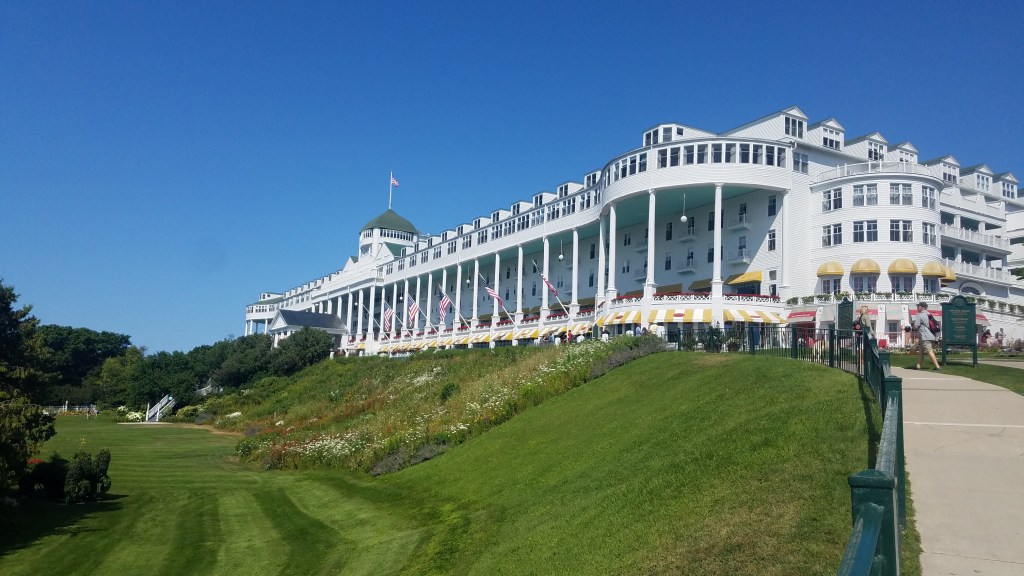
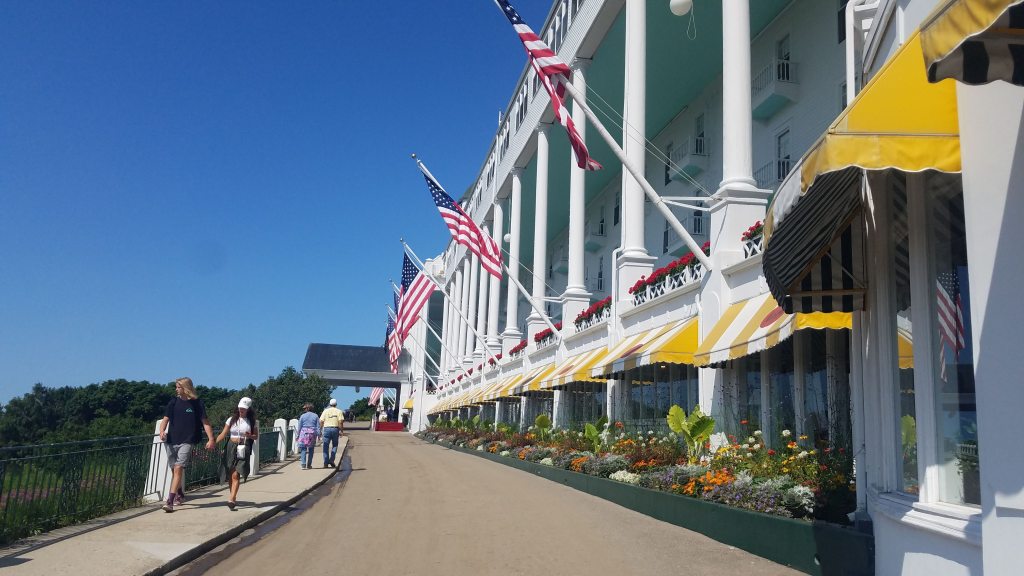
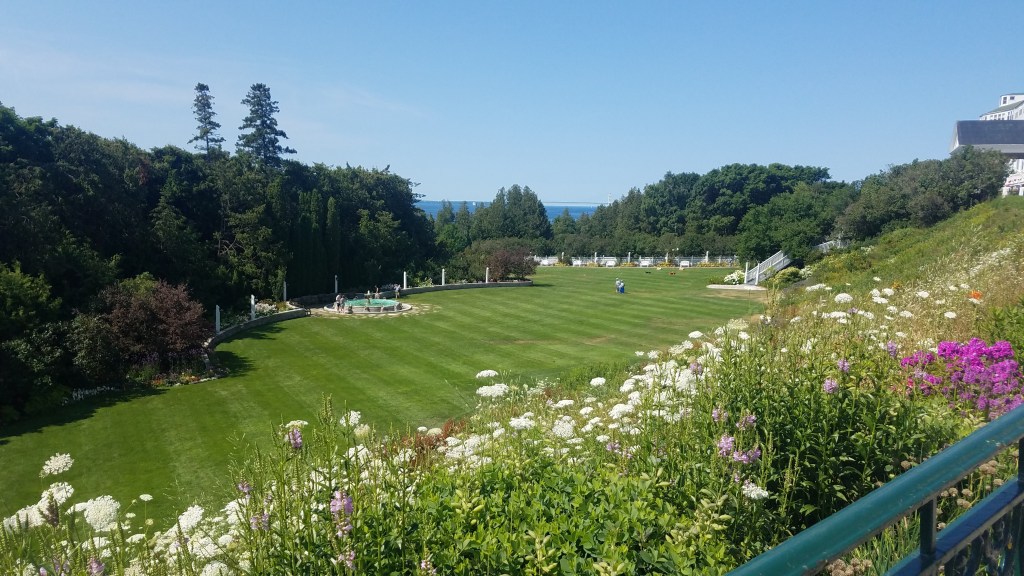
I decided to rent a bike to explore the island. First stop on my journey was a ride up the hill to see the Grand Hotel. Because of its size and orientation at the top of a hill, it’s easy to see where the hotel got its name. The five story building with three stories of verandas is the largest summer hotel in the world. The views of the gardens below and the water in the distance makes the verandas of this hotel lovely spots to spend some time relaxing. If I was here in the afternoon, I would’ve definitely participated in their daily afternoon tea.
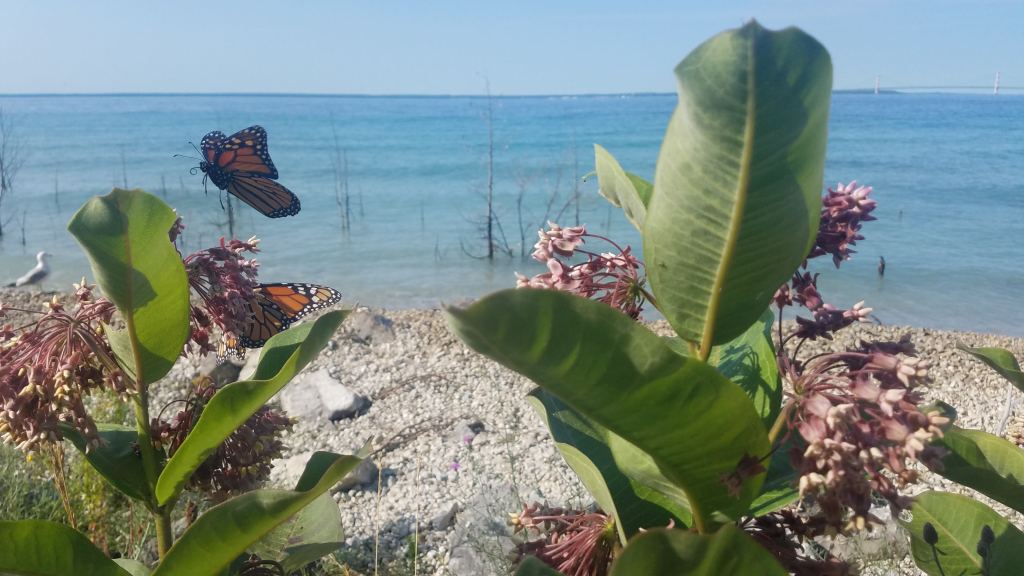
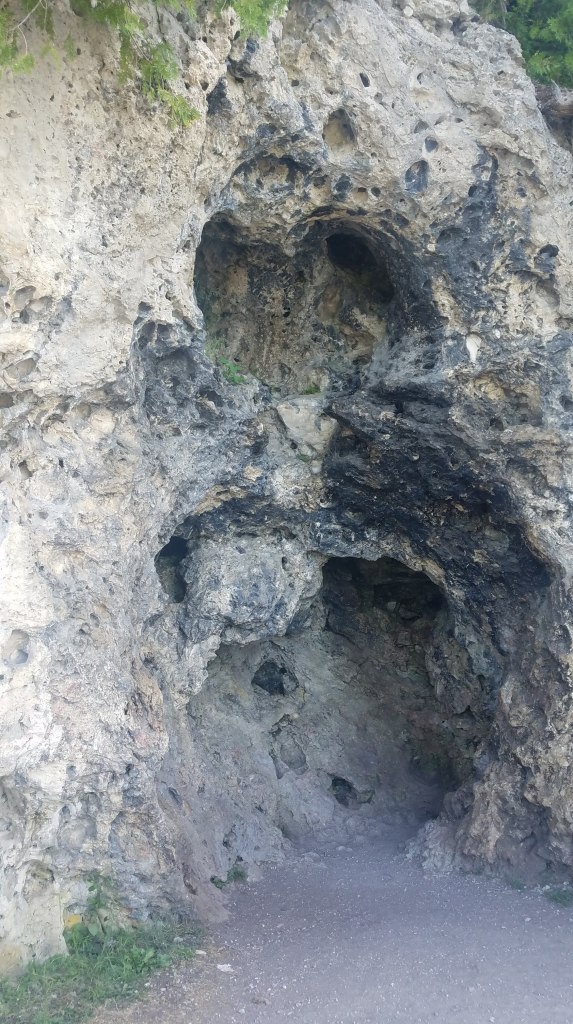
Next, I made my way over to Lake Shore Boulevard, which wraps around the island with wide, flat, and paved lanes for an 8.2 mile loop. The easy ride allowed me to enjoy the crystal blue water of Lake Huron with the waves lapping on the rocky beaches. Along the way, I came across a kaleidoscope of monarch butterflies (what a fun name for a group) and views of limestone formations, including Devil’s Kitchen and Arch Rock.

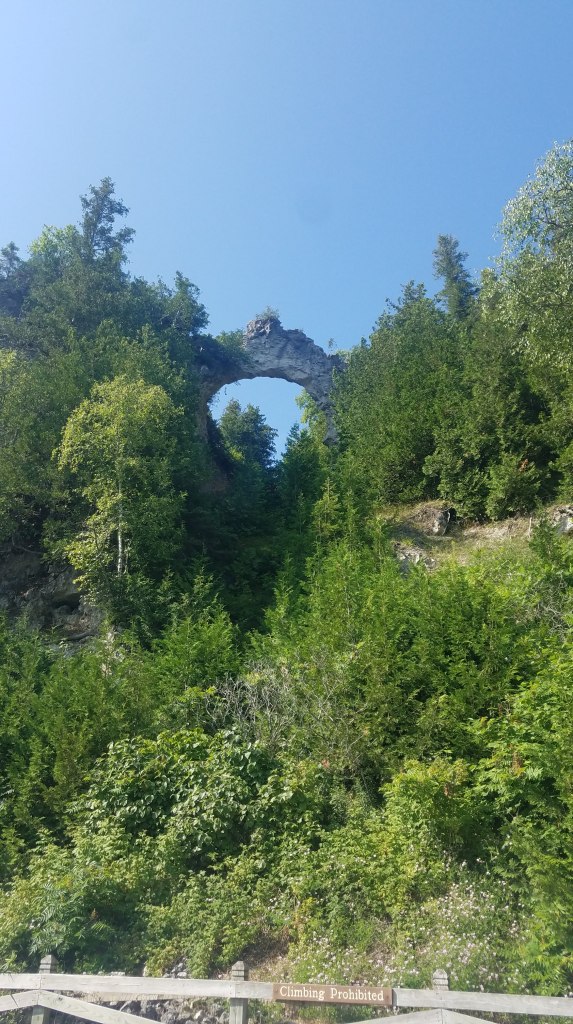
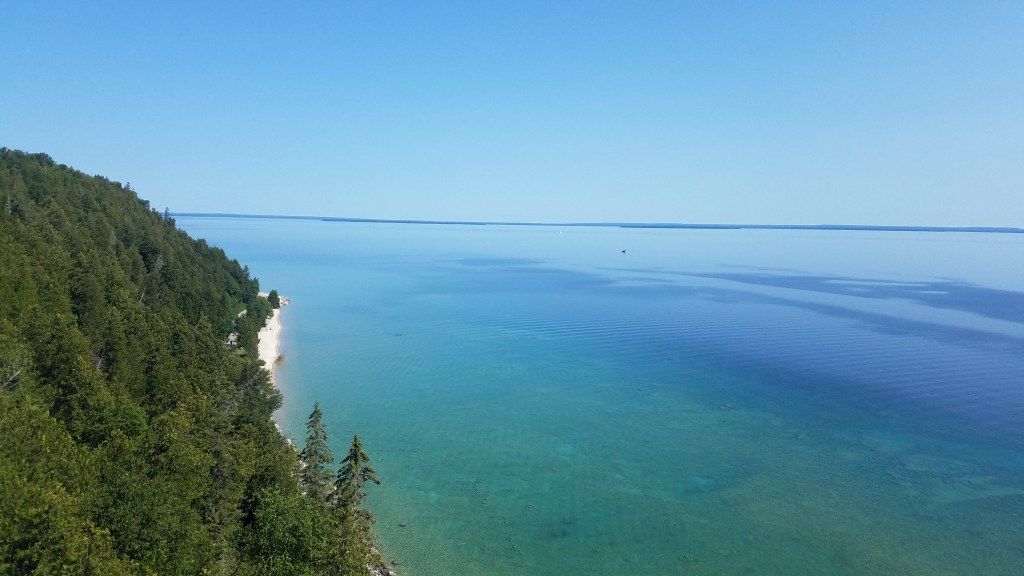
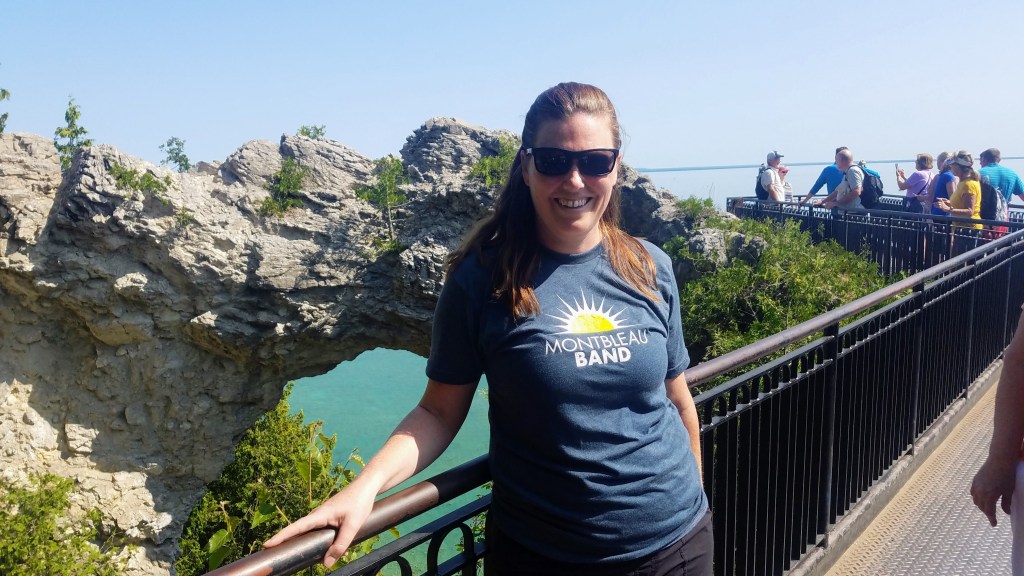
To get a closer look at Arch Rock, I took a detour inland up the hill. This part of the bike ride was more strenuous as was the hike up the wooden stairs to reach Arch Rock. Still the view over the island out to Lake Huron is worth the trek.
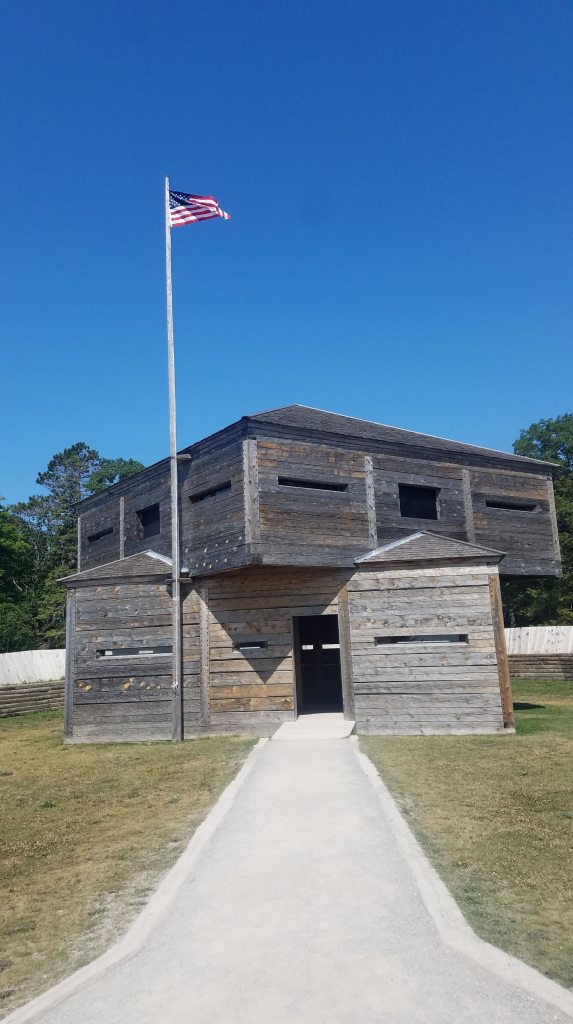
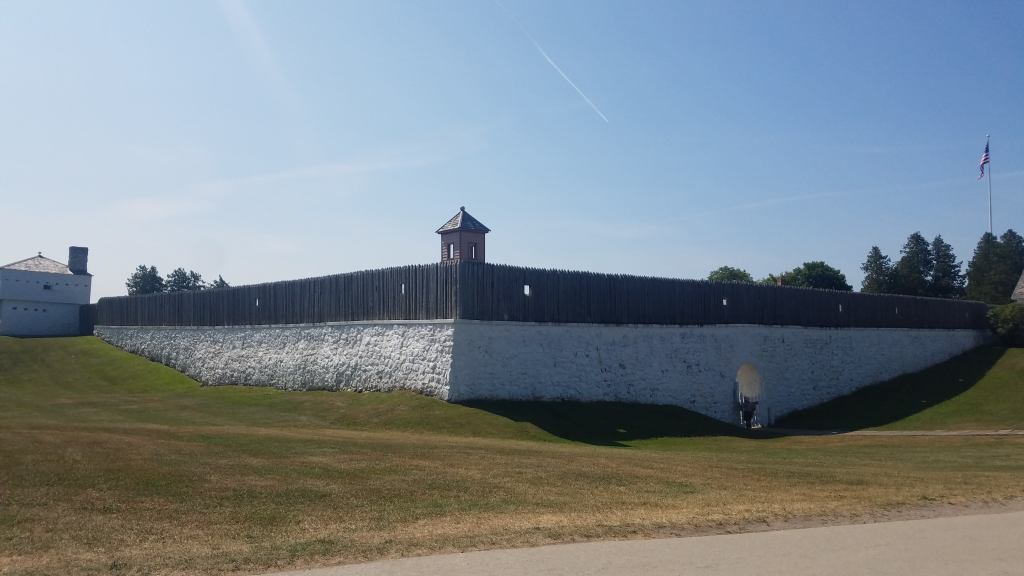
Before heading back down, I made my way over to Fort Holmes. Built at the tallest point of the island – called the Turtle’s Back – Fort Holmes was built by the British in 1812. While it was originally called Fort George after King George III, it was renamed Fort Holmes to honor American officer Andrew Hunter Holmes, who was killed in the battle of Mackinac Island in 1814.
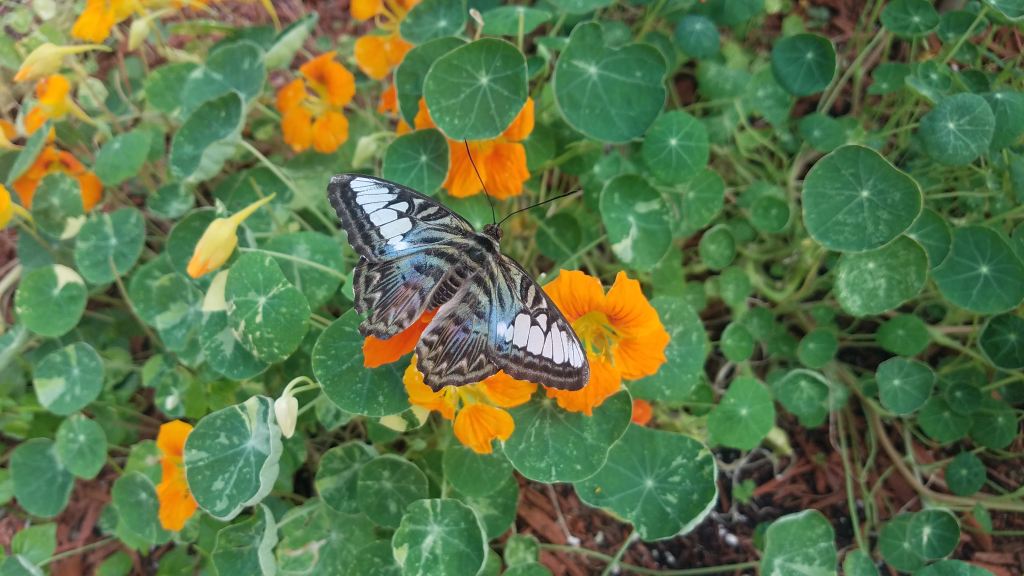
On my way back down the hill, I decided that more butterflies were in order, so I took a stop at the Original Butterfly House & Insect World. As you can imagine, the building includes a large greenhouse that is home to several kinds of butterflies – I probably saw about 20 different types on my visit. I enjoyed being able to look closely at the colors and patterns of the different types. The humid air inside the space would make this a great way to spend a chilly day.
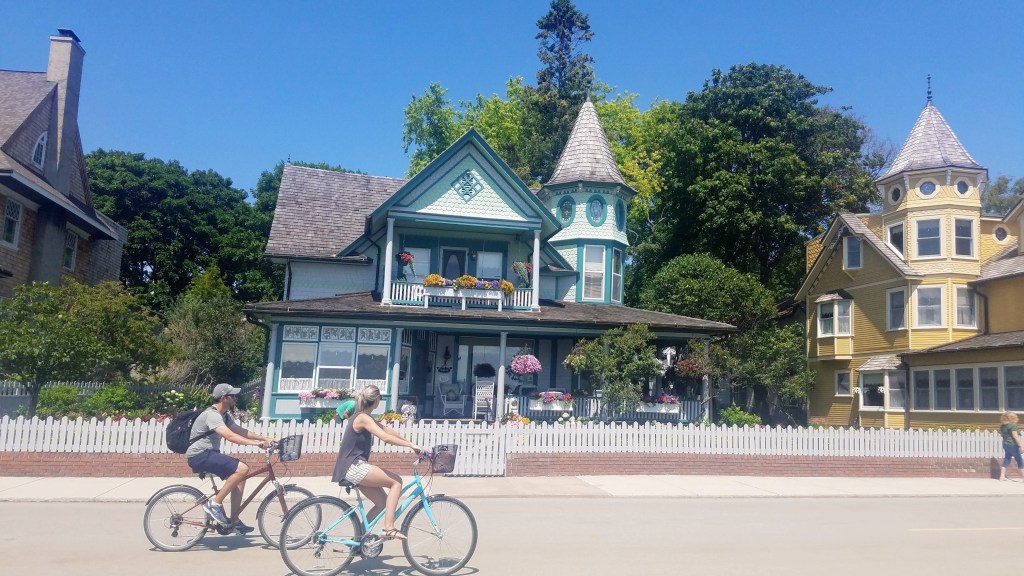
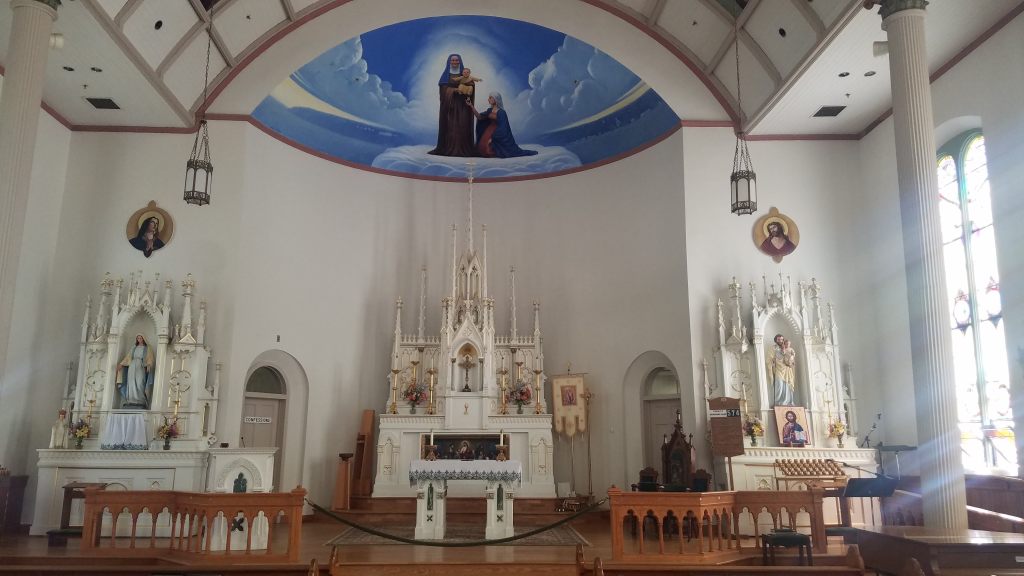
One of the things I enjoyed about the island was the historic architecture. Almost all of the buildings on the island are made of wood and in the varied styles of the Victorian era. The Grand Hotel represents the Colonial Revival; St. Anne’s Church, Greek Revival; and the cheerful pastel colors of the cottages that line the roads outside of main street, the Shingle Style.
I ended my day pursuing the tourist stores along the main street. While I was only here for a day, I could imagine spending a few days exploring more of the hiking trails and relaxing with the island’s slower pace of life.
 Mac On the Map
Leave a comment