
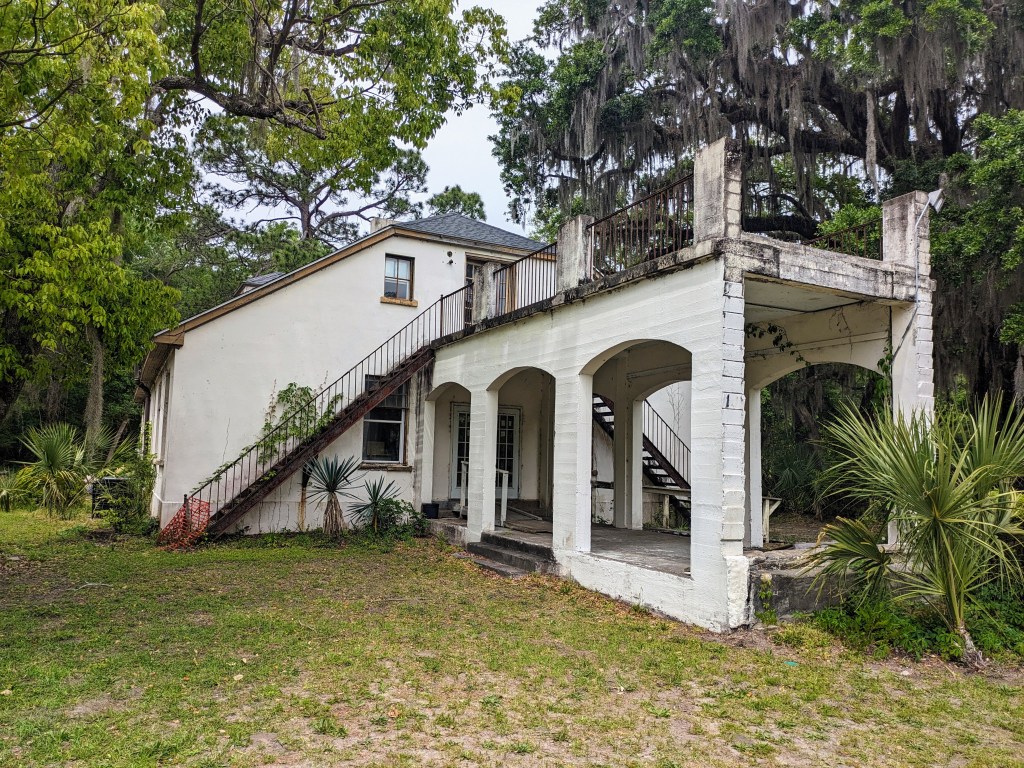
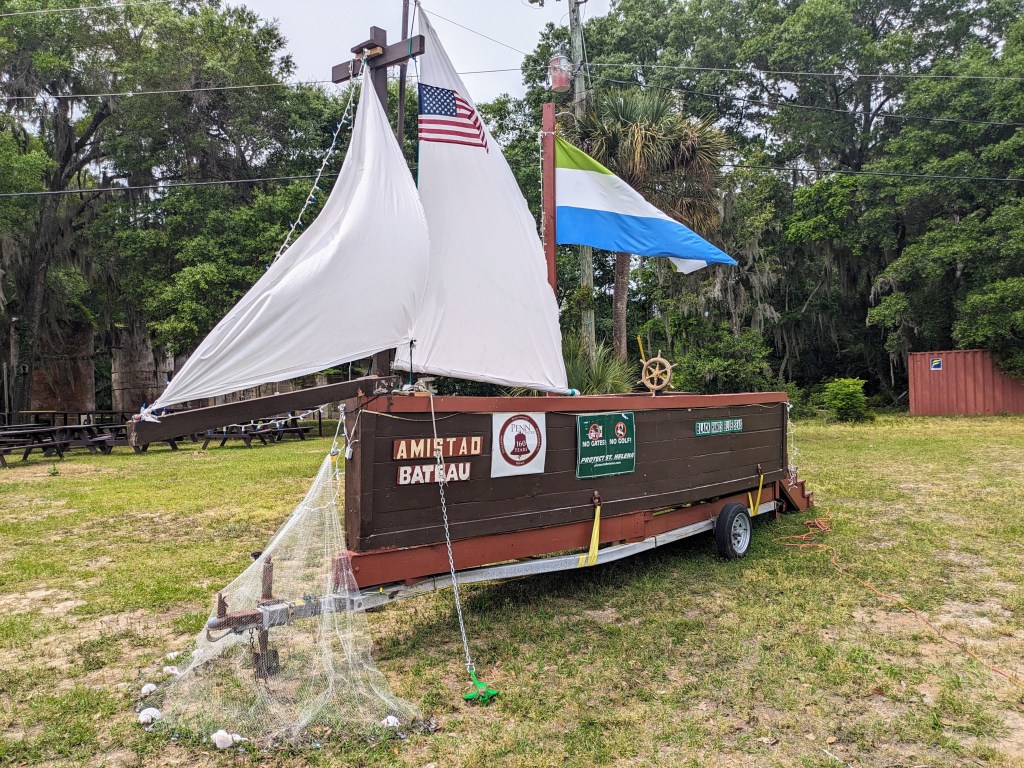
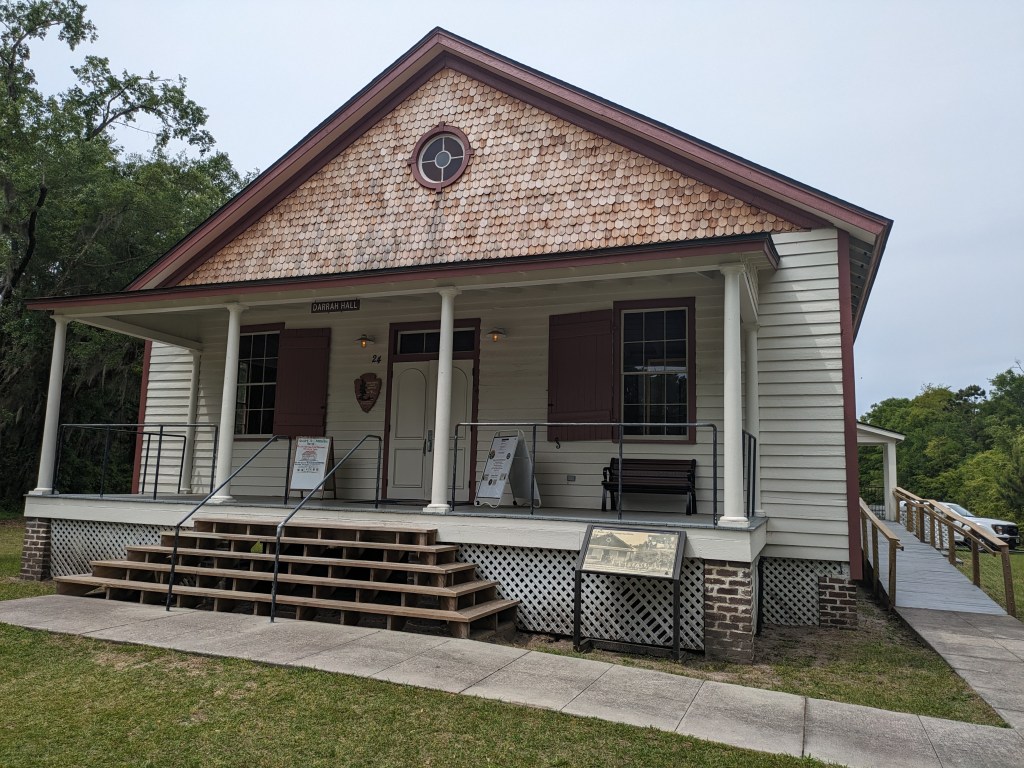
Across Beaufort Memorial Bridge is St. Helena’s Island. Here, the pace of life seems to slow as the roads and houses get smaller. As other islands along the coast have been transformed by development and tourism, St. Helena has managed to keep its history and citizens intact. One of the places to hear about the history of the island is the Penn Center. Here a school for freed slaves was established in 1862. Because of the lack of public funding, the school had to search for private sponsors; one such was The Hampton Normal and Agricultural Institute in Virginia which promoted the agricultural sciences and trades. The grounds of the Penn Center feature multiple buildings that talk about the different opportunities and supports put in place for African Americans both in the past and today. Darrah Hall, the oldest building on the campus, is run by the National Park Service and offers exhibits about the Reconstruction Era.

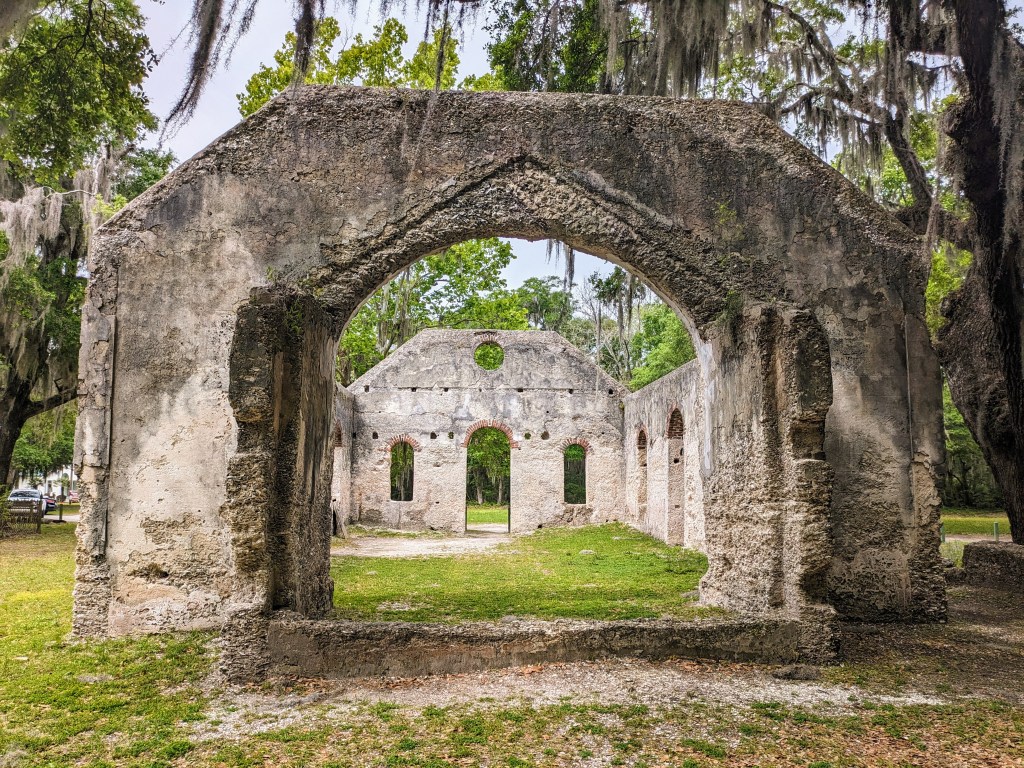
Just past the Penn Center are the ruins of the St. Helena Parish Chapel of Ease. Built in 1740 for local plantations, the church burned in a forest fire in 1886. The church was once known as the white church because the oyster shells and lyme that it was constructed with would glow in the sun. The shells are still visible in the walls of the ruin as is the mausoleum and few grave sites on the property.

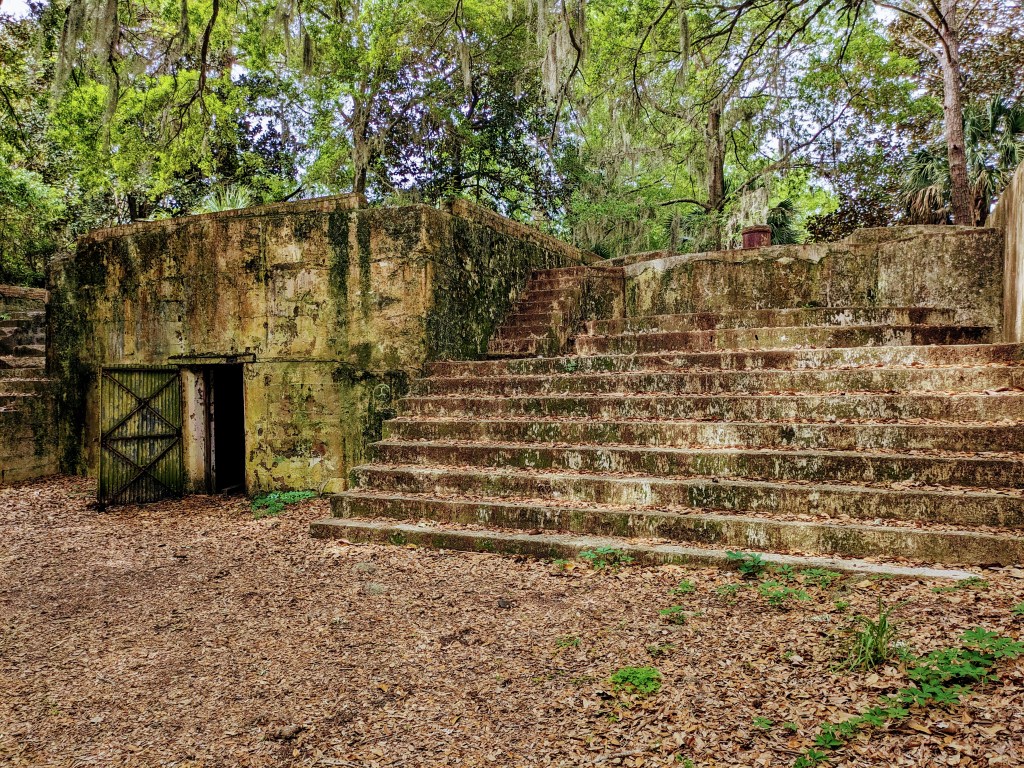
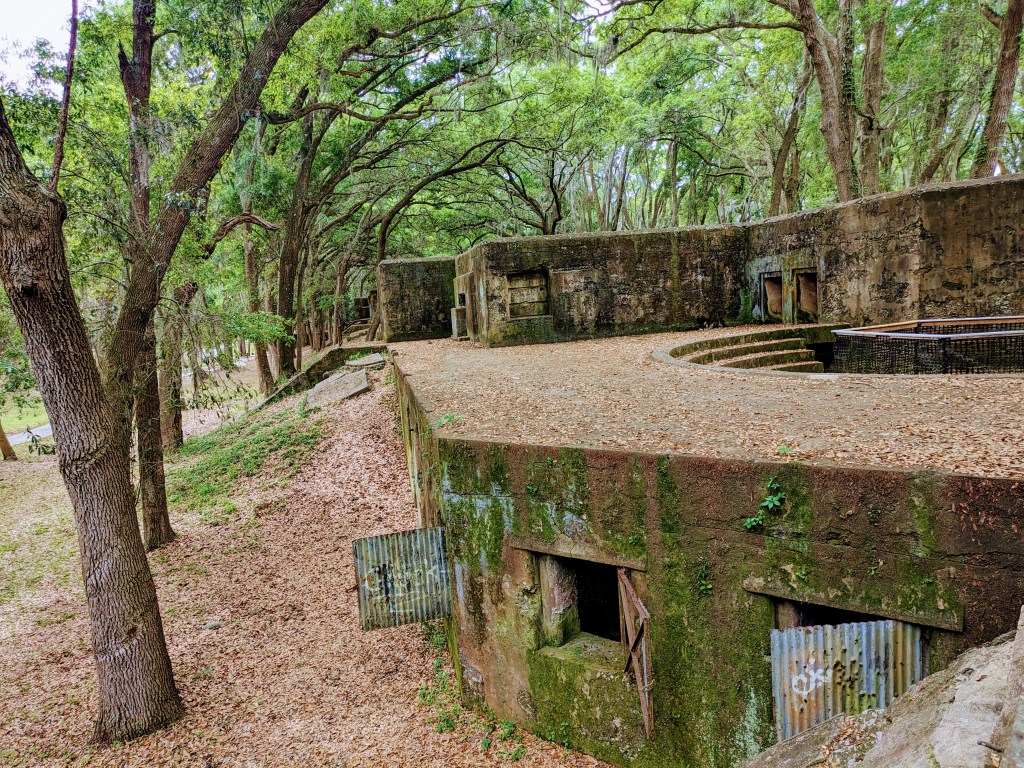
Taking this same road all the way to the end brings you to Fort Fremont. Built in 1899, Fort Fremont protected the southeastern coast during the Spanish-American War. The coastal park still includes the remnants of the five batteries of the fort, a picnic area, and a history center (though it wasn’t open during my visit). Behind the fort is a path that gives access to a small beach with views of Parris Island.


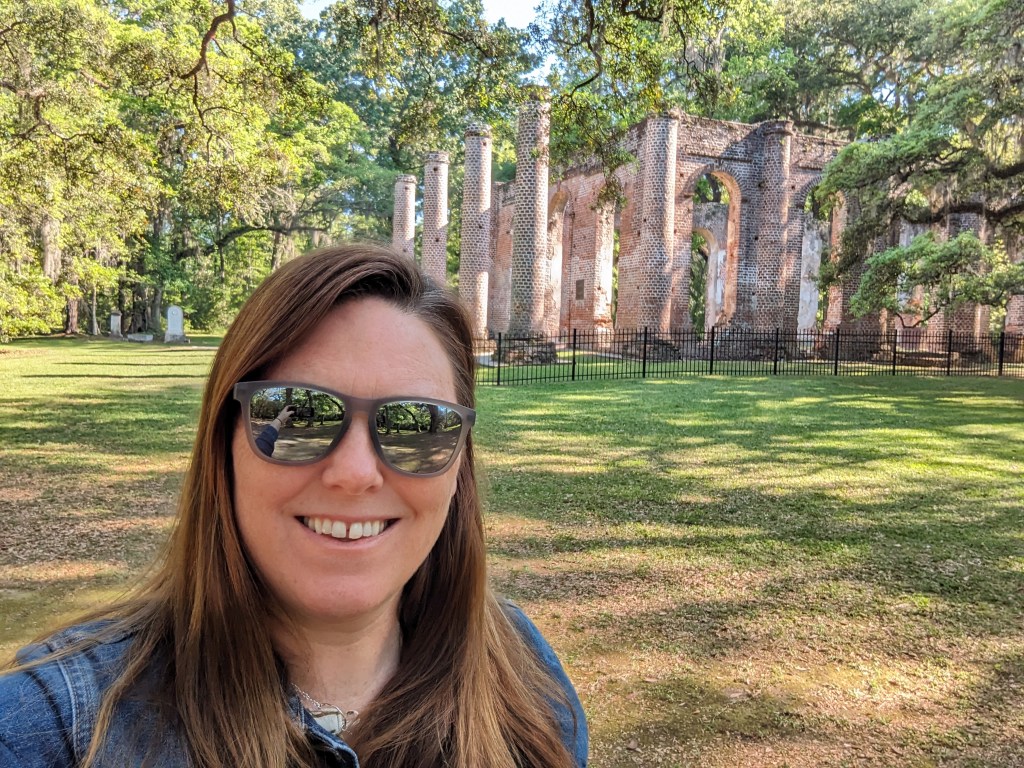
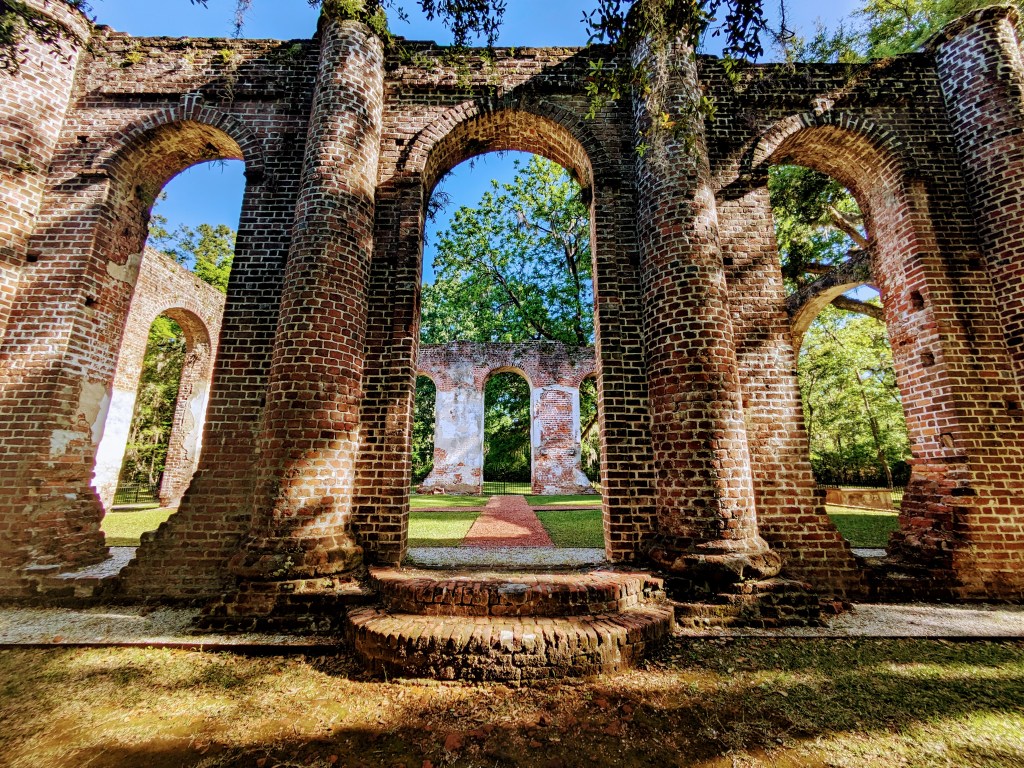
North of Beaufort in Yemassee, South Carolina is the most famous church ruins in the area: the Old Sheldon Church Ruins. The Prince William Parish Church was built in the 19750s in the style of a Greek temple. It partially burned during the American Revolution, was rebuilt only to be burnt again during the Civil War. Both Lt. Governor William Bull I, who renamed the church Sheldon Church after his homeland in England, and General Oglethorpe, who was instrumental in the urban planning of Savannah, are buried inside the ruins of the church. The sunlight playing off the ruins and the neighboring oaks draped with moss cast dramatic shadows and create a moody atmosphere.

On the way to the Old Sheldon Church, I couldn’t resist stopping at The Carolina Cider Company: a cute roadside shop that looks like it’s housed in an old gas station. I was pleasantly surprised by the large array of different locally made products like jams, nuts, snacks, hot sauces, pies and of course their signature cider. They offer a few cider flavors like peach cherry, and blackberry and have them available for sampling. They also have a coffee shop on site and a few tables outside to take a break for that midday pick me up.


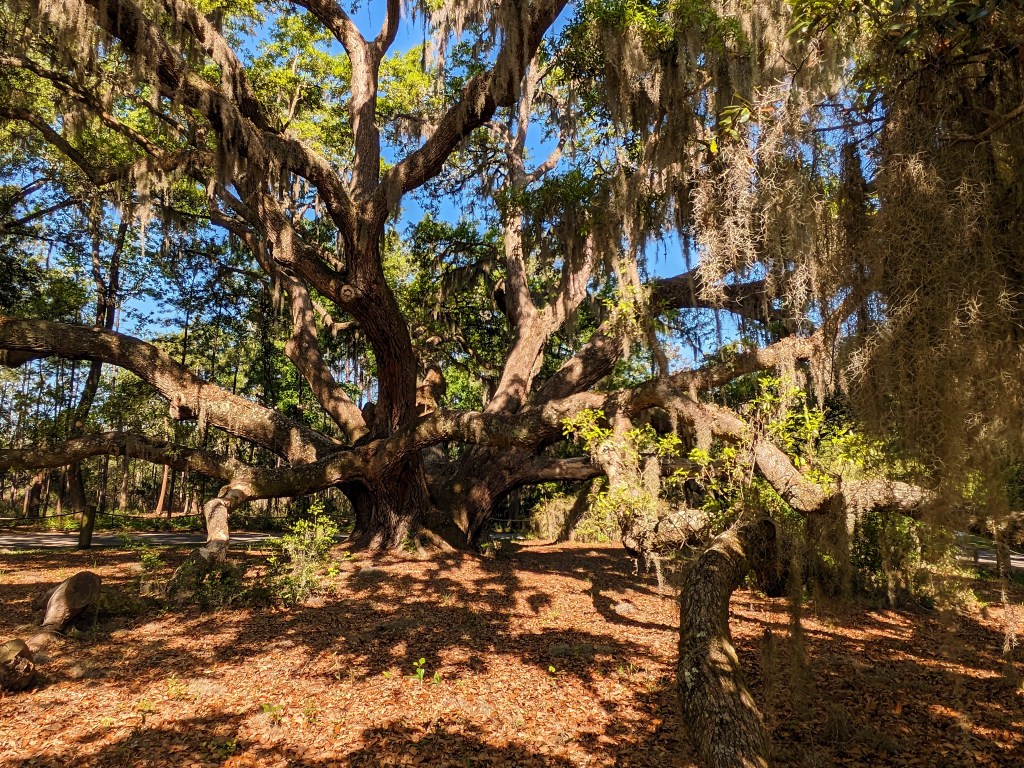
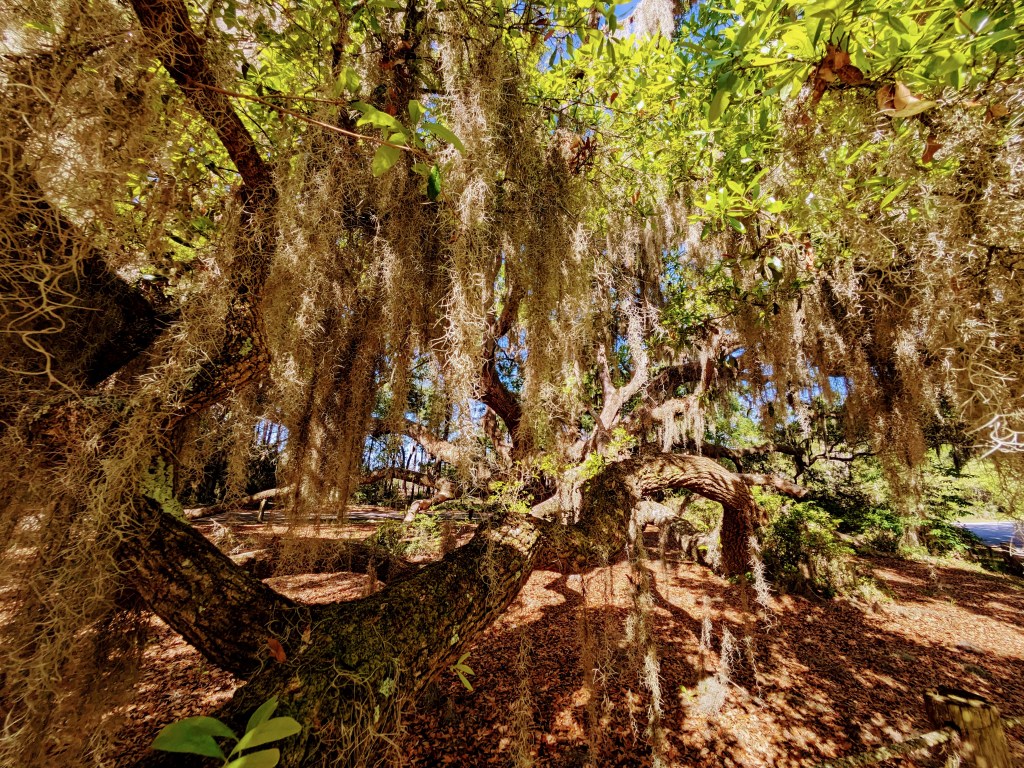
I knew that I had to make an effort to see one of the enormous live oaks while in the area, and the Carolina Shores Oak Tree was an easy detour on my driving route. Little did I know that this 300+ year old tree was famously featured in Kevin Costner’s 1994 film The War. I was most drawn in by the tentacle-like-branches of the tree that make its presence felt both above and on the ground. While signs around say not to climb on its limbs, I can imagine local children having a hard time resisting.
 Mac On the Map
Leave a comment