
Even though I grew up in Massachusetts, I rarely made it up to the North Shore. I remember visiting Rockport via the commuter rail in college and one trip to Gloucester after reading The Perfect Storm. However, now that one of my friends has moved up there, I’ve had a chance to explore the area outside of just the city centers, and I’ve grown to love the beauty of the shoreline and the rural areas. Cape Ann, which encompasses Gloucester, Rockport, and Manchester by the Sea, is an especially beautiful area.
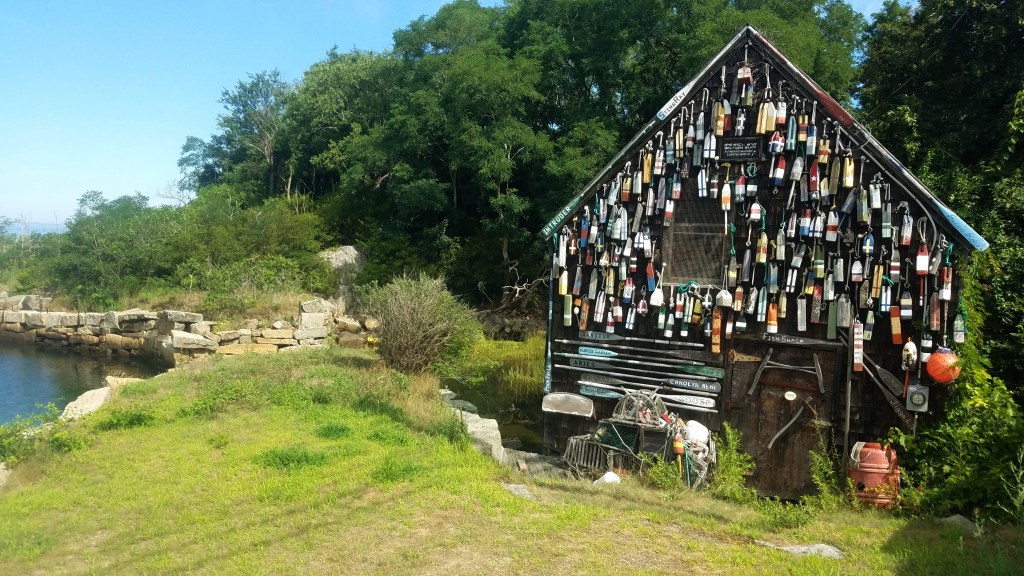
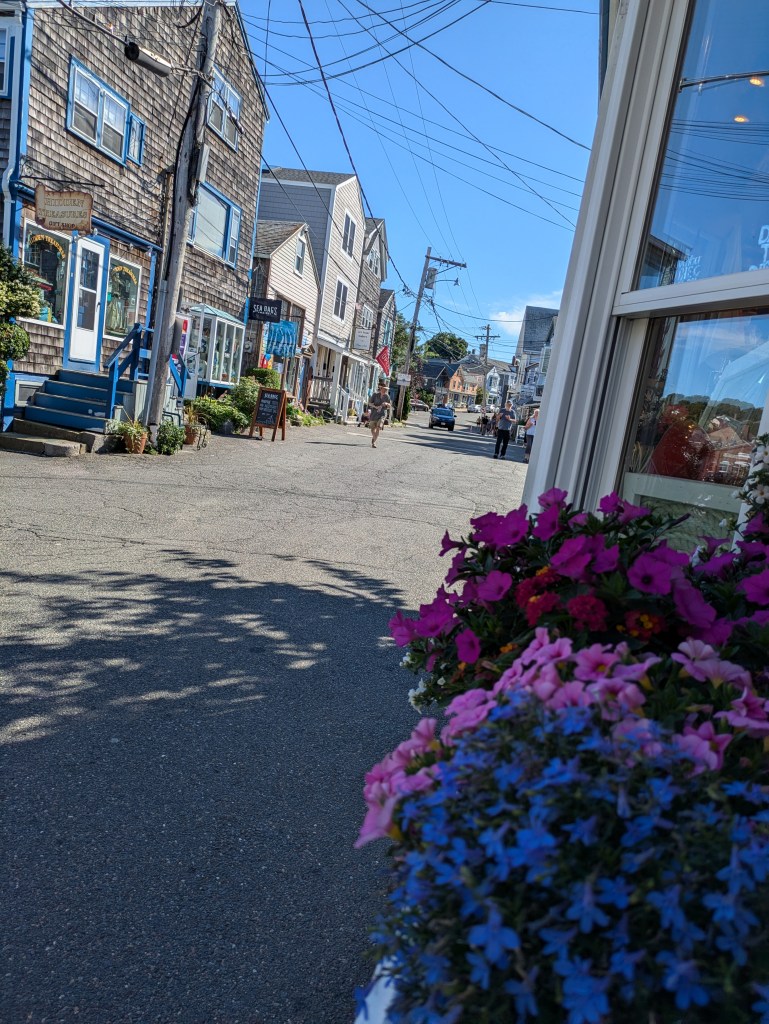
Bearskin Neck in Rockport is the quintessential tourist center. The fishing village turned shopping area still reflects the history of the region through the wooden buildings and side street piers. Filled with local art galleries; jewelry and clothing stores; ice cream, candy, and seafood shacks; and souvenir shops in a quaint almost pedestrian only area, Rockport is a must stop on a tour of Cape Ann. This is also the home of the famous “Motif #1”. A replica of a 1840s fishing shack, Motif #1 is the most painted building in the world. Its charm comes from the rich red of the weathered paint against the blue of the water and sky around it. The colorful buoys adorning its sides represent the fishing heritage, which adds to the charm of the iconic New England picture.


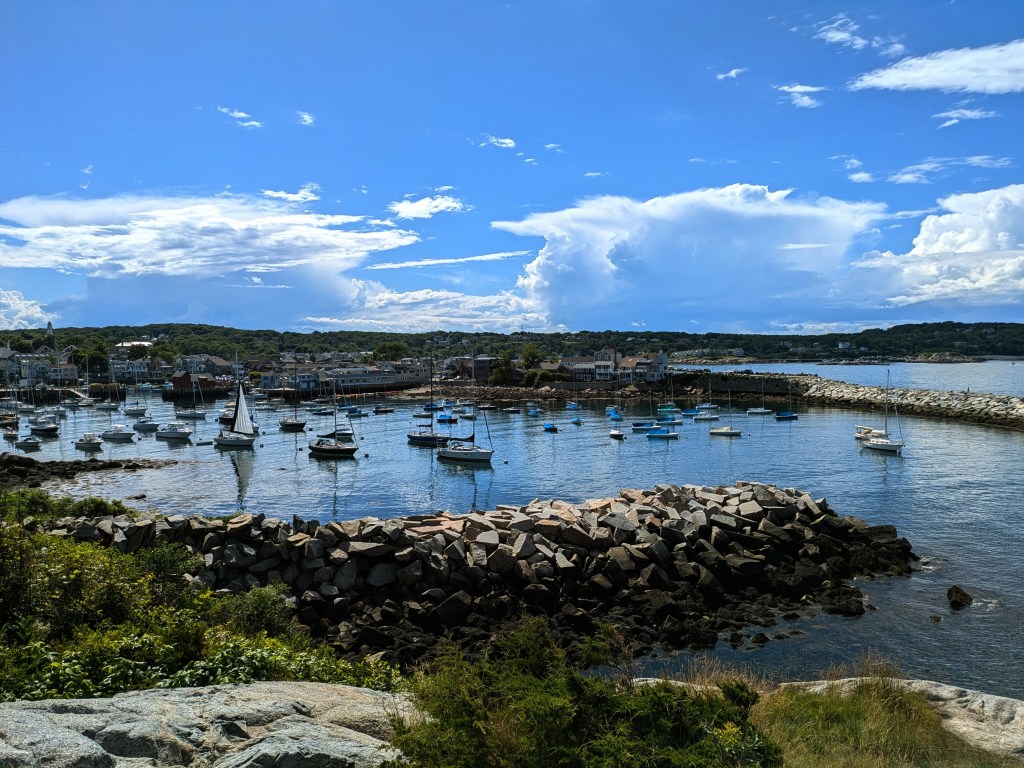
With all the shops come all the people, so to enjoy the sights without the crowds, I usually either walk to the end of the jetty on Bearskin Neck or walk up the hill to the Headlands. Both offer views of the harbor and ocean and provide that sea breeze that is a welcome relief in the heat of the summer. The Headlands also offers a few benches to sit and take in the boats up close in the harbor and far away in the ocean. If you go to the Headlands, just be careful of the poison ivy that lines the short trail to the overlook.
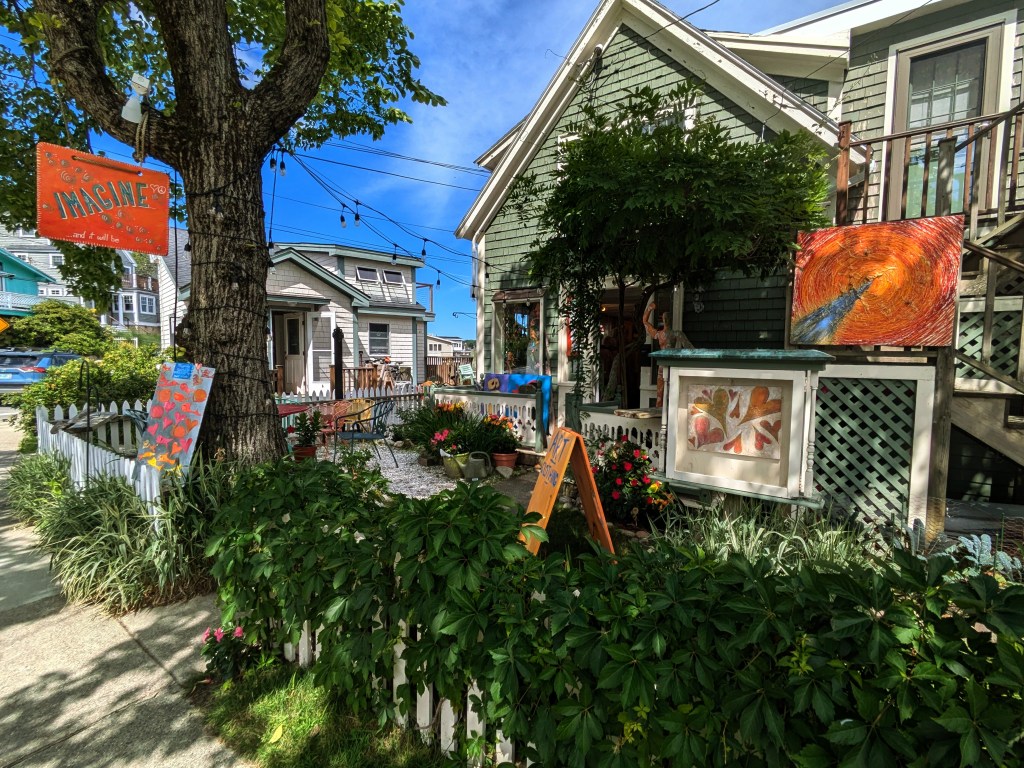
While Rockport has a huge art presence with over 30 galleries, Rocky Neck Art Colony in Gloucester has a rich artist history. Rocky Neck is one of the oldest continuously operating art colonies in the United States; famous artists like Winslow Homer and Edward Hopper are part of its history. Each art gallery has its own vibe, and the area as a whole is full of cute cottages and views of the harbor. The Salted Cod Arthouse even pairs an co-operative art gallery with a wine tasting space in a historic warehouse along the water. I love co-operative galleries because there is always at least one artist in the space that can talk to me about their specific work as well as highlight some of the special work of other artists.
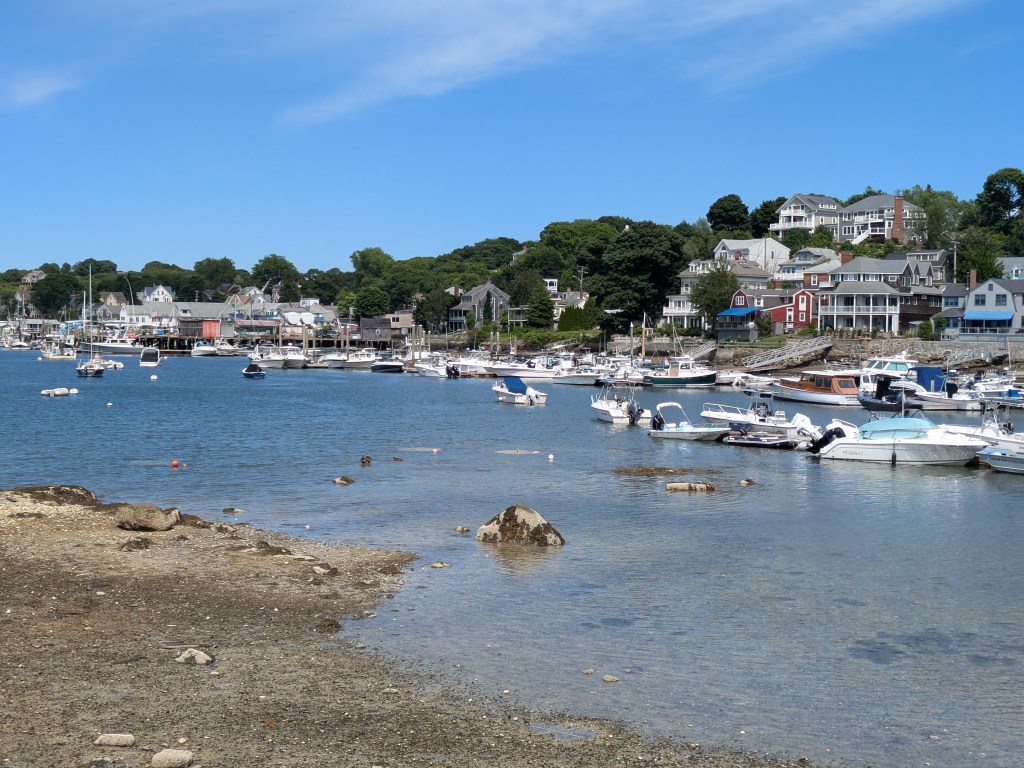
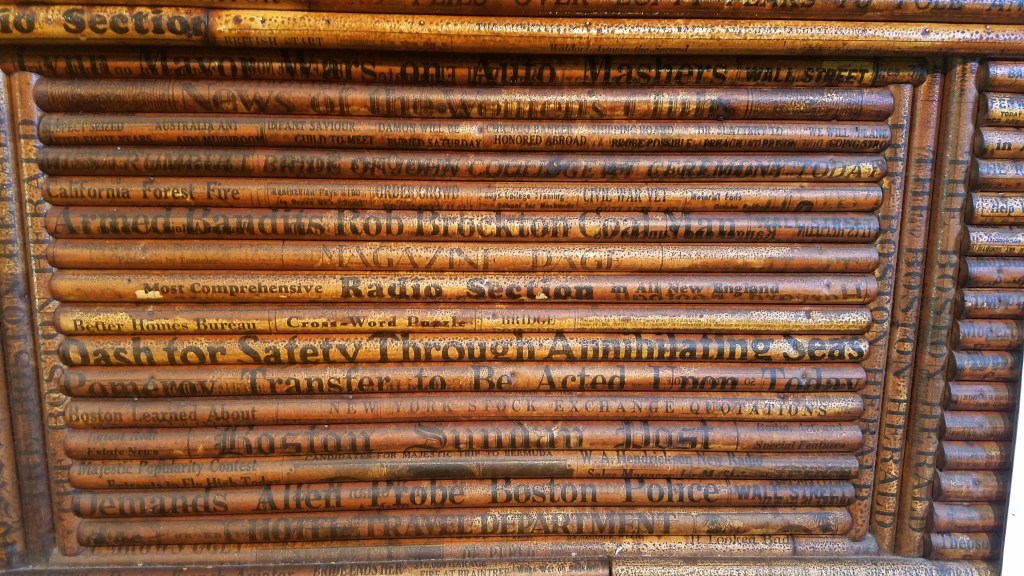
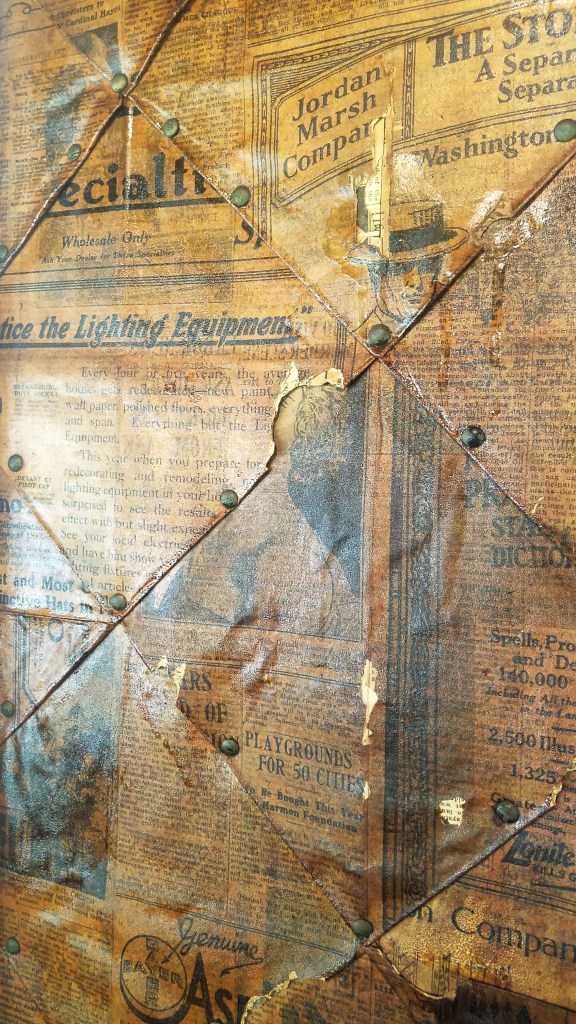
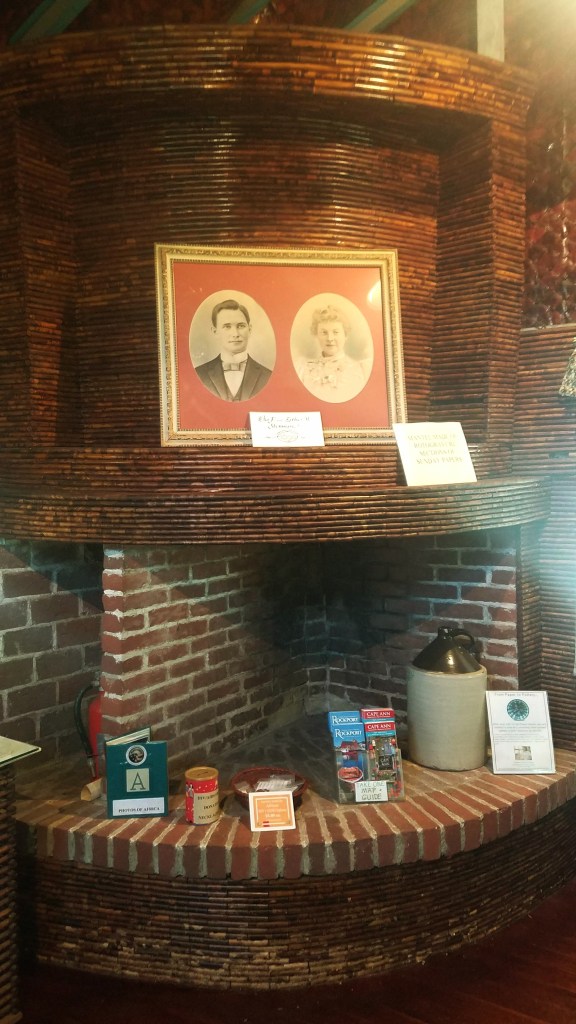
The Paper House represents a full commitment to one’s art. Elis F. Stenman started working on his paper house in 1922. Two years later, he moved in and used it as a summer house. While the studs of the house are made from wood, the insulation, walls, drapery, and the furniture are made out of newspaper. Elis wanted people to be able to read the papers, so he made sure specific sections were visible in each rolled piece. He even went as far as to choose a theme for each piece. For instance, the clock represents the 48 states (in the 1920s, Alaska and Hawaii weren’t states yet). While the house is small and unassuming, I love seeing the product of people’s inventive and unusual ideas.
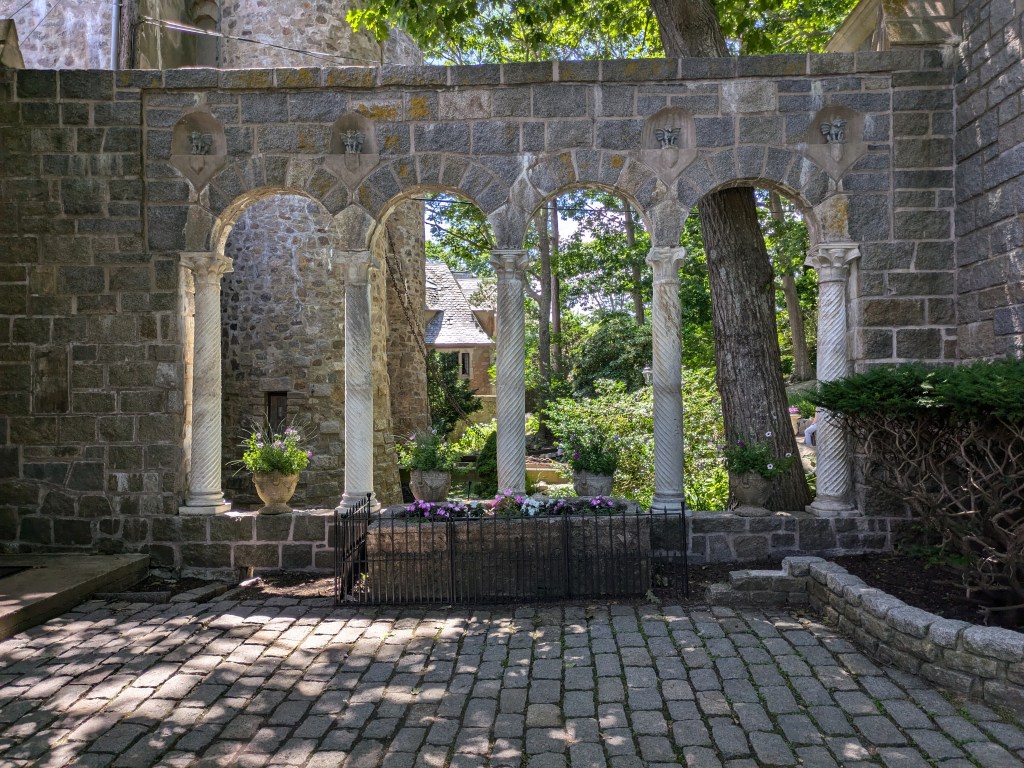
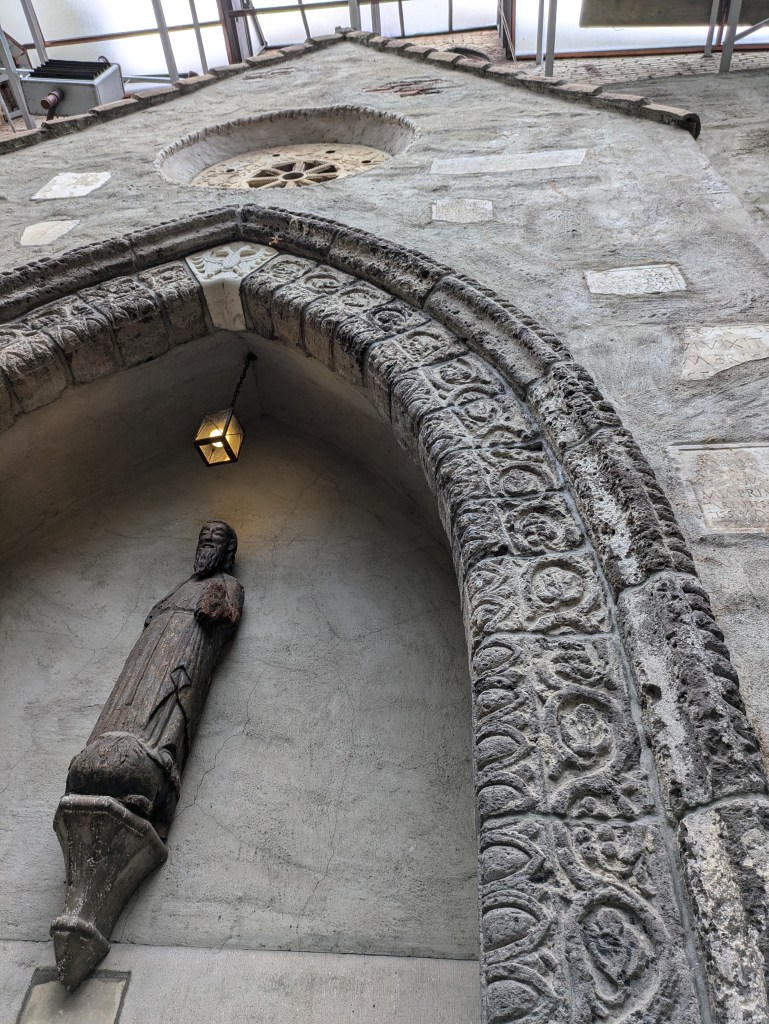
A grander example of one person’s creative mind is the Hammond Castle Museum. New England is not where you would think to find a castle, and castles are not what people were building in the 20th century. But John Hammond was always fascinated with castles, and he had the means to build one, so he did in the late 1920s. I haven’t had the chance to visit many castles in my lifetime, but I think that even if I had, this one would still stand out. Hammond was an inventor and a collector. He built his castle with the intent to turn it into a museum where he could showcase his collections and inventions. Hammond wasn’t focused on staying true to any one time period or architectural style; for instance, the great hall features artifacts and architectural pieces from 13th century France and 15th century Spain among others. The courtyard includes two 15th century French facades and stone slabs from Roman epigraphs built into the walls. I enjoyed looking at all the details of these two grand spaces. The rest of the rooms are small and cozy, but just as intricate in design and theme. Don’t miss standing in the middle of the library and talking for an odd audio experience or taking in the large mural of a fictional military battle in the Lower Den. Hammond Castle also stands at the edge of a cliff, so the views of the water from the backyard are lovely as well.

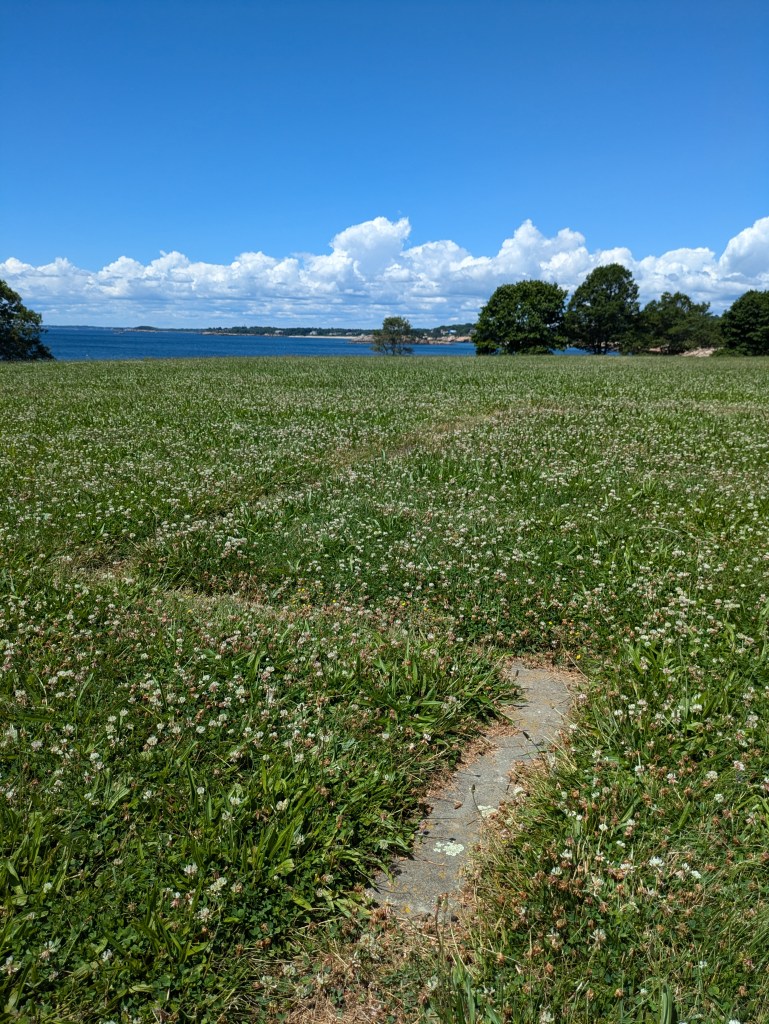
Coolidge Reservation also provides some lovely views of the water. The Trustees of the Reservation property offers a short hike through the woods to Ocean Lawn – just a note that this part of the property is only open to the public Fri-Mon. The vast lawn opens out to the rocky edge of Kettle Cove and the Atlantic Ocean. This was once the site of T. Jefferson Coolidge’s (great grandson of Thomas Jefferson) “Marble House, and the outline of that estate is still visible on the ground. Coolidge Reservation also has trails that lead out to Gray’s beach for a sandy walk along the shore.
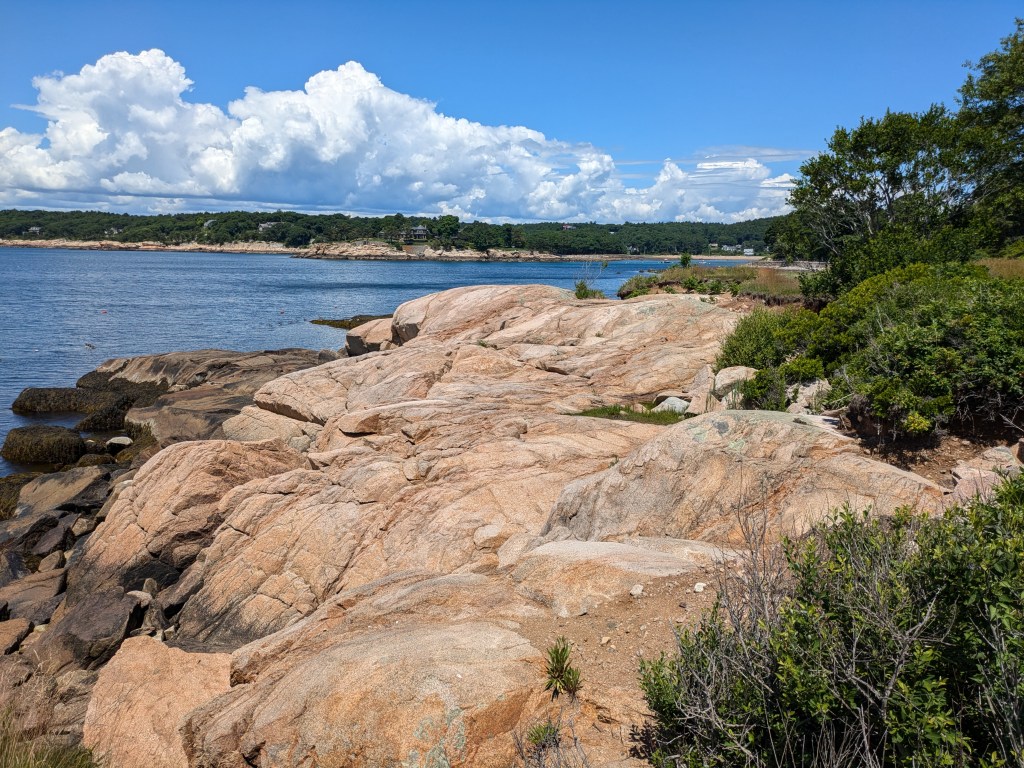
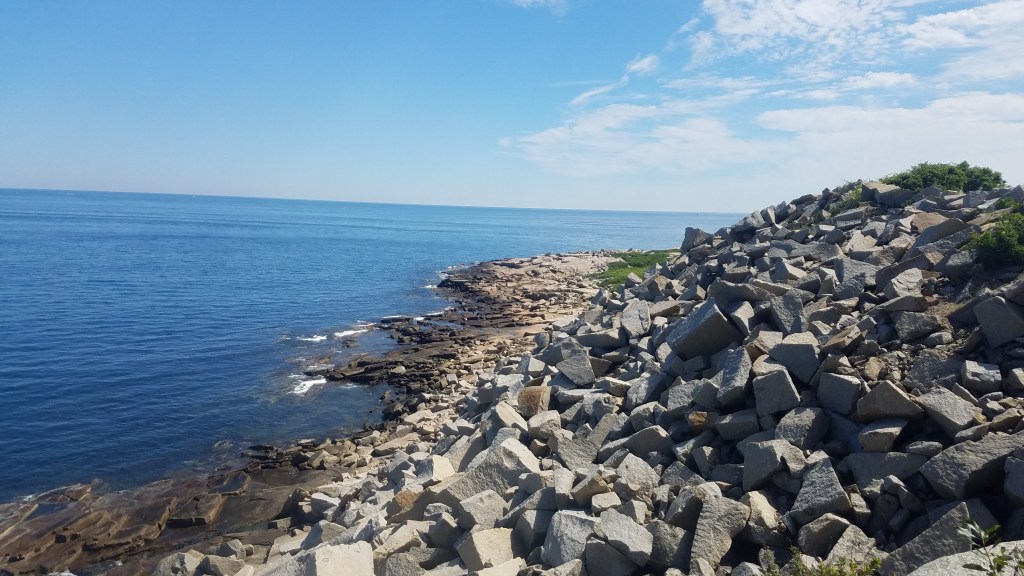
Another walking area with views of the water is Halibut State Park. The trails here take you not just to the coast, but also around an old quarry. With its drastic edges and deep depths, the quarry is what makes this place unique and an interesting stop in the area. The granite rocks at the coast also make this place distinctive. Their large smooth slabs make them great places to set stop and relax for a bit.


Another different walk in the area is Dogtown Commons. This inland forest has two histories: the Commons Settlement of the 1600s and Babson’s Boulders of the 1930s. In the 1650s people moved to this area to avoid attack at the harbor. They set up farming and logging operations here. After the war of 1812, people started moving back to the coast and left their houses behind. None of the original forty houses remain, but archeologists are still exploring the cellars of the house for relics of the past community. What is still visible to the public are the carved boulders. Roger Babson, whose ancestors lived in the Common Settlement, hired people to carve 24 core values into the boulders during The Great Depression. While some thought he was defacing the place, he saw these as a way of honoring the past and revamping the reputation of the area.

 Mac On the Map
Leave a comment