
I went to grad school at Simmons College in the heart of the Fens, so coming back to this area now allows me to reminisce as well as enjoy the new additions to the area.
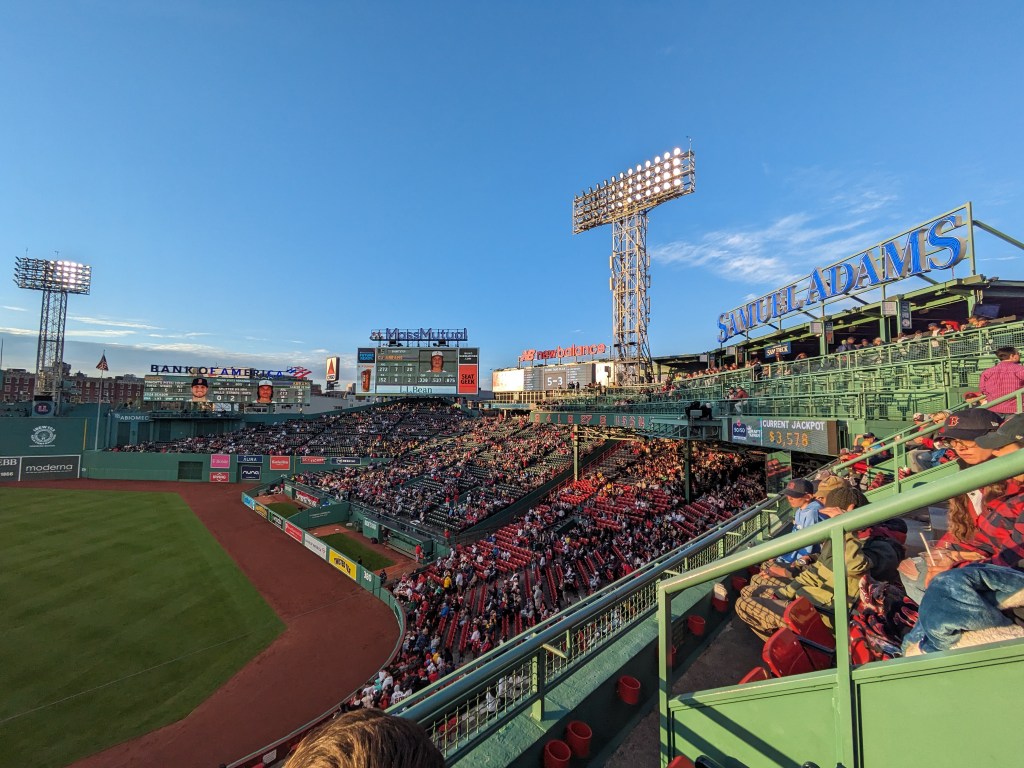
Fenway Park is home to the nine time World Series baseball team, the Boston Red Sox. While I’m not a baseball fan, I still enjoy taking in a game from time to time. Live sports are about much more than the plays on the field – the lights of the stadium against the night sky, the energy of the crowd singing Sweet Caroline in the 7th inning stretch, the cheers of the crowd completing The Wave together. A night out at Fenway is part of the spirit of Boston. Just outside of Fenway Park is Landsdowne Street, the nighttime hub for dancing, gaming, and concerts. The ballpark coupled with the nightlife makes this area full of energy.

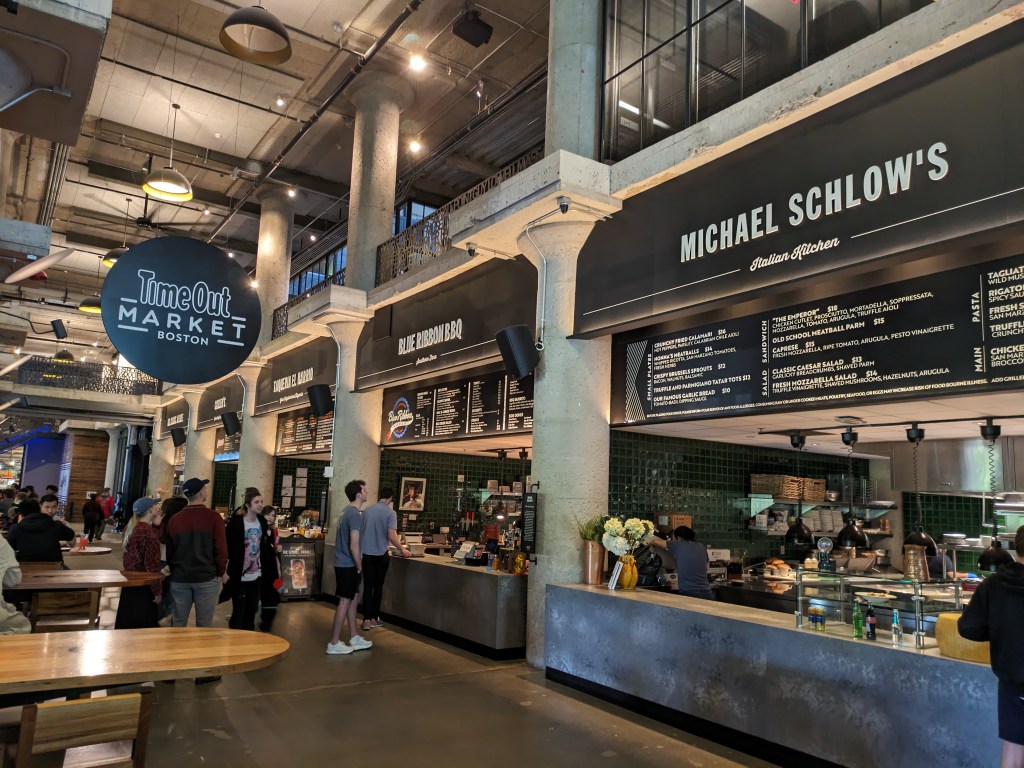
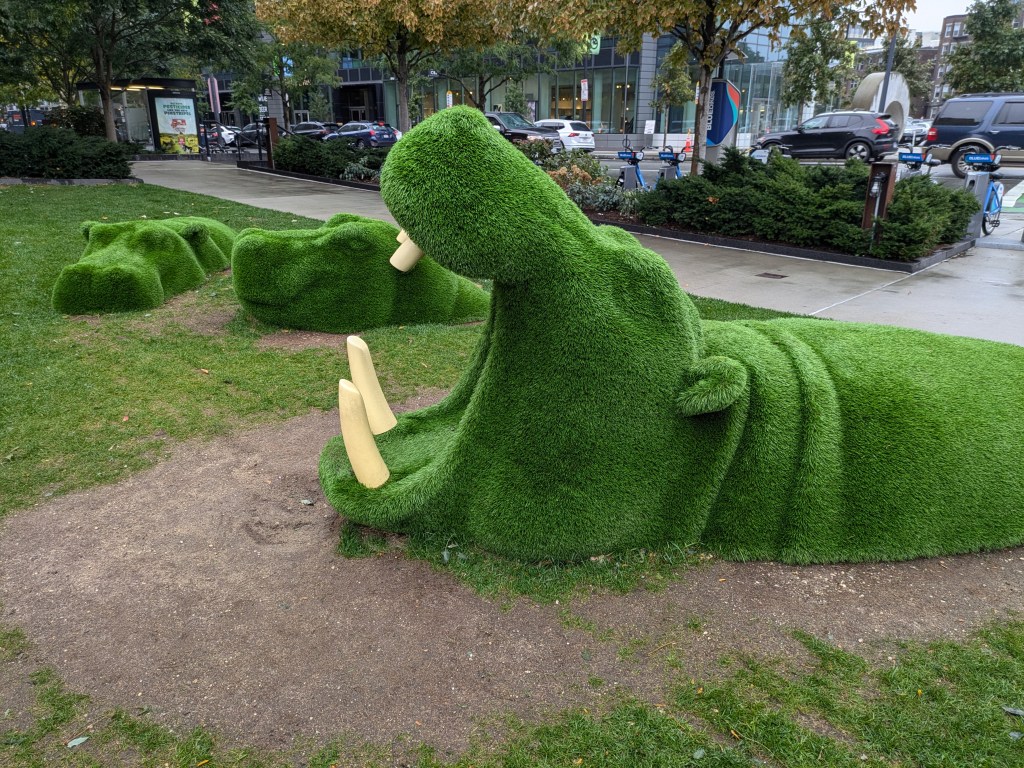
I think it’s funny how concepts get rebranded; the newest iteration is the revamping of food courts. While indoor malls are falling into obscurity, food courts, like Time Out Market, are just opening up in office buildings and city centers. These are not the fluorescent lights, junk food of old food courts; inspired by the food truck business, Time Out Market, and the like, are offering diverse food and drink offerings in a moody industrial space. The outdoor area offers seating, a lawn area with games, and fun sculptures to set the tone.
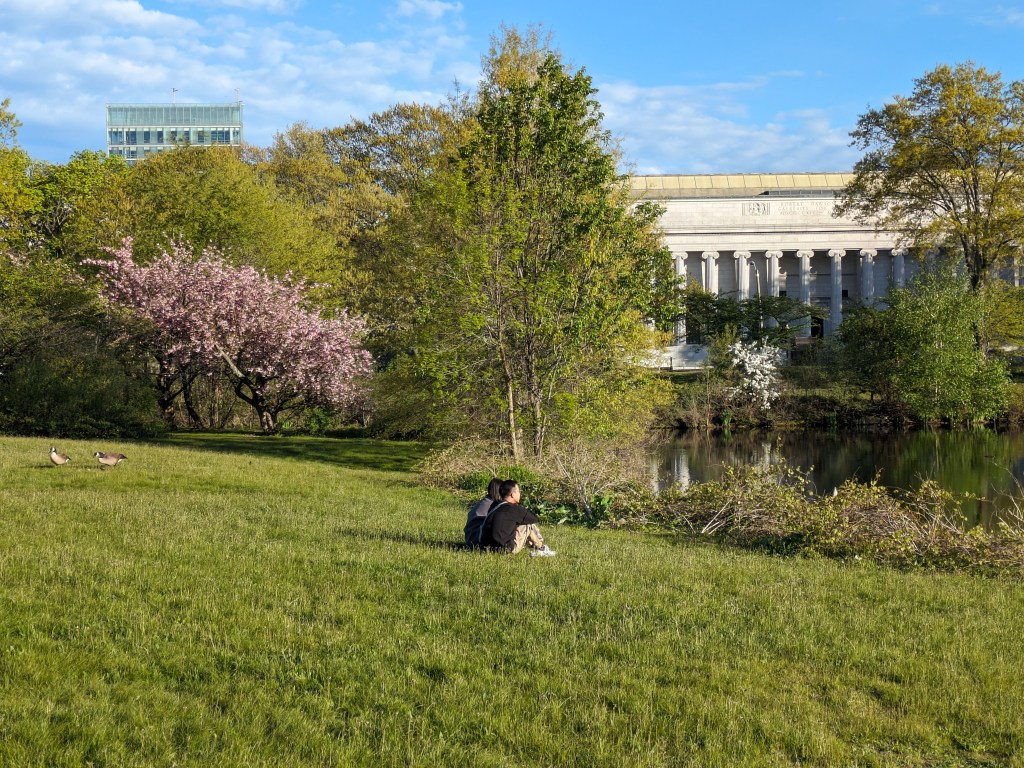
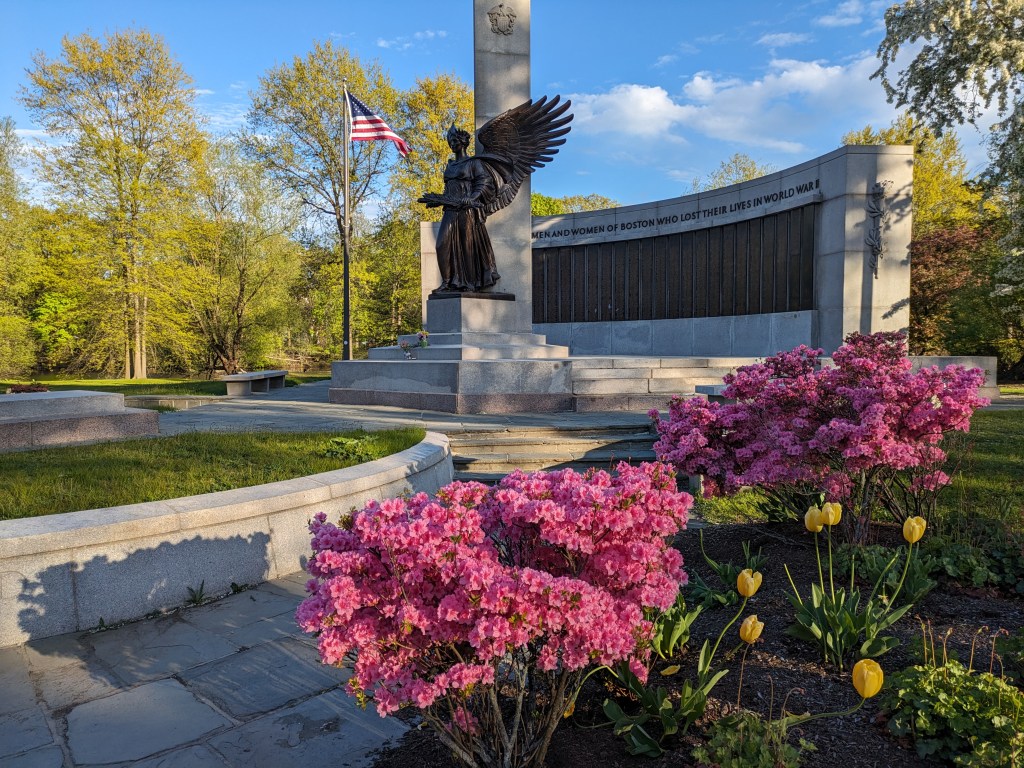
Across the street from Time Out Market is the start of the Back Bay Fens Greenway. Established in 1879 by landscape architect Frederick Law Olmstead, The Back Bay Fens started as a project to save the public from the stagnant saltwater marshes that were flooding the area. What was once a public health concern is a public health benefit. Ball fields, gardens, walkways, memorials, and city vistas bring people here for recreation and fresh air.
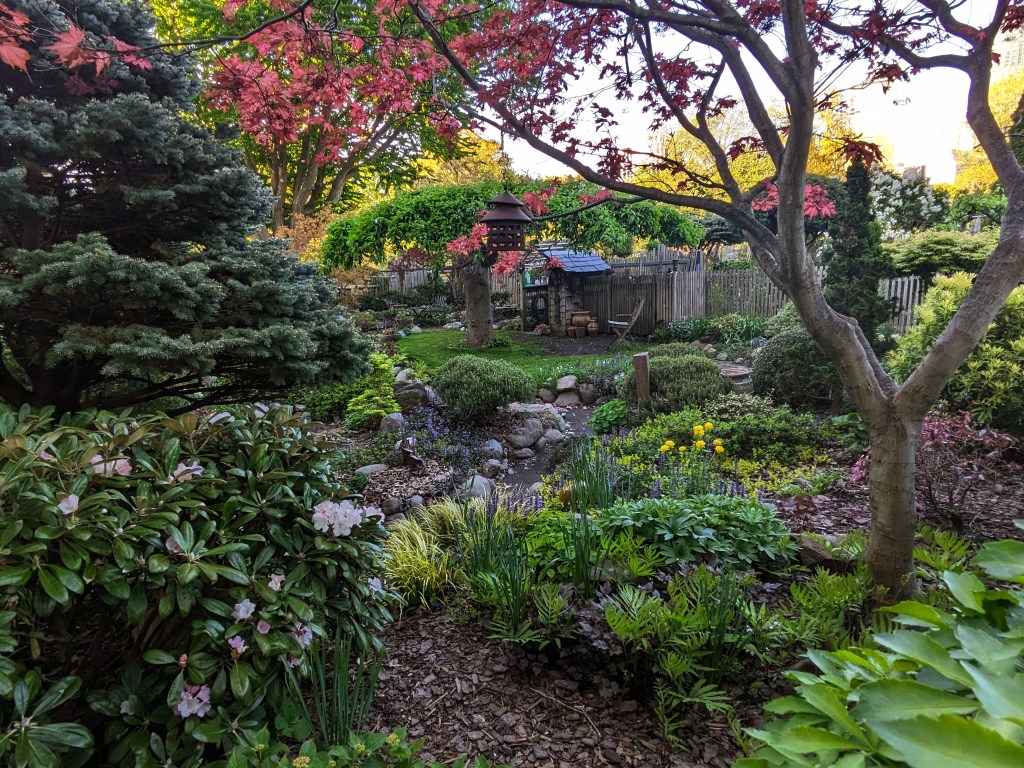
Some highlights of the Fens include the 1941 Victory Gardens – the only remaining WWII garden in the United States – where community garden owners create their own habitats with ponds, trellises, seating areas and beautiful plantings. Laid out over seven acres, the more than 500 gardens vary in size and decoration, but wandering through the small paths between them is always a delight.

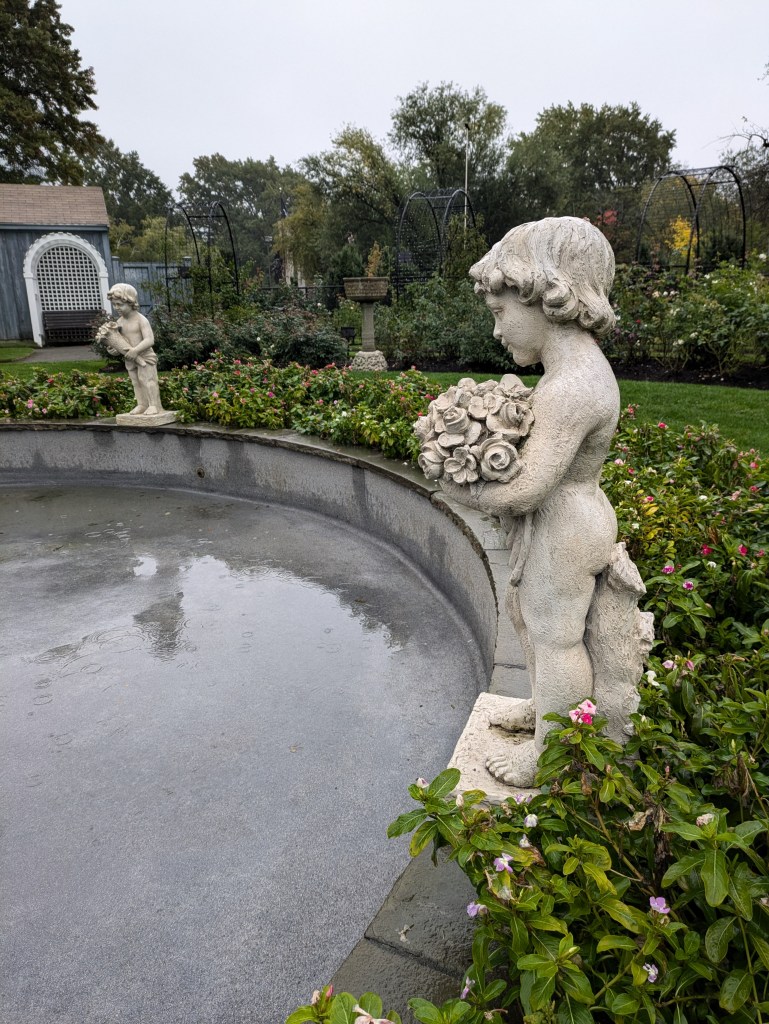
Past the ball field is the more manicured Kelleher Rose Garden. Fenced off from the rest of the park, the garden is a space all of its own. A circular path with archways encircles a fountain and green space with landscape and statues reminiscent of the 1920s.

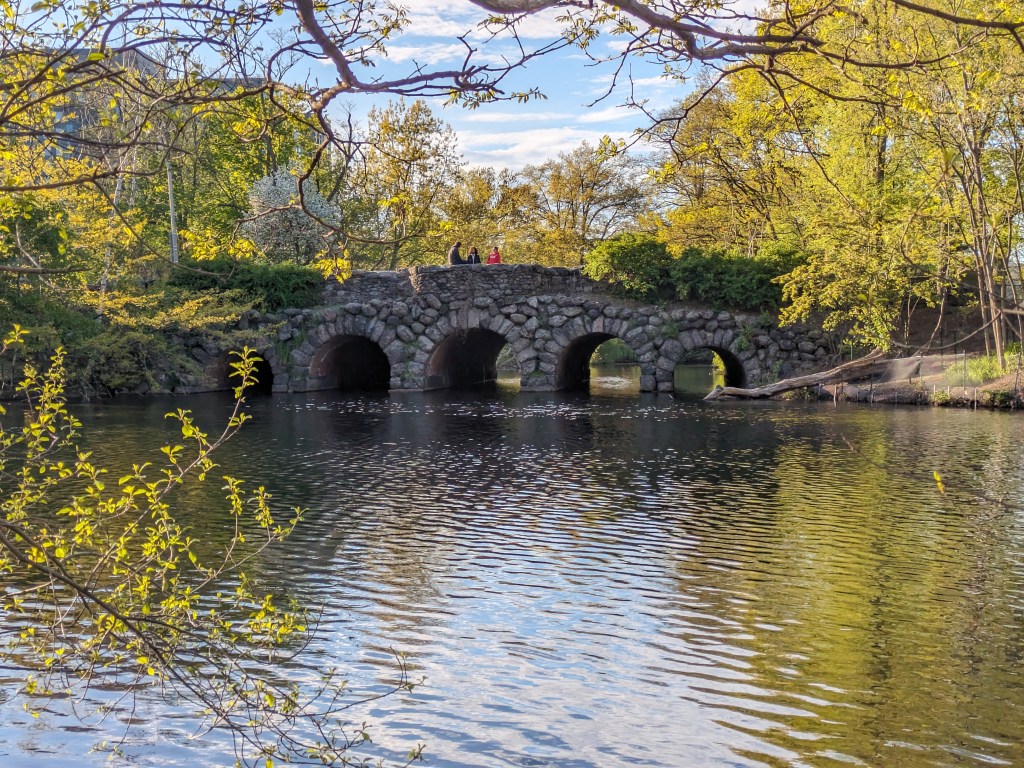
Behind the Kelleher Rose Garden is a charming stone bridge and a Temple Bell from 1675 Japan. Brought here by American sailors, the bell has the blessing of the Manpukuji Temple-Sendai and is a symbol of Friendship and a Bond of Peace.

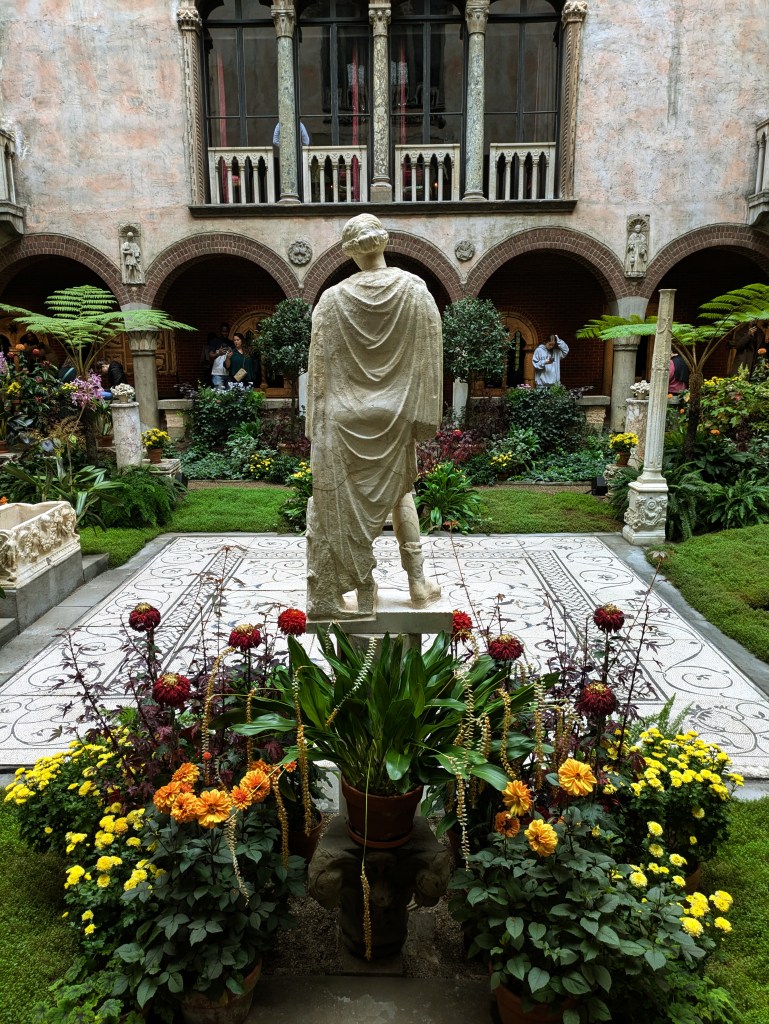
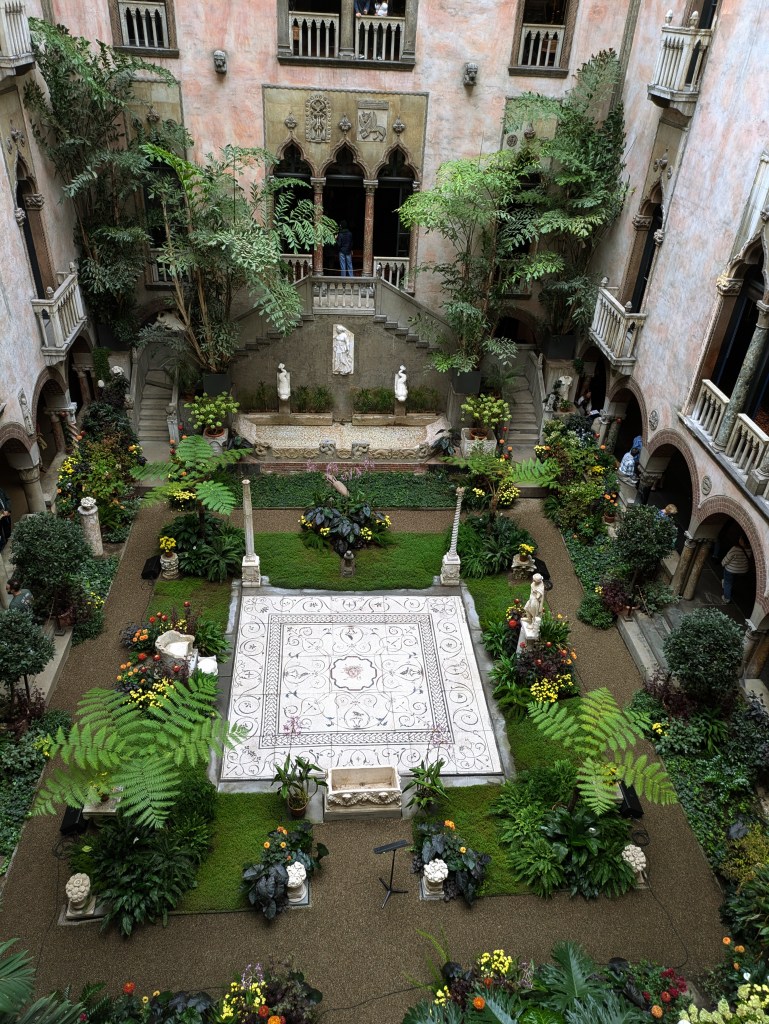
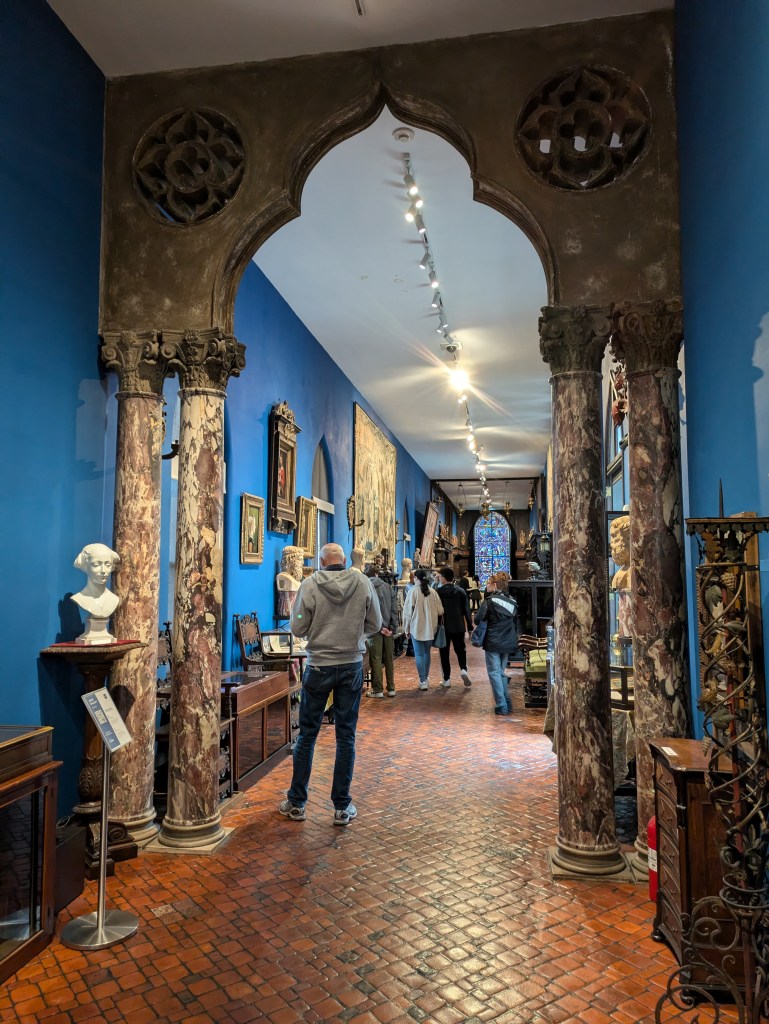
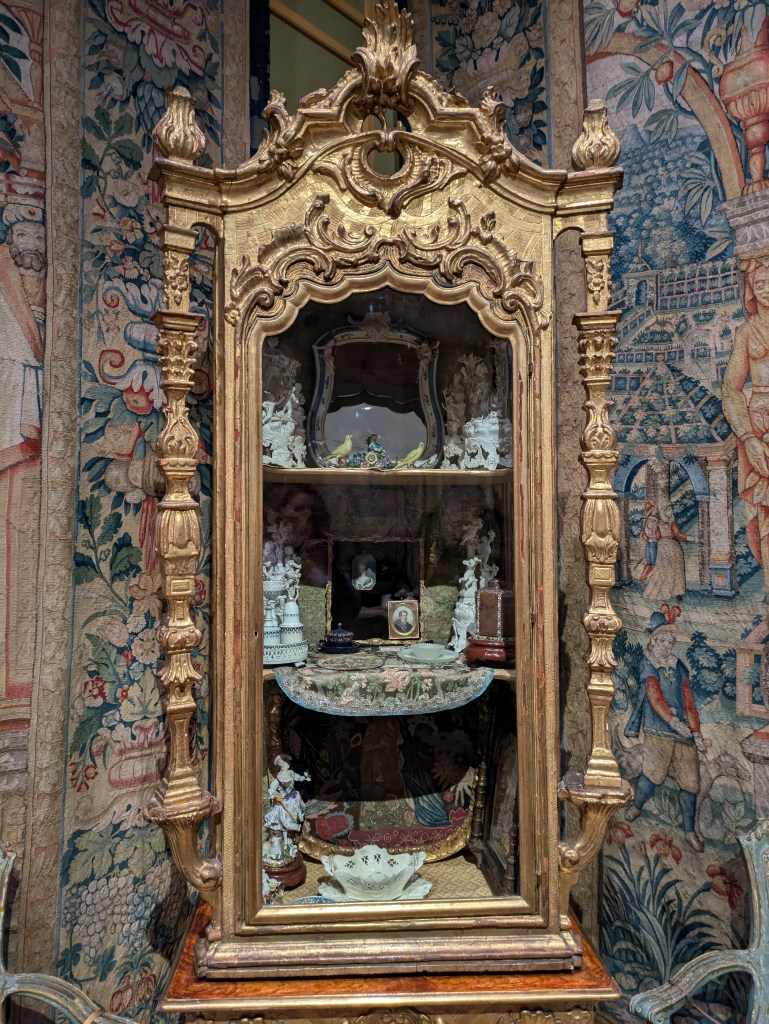
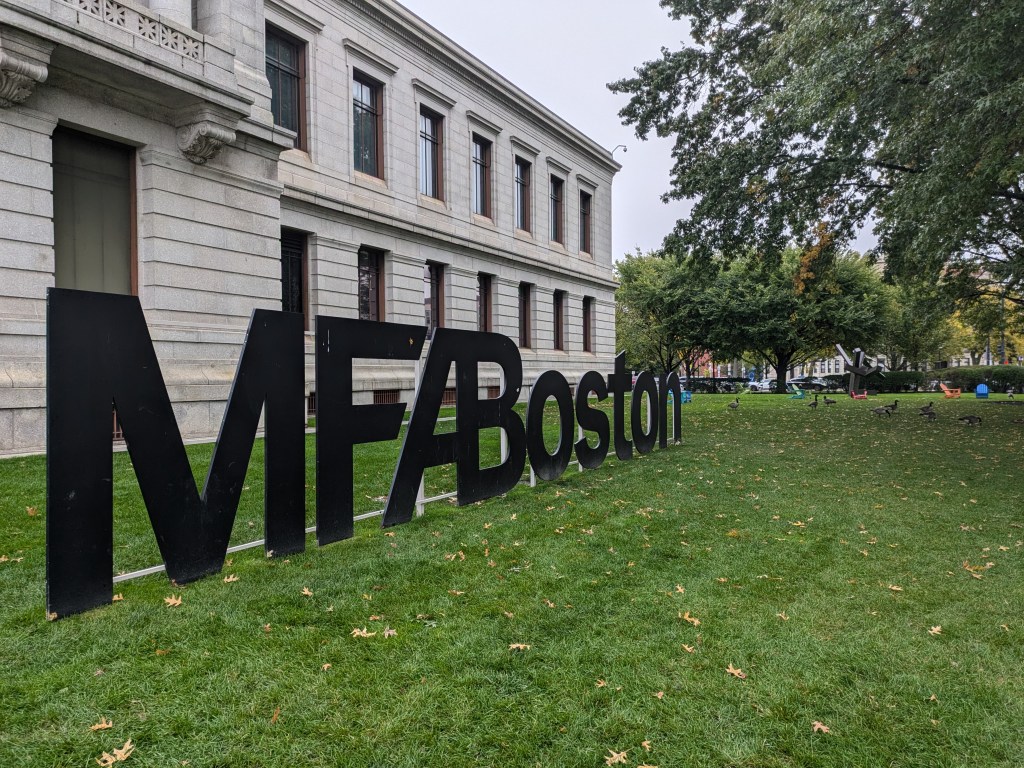
The Back Bay Fens ends at two iconic art museums: the MFA and Isabella Stewart Gardner Museum. The Isabella Stewart Gardner Museum is the private house and art collection of Isabelle Stewart Gardner. The building was designed to be a museum from the start (its doors opened in 1903), and while she was alive, Gardner set aside the fourth floor as her private residence. The layered and thematic organization of her collection of art, tapestries, furniture, and religious icons, showcases her attention to detail. In her will, she stipulated that the museum be forever open to the public and that nothing in the galleries should be changed. From the open and airy courtyard to the tiled floors, wallpapered rooms, and stone installations, every nook and cranny of the museum echoes her vision. Besides the draw of the beautifully curated spaces and courtyard, the museum has become famous for the single largest property theft in the world. In 1990, thirteen works of art were stolen from the museum. The crime has yet to be solved, and the frames of the stolen pieces still remain empty.
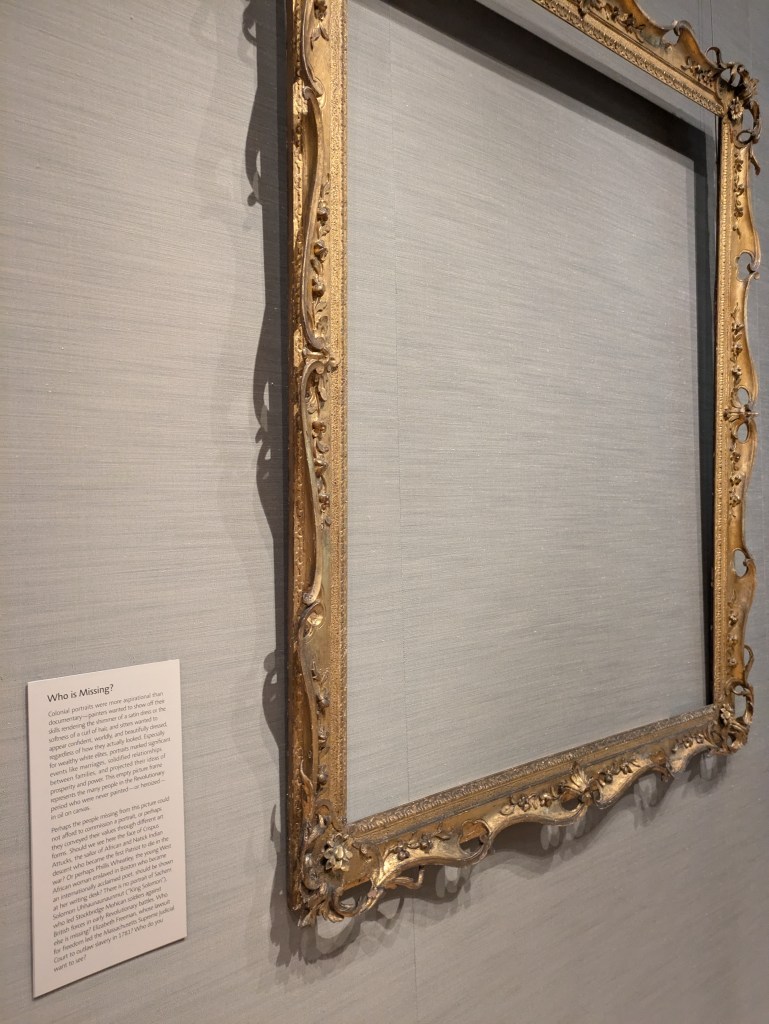
Unlike the unchanging exhibits at the Isabella Stewart Gardner Museum, The Museum of Fine Arts is constantly rotating their exhibits and trying to showcase the new as well as the old in the art world. On my most recent visit, I was lucky enough to experience the Salvador Dali exhibit where they coupled his postmodern art with realistic scenes from the same time period and the Georgia O’Keefe exhibit where they coupled O’Keefe’s natural forms in painting form with the sculptures of Henry Moore. These exhibits highlight the dialogue that the museum inspires its visitors to have. Art is not viewed in isolation; art speaks of a time period, a philosophy, a culture. In the more recent years, the MFA has also focused on bringing a voice to those who have not been part of the art world before. For example, in an exhibit about Colonial artists, they have an empty frame to represent those who are missing from the walls for a multitude of reasons.

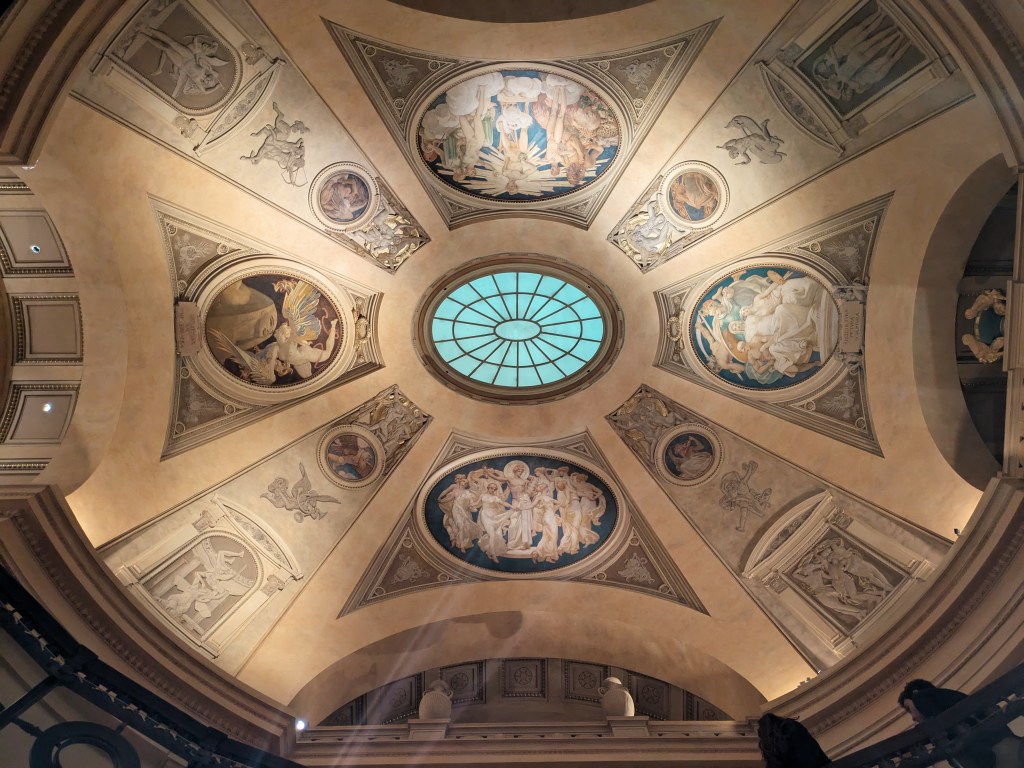
MFA’s building is also part of the conversation. The glass walled spaces of the bookstore, cafe and gallery spaces designed by I.M Pei, the bright, modern main enclosed courtyard with a dramatic Dale Chihuly glass sculpture, and the rotunda with John Singer Sargent ceiling murals engage the eyes past the art on the walls.
 Mac On the Map
Leave a comment