
There are places that are sadly not long for this world; with rising sea levels, Everglades National Park at the southern end of Florida is one of these places. Containing more than 1.5 millions acres of prairies, rocklands, forest, and mangrove estuaries, Everglades National Park is the largest subtropical wilderness in the United States. While much of the park can only be accessed by boat, one road bridges the eastern and western coasts with a few recreation and sightseeing stops along the way.
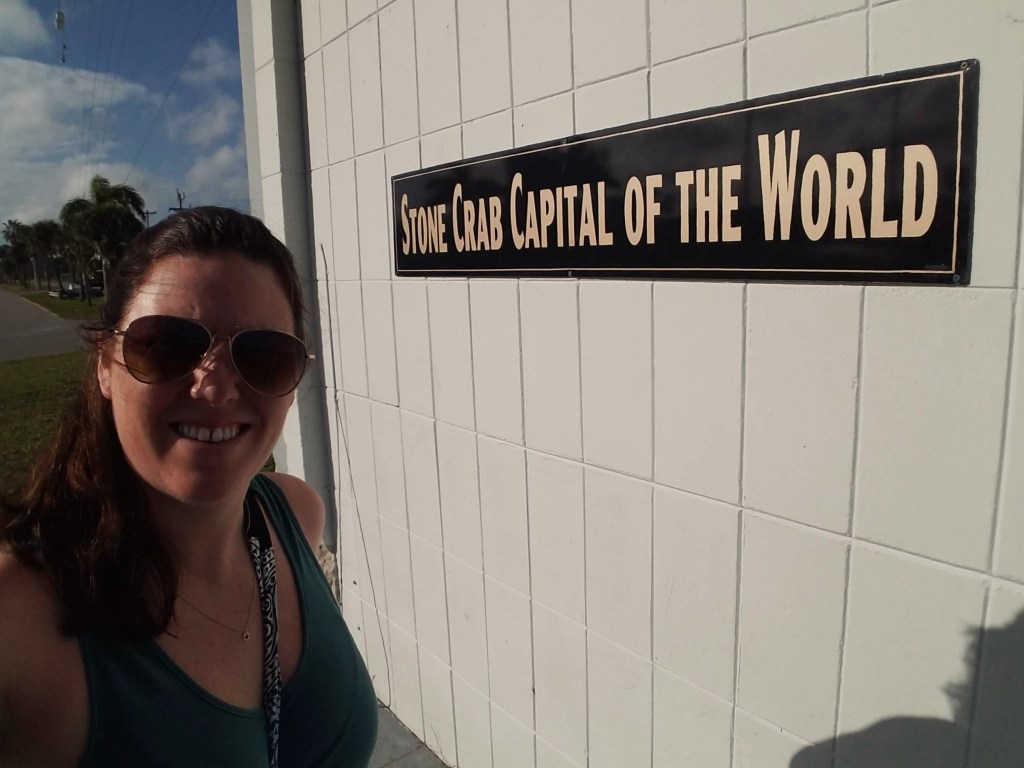
To get a real feel for the area, I stayed in the sleepy town of Everglades City for my short visit. Consisting of a few eateries and hotels, Everglades City is the homebase for many fishing charters in the area. With fishermen bringing in their catch every day, it’s a great place to sample some fresh fish. It is also the Stone Crab Capital of the world, so no visit would be complete without a sampling from a local fish market.
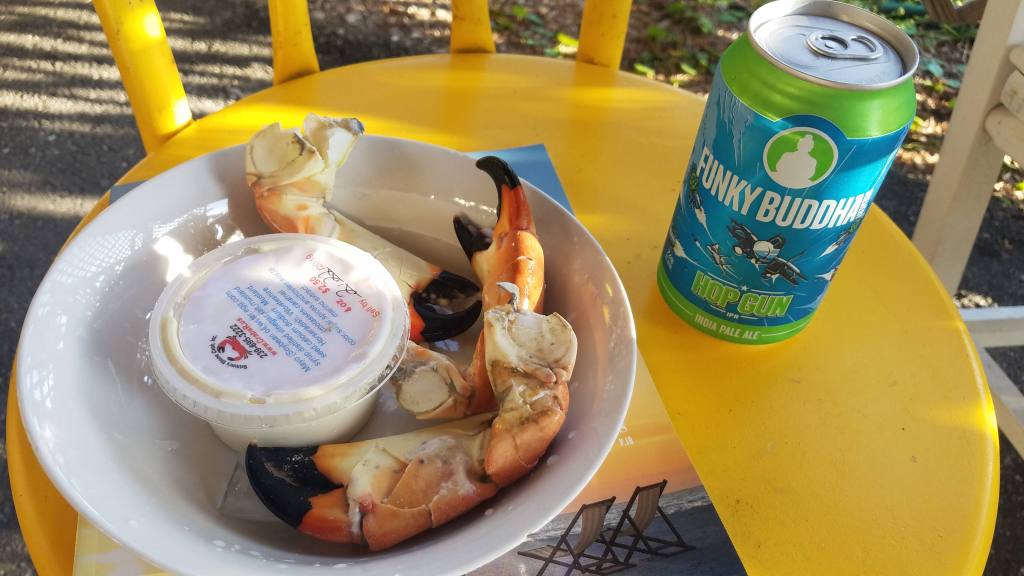
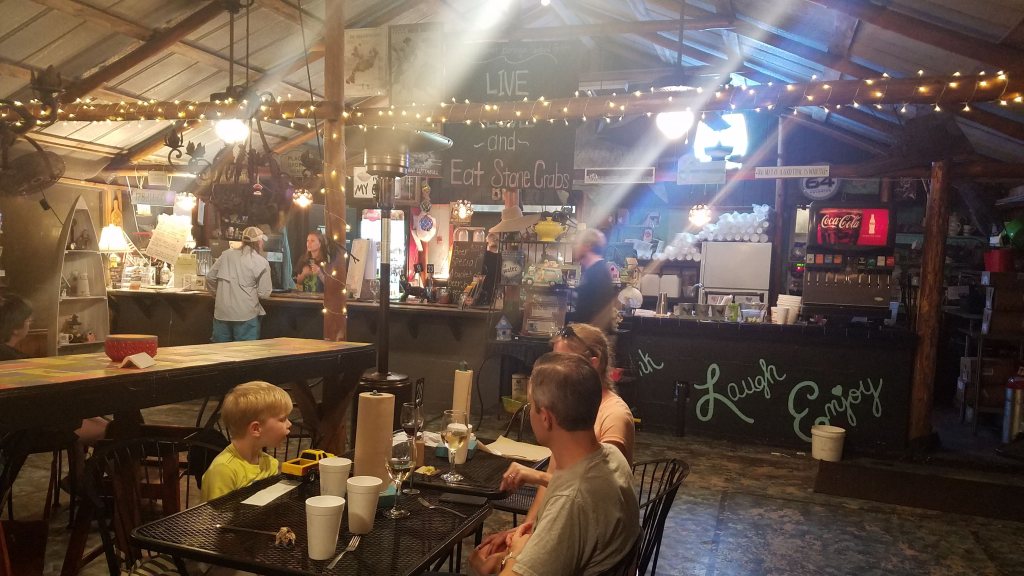
Run by Everglades City’s mayor, Grimm’s Stone Crab (I love a good small town) sells their claws precooked, so it was easy to pick a few up along with their dipping sauce to take back to my lodging for an appetizer. I also went out to the laid back outdoor fish grill, Camellia’s Street Grill, to enjoy other local offerings for dinner.
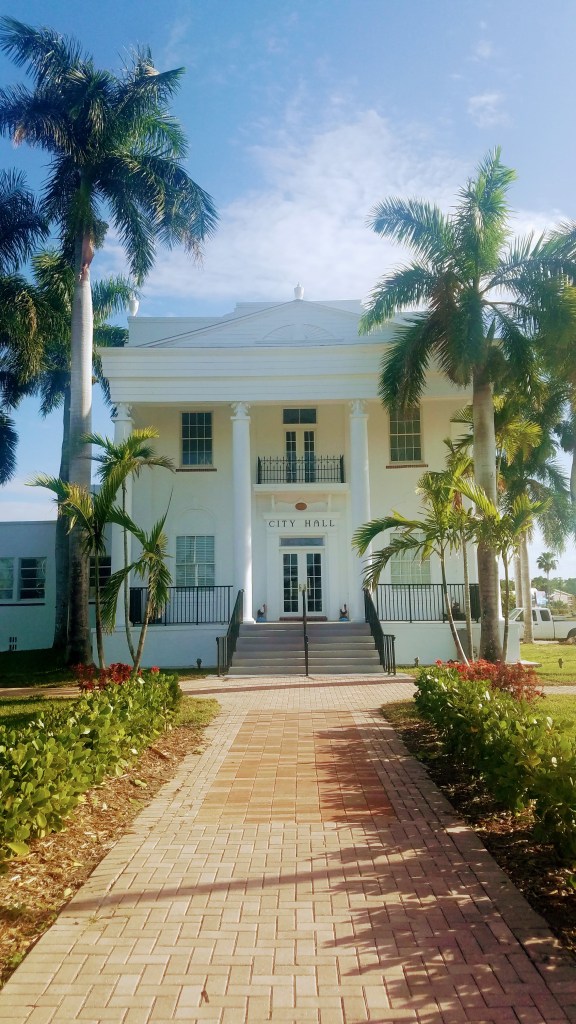
Everglades City also has a small local museum, visitor center, gift shop and some nice old Florida architecture. The city is laid out with its historic City Hall at its center. Built in 1926, the classical-revival style building once served as the Collier County Courthouse.
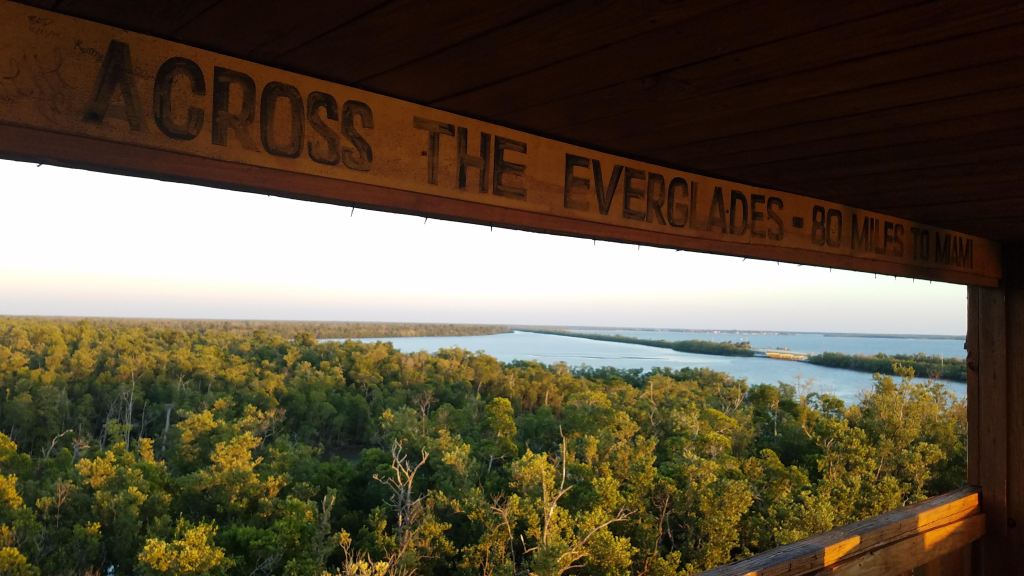
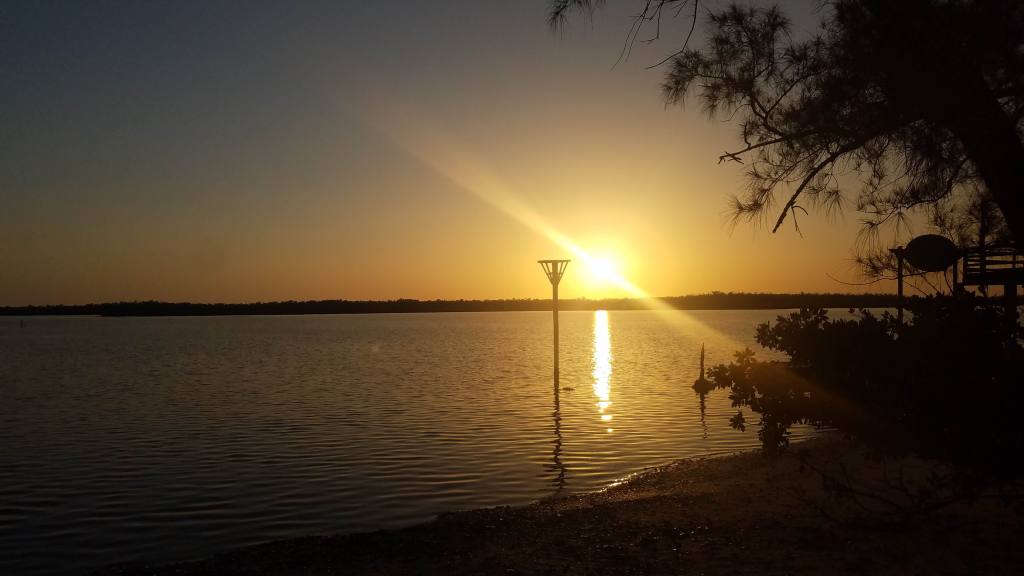
On the outskirts of town is the Ernest Hamilton Observation Tower. For a small fee, a climb up the 75 ft tall structure gives a broader view of the 10,000 Islands, Everglades, and Chokoloskee Bay. It is also a great spot to view the sunset.
Continuing past Everglades City, a single road brought me to Chokoloskee Island and the historic Smallwood Store. Established at the southernmost point on Florida’s west coast by Ted Smallwood in 1906, the Smallwood Store served as a trading post for the Seminole tribe and white settlers in the area. The store remained open until the 1980s. When it was reopened in 1990 by Ted’s granddaughter, it became part store/part museum. Photo albums, shelves of old containers, and hanging/leaning tools of the past speak to the history of the store and the area. While it feels disorganized, it also feels like a treasure hunt.


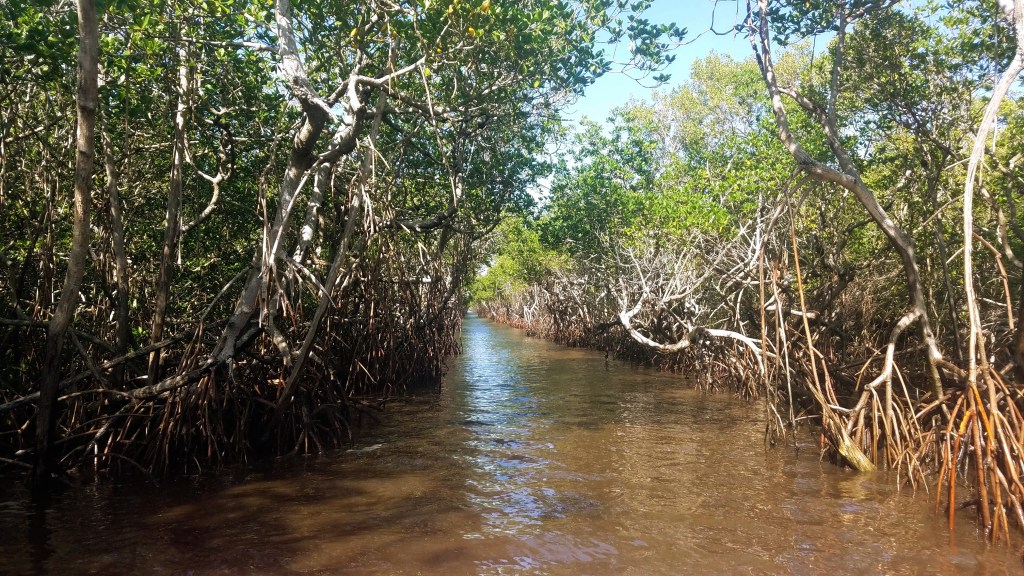
While I’m not a fisherman, I still wanted to enjoy the water of the Everglades, so I took a ride on an airboat. The ride was thrilling as we sped through the tight maze of mangroves. The driver stopped when he saw animals nearby for us to look at. We didn’t see that many animals on the trip, but I still enjoyed getting up close to the mangroves. Captain Jack’s Airboats also runs a licensed animal sanctuary with over 100 alligators and other rescued animals. The hourly alligator show was a nice way to learn more about the creatures and see them close up.
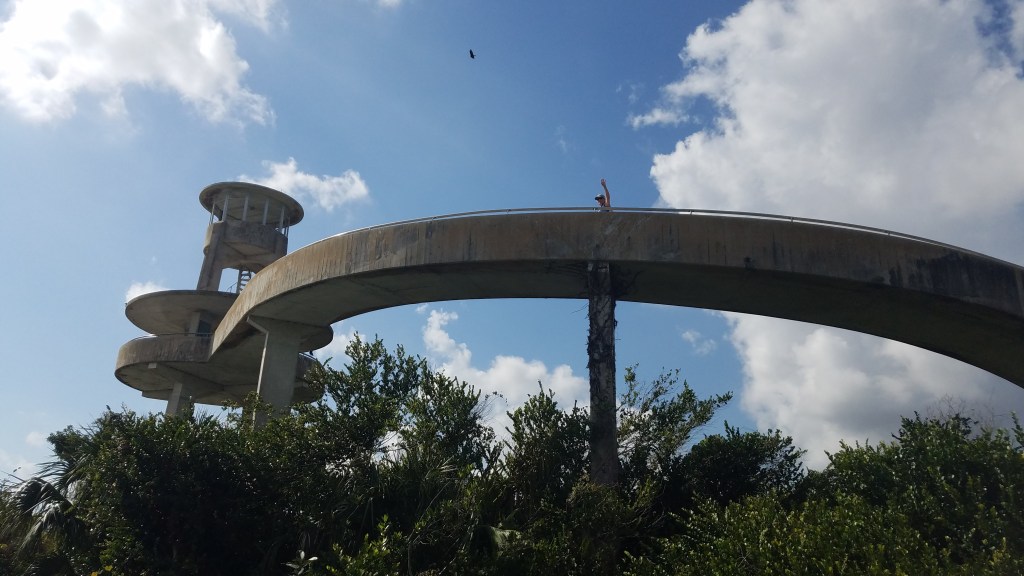
Everglades City is the western gateway to Everglades National Park. I drove to Shark Valley Visitor center where I rented a bike to make my way out to the Shark Valley Observation Tower. The visitor center also offers tram rides out to the tower for those who don’t want to complete the 15 mile round trip ride. However, biking out there allowed me to stop and see the wildlife at my own pace. The small water moat between the paved path and the wilderness was rife with alligators and birds. Even though it was a little scary to be so close to the alligators, they seemed content to sun themselves on the opposite bank and cool themselves in their waterspace. I luckily didn’t see any on the path itself. Great blue herons, snowy egrets and many more species that I didn’t know the name of sat and squawked among the branches.


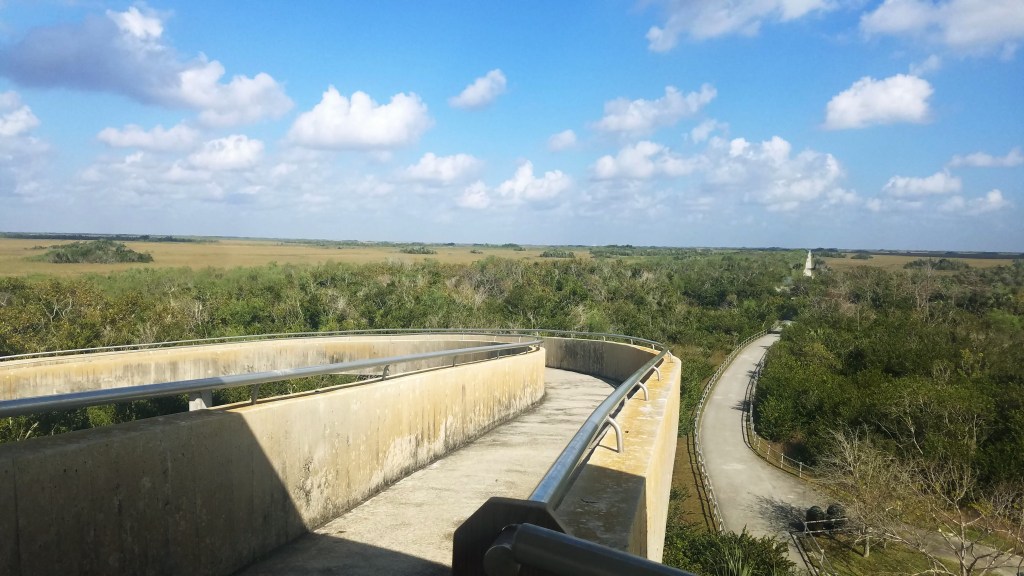
The observation tower was easy to spot as the endpoint of my bike ride. The large concrete ramp leading up to the 45 ft tall observation tower sets a striking contrast to the flat land of the Everglades. From the top, it’s easy to see how vast the wilderness is. Although 15 miles of biking can feel daunting in the Florida heat and sun, the paved and flat path made it easy to complete. Just make sure to bring lots of water and sunscreen.
While there’s not much between Everglades City and the Shark Valley Visitor center, I did enjoy the three stops I made.
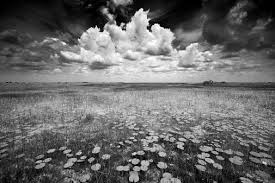
Clyde Butcher is Florida’s best known photographer. He is famous for his large format black and white photos of the Florida landscape – specifically the Everglades. His Big Cypress Gallery displays his work as both a gallery and shop. The crisp lines and stark contrast of his work captures the vastness and details of the Everglades and the sky.
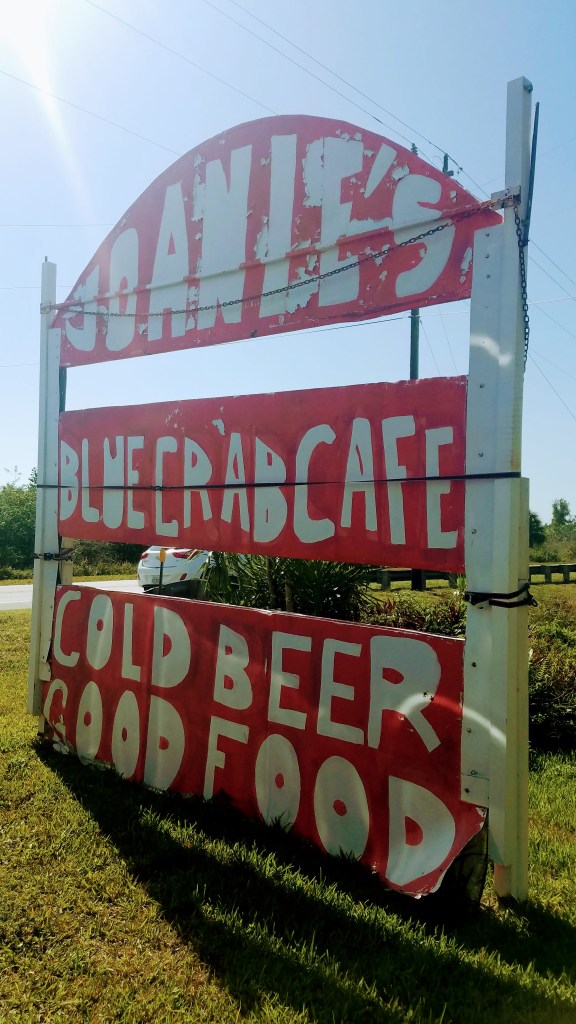
After the 15 mile bike ride, I was ready for a hardy lunch, and Joanie’s Blue Crab Cafe was an easy choice to make. As the oldest standing building in the Everglades, it’s no surprise that stepping into the cafe feels like stepping into old Florida. The kitschy decor, surprising menu items, and laid back atmosphere of the place is exactly what I wanted for my trip.
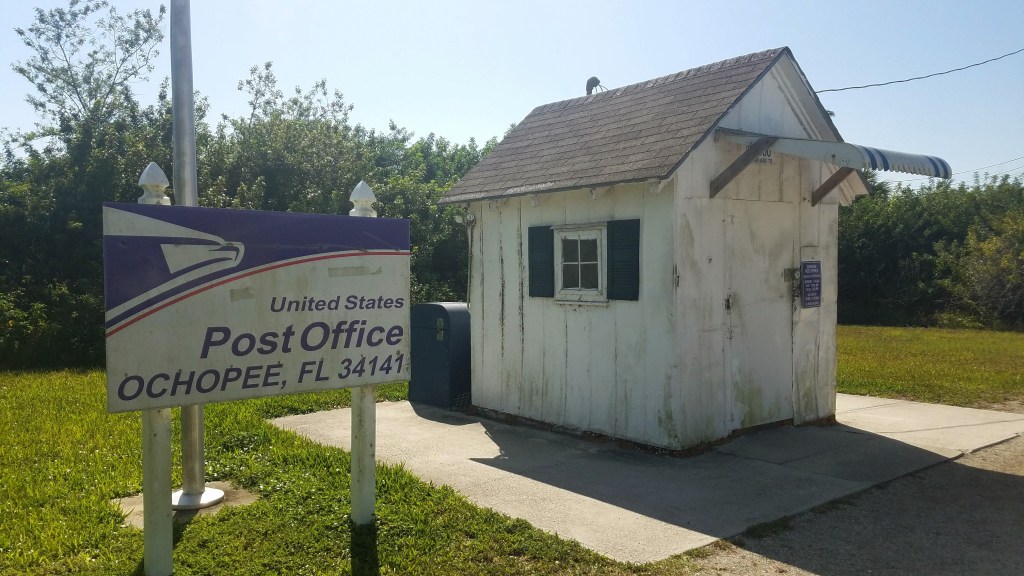
Just across the street is the smallest post office in the United States. After the original post office burned down in the 1950s, this 61.2 square feet storage shed was converted into the town’s post office and has served the area ever since.
 Mac On the Map
Leave a comment