
I’ve always thought of Lowell as an industrial city without much to do; however, last year I was drawn to the city for their annual Winter Fest, and I was pleasantly surprised by the history, culture, and food scene in the city.
Lowell was founded in the 1800s as the first planned manufacturing town with over 48 mills. Because many of the factories produced textiles, the city has earned the nickname “Spindle City”. Many of those mill buildings have been repurposed into housing, gallery spaces, and museums.
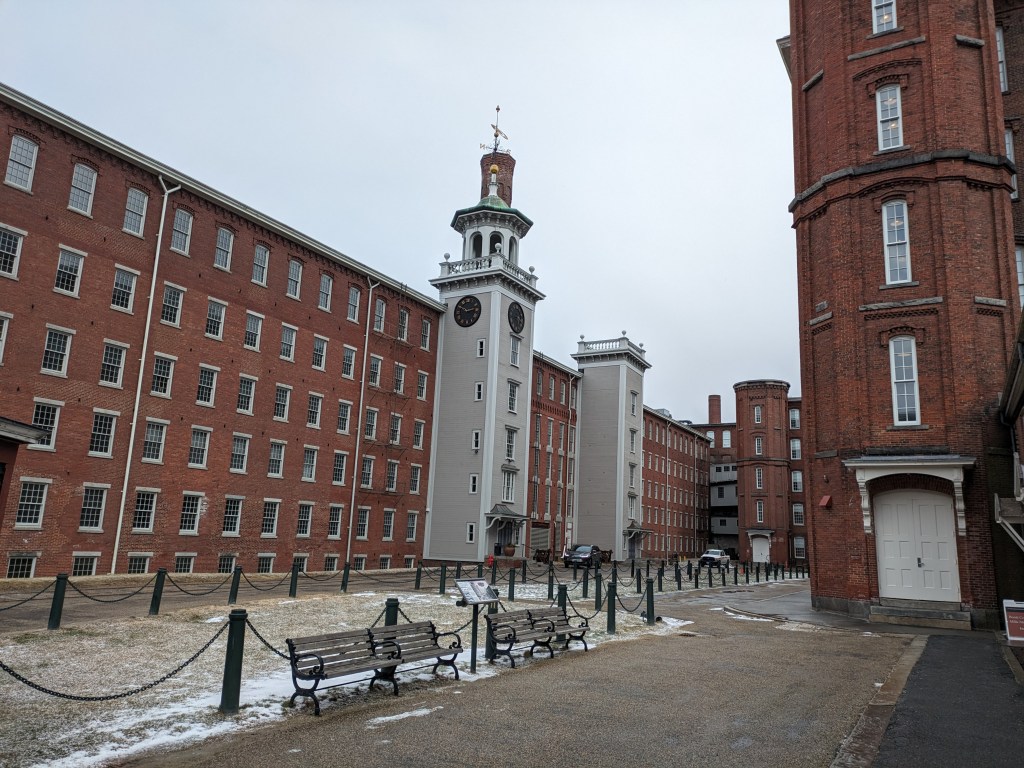
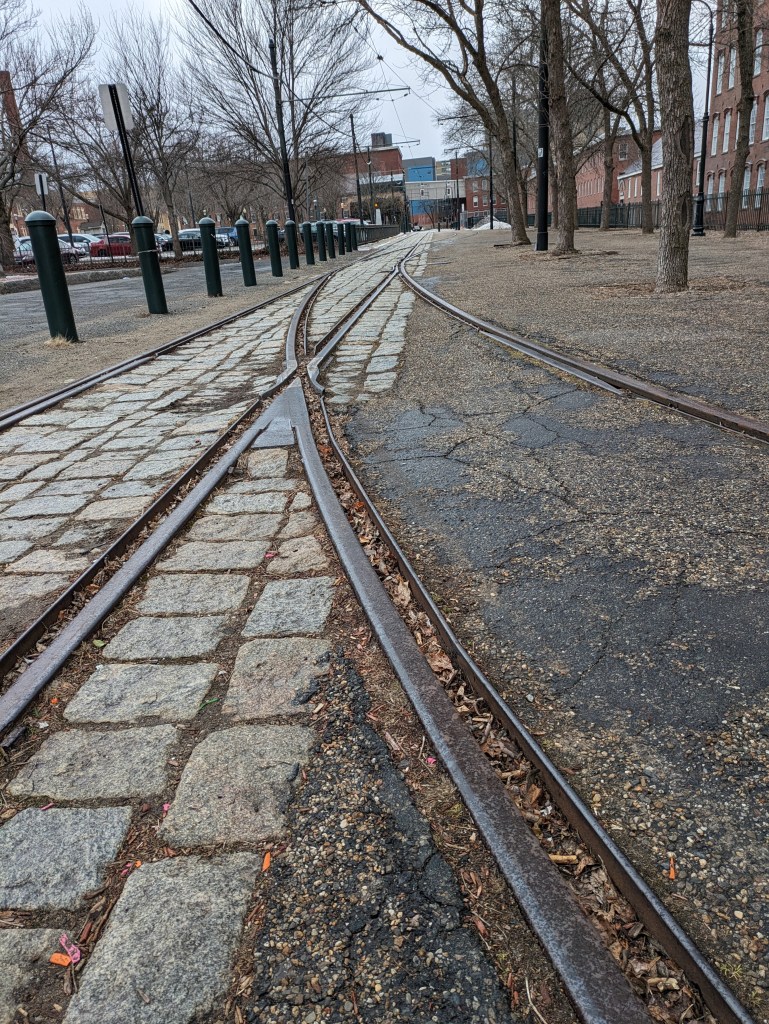
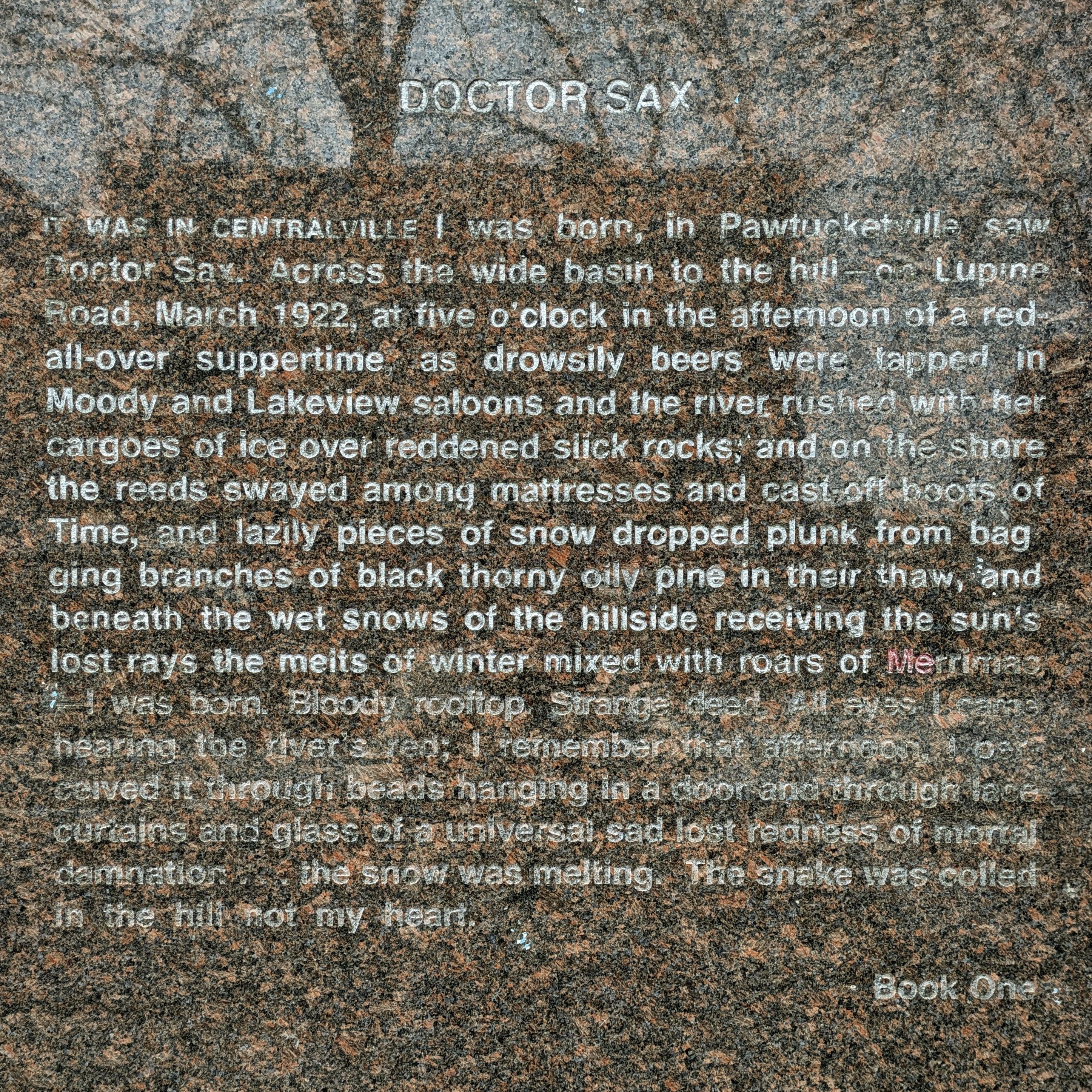
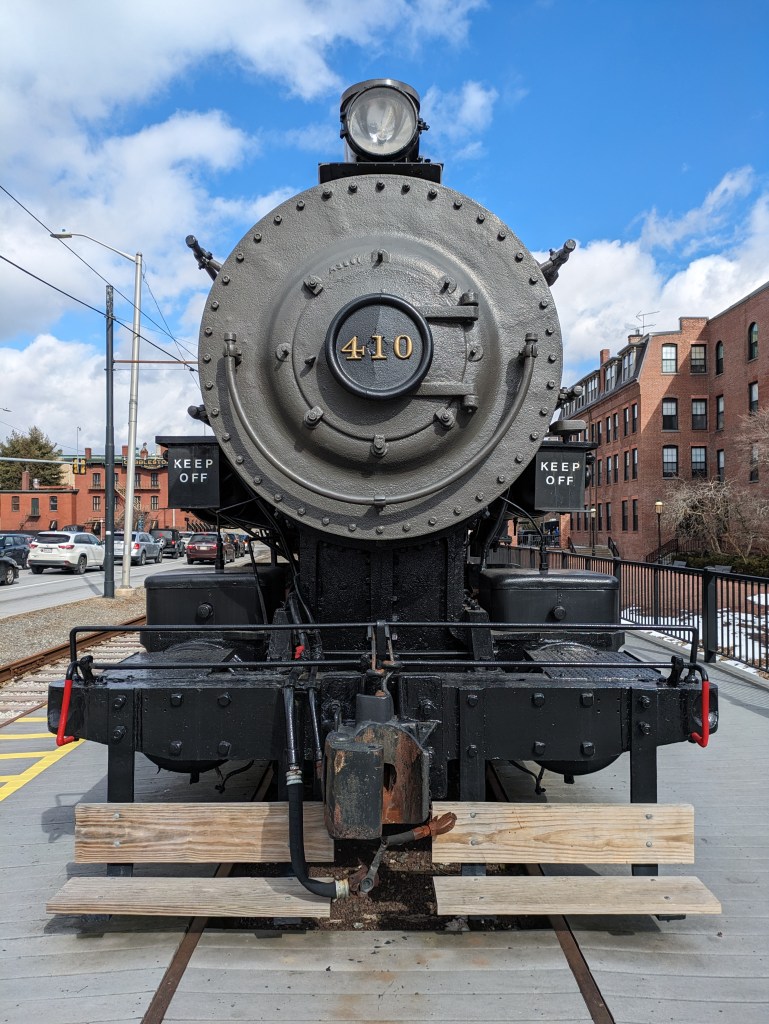
The raging Merrimack River made it easy for factories like the Boott Cotton Mills to garner power for their production line. While most of the building has been converted into condos, a section of the campus has become a museum. Part of the Lowell National Historical Park, Boott Cotton Mills tells the story of the industry, inventions, and life of the factory workers – specifically focusing on the Lowell mill girls. Aged between 18-30, immigrant and farm girls came to live and work in the Lowell factories. Their life was centered around the factory as they resided in the boarding houses next to the mill buildings. Informational plaques set around Boarding House Park tell the story of their residential life, strict expectations set for them, and their protests against these working and living conditions. The plaza also features original train infrastructure, including tracks and boarding areas.

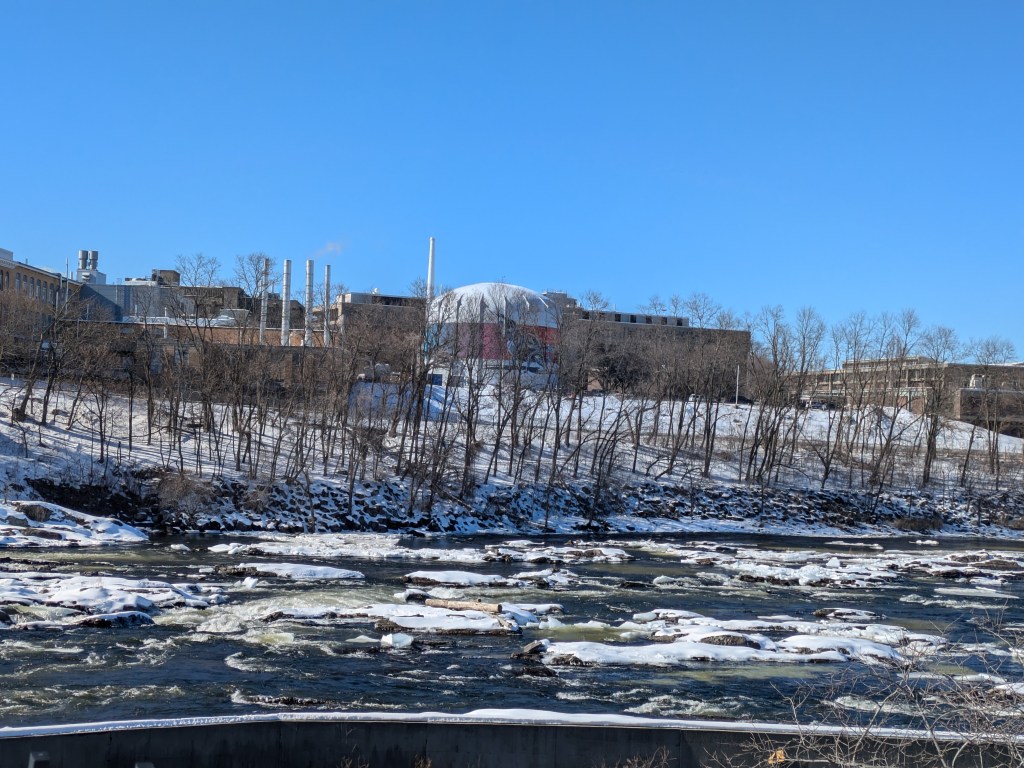
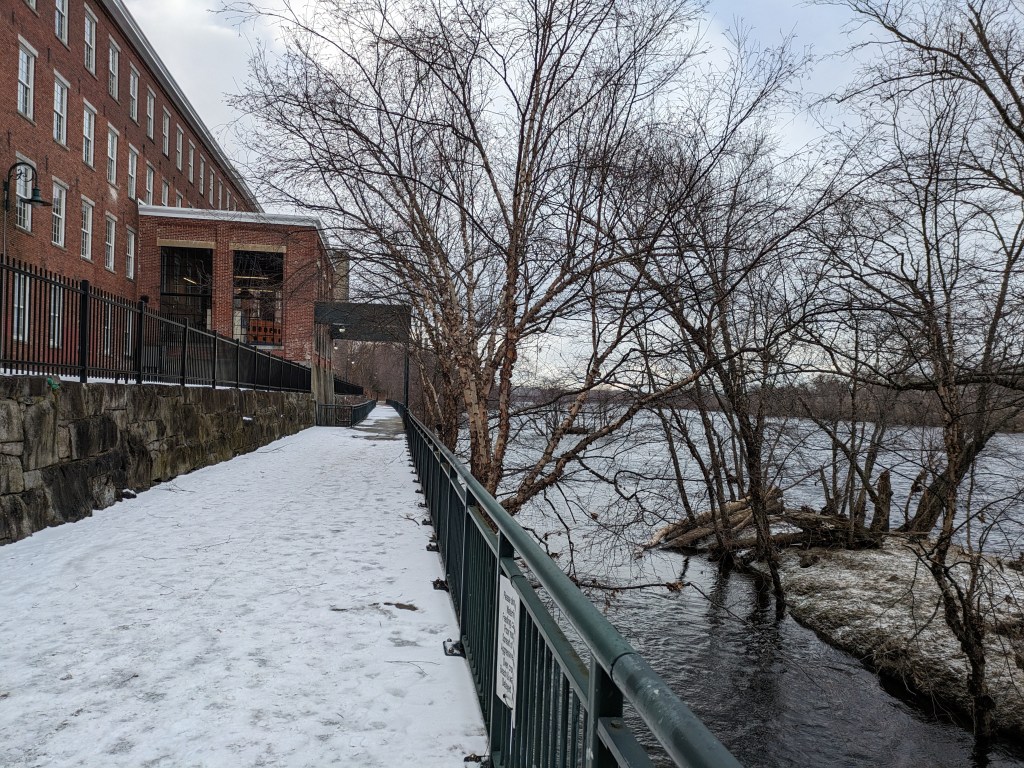
The 1.6 miles Lowell Riverwalk runs from the Boott Cotton Mills past the UMASS Lowell campus and around the corner to the Northern Canal. While I have only visited in the winter months, in the summer, the Great River Wall in the Northern Canal Walkway section of the trail allows walkers to walk in the middle of the Merrimack river to see the canal infrastructure close up. The pictures of this walk look really interesting, and supposedly the walk includes goats, so this is definitely something I look forward to checking out in the warmer months. I did see some bald eagles hanging out and flying around the river during my last walk, so whether it’s birds or goats, the Riverwalk provides wildlife viewing opportunities.
Next to Boarding House Park sits Jack Kerouac Park. Jack Kerouac was born in Lowell in 1922; he featured the places and people of the city in several of his novels. The park honors his literary and religious beliefs with a series of granite monuments engraved with excerpts from his writings. The city also hosts a three day festival called Lowell Celebrates Kerouac! each October with readings, music, and walks inspired by his legacy.
The historic center of Lowell is Middle Street. This cobblestone street is flanked by historic brick buildings on either side with a mix of offices, restaurants and art spaces. Just one block away is the National Park Visitor Center where factory parts and streetcar elements become art pieces. There are also interesting murals to see in the area as well as the streetcar on display outside of the National Streetcar Museum (I haven’t been inside this museum yet).

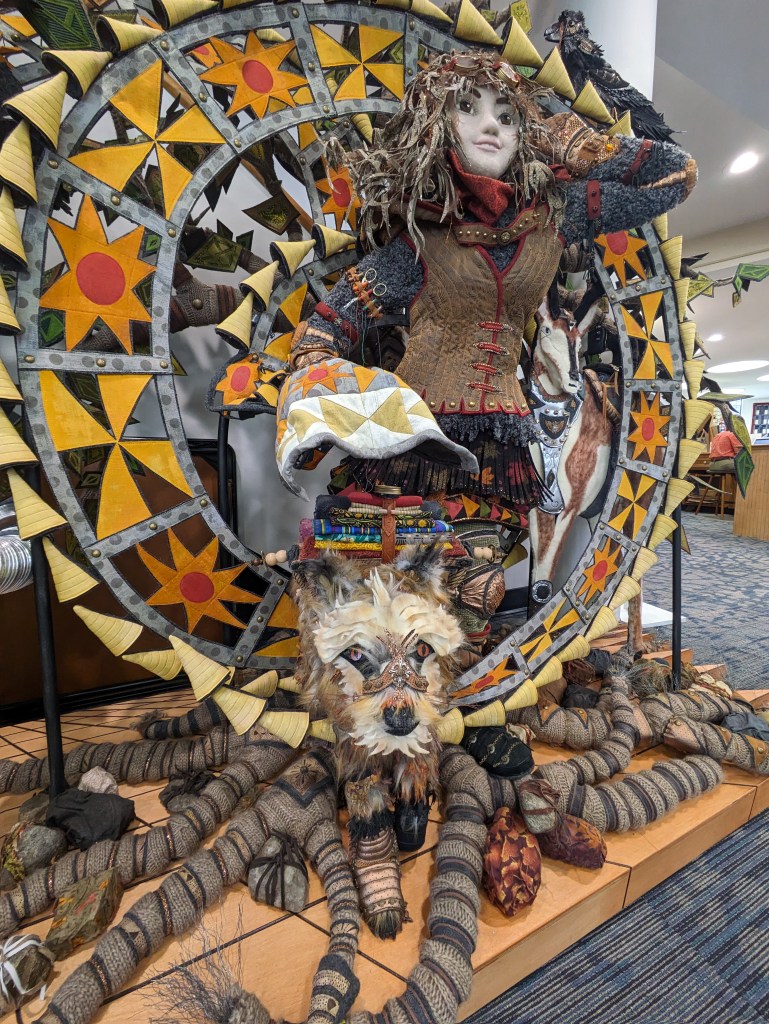
Situated at the end of Middle Street near the National Streetcar Museum, The New England Quilt Museum continues the story of textiles. The small museum showcases historic quilts from the 1800s as well as modern art pieces made from quilts. The large quilted sculpture in the gift shop grabbed my attention; the museum staff explained the concept behind the piece, and as I looked closer, more and more quilted elements came alive to tell the story.
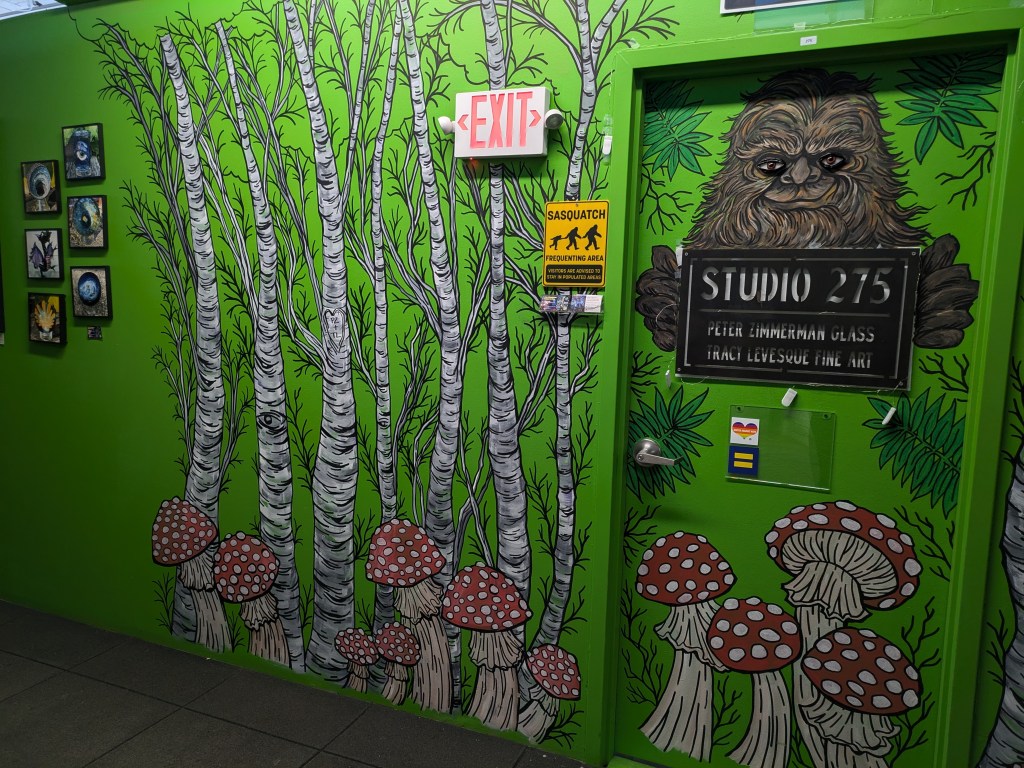
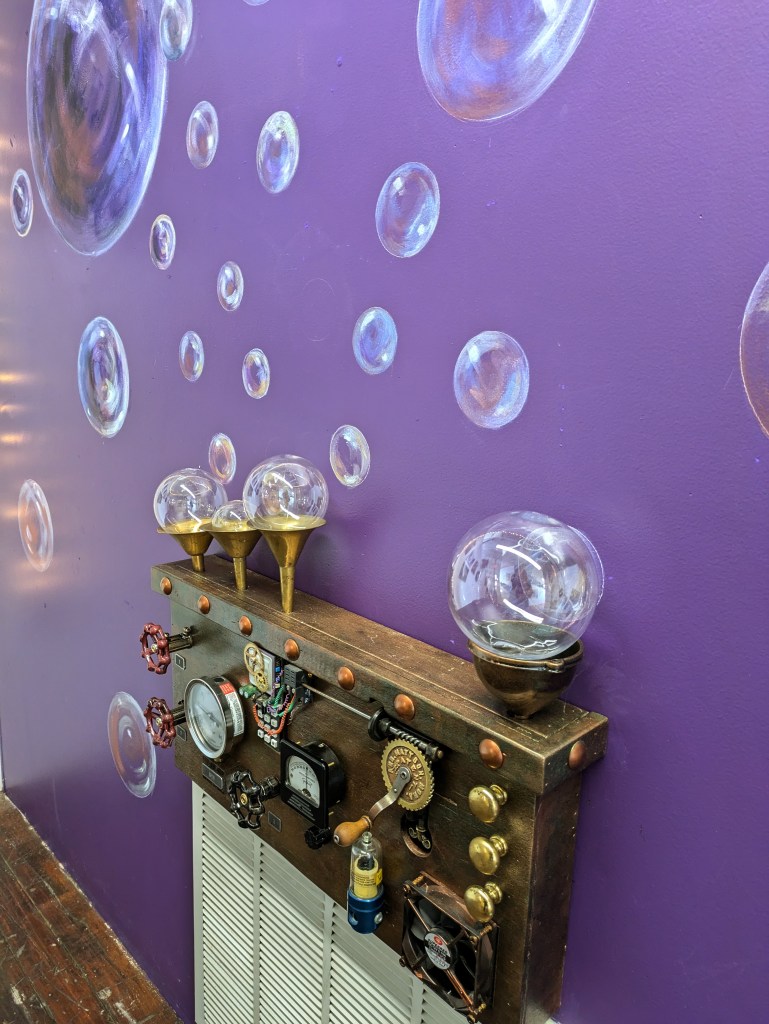
Situated near several great Cambodian and Vietnamese eateries (Lowell is known for its international food scene), Western Avenue Studios is home to the largest artist community on the East Coast. The five floor mill building hosts over 250 artist studios, Nibbana Cafe, Navigation Brewery, Loading Dock Gallery, and Taffeta Music Venue. They open their doors to the public with their Open Studios the first Saturday of every month. The hallways and doorways of the artist studios are just as much part of the studio experience as the art that is produced within them. There are sculptures hanging from the ceilings, murals adorning the walls, and sitting area vignettes throughout the building. Everywhere I looked there was art.


 Mac On the Map
Leave a comment