
Dublin is a vibrant city full of music, literature, history, and drinks. As an English major, I am very familiar with Irish authors like James Joyce and Oscar Wilde. Their presence as well as the history of the Irish struggles and triumphs is showcased throughout the city with tours, sculptures, and experiences.
I’m not one for formal tours, so the Talking Statues experience was a perfect way for me to explore the city at my own pace while still learning interesting information about the people that helped to build the city. Statues throughout the city have QR codes on them that once scanned, your phone rings. Answer it and you’ll listen to the person recount their personal opinions of the history, people and lifestyle that made up their world. Some are serious, others funny, but all give a little more insight into what it was like to live in this city. The statues take you through the heart of the iconic spots in the city, including down the wide and bustling O’Connell Street and into the majestic Trinity College courtyard.
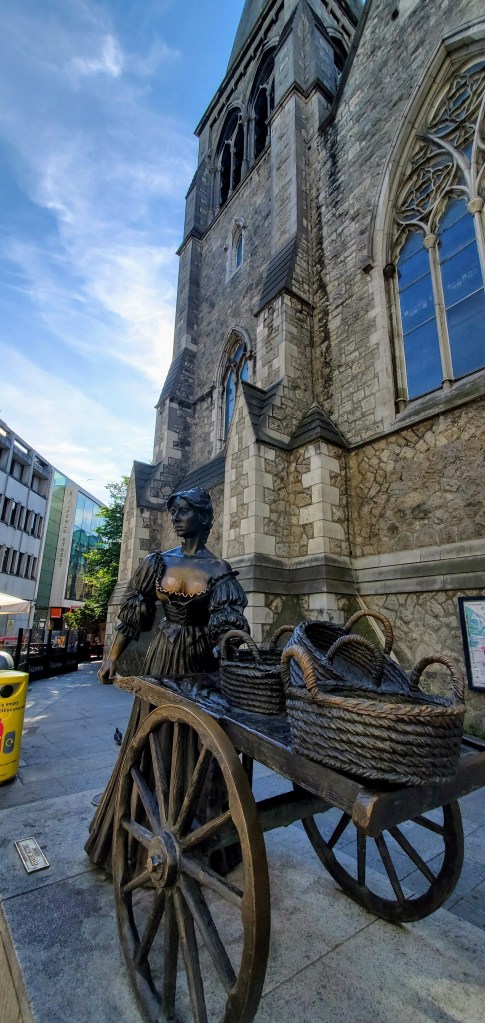
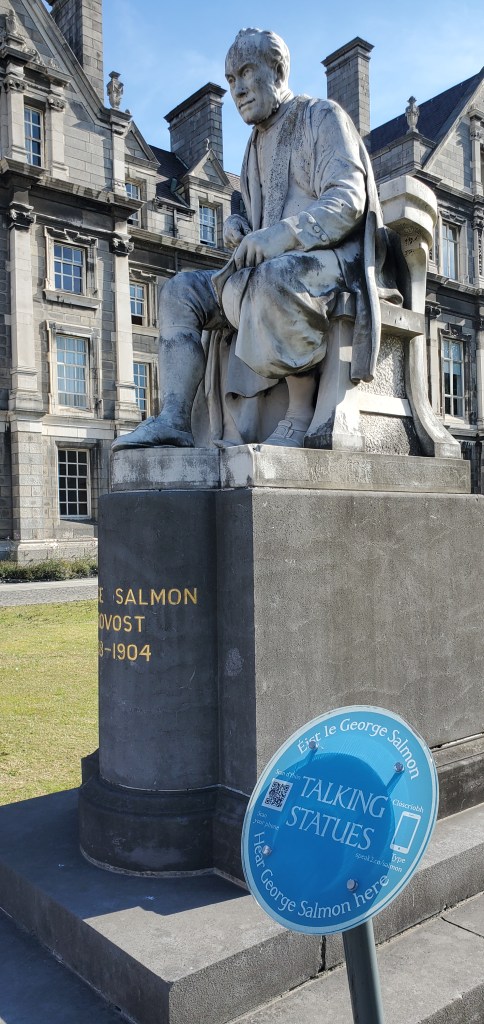
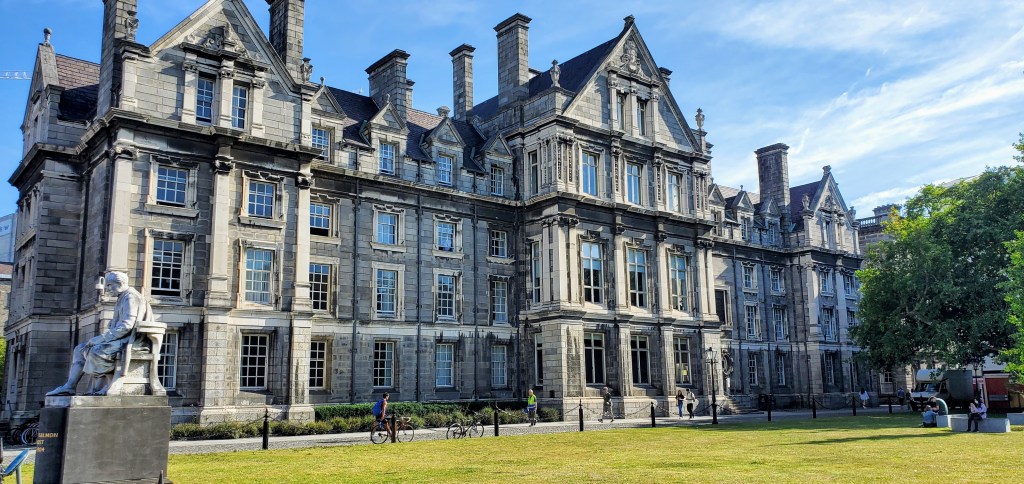
From the Book of Kells, created by Celtic monks around 800 AD (on display at Trinity College) to the multiple statues honoring 20th century writers, Dublin prides itself on its literary and cultural history. Mentioned in James Joyce’s 1922 Ulysses, Sweney’s Pharmacy, is another one of these odes to Dublin’s literary past. While the former Victorian era pharmacy has been reimagined into a new and used book store, the volunteers who run the shop maintain the romance of 1850s Joycean Dublin through daily readings of his works, displays of old pharmacy bottles on the shelves, and the selling of the famous lemon soap that Leopold Bloom purchases.
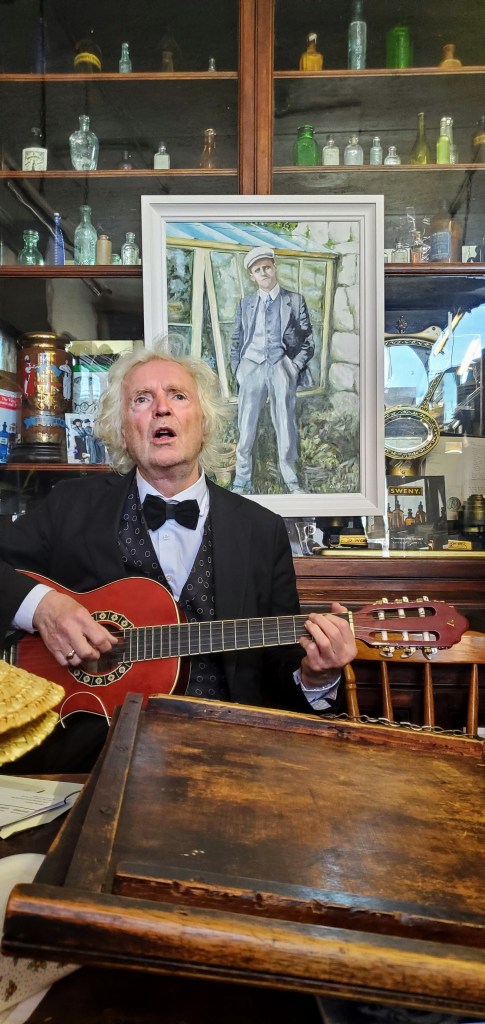
While Dublin has several large museums, to get a more local experience, I checked out the Little Museum of Dublin. Housed in a three story historic home across from St. Stephens Green, the Little Museum of Dublin showcases the quirky and cultural past of Dublin. Rooms are filled floor to ceiling with mementos of the past, and the tour guides (can only visit with an official tour) point out some of the more unique pieces in each room. The museum considers itself a people’s museum, meaning that it focuses on the people that helped make Dublin; as such, there is a whole room dedicated to the rock band U2 (a nice nod to my childhood).
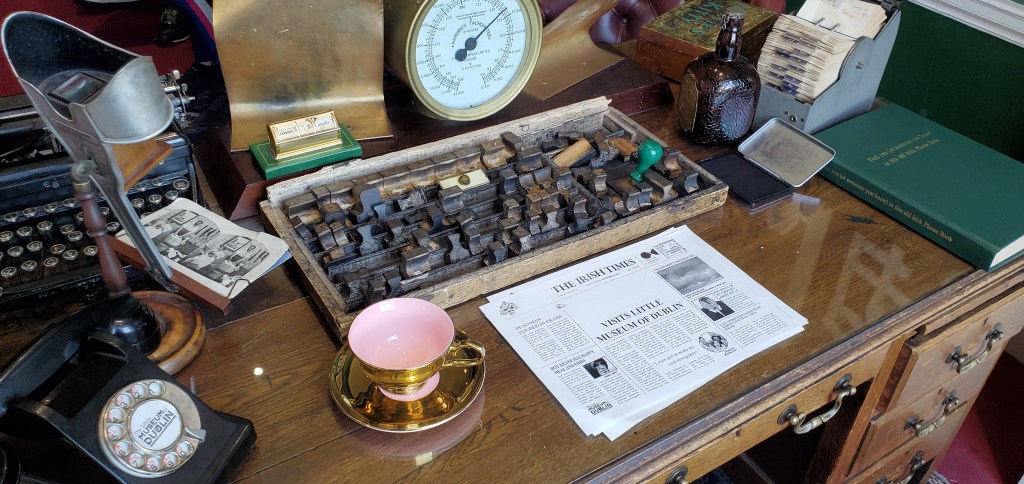
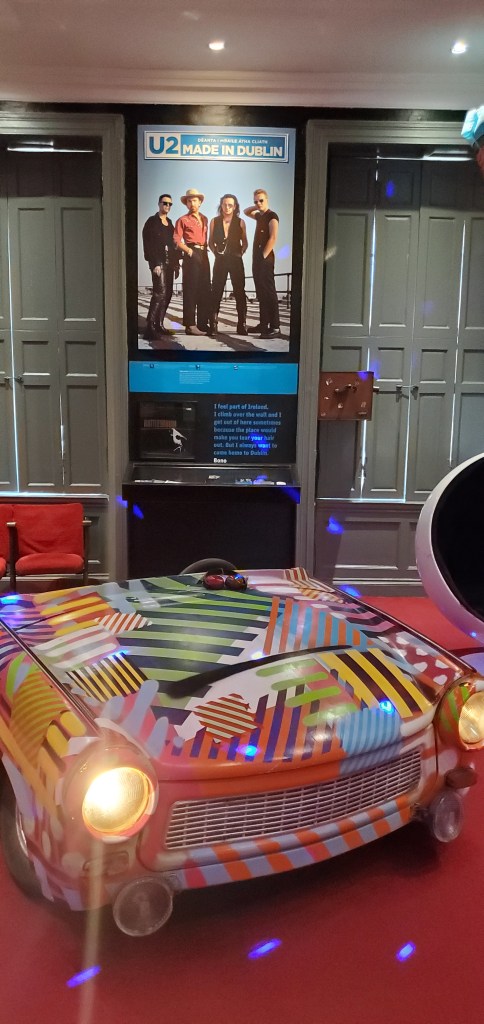
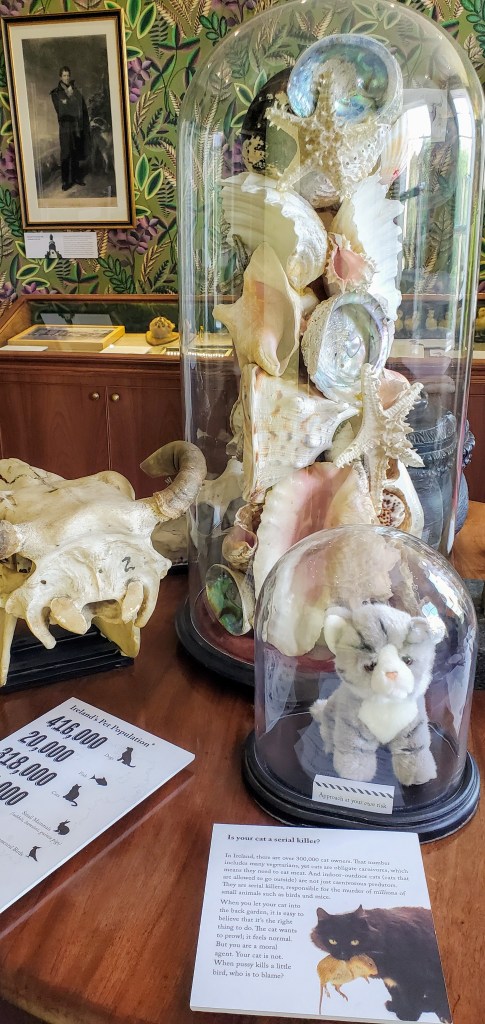
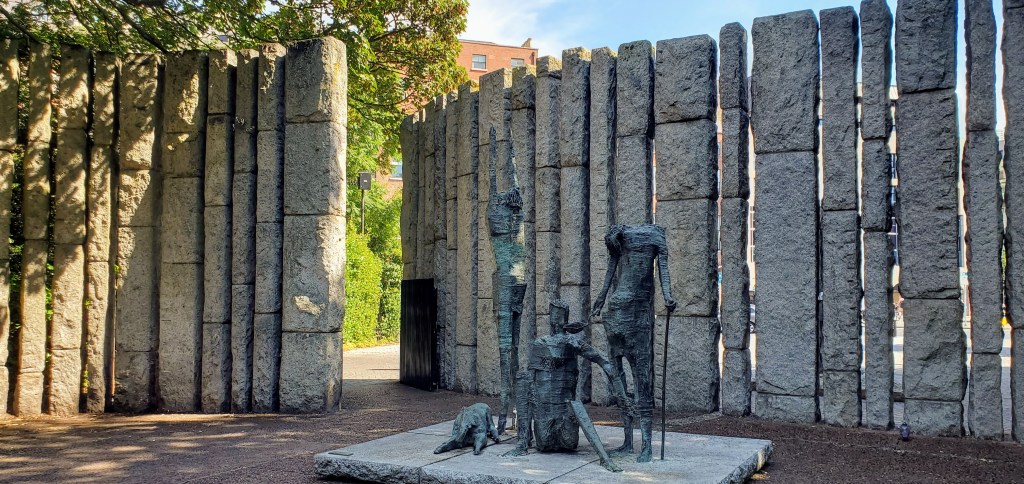
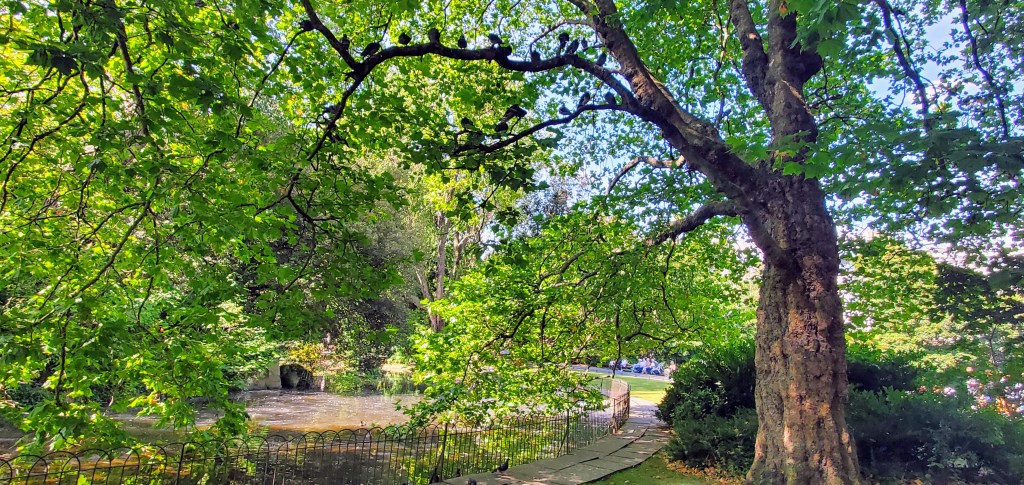
Just across the street is St. Stephen’s Green. This Georgian square is a quiet green oasis in the bustling city. Once a private park, Sir Arthur Guinness helped to transform this into a public park in 1880. At each entrance to the park is a sculptural moment highlighting different aspects of the city: from a collection of sculptures honoring W.B Yeats to an art installation about the Irish famine. The interior of the park offers three acres of shaded paths, water features, and benches, and bridges, waterfalls, and fountains add architectural beauty to the space.
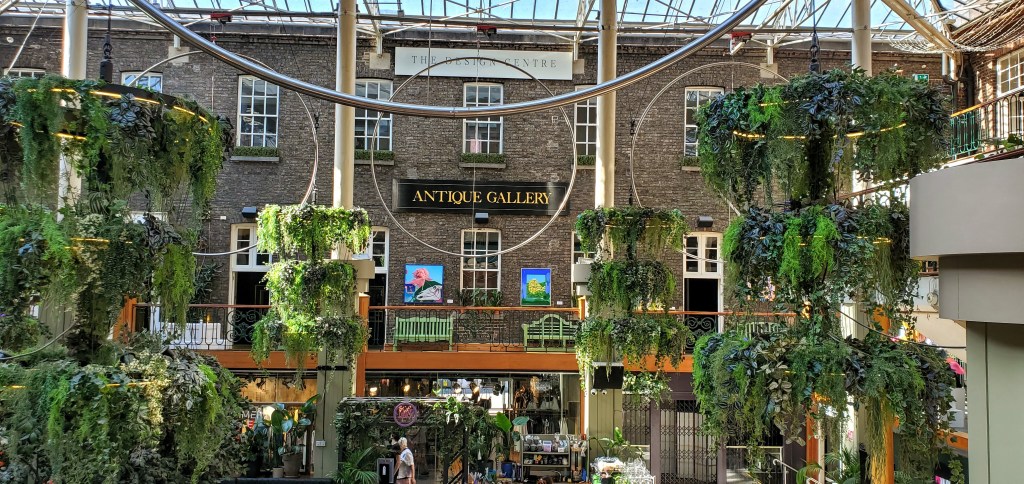
While I don’t usually go to indoor shopping malls during my travels, I was drawn to the flower covered multitiered facade of Stephen’s Green Shopping Centre. Inside this greenhouse designed space is a three story atrium. The architectural details of the building, hanging planters, and the ceiling were beautiful and many of the vendors matched the building with well curated and laid out wares. I enjoyed walking around and window shopping.
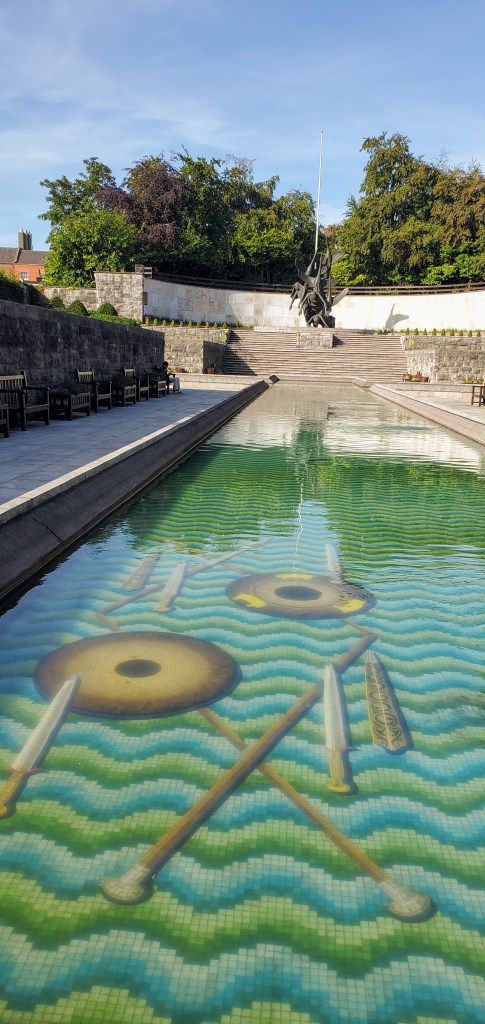
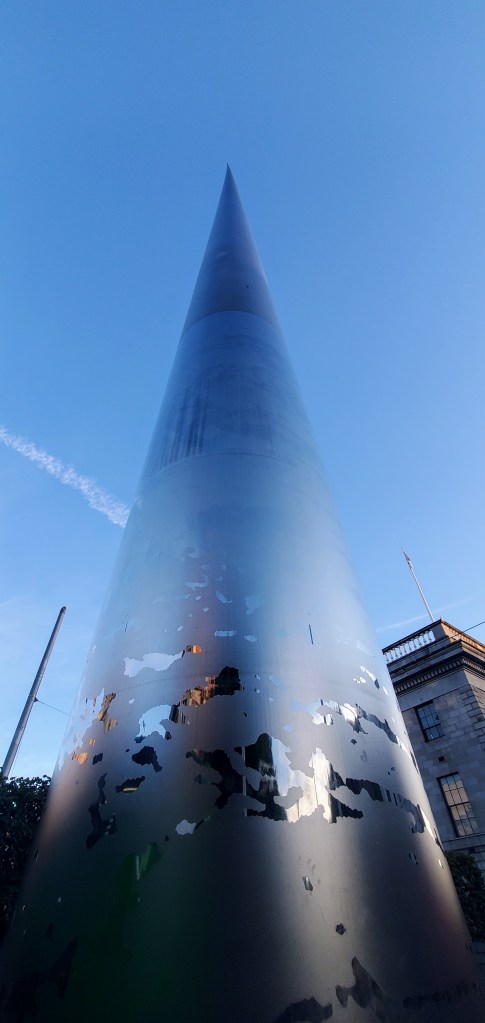
Sculptural pieces throughout the city add both interest and history to the city. The Garden of Remembrance with its painted fountain commemorates those who gave their lives for Ireland’s freedom, the Famine Memorial with its haunting statues remembers the one million people who lost their lives to starvation, and the Monument of Light with its 120 meter tall spire marks the site of the bombed Nelson pillar.
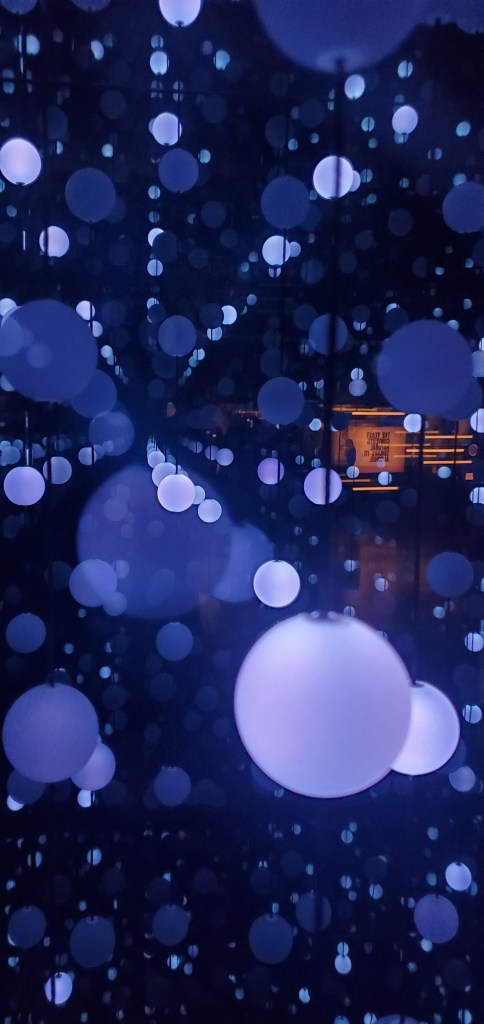
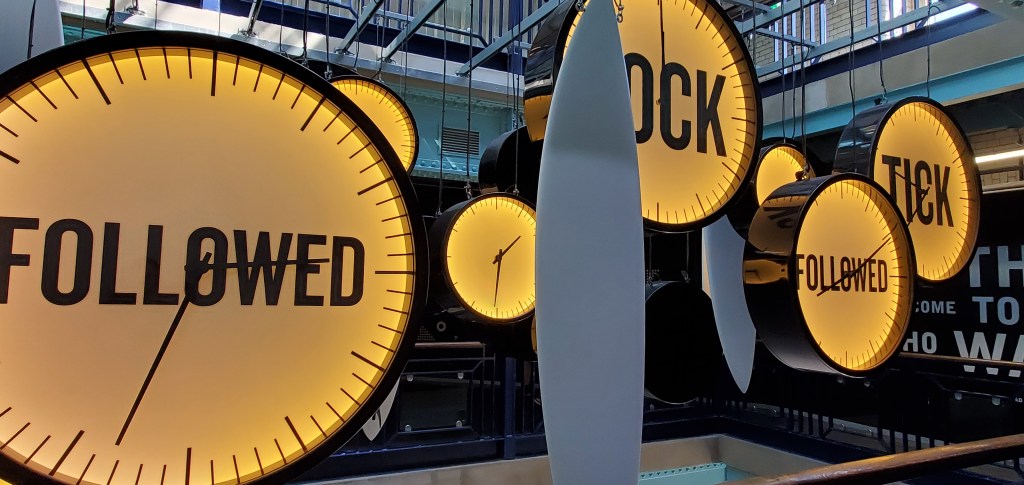
While I had my first Guinness just a few days earlier, I was told that the Guinness Storehouse was worth more than just the free glass of Guinness at the end. Set outside the main city center, the Guinness Storehouse is a destination in itself. While the tour tells the story of the Guinness company, it also serves as an art installation. Large murals, light shows, multi level mobiles, interactive statues, and smelling rooms satisfy the senses. The tour is just as much about the product as about the culture surrounding the product and the advertising/brewing industry.
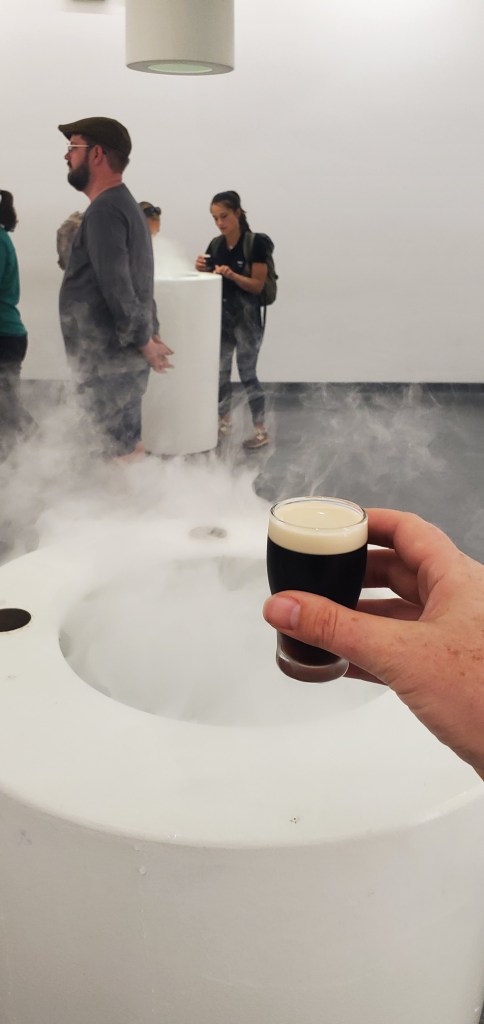
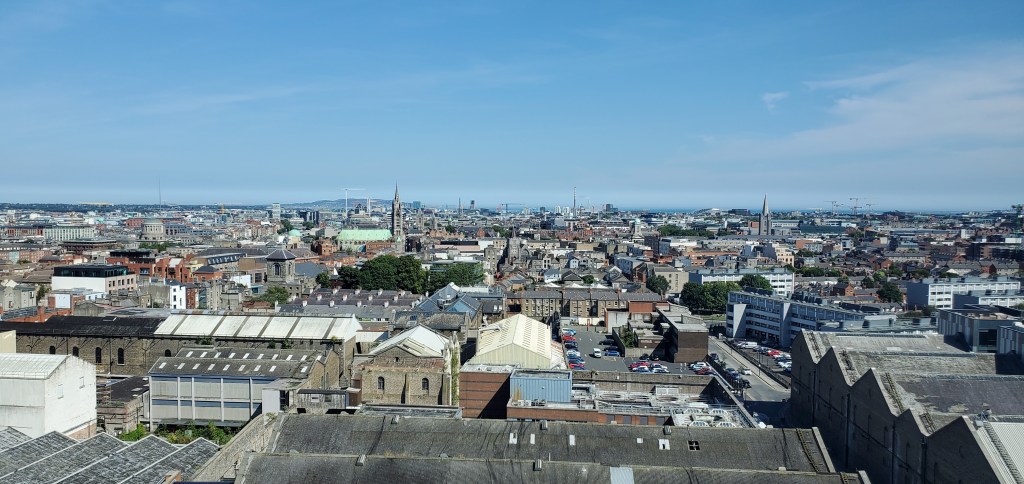
At the end of the tour, guests are invited up to the rooftop Gravity Bar to enjoy a pint of Guinness. The rooftop provides a 360 view of Dublin and the suburbs beyond.
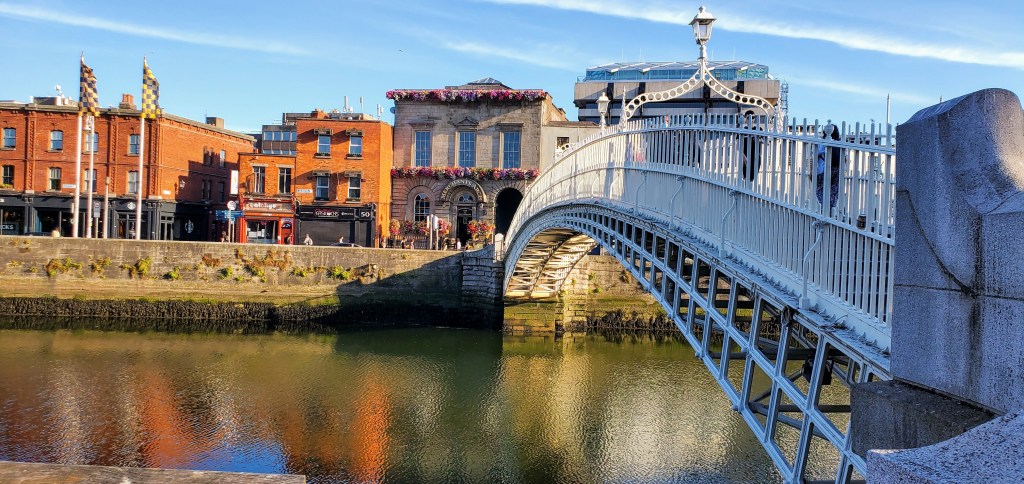
Walking around thc city of Dublin is an event in itself. Old meets new with the architecture and amenities. I enjoyed turning the corner to see a grand church facade or an ornate bridge. On my walk to the Temple Bar area, I crossed the Ha’penny Bridge. While its official name is the Liffey Bridge as joins the North Quays to Temple Bar across the Liffey River, the nickname Ha’penny nods to its history. Built in 1816, it was an original a toll bridge where the cost to cross was a half penny.
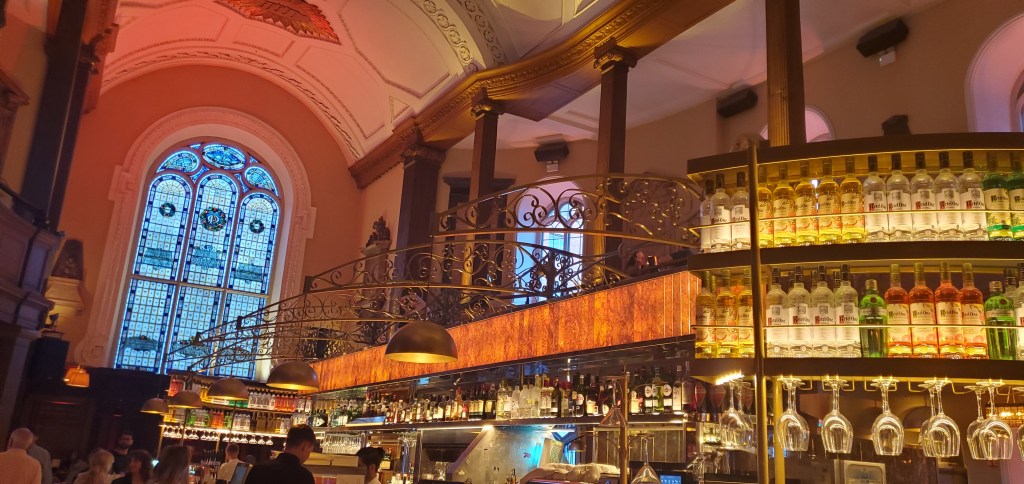
Almost every pub I entered to take a break or have a drink was an experience. From the Church Cafe, where they repurposed St. Mary’s Church (the site of Sir Arthur Guinness’ marriage to his wife Mary), to The Living Room, which housed a large indoor beer garden set up for watching sporting matches (it sadly closed earlier this year), each place came alive.
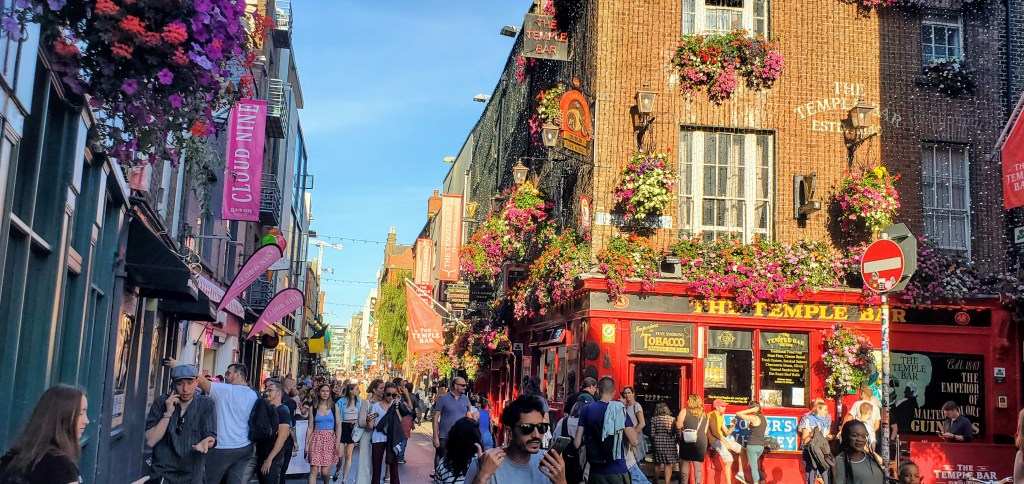
The Temple Bar district is alive any night of the week (I was there on a Tuesday night). This is where I ended my busy day in Dublin. Surprisingly, some of my friends from home arrived in town that night, so I met up with them for dinner and a night out. I was happy to have company to take in the lively street and pub scene here. While it took us a while to find an open table, we enjoyed walking through the cobblestone street and sneaking a peek at the murals and outdoor decor down each of the alleys.
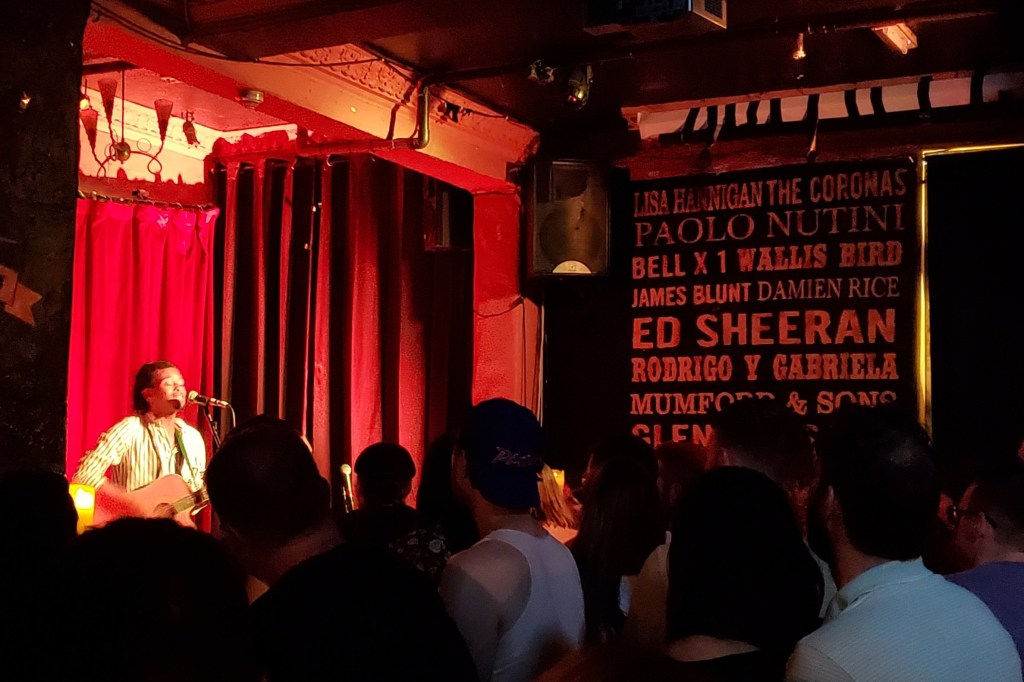
Our night ended at the Ruby Sessions at Doyle’s Bar. Hosted every Tuesday night, The Ruby Sessions showcases three acoustic music acts. The space is intimate and the music is varied. When I travel, I try to find places like this – places that allow me to get a taste of the music scene; places that allow me to feel connected to the culture. It was the perfect way to end my trip to Ireland.
 Mac On the Map
Leave a comment