
Instead of worrying about figuring out the ticketing system for each part of my day, I decided to buy a 1 day transit pass. With this in hand, I set about to see sights just outside the old city of Munich. My home base for my visit was in Sendlinger Tor; since it is walking distance from all the tourist sites in the center of Munich and provides access to the busses, trams, and underground trains, it ended up being a great location.
I started my day with a short train (S1) and bus ride (726) to the Dachau Concentration Camp Memorial Site. About 25 minutes north of Munich, via the S1 train and 726 bus, the memorial site was easy to access.
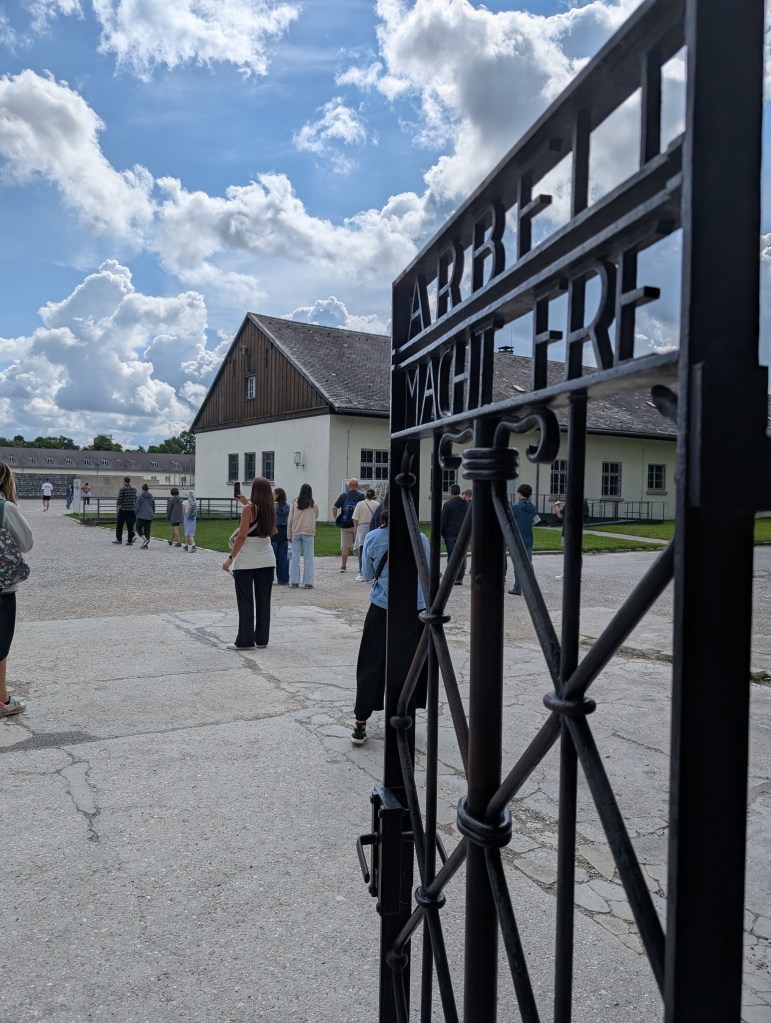
The Holocaust is one of our unimaginable atrocities as a human race. Having learned about it in school, seen Elie Wiesel speak in college, taught it through texts like Art Spiegelman’s Maus, and visited the Holocaust National Museum in Washington DC, I had seen and heard some of the devastating stories of human suffering the victims of the Holocaust endured both inside and outside of the concentration camps. I didn’t know what to expect standing on the site where more than 200,000 people were held prisoner and over 40,000 ultimately lost their lives.
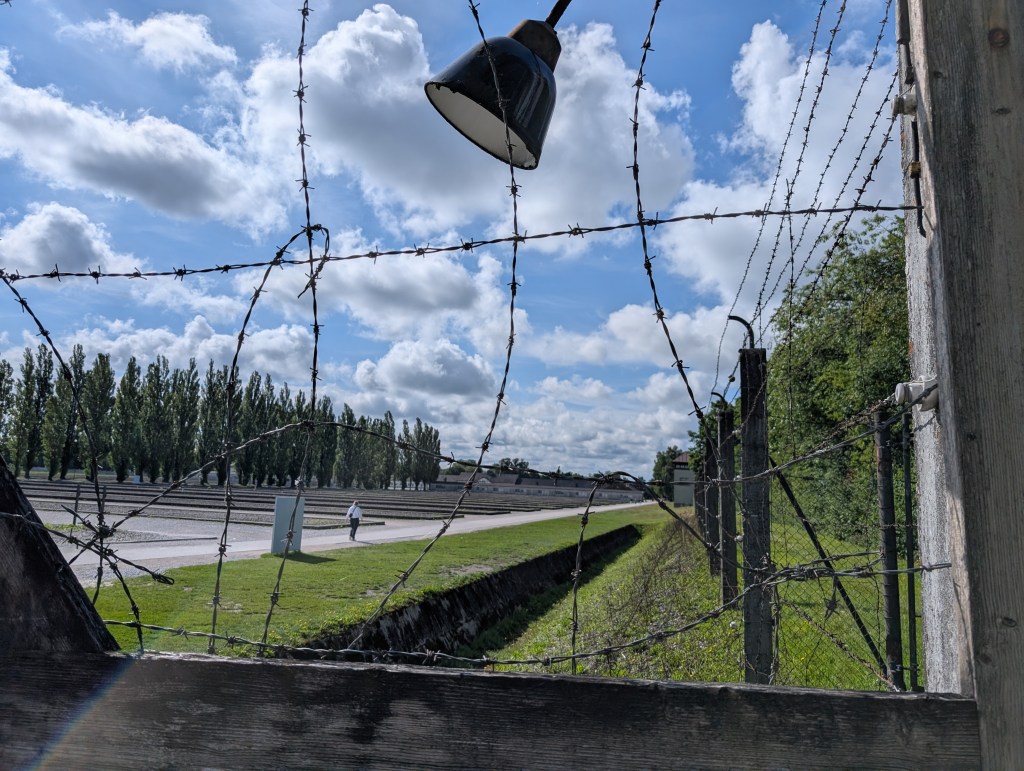
Opened in 1933, Dachau was one of the earliest concentration camps and became a model for other camps to follow. Soon after the camp was liberated in 1945, most of the original buildings were destroyed. Others have since been stripped down to their bare bones. The starkness of the spaces aptly conveyed the harsh life and death the prisoners suffered at the hands of the SS. With informational plaques in each building and audio guides that explained factual information about the use of the buildings, SS practices, and life for the prisoners, the rest was left to the imagination, which was enough for me. An additional element that I wish I had access to was the selection of audio stories told by survivors that were available in their original language via the audio guide.
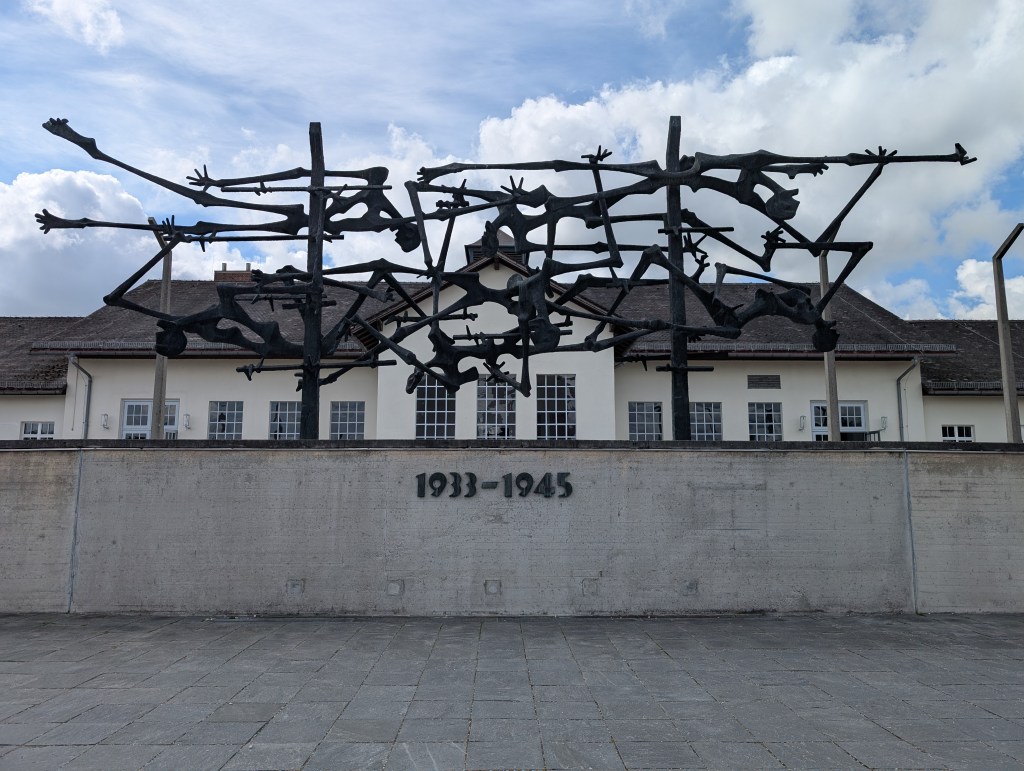
Besides the prison buildings, the majority of the site is a series of rectangular rock gardens that represent each of the 30+ bunkers that were once on site. The lack of the structures actually allows the eye to visually take in the number in a way that actual buildings would not. This combined with the fact that up to 2,000 people were held in each one, again forces one to calculate the unfathomable loss of life.

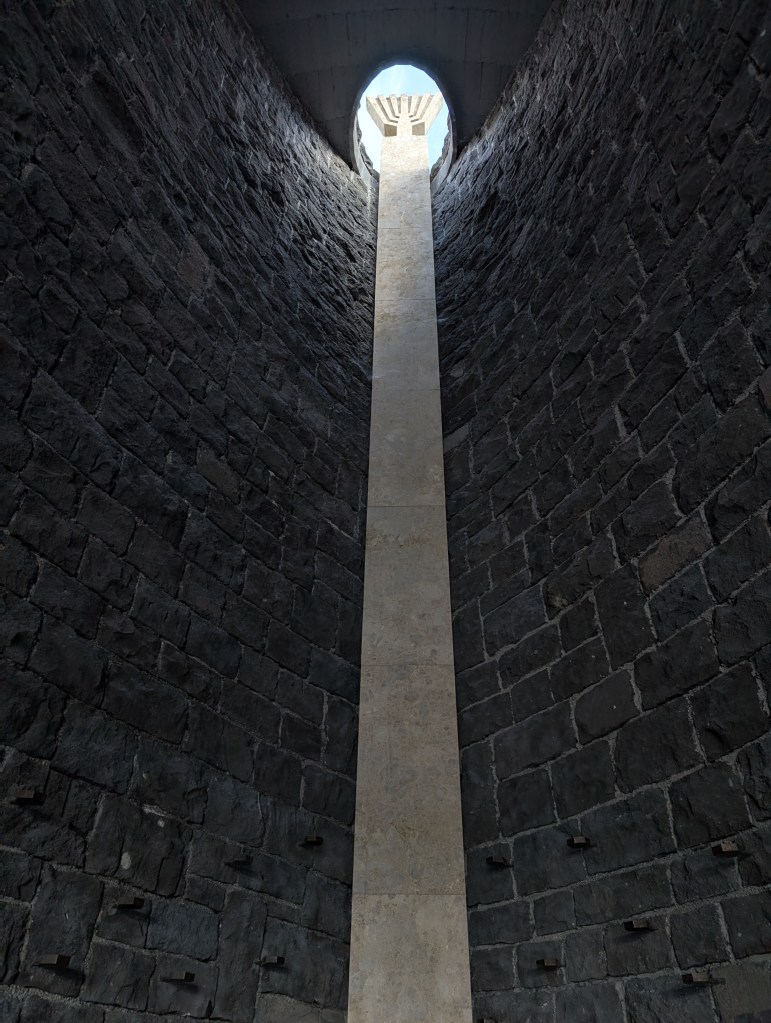
The site has become a place for people to not just remember, but also heal; five religious denominations have built structurally interesting and unique places of worship on site.
My next stop was in sharp contrast to the stark devastation of Dachau. I took the bus (726) back to the Dachau train station and rode the S2 train to Amalienburgstrabe where I transferred to the 17 tram. This dropped me off just outside the main canal and driveway leading to Nymphenburg Palace.
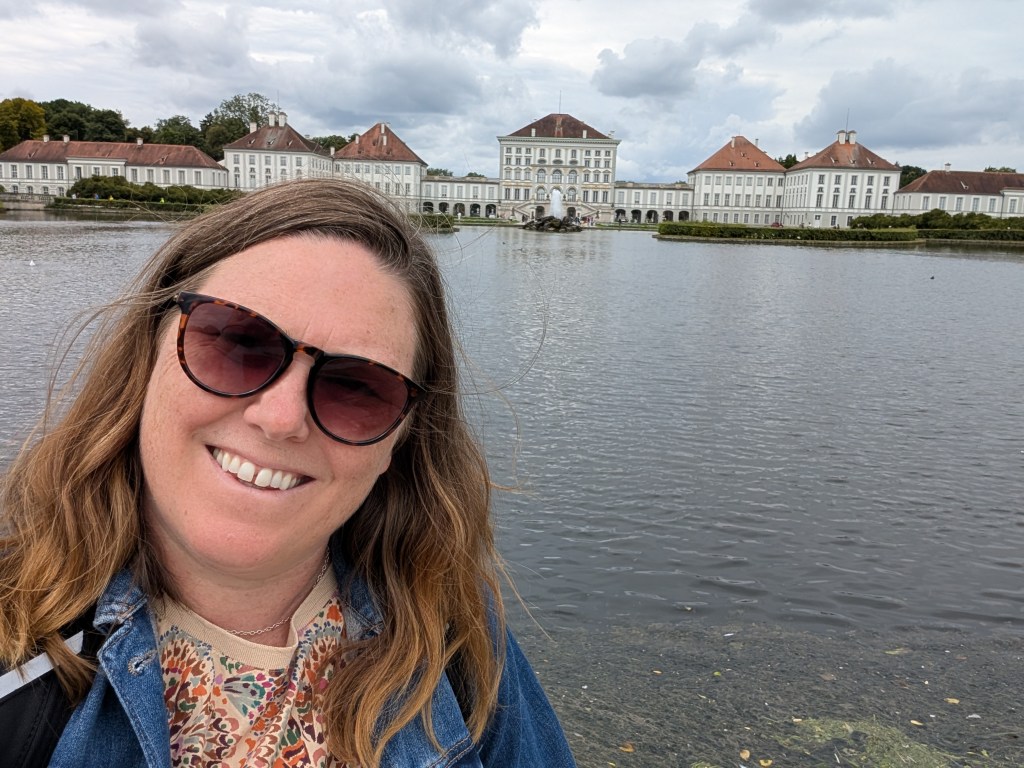
Schloss Nymbhenburg was the summer house for the Kings of Bavaria in the 18th century. The original baroque style house was built in 1679 by Ferdinand Maria, and over the next two centuries rococo and neoclassical elements were added to it making it one of the largest palaces in Germany.
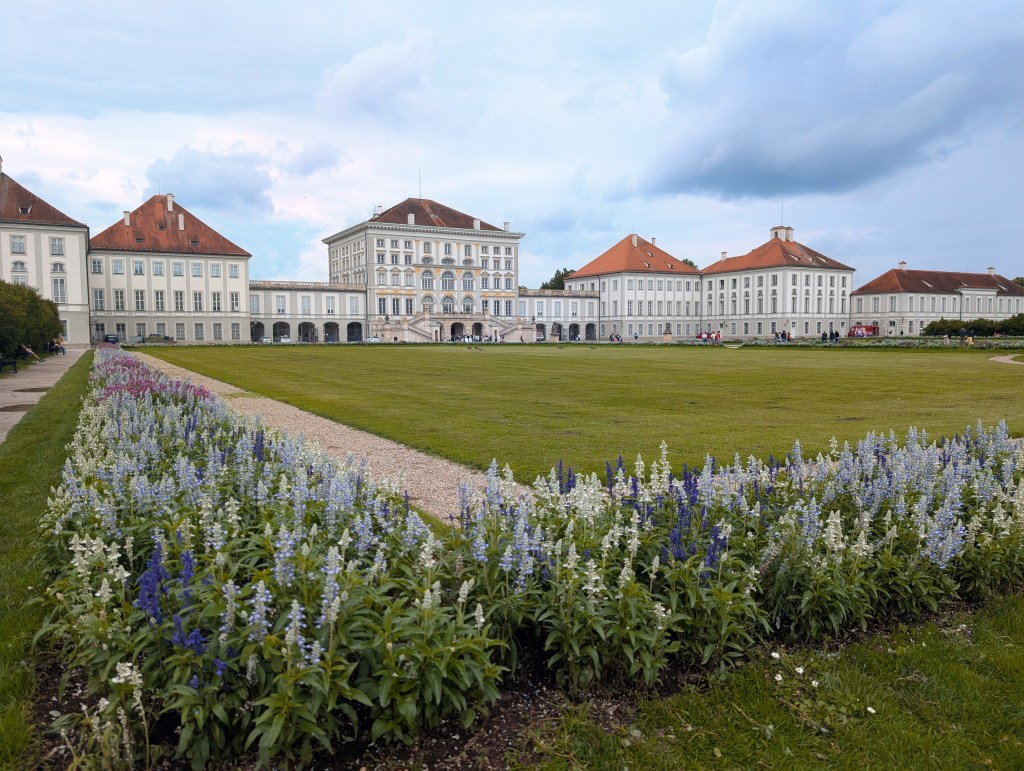
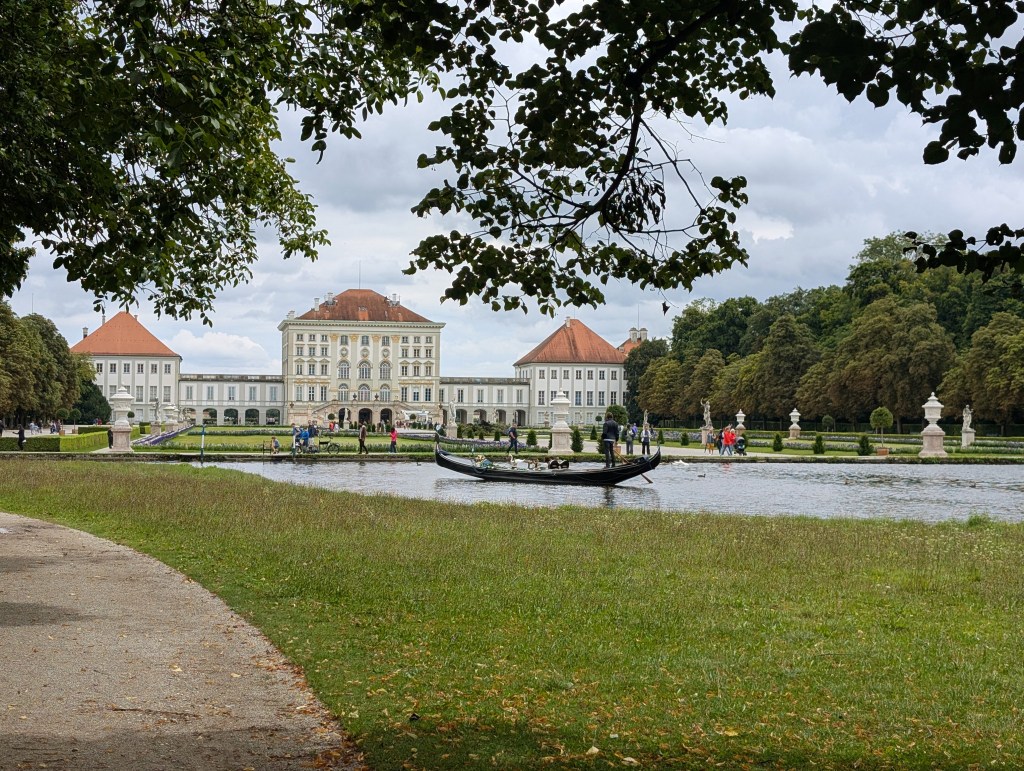
Behind the main palace the grounds extend in all directions. While most people stick to just the formal English garden in the center of the park, the wooded trails on either side offer a nice walk along streams, by other small buildings, and sculptural elements. Locals use this 180 hectares (444 acres) park for daily walks and runs.

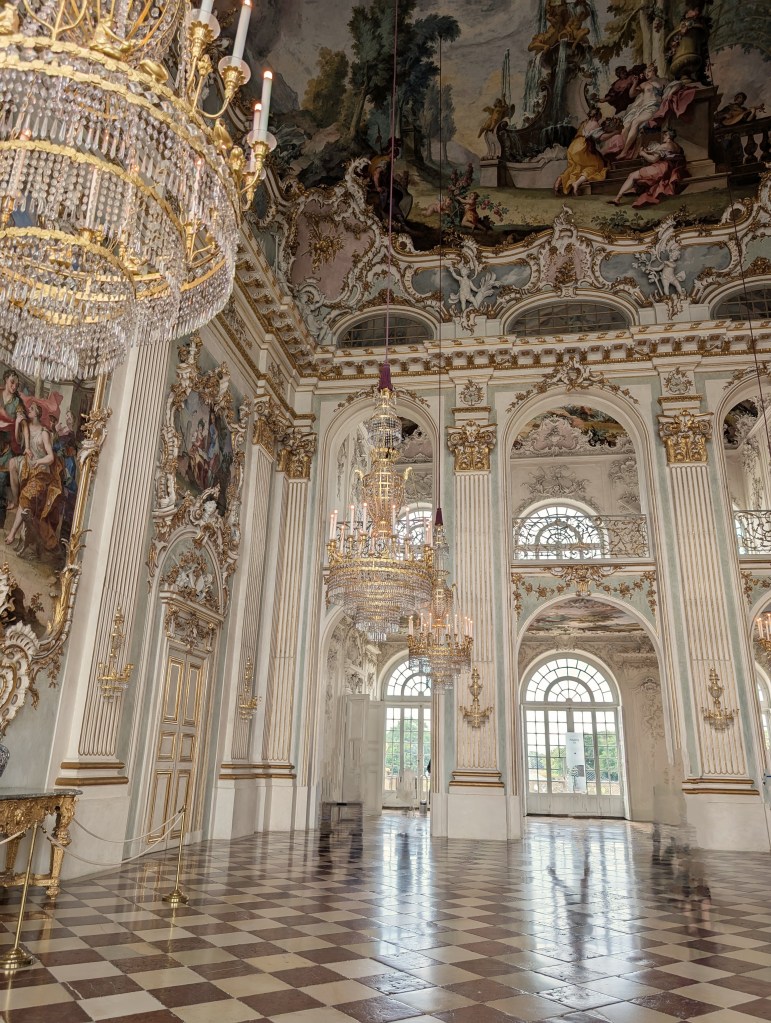
For 10 Euros, I checked out the 2nd floor palace rooms. The first sight of the Great Hall was breathtaking. Bright light filtered through the large arched windows at either end of the hall. Colorful frescoes decorated the ceiling and walls and large crystal chandeliers glittered in the light.
On either side of the grand hall were a series of about 5 rooms connecting to a side hallway. Each room was decorated in a different color with painted ceiling murals, large portraits on the walls, and information about the family that occupied this space.
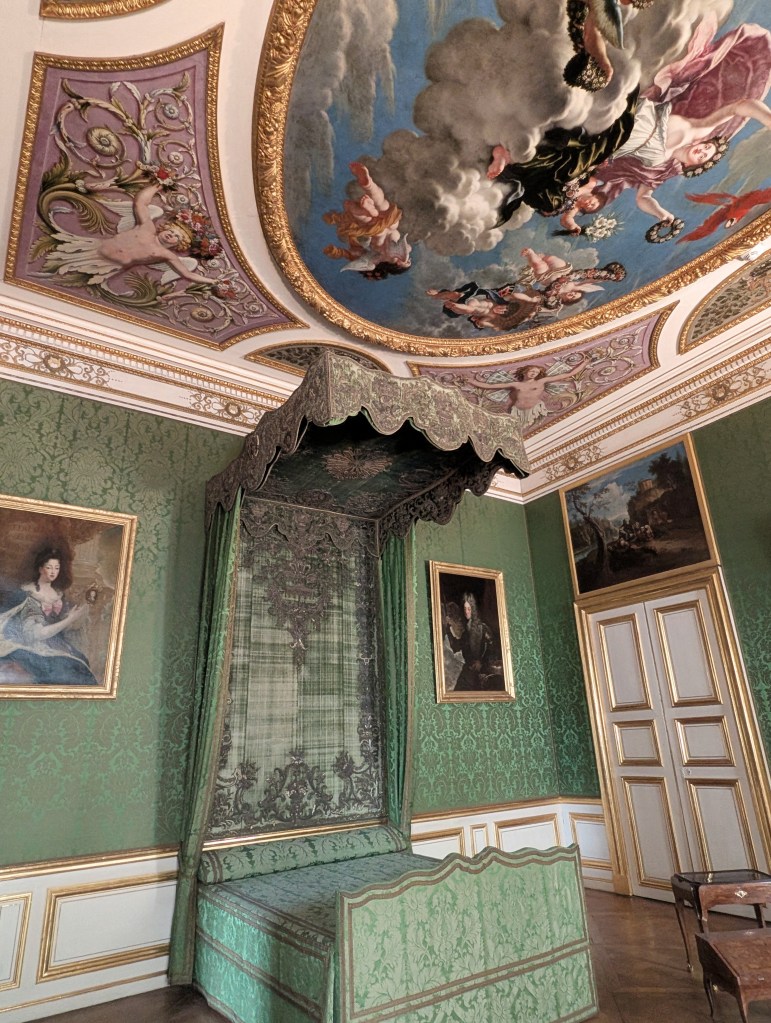
The 17 tram ran right from Nymphenburg Palace to Sendlinger Tor, so I took this opportunity to take an afternoon nap before heading in the opposite direction later in the day. The 62 bus took me to the next three locations.
When searching for events happening during my stay, I came across Auer Dult. This annual traditional fair, which has been held since 1796, is one of the three that happens throughout the year. According to the German couple I met at the fair, this one is the best of the three because it offers more everyday wares to buy and better food.

With over 250 merchants, the fair did seem to have it all. One section felt like any other carnival I’ve gone to with rides and typical carnival food, but on the other side was a maze of stalls offering everything from antiques to garden decorations, pottery to kitchen gadgets, mead wine to grilled fish, and everything in between. One of the things I have enjoyed about Munich is the use of glass containers. Even at a fair, beer and wine are served in glass containers. Despite the festival environment, people seem more civilized than I’m used to, and I enjoyed that vibe.
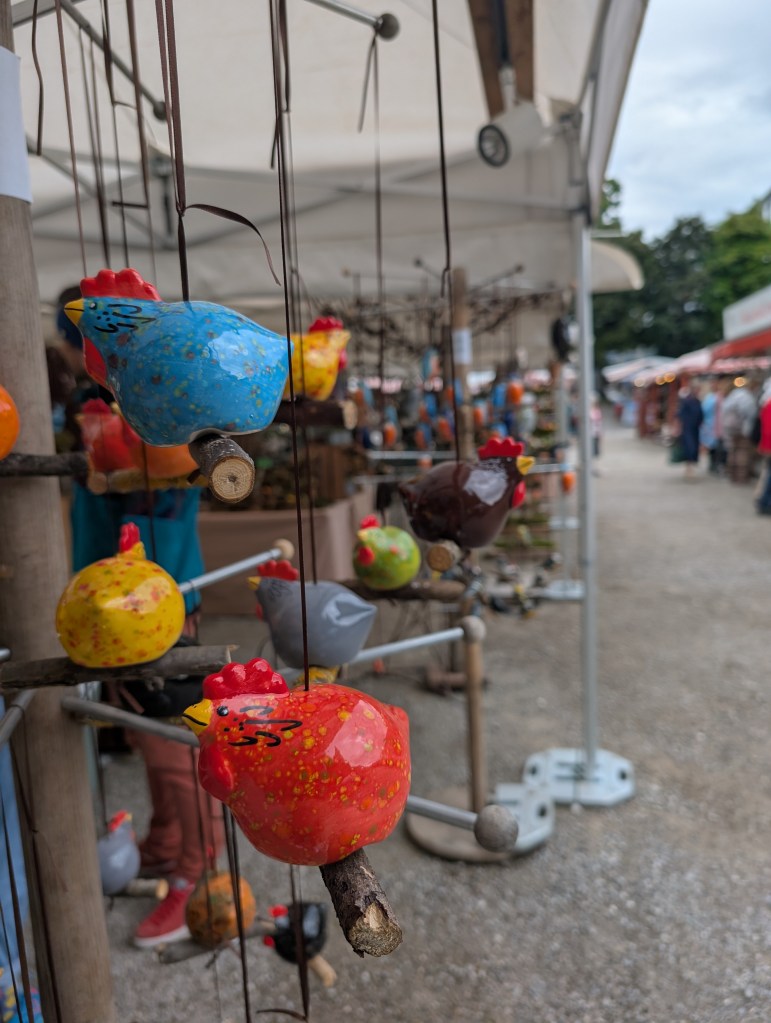
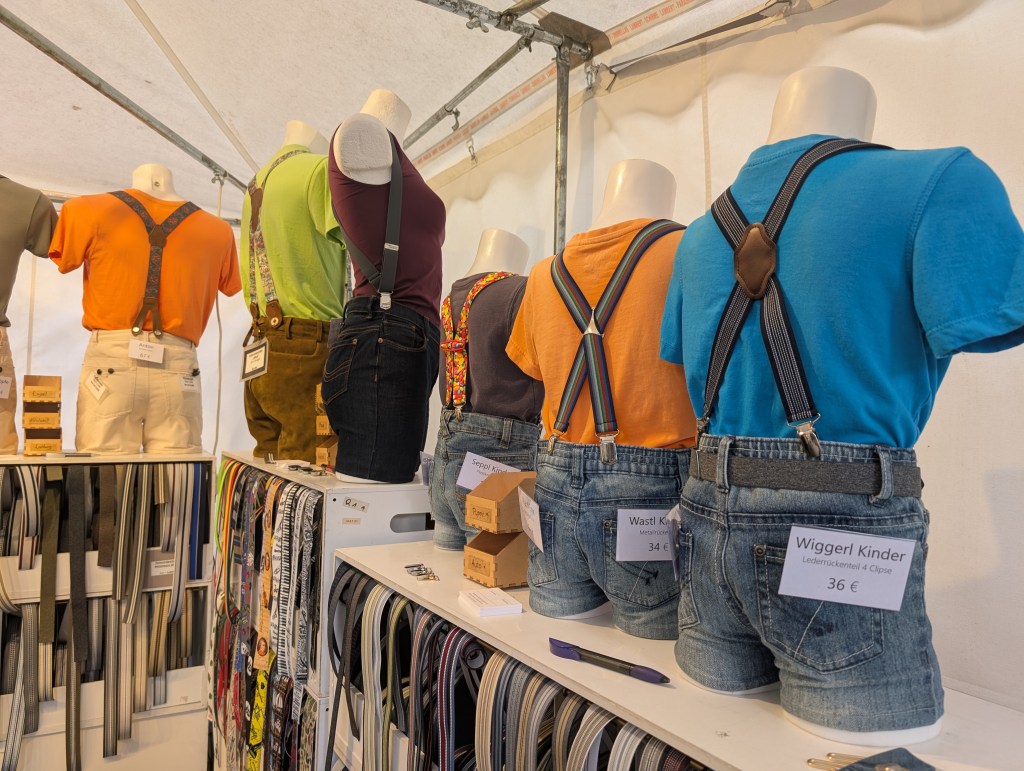


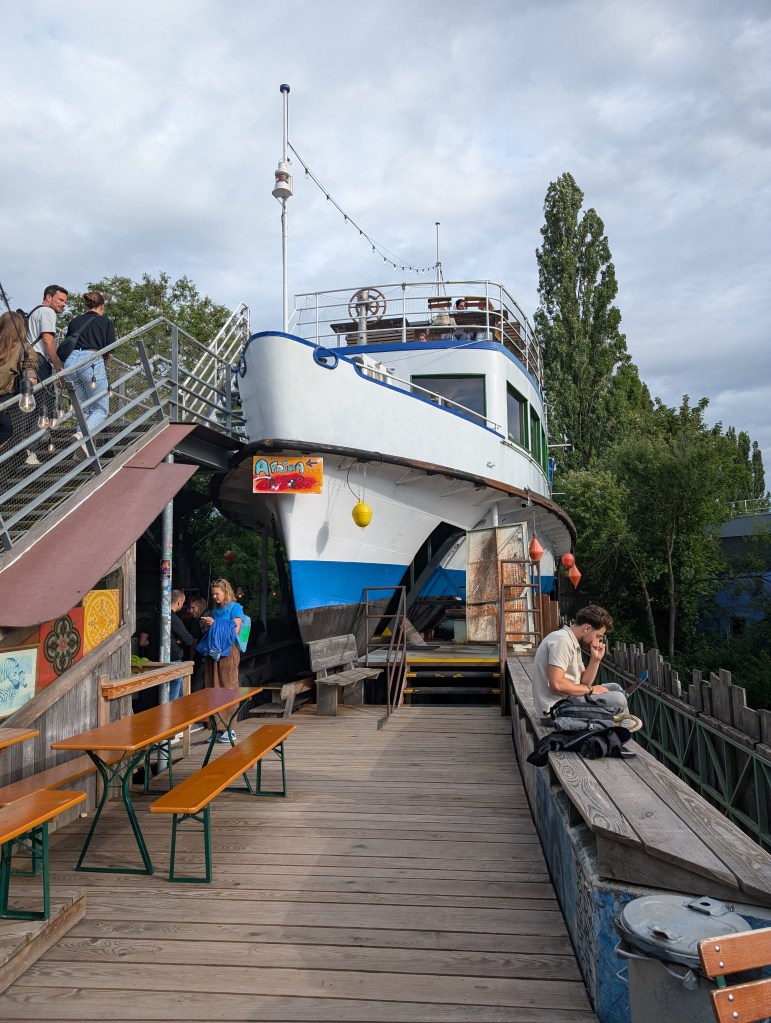
From here, I made my way over to two unique spaces. The first was Alte Utting. I had seen the pictures of this boat bar perched atop a bridge online, but I didn’t realize that the retired 1950 steamer MS Utting is only one part of this unique sprawling space. Every staircase or corner I took, I found another nook to settle into. On site are at least four different food stalls serving everything from African food to crepes, and throughout the space are a series of bars to pick up a drink. I visited on a Thursday night where they also had live music and a panel talk (since I don’t speak German, I couldn’t figure out what the talk was really about).

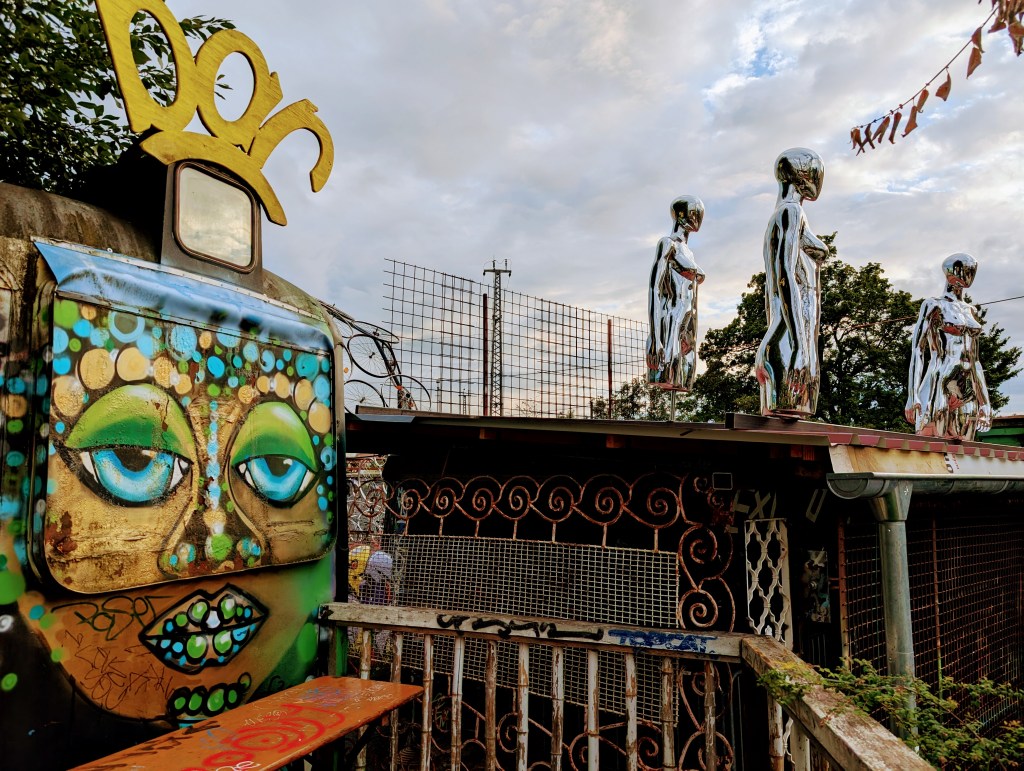
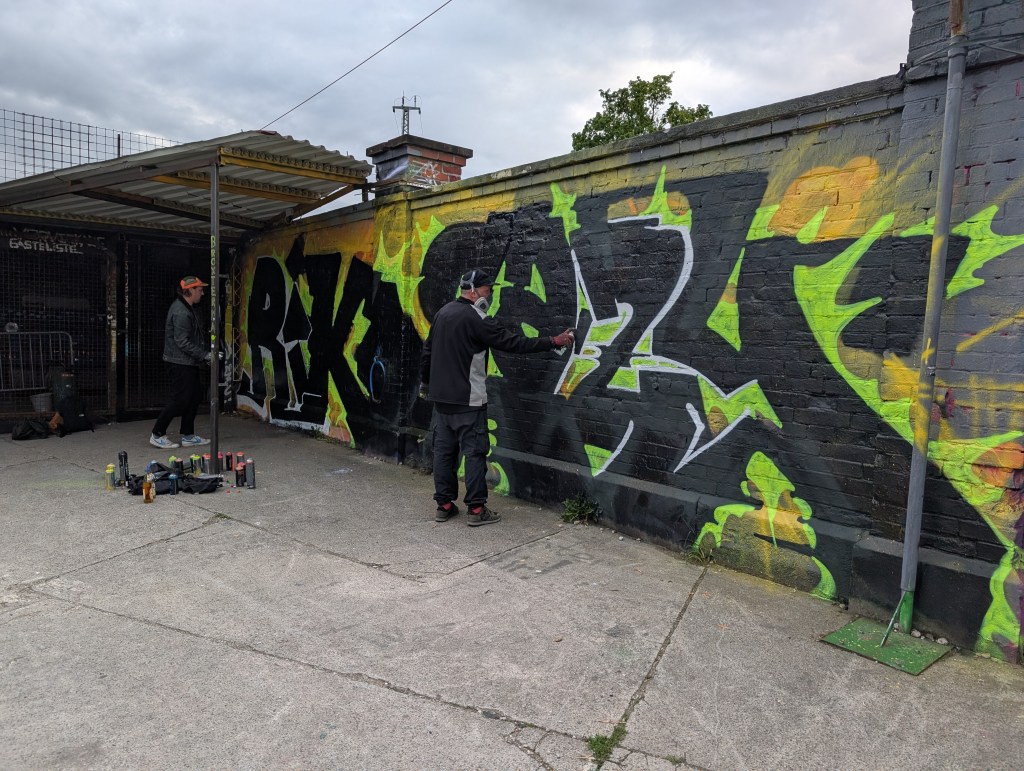
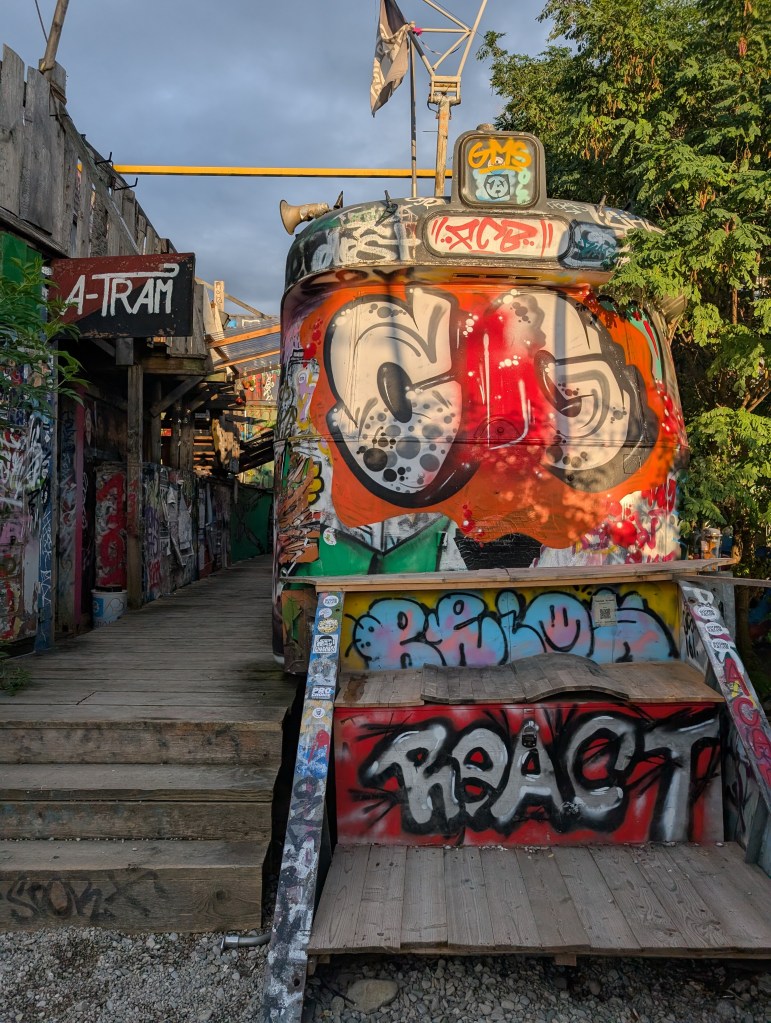
Just around the corner is the Bahnwaerter Thiel. I love an alternative art scene, and this graffiti decorated mix of shipping containers and old railroad cars definitely fit the genre. Open since 2015, it seems that the space is whatever the people who frequent it are inspired to add – from a container garden to metal sculptures to a new graffiti mural being painted as I watched. Like Alte Uttig, there are a few food stalls, bars, and live performances on site.
 Mac On the Map
Leave a comment