
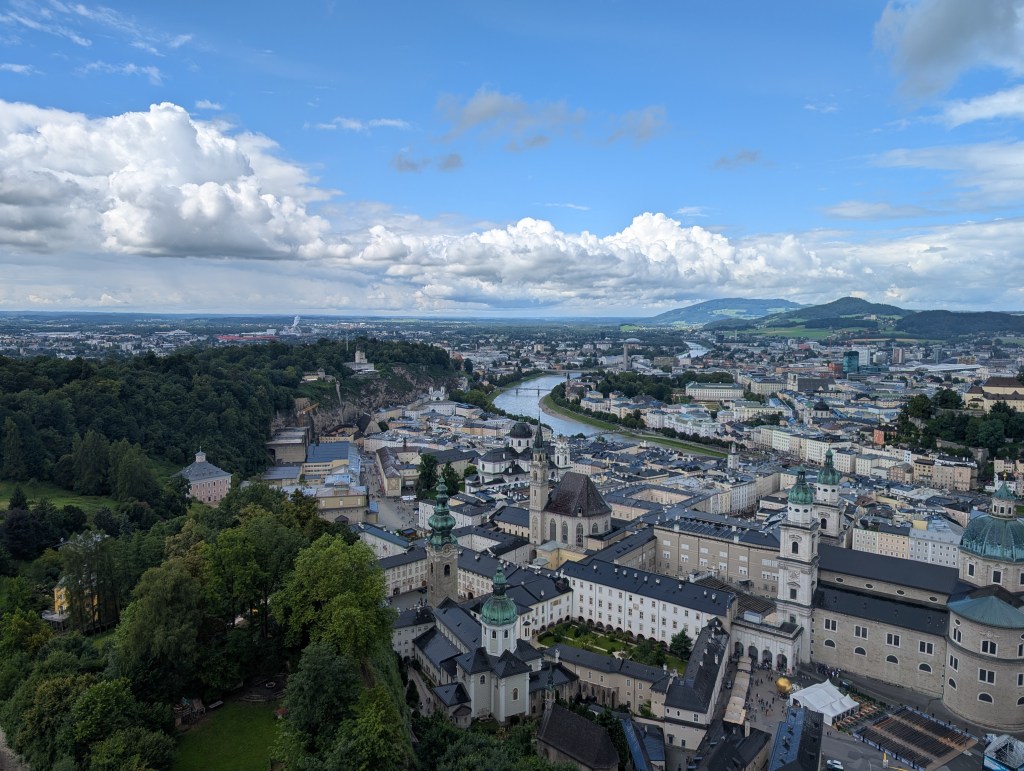
Old town districts like Salzburg’s just asked to be explored without a lot of structured plans. Most of my day was walking around the narrow pedestrian streets and ducking into alleys to see what small treasures I could find. I marveled at the intricate ironwork signs above the shops, appreciated the contrast between the modern and history art scene, and enjoyed seeing people geek out over Mozart and Sound of Music sights.
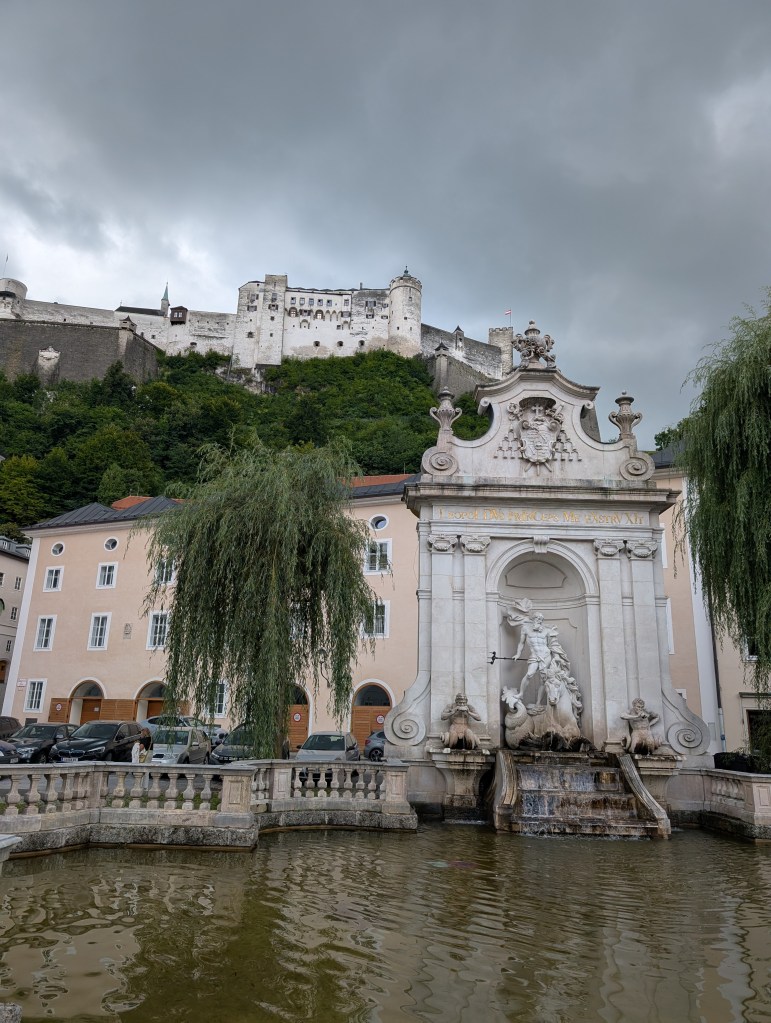
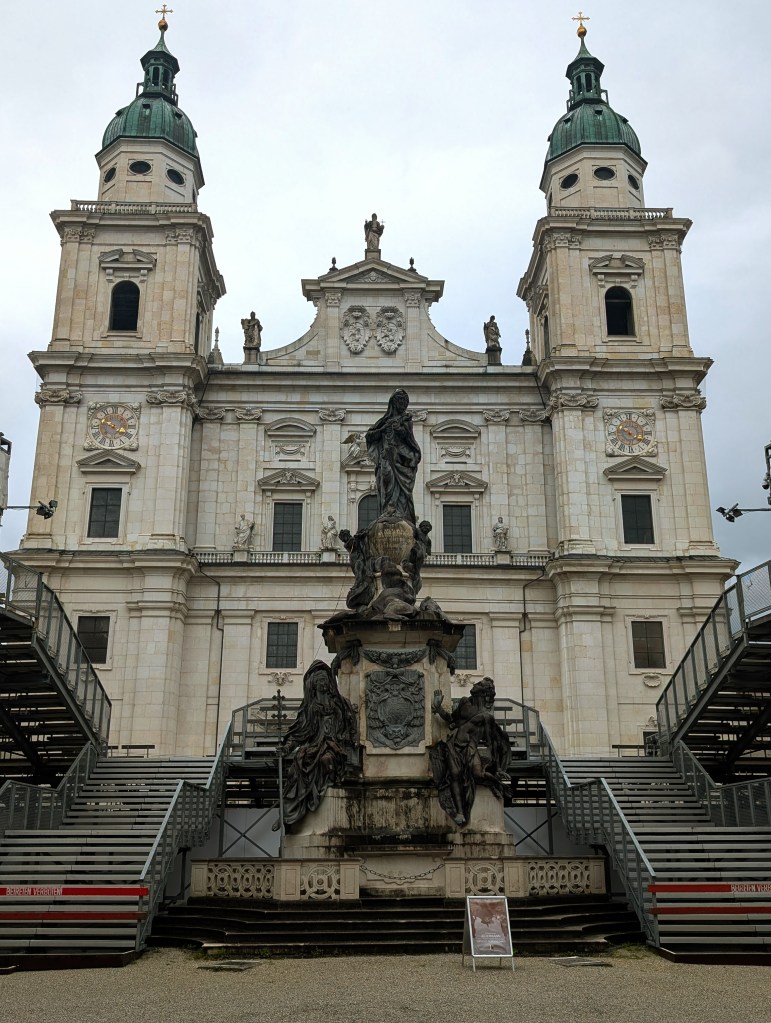
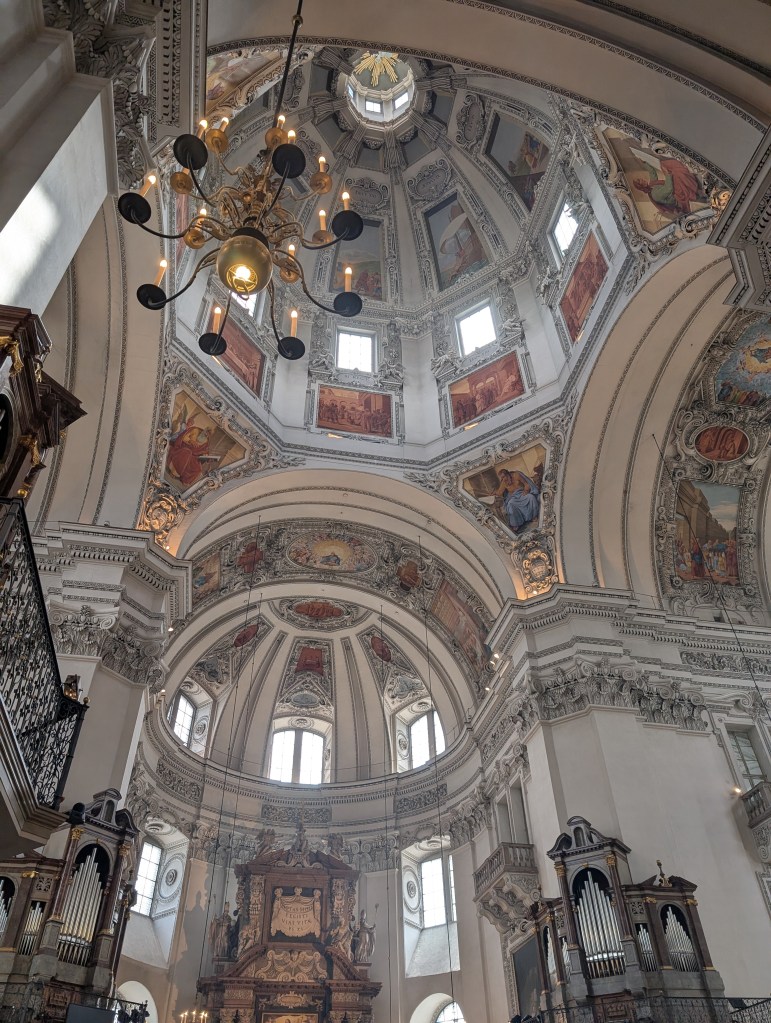
Sundays in Europe mean that most stops and restaurants (outside of tourist ones) are closed and people spend their mornings at church. The Dom Salzburg, built in 1628 in the same location as two medieval churches which both burned down, is one of the first early baroque churches in the area, is at the center of Salzburg’s Old City, so despite not being religious or knowing German, I decided to spend my morning at the 10 am high mass. The grand space was filled with visitors avidly listening to the sermon and readings, which I tried my best to follow along with. However, the highlight of the mass is the music. The musicians are perched in the back of the church above the congregation. The church boasts an impressive seven organs which create a deep music backdrop to the stunning choir voices. I listened to the beautiful music while scanning the marble details of the arches and domed ceiling.

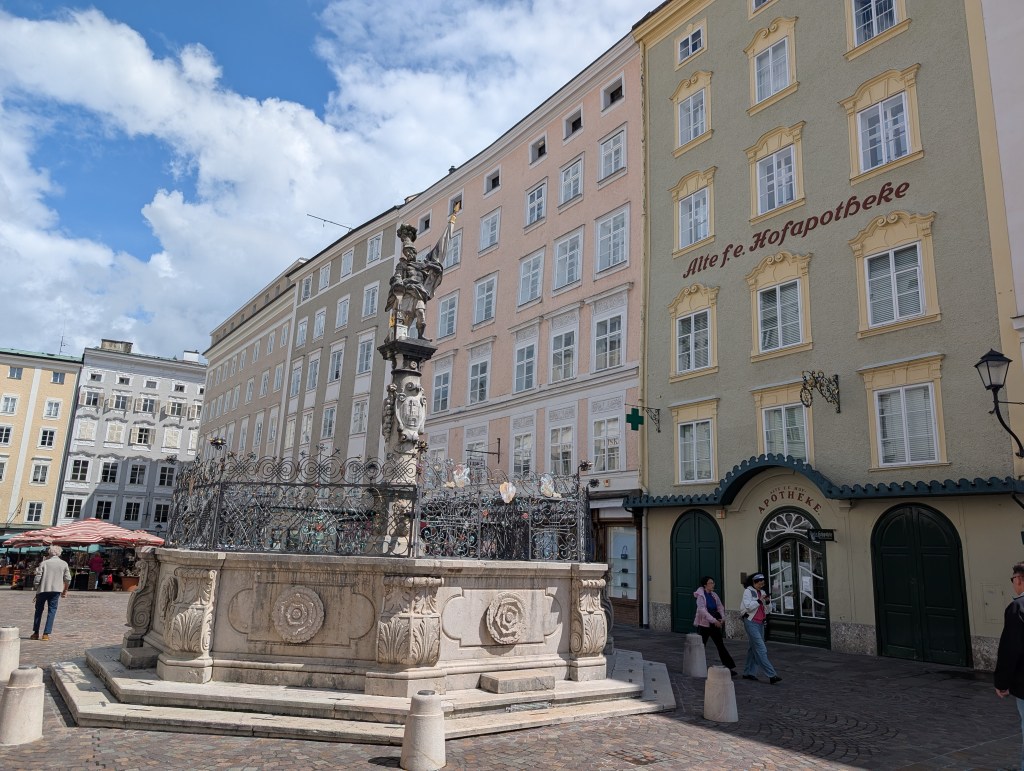
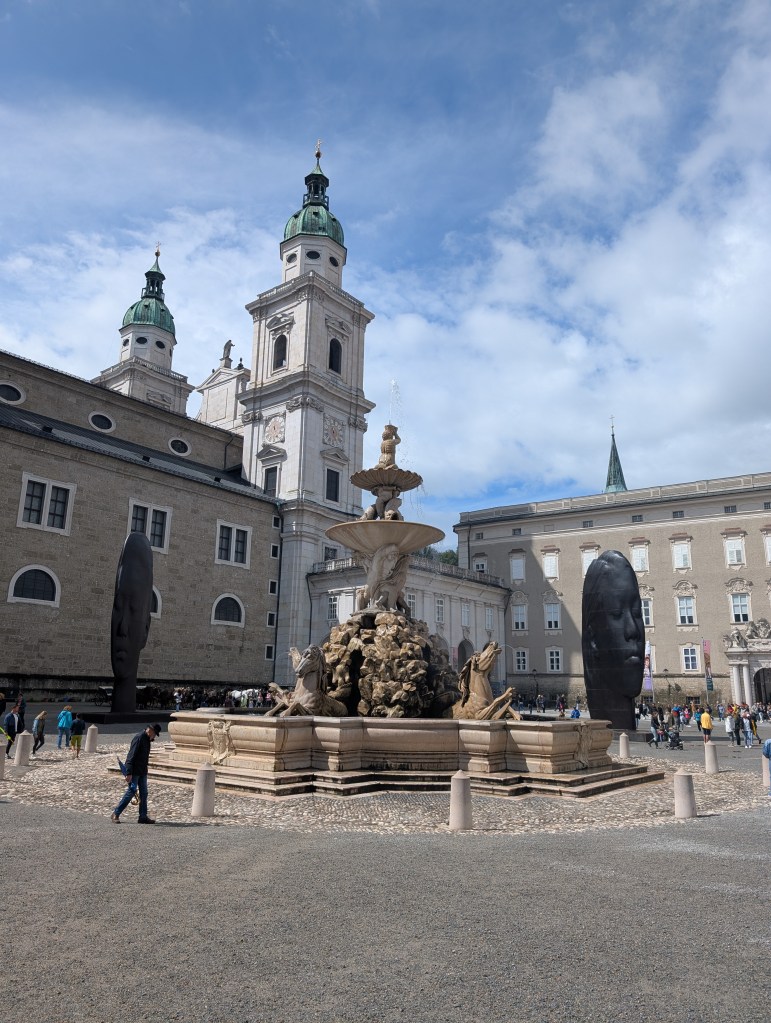
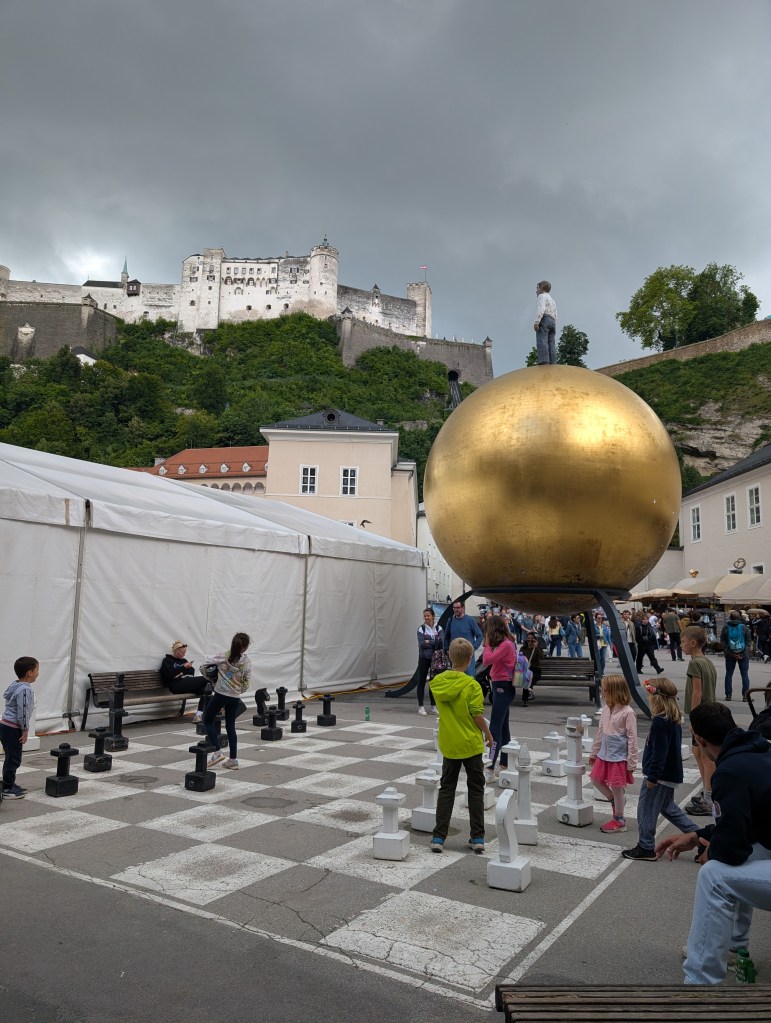
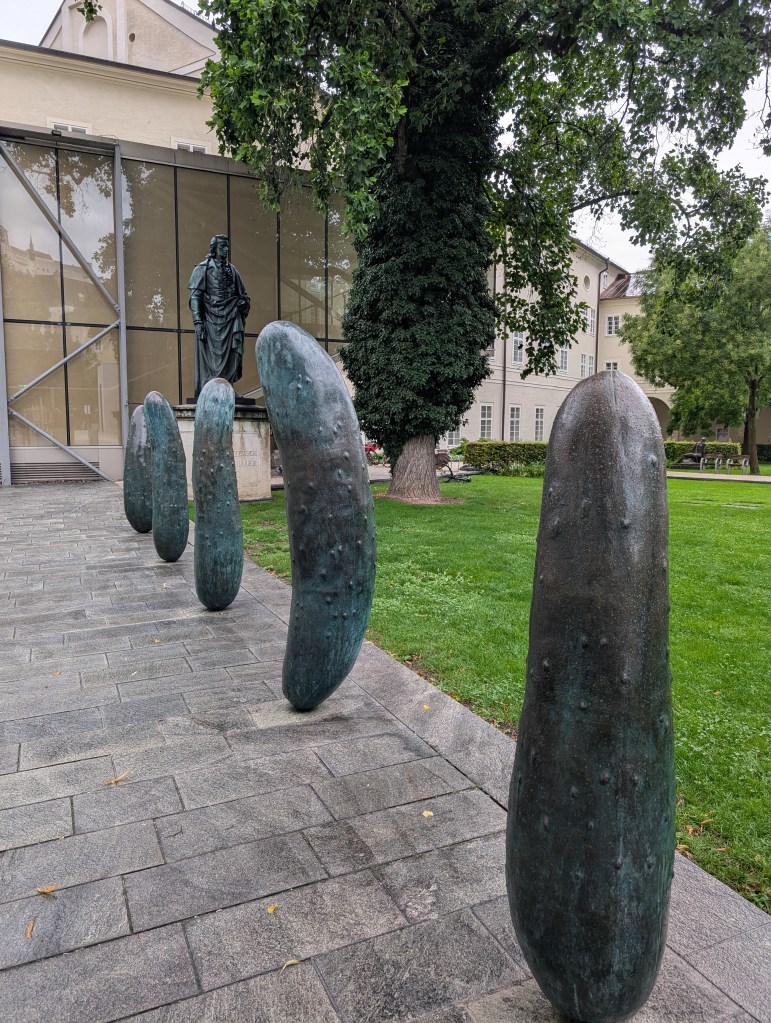
Just outside the Salzburg Cathedral is the 16th century Residenzplatz. I visited in the summer of 2025 when five massive sculptures (Secret Garden by artist Jaume Plensa) joined the large baroque fountain at the center of the square. Both of these installations commanded attention, and the juxtaposition between the two created a conversation between the past and the present. Throughout the city, thirteen installations that make up the Walk of Modern Art do the same: gherkin pickle sculptures aligned with a statue of Fredrich Schiller, a man standing atop a golden sphere in the foreground of the St. Peter’s abbey.

St. Peter’s Abbey has been around since the late 7th century, so it’s amazing to think of all the people who have come and gone through this space. The cemetery behind the church sits at the base of the Festungsberg Hill and the flowers, iron adornments, statues, and backdrop make this a peaceful resting place for those who are buried here.


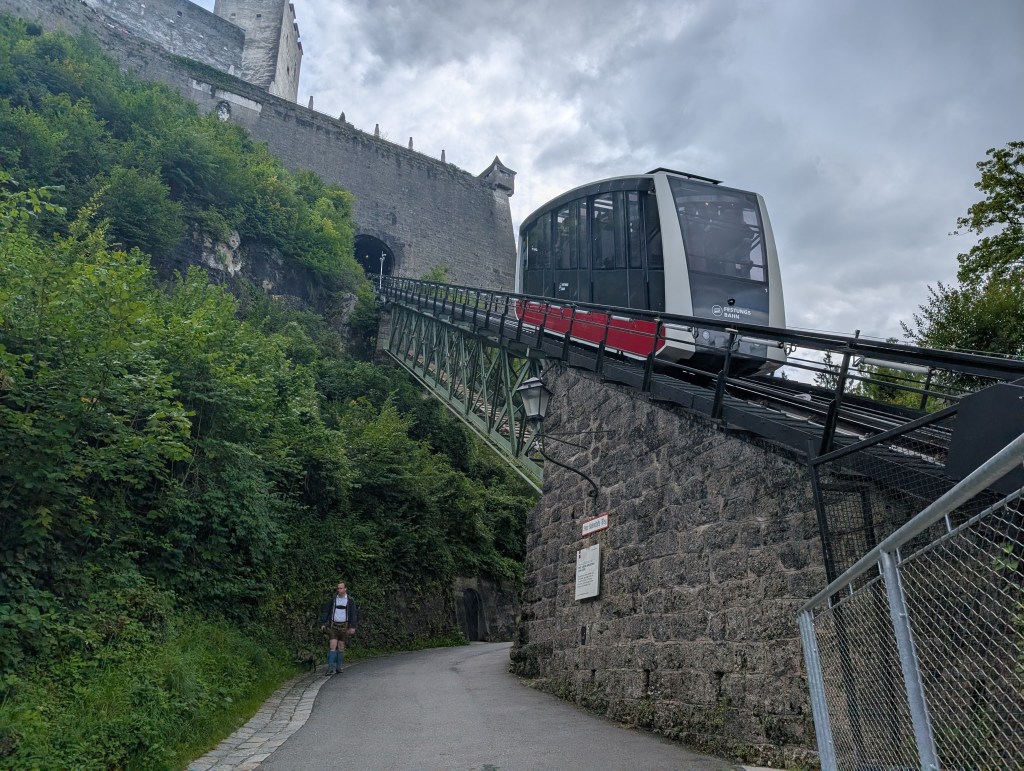
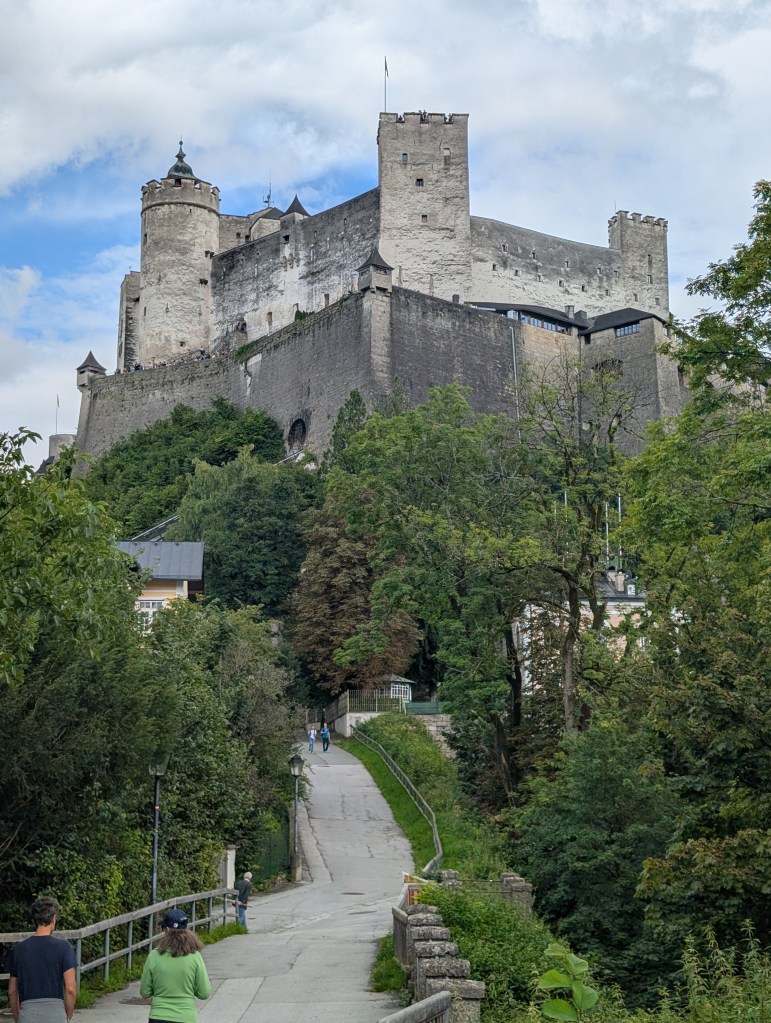
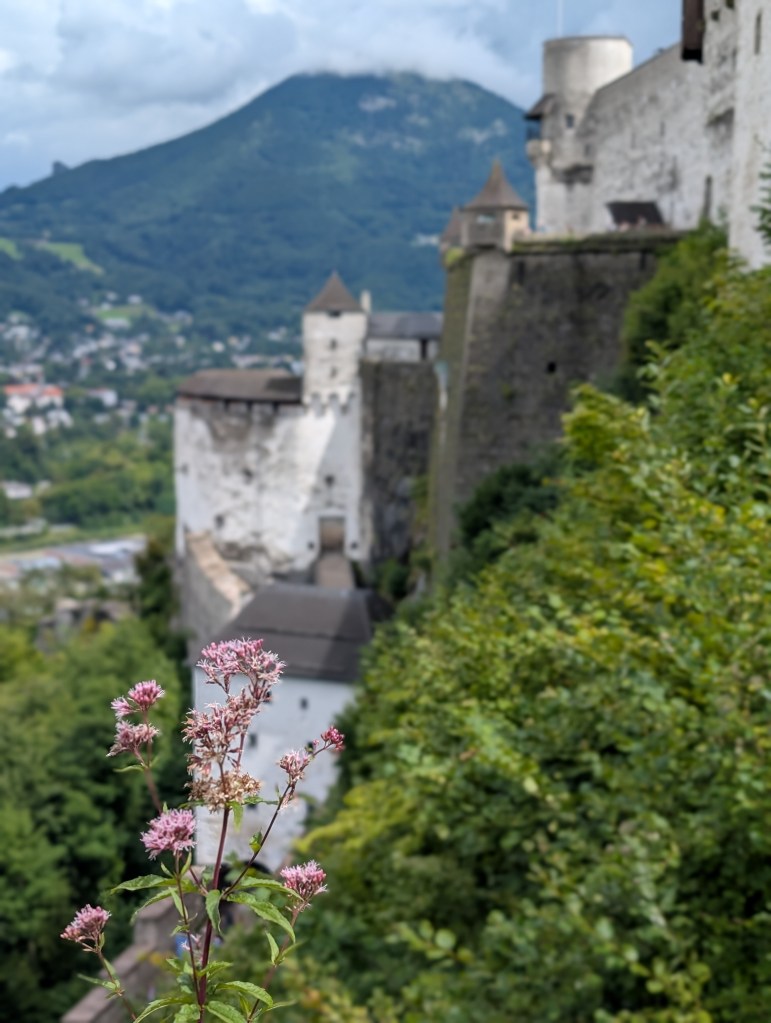
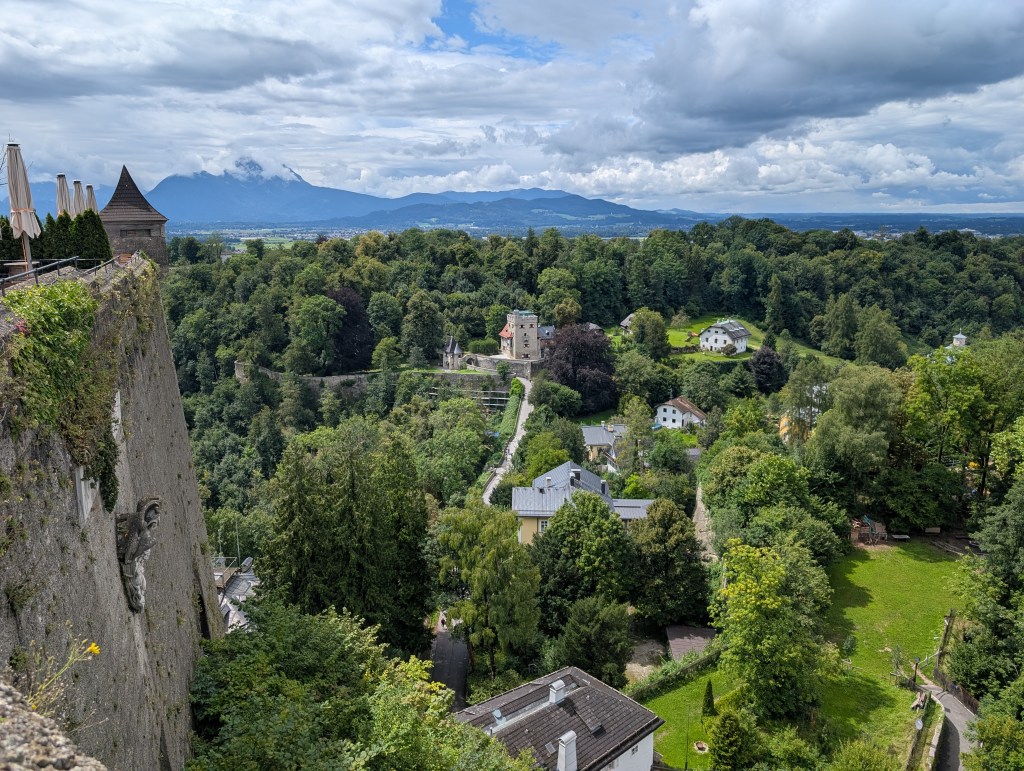
Just next to St. Peter’s Abbey is the funicular to Fortress Hohensalzburg. The funicular is more of a convenient ride up to the top than a scenic experience, but it’s also fun to zip up the side of a mountain. The funicular ticket is combined with the fortress ticket, so you arrive inside the fortress walls when you disembark from the car. The fortress offers a small museum which features the Venetian salt trade in the area, the political history of the city, and folklore stories, and a view of Salzburg Bull (a barrel organ which has rung over the city for over 500 years). At the top of the fortress is also a small observation deck to take in the surrounding mountains and city below.

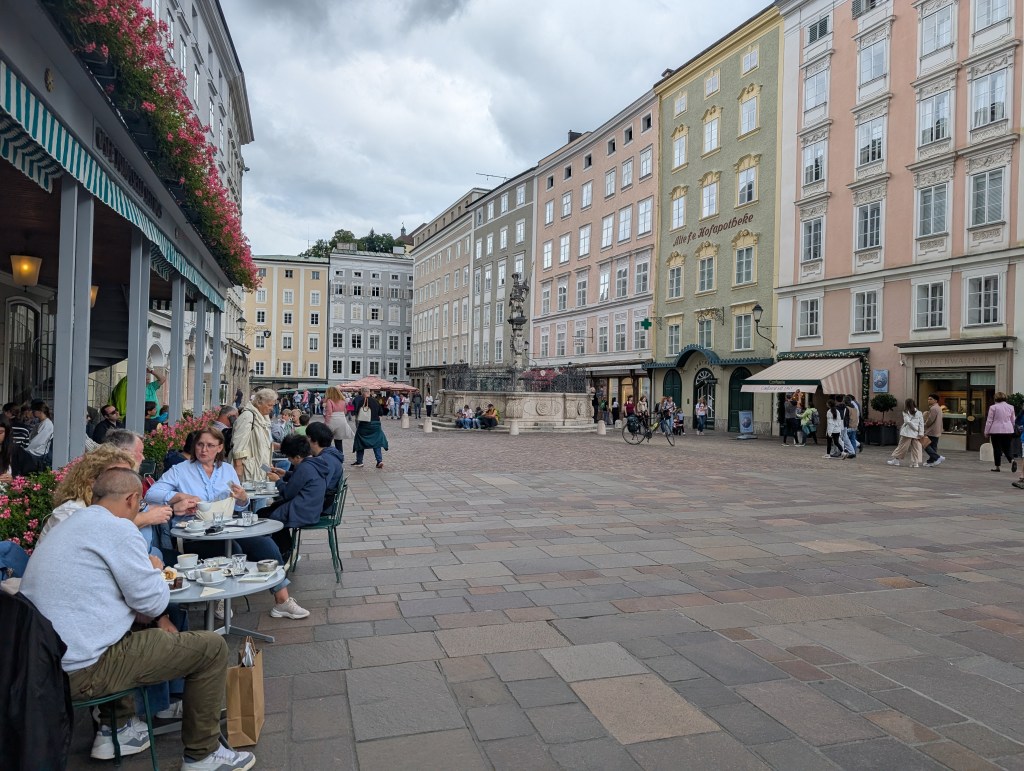
The old city of Salzburg is a maze of pedestrian cobblestone streets, connecting passageways and squares. My eyes were drawn to the wrought iron signs above the shops on Getreidegasse. Historically, these were created to advertise the type of business to the many people who were illiterate. A local shop still makes these elaborate advertising signs by hand. Even the McDonald’s on the street has its own iron sign. As someone who doesn’t speak German, I found them both useful and decorative.


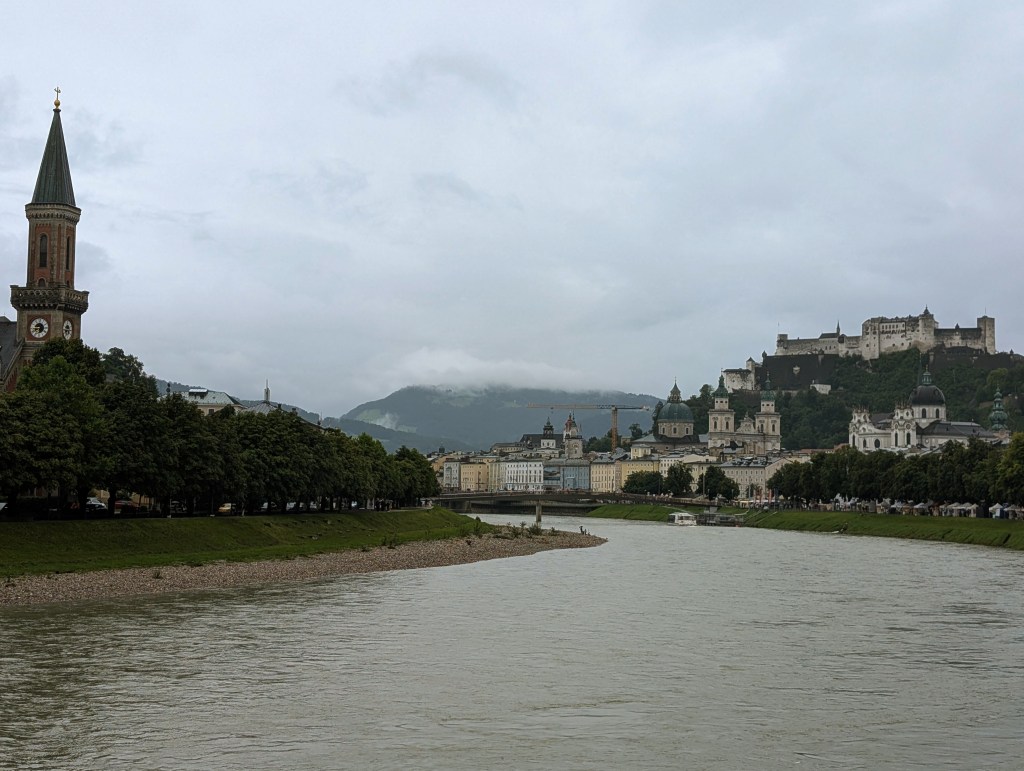
I arrived in town the afternoon before, so was able to check out the Salzach Galleries that are held Saturdays and Sundays between June and September along the Salzach river. I’m used to craft fairs running from the morning to mid afternoon, so it was surprising to see this still open around 7pm (Saturdays open 10am-8pm, Sundays 10am-6pm). There is a nice variety of decorative and utilitarian wares for sale.
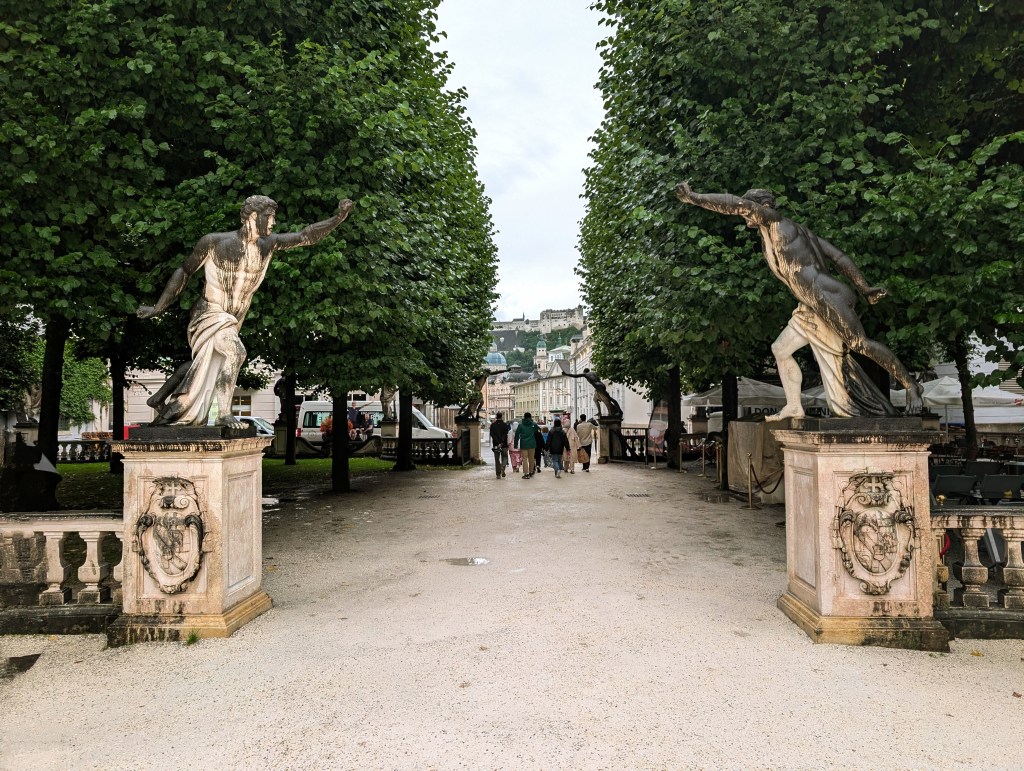
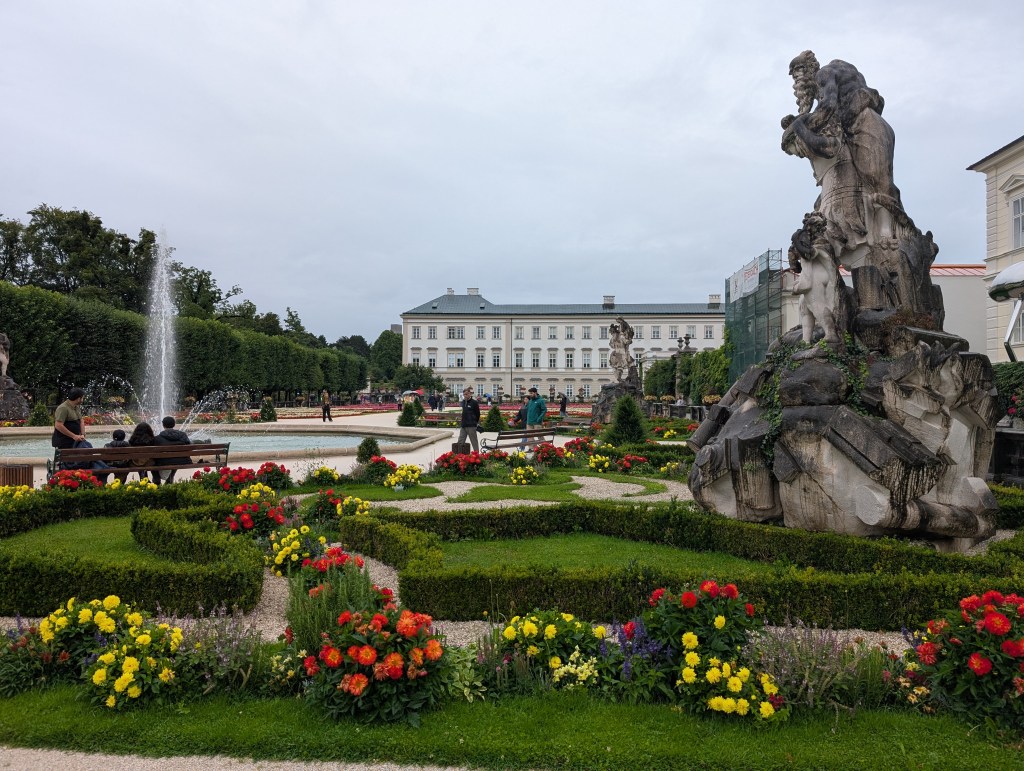
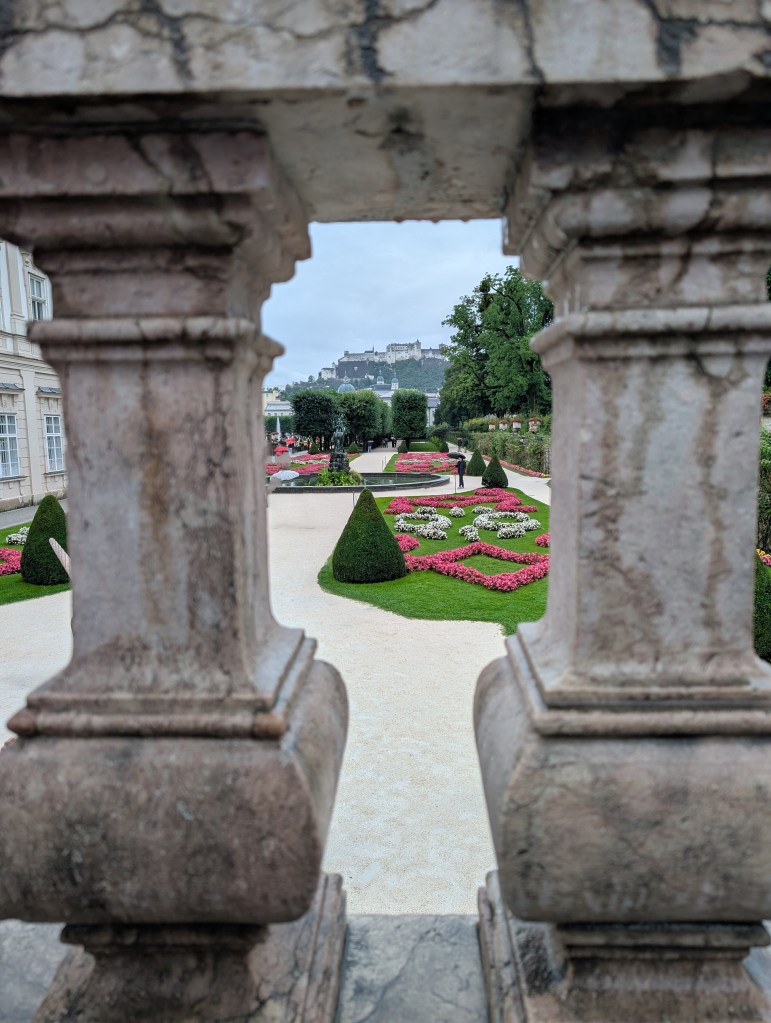
Across the river are the Mirabell Palace and Gardens. Here is one of the iconic Sound of Music sights, so I wasn’t surprised to find people posing on the steps, bringing music and pretending to play the violin or just geeking out in general. The bright colors of the flowers, central fountains, and large sculptures all set against the backdrop of the Cathedral and Fortress make this a worthy sight in itself.


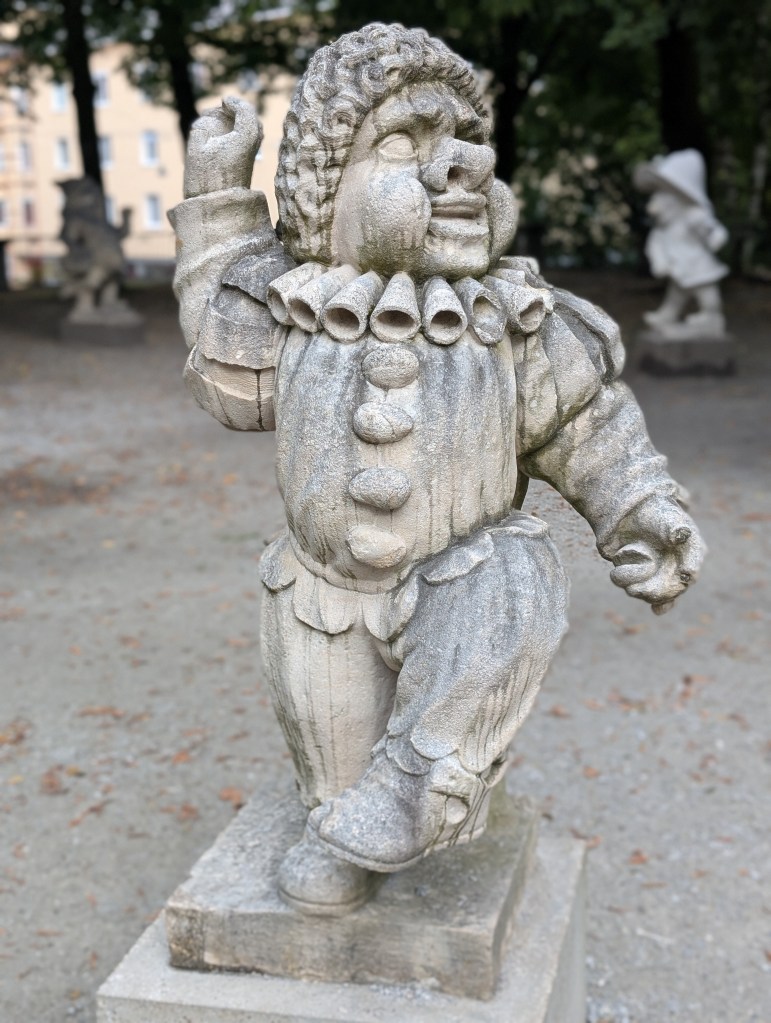
I also enjoyed checking out the Zwergerlgarten, Salzburg Dwarf Garden, off to the side. Created by Prince Archbishop Franz Anton Harrach in 1715, this is the oldest dwarf garden in Europe – until now, I didn’t know that dwarf gardens were a thing. 17 of the original 28 dwarfs made out of marble are on site representing folklore, history, and traditions.

 Mac On the Map
Leave a comment