
Istria, the land of magic, is known for truffles, olive oil, and wine, so it’s not surprising that driving around the lush verdant hills is a joy in itself. The main roads wind through the Mirna valley, but the old towns are located at the tops of the hills beckoning you to go and explore. Legend says that before the arrival of humankind giants lived in Istria. The largest giant, Dragonja, was a ploughman, and the areas he plowed became rivers – including one which he named after himself. Other giants passed stones and tools between them to construct the towns on the tops of the hills. After the main towns were created, they had just a few stones left, so they created the town of Hum.
Motovun
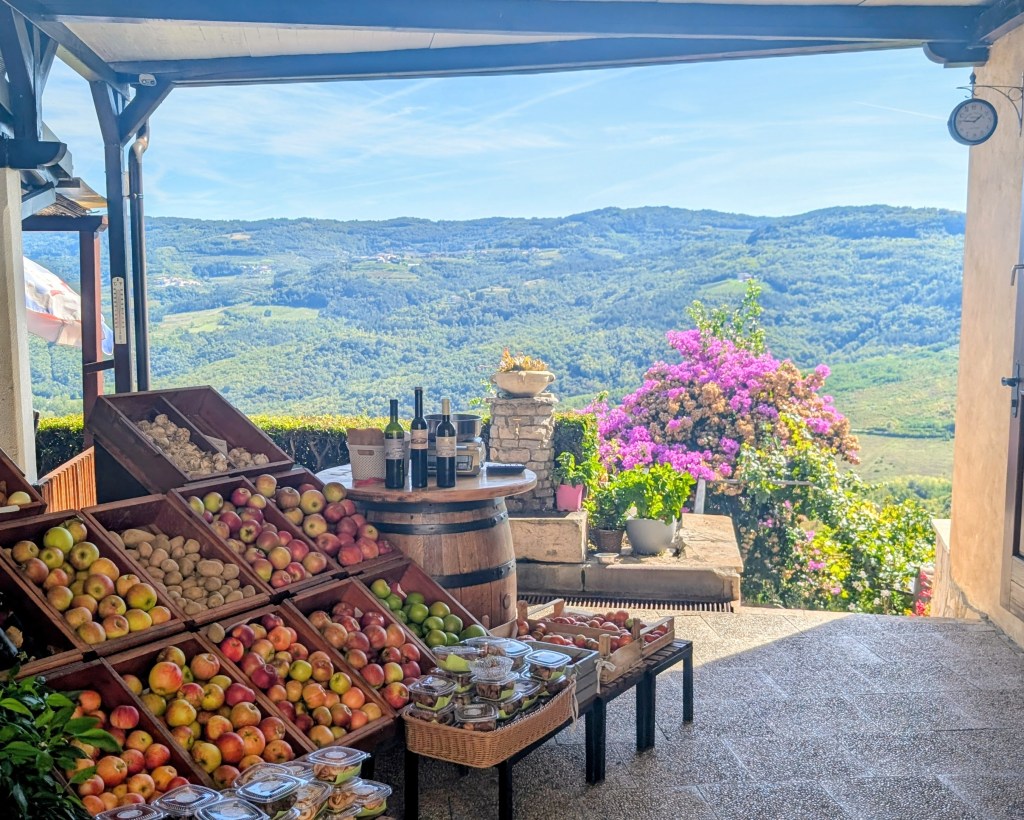
The most popular town in the area is Motovun. The town is situated at the top of a 277 meter high hill, and the 13th century bell tower in the center of town can take you even further up to enjoy sweeping views of the surrounding hills and valleys. The city has a past filled with mixed heritage. Started with Celtic origin, the town’s name comes from the Celtic word for “a town in the hills”. From the late 13th century till the end of the 18th century, Motovun was under Venetian rule, so even though this is Croatia, the winged lion emblem of Venice can be found throughout the town.

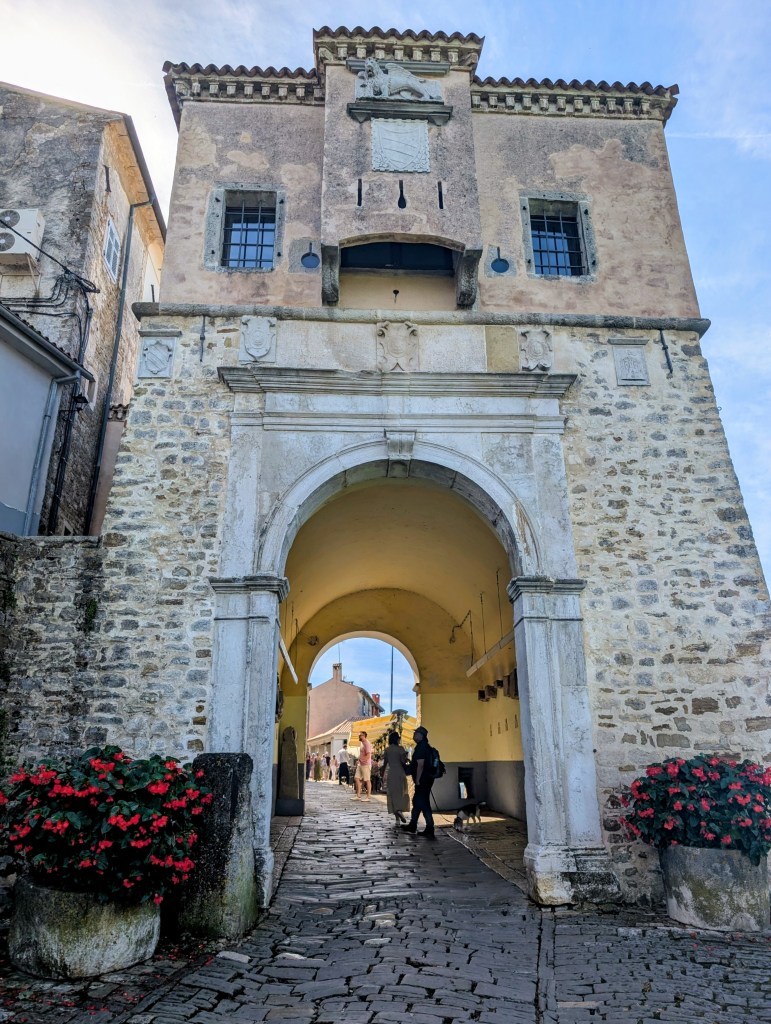

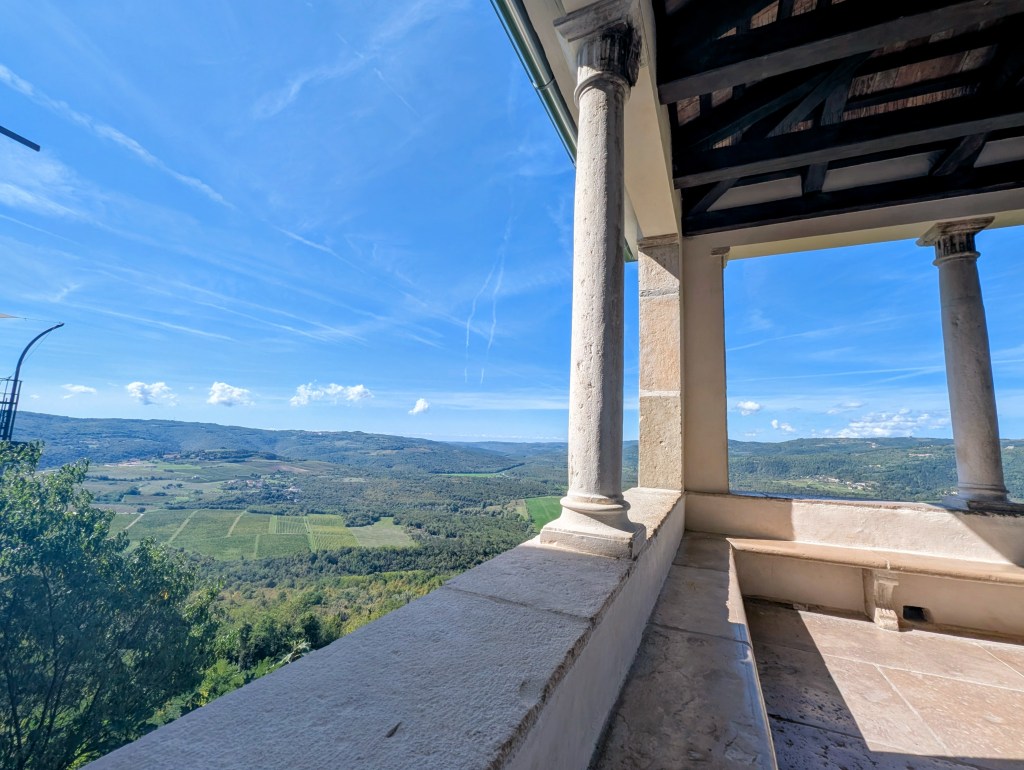
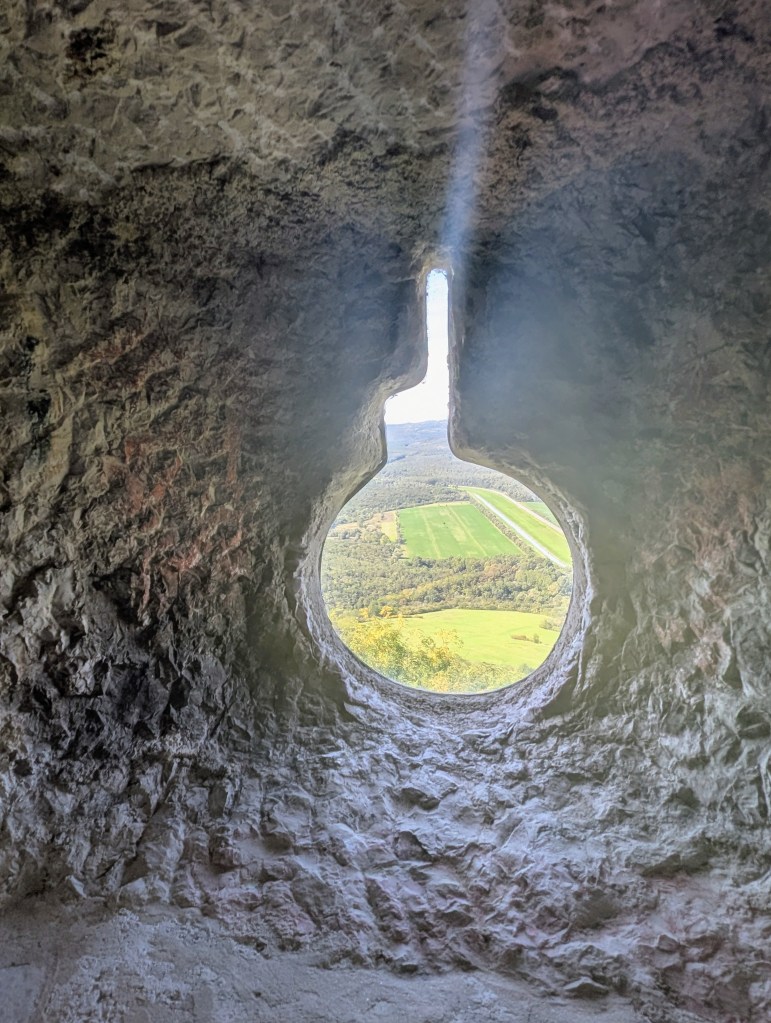
Like all of these hill towns, the best part of my visit was walking around the uneven cobblestone streets and taking in the stunning views, medieval architecture, and browsing the tourist shops. In Motovun, I wandered into an art gallery exhibiting a photography exhibit about the waterfalls of Istria. While I would’ve loved to visit some of these waterfalls in person – and I had a little bit of a scary failed mission in trying to find one – almost all of the waterfalls are only flowing in the spring months. The art gallery not only showcased the beautiful photographs but the historic elements of the building – through cut outs in the wall – and views of the town – through windows and interesting cutouts.

Grožnjan
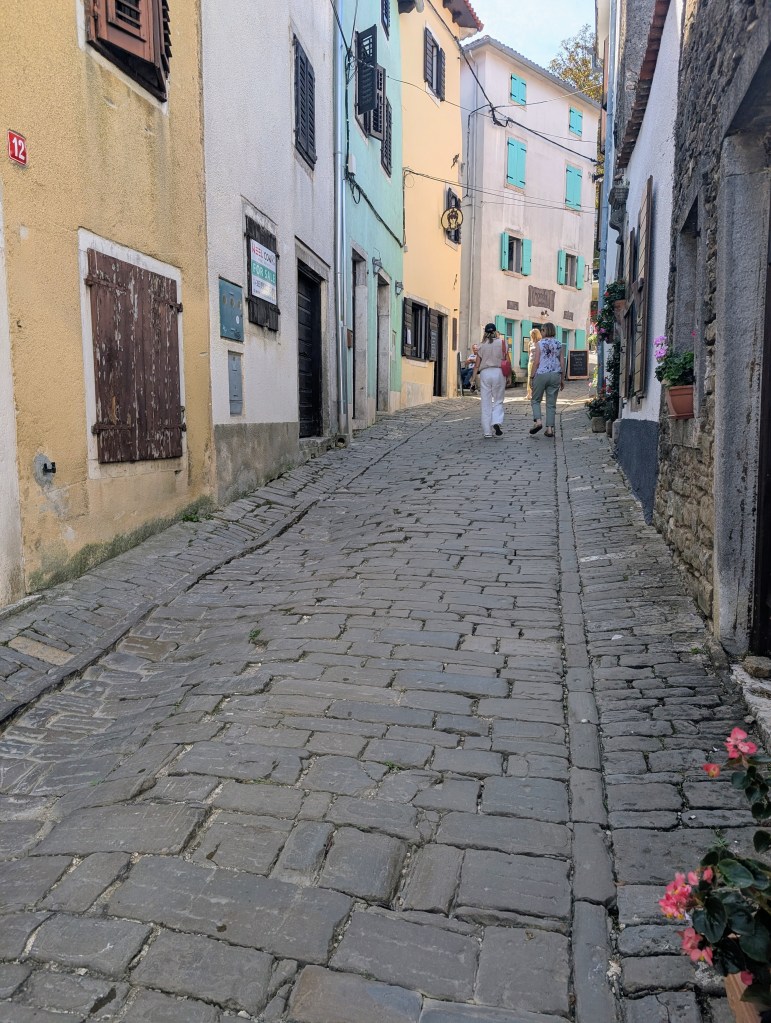
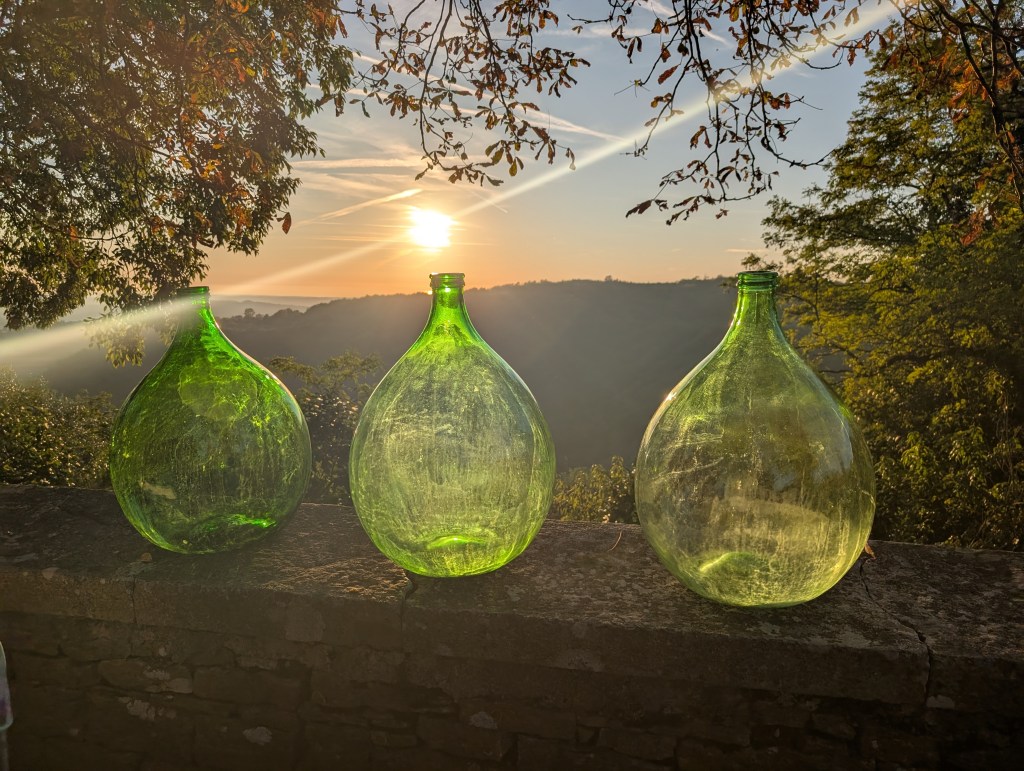
Grožnjan was my homebase for my visit to Istria, which meant that I got to explore it during the early morning hours and into the evening. The first day, after a warm greeting from my lodging host, I aimed to walk around the town before grabbing dinner; however, I quickly found out that in Grožnjan, there is no rush. From the edge of the city walls, the beautiful vista of the valley below drew me in and I decided I would grab a drink at Bistro Artegnana 1798 to watch the sunset before continuing on. Next thing I knew, I was chatting with fellow diners over dinner well into the night.
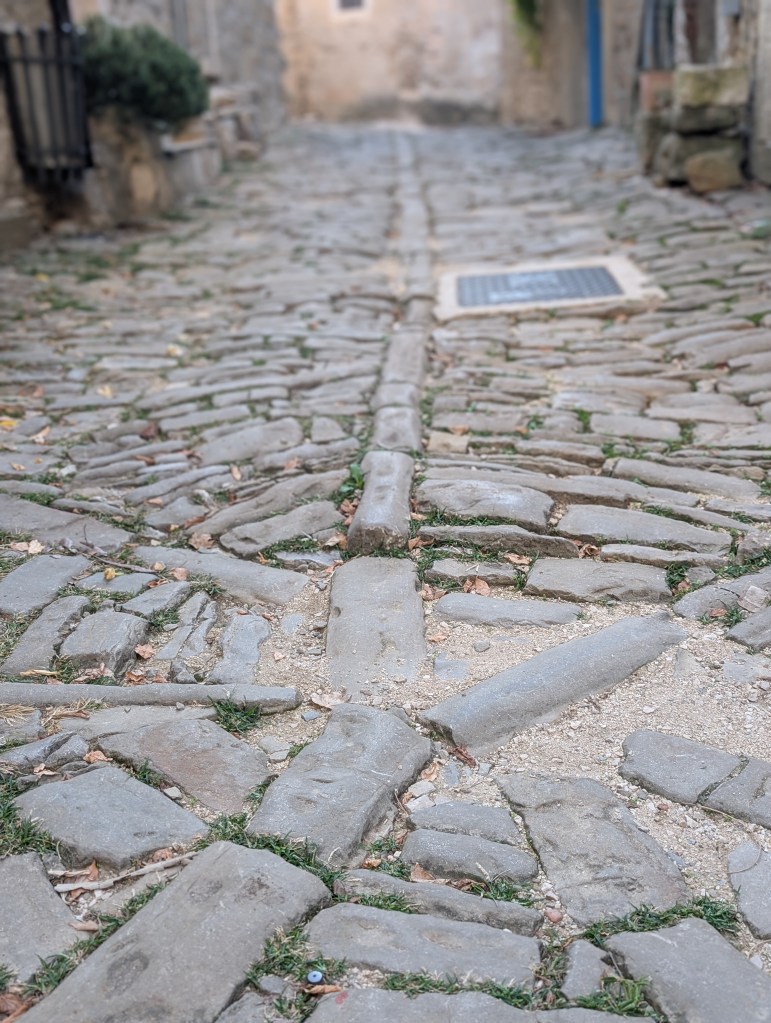
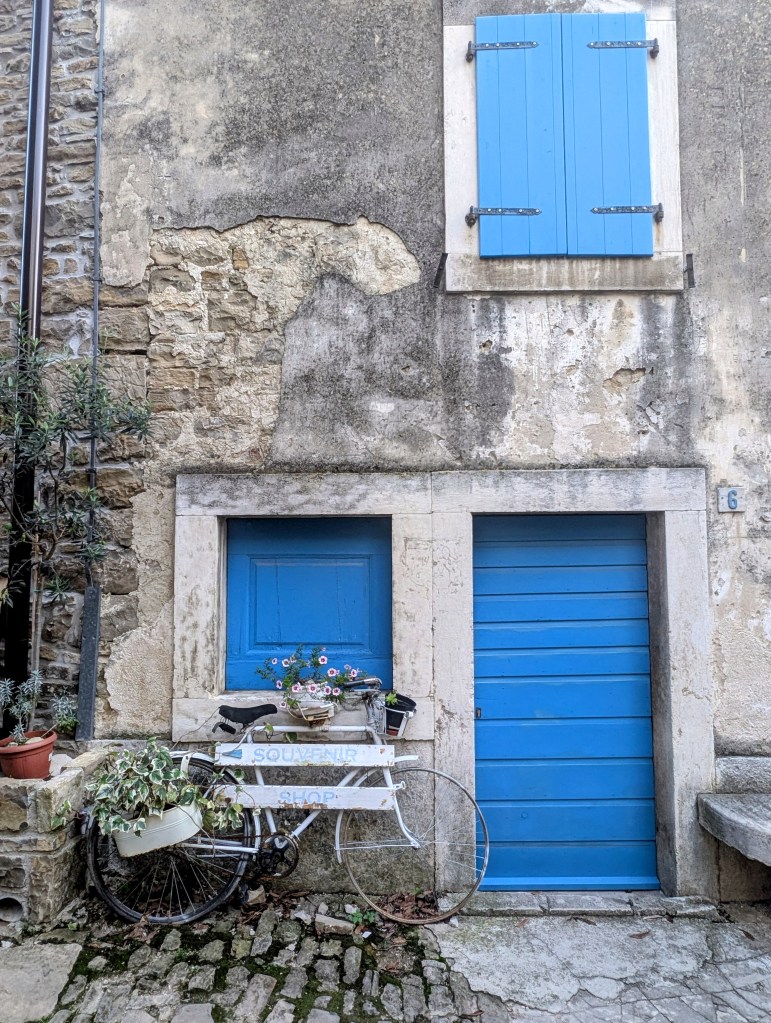
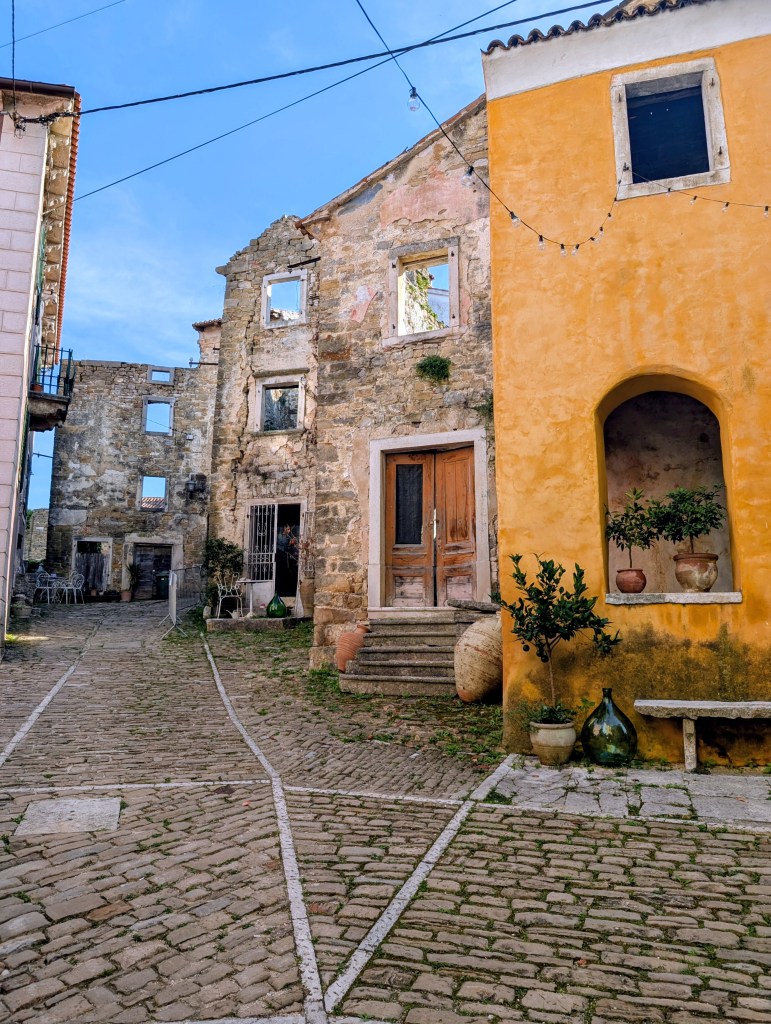
The next morning, I set out for a walk around the town, and quickly got lost in the labyrinth of ankle spraining cobblestone streets (seriously, I’ve never experienced such an uneven, treacherous walking surface) where I found neighborhood cats lounging around, artisan shops setting up for the day, historic plaques explaining the cultural and religious significance of the town, and stone courtyards framed by lush greenery. I found my way to a bar for breakfast looking out over the vineyards as the morning fog covered the valley floor.

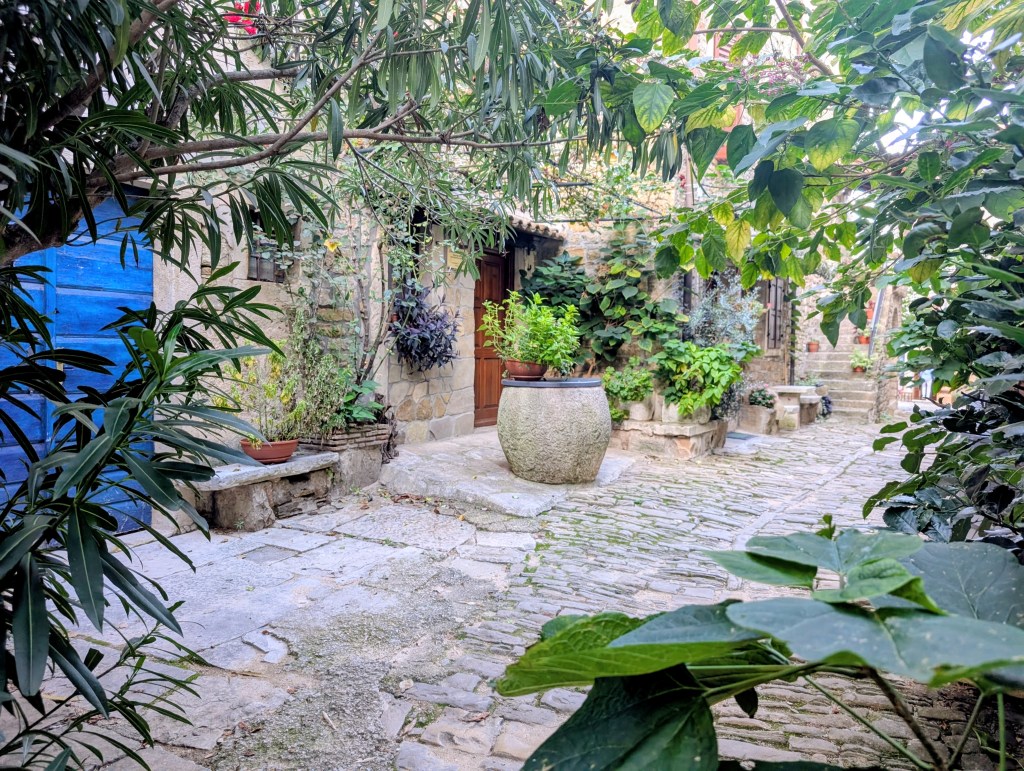
The next evening, after finding a path that sits just below the main streets, I looked up to see a cute balcony with an amazing view. I decided to grab a predinner drink here, and just like the night before, ended up spending more time than planned chatting with the other patrons and bar staff. Not only was the balcony of Truba Bar cozy, but the two interior rooms are as well and the back room is set up to host live music.
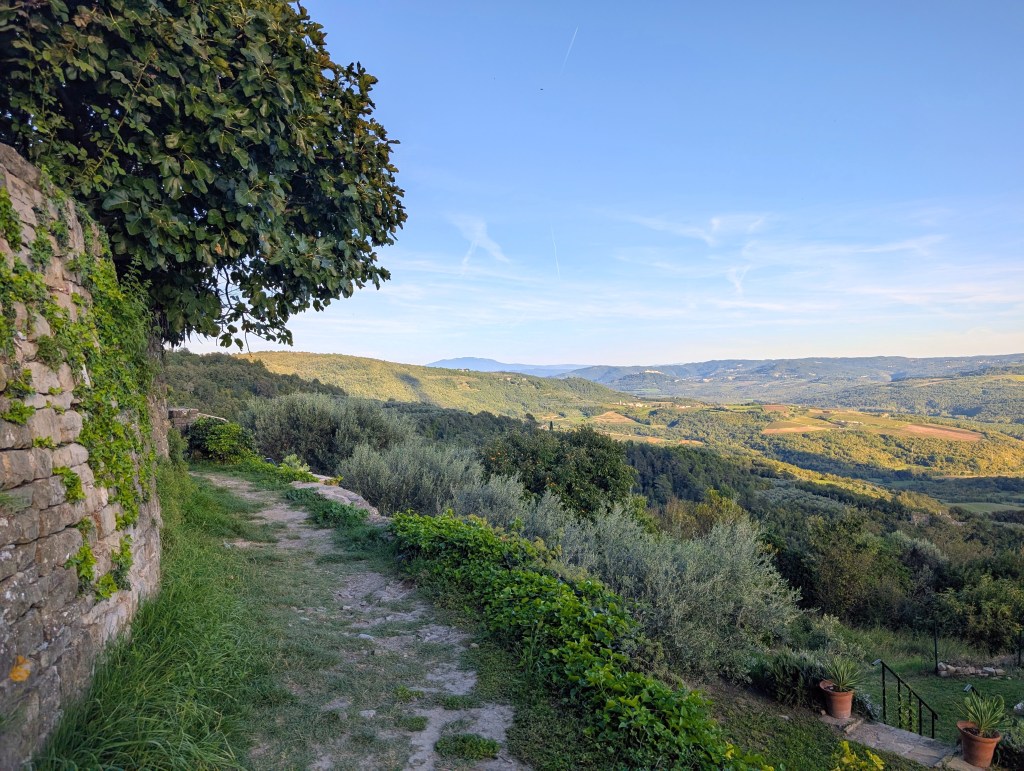
Established as a prehistoric castle and then a Roman fortress, the town now has made a name for itself as the center of spiritual healing and artistic creation. The town exudes an energy that brings people together.

Buzet
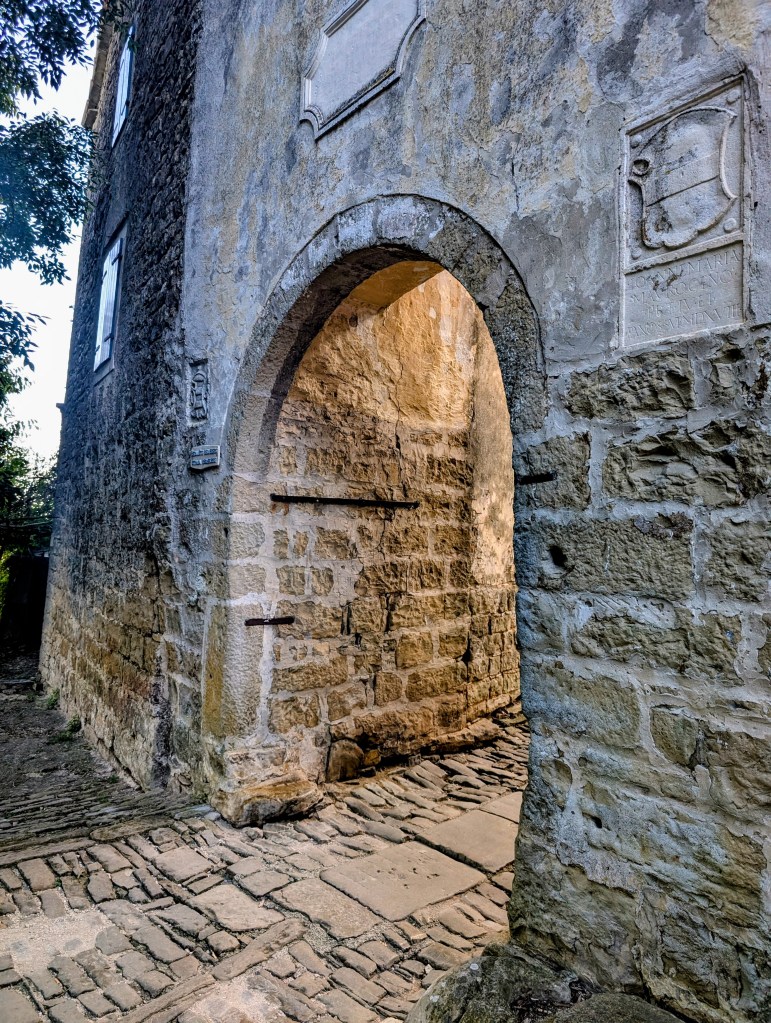
Known as the City of Truffles because of the valuable Istrian white truffle that grows in the forests surrounding the town. You drive up the hill side and enter the town through the narrow old city gate. The town has a few cafes and stores, but wandering around the old streets and reading the informational plaques about the history of each building is how I enjoyed this lesser visited town.
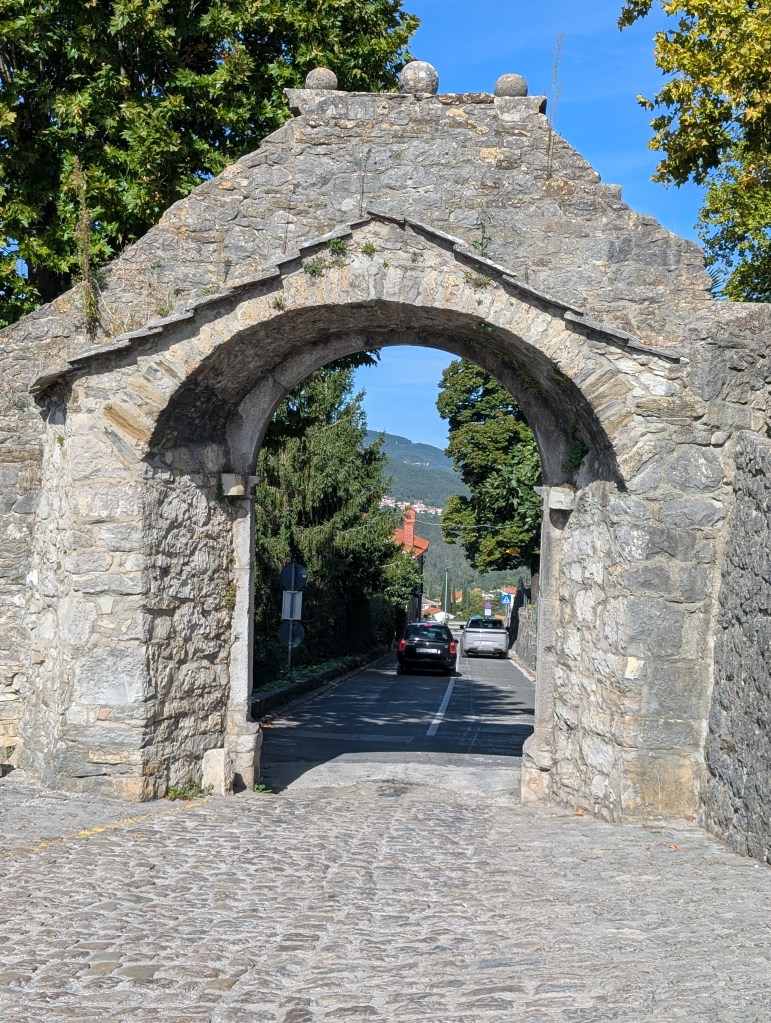
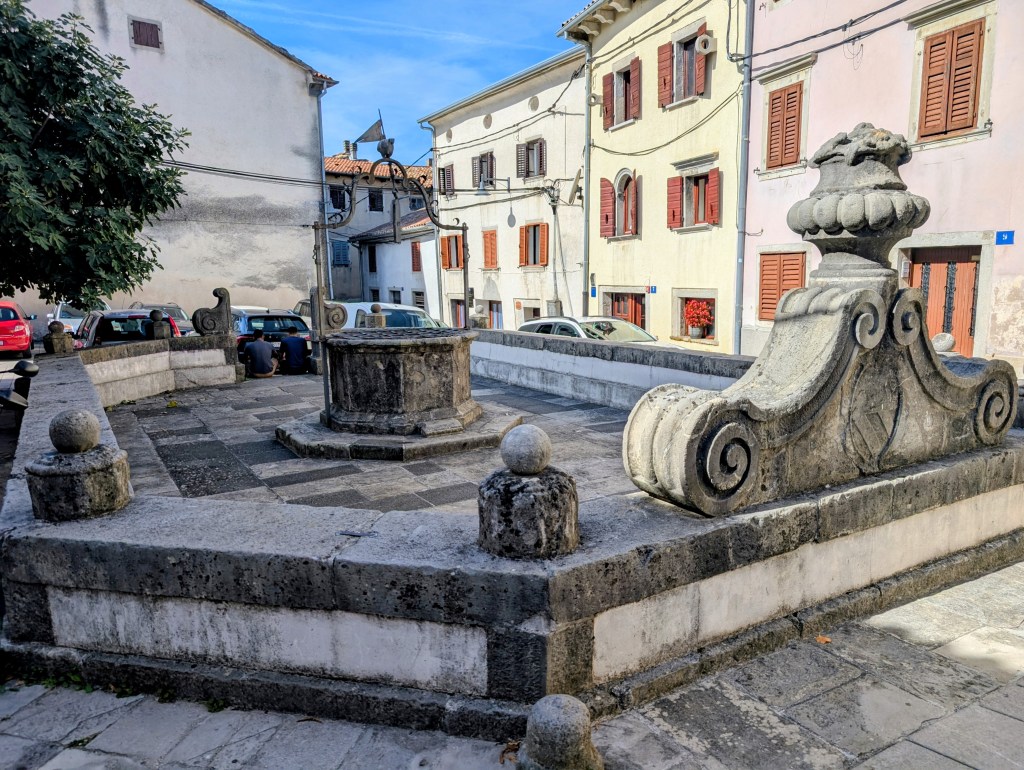
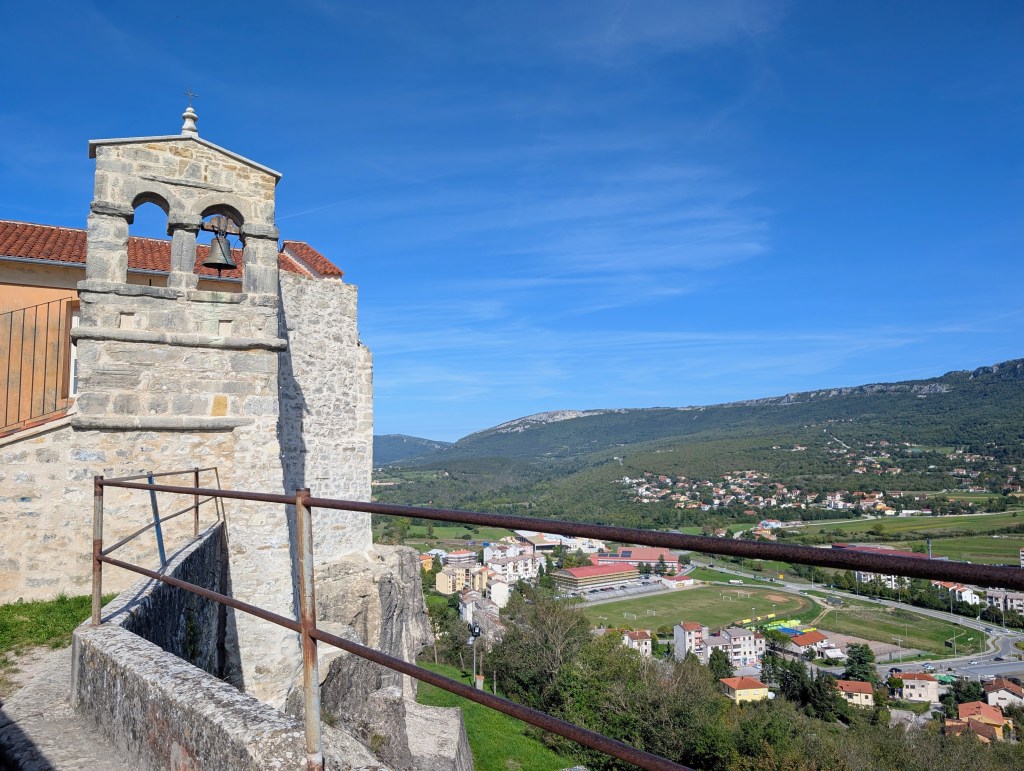
While it is usually a quieter town for tourists, at the end of September, the streets around the town buzz with the roar of car motors as the Buzetski Dani (FIA European Hill Climb Championship) takes place. The 5km course features 32 curves and a 250 meter gain. From the edges of the hilltop town, you can see views of the cars racing by.

Hum
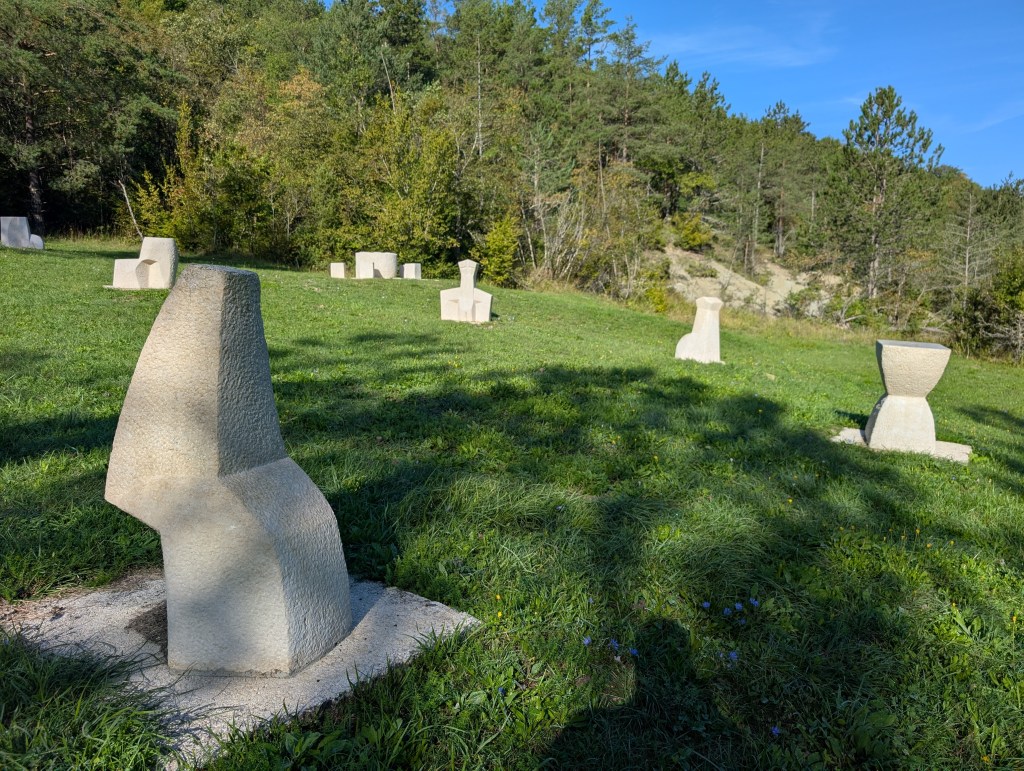
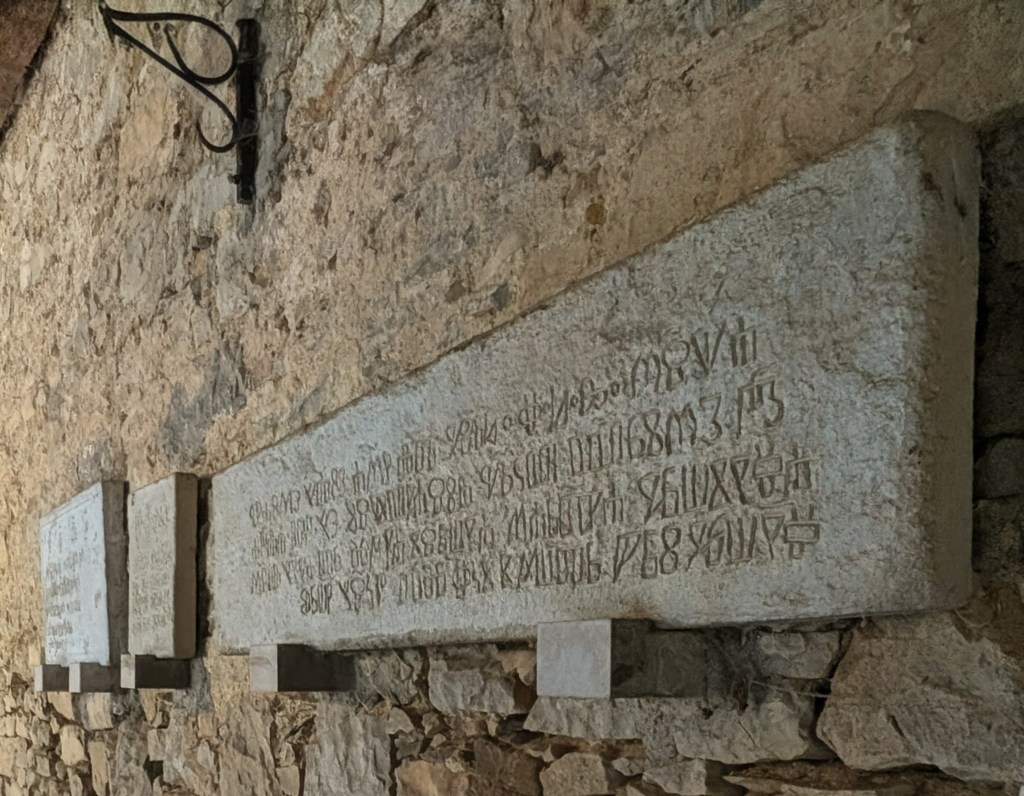
With only 20-30 inhabitants, Hum is the smallest town in the world. The town was originally built within its city walls, and while surrounding towns have expanded their town size, Hum has stayed true to this perimeter. The town’s streets and buildings are charming and the history of not only the town, but also the language of the area is celebrated here. On the drive in, a sculpture park of the Glagolitic alphabet begins the conversation about the history of the heritage of Glagolitic writings in the area. This script was created in the 9th century and used until the beginning of the 19th century. The town features relics of Glagolitic writing, and a 7km walk between Roč and Hum features more monuments celebrating this ancient Slavic script.

Oprtalj
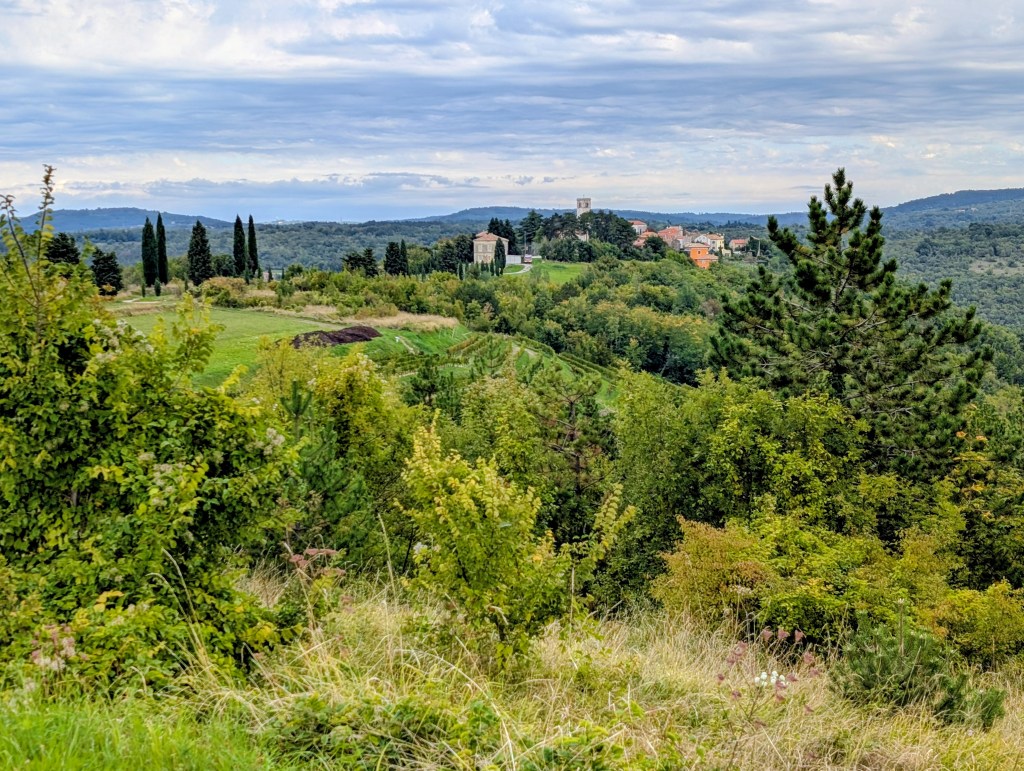
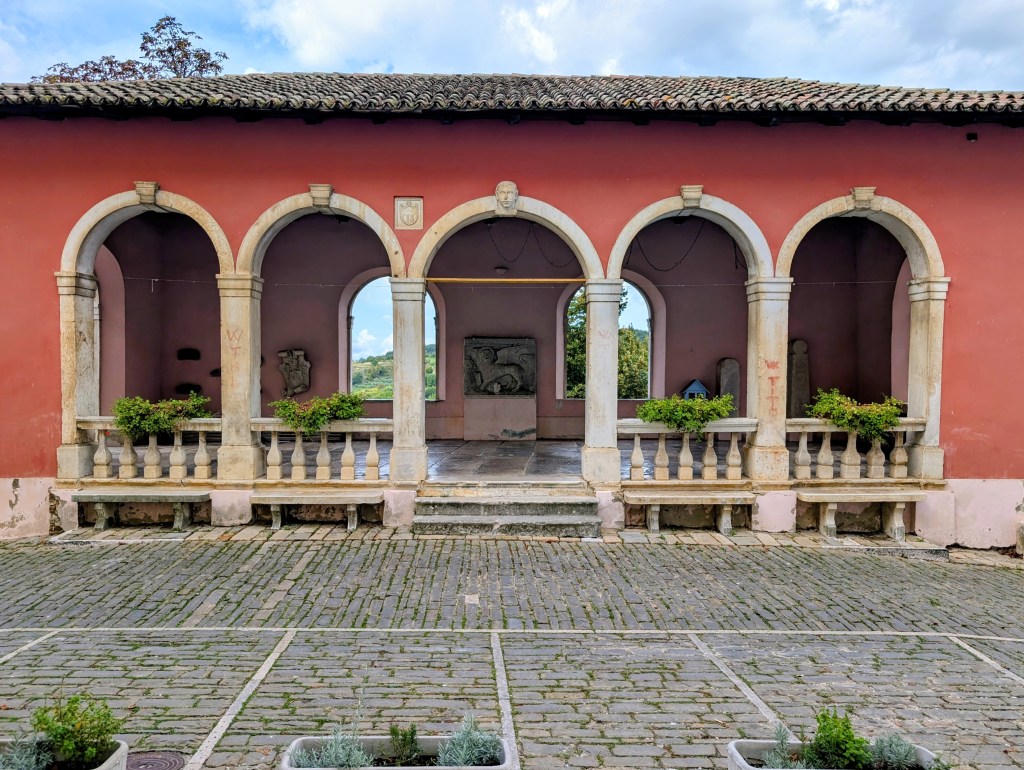
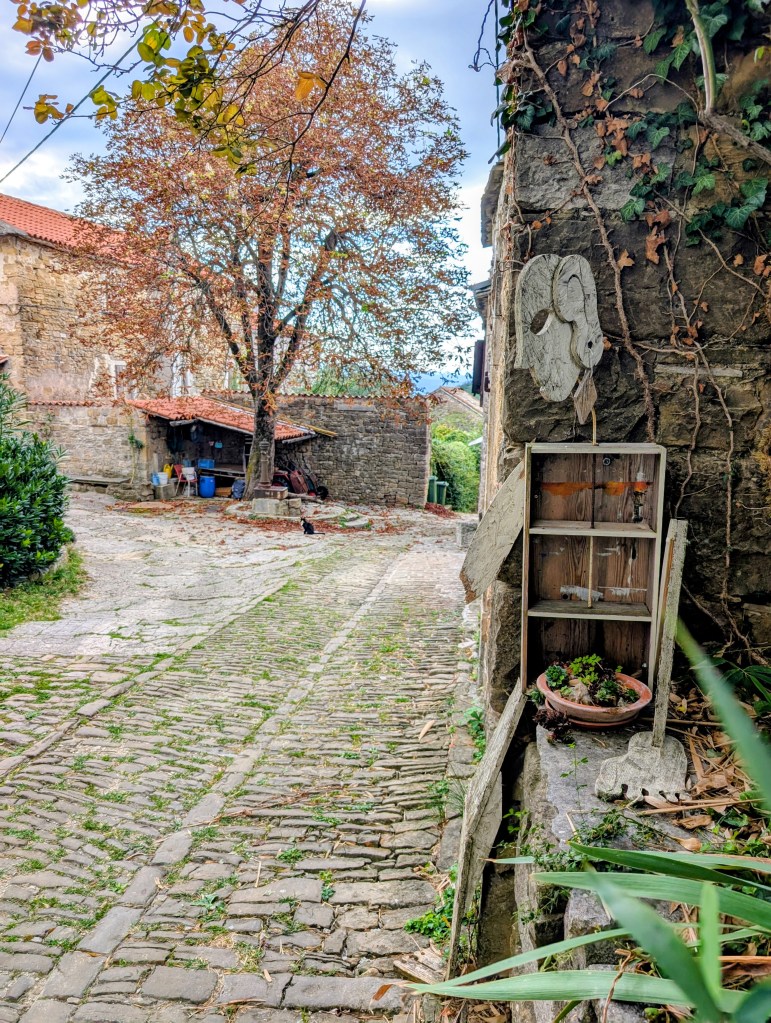
Sitting 378 meters above the sea level, Oprtalj offers beautiful views of the Mirna valley. A series of cypress trees leads the way up the hill to the main town where a three arched building frames the valley on the right and the city gate welcomes you into the cobblestone streets of the town on the left. I found this to be the most rustic of the hill towns, but that’s also the reason that I really loved walking around and appreciating the history of the town. The town also seems to embrace history as there are several antique shops to visit.

 Mac On the Map
Leave a comment