
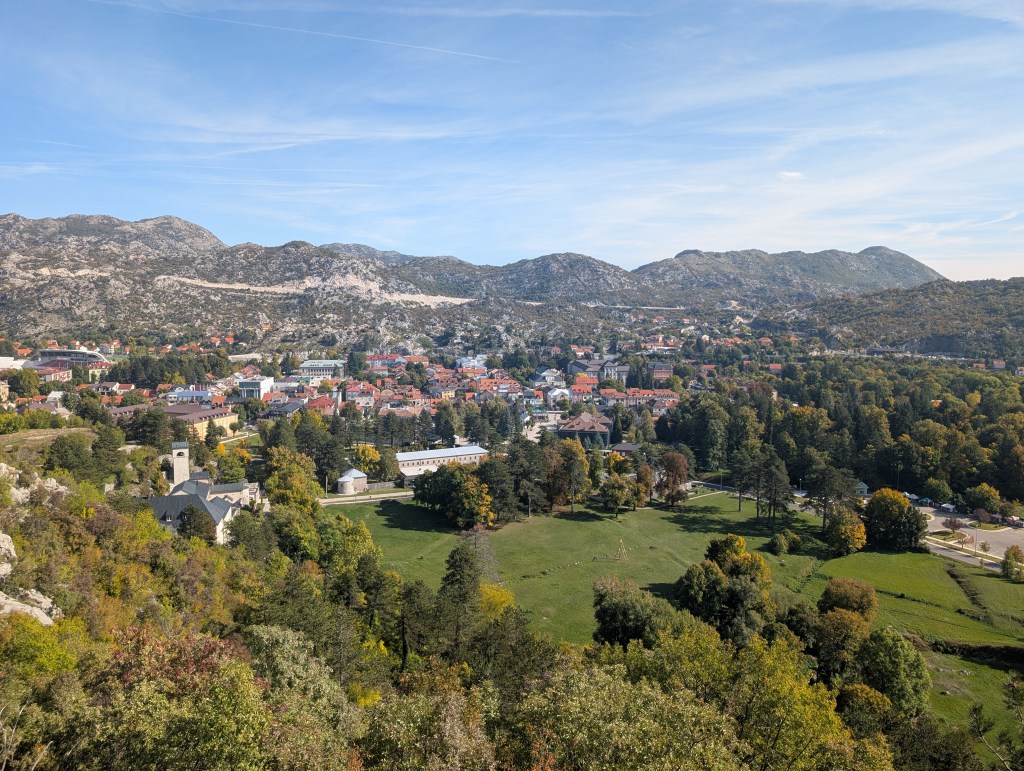
After traveling from one cruise destination to the next, Cetinje was a breath of fresh air: the cool crisp air of early autumn. Coming from New England where fall foliage is a destination in itself, it was a welcome surprise to see the small groves of vibrant yellow and red trees. The whole city had a local vibrancy to it.
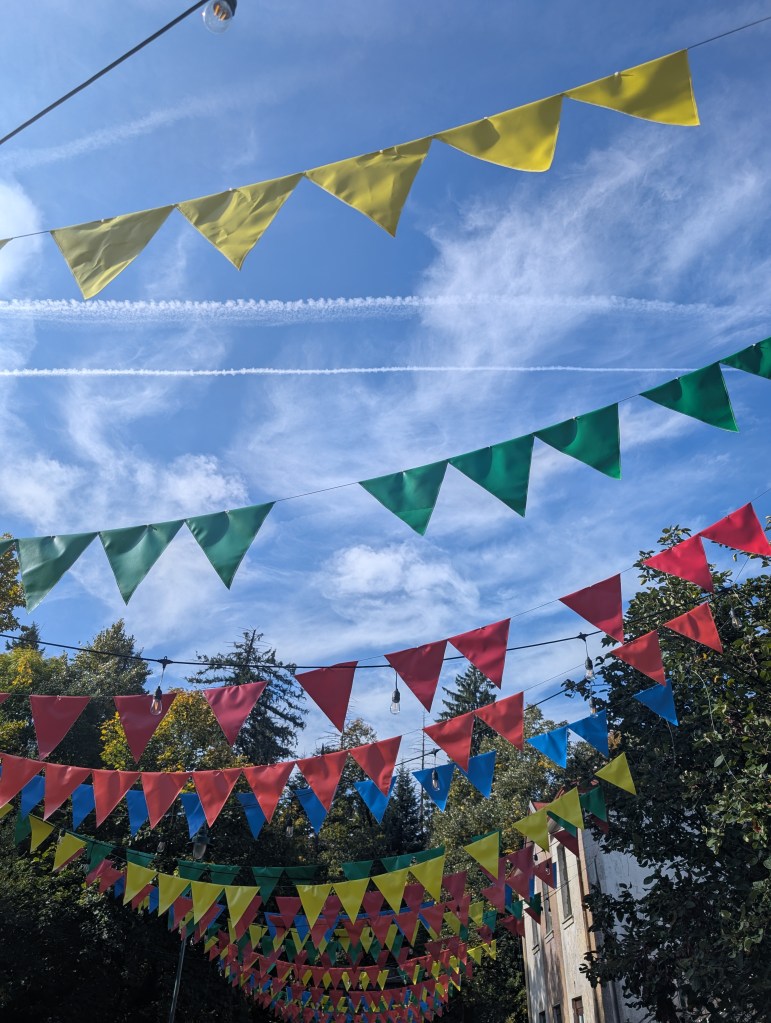
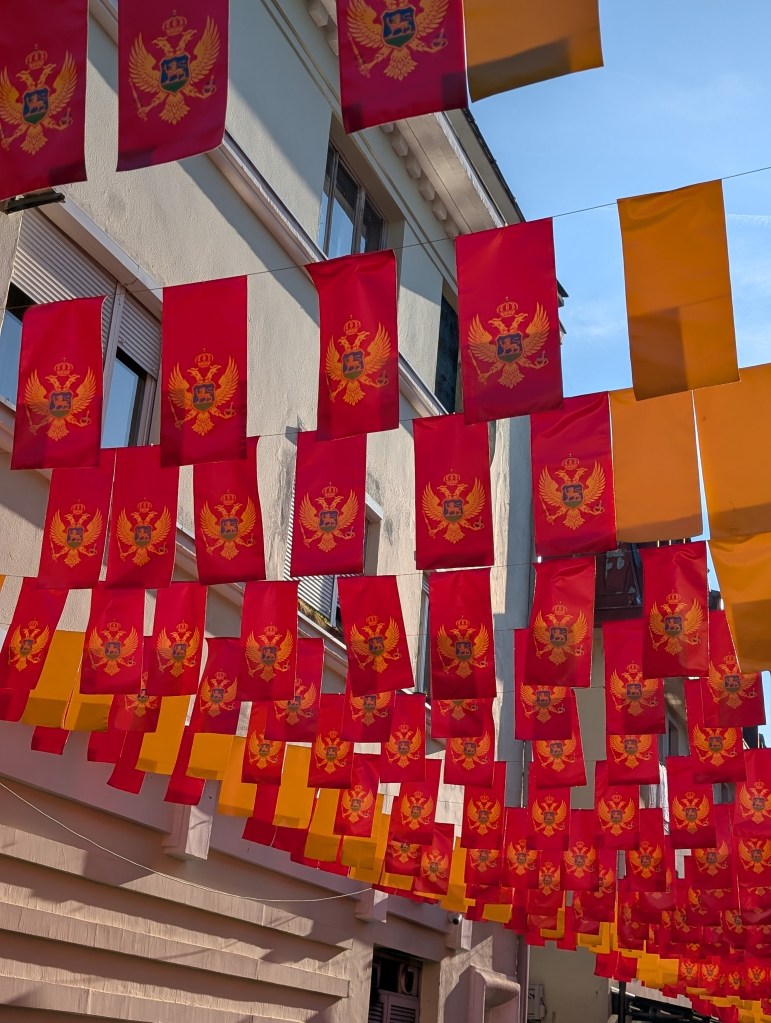
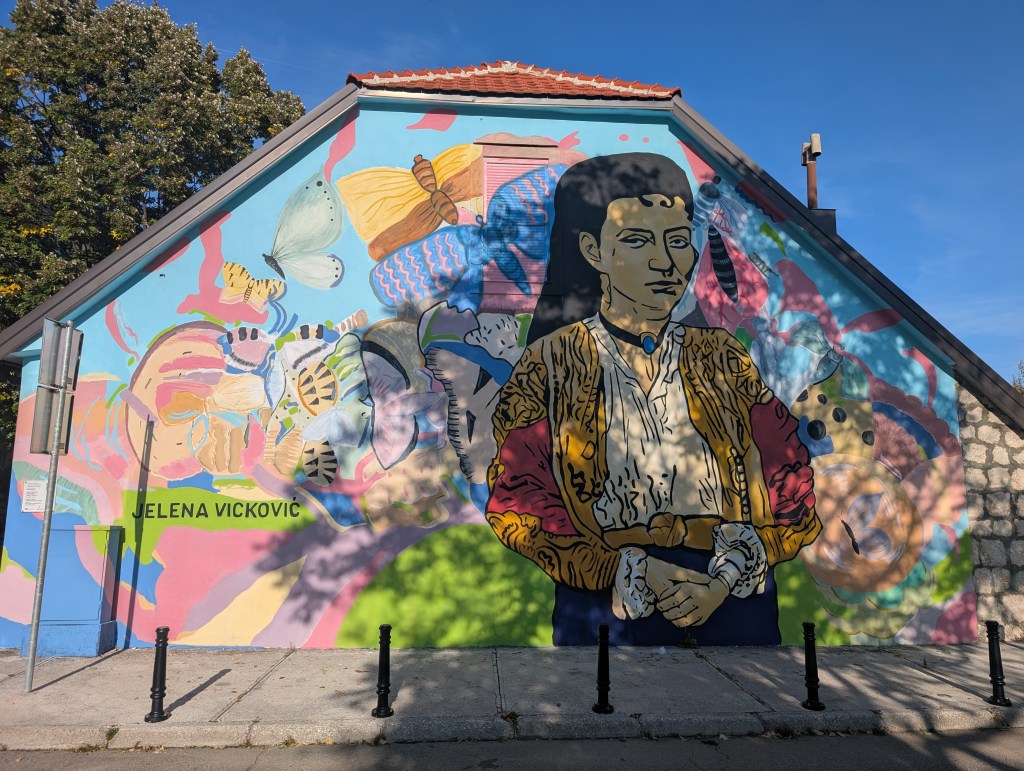
Once the official capital of the country, Cetinje is still considered the cultural capital of Montenegro. The embassy buildings left over from the former capital stand elegantly on either side of the tree lined section pedestrian street.
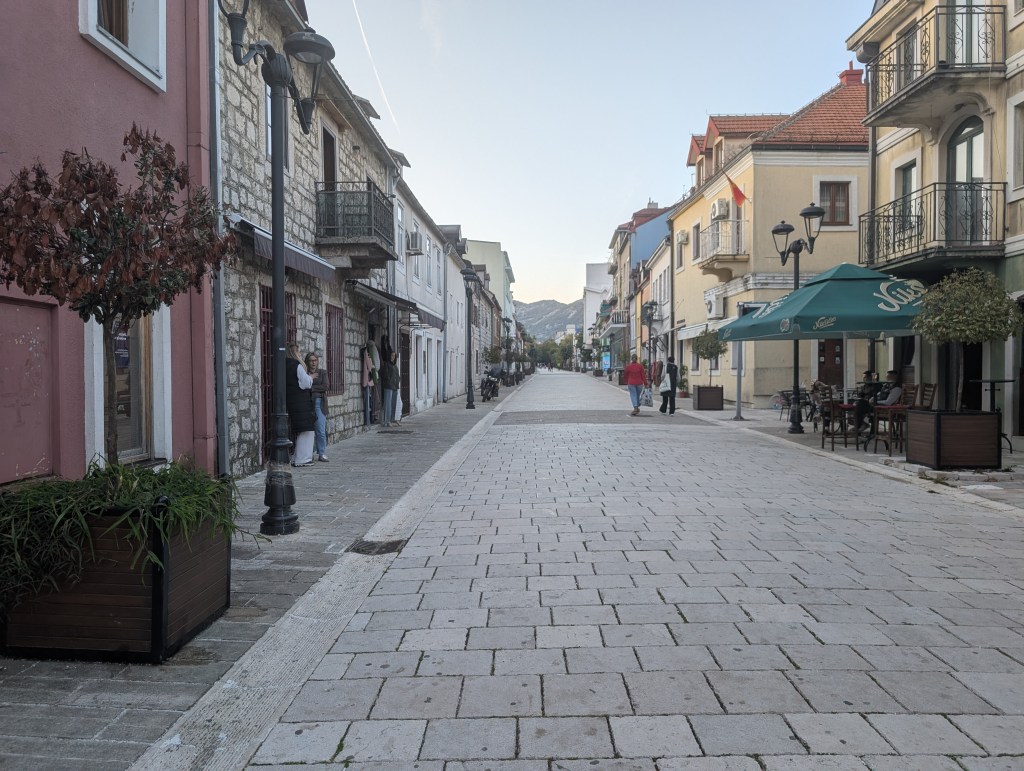
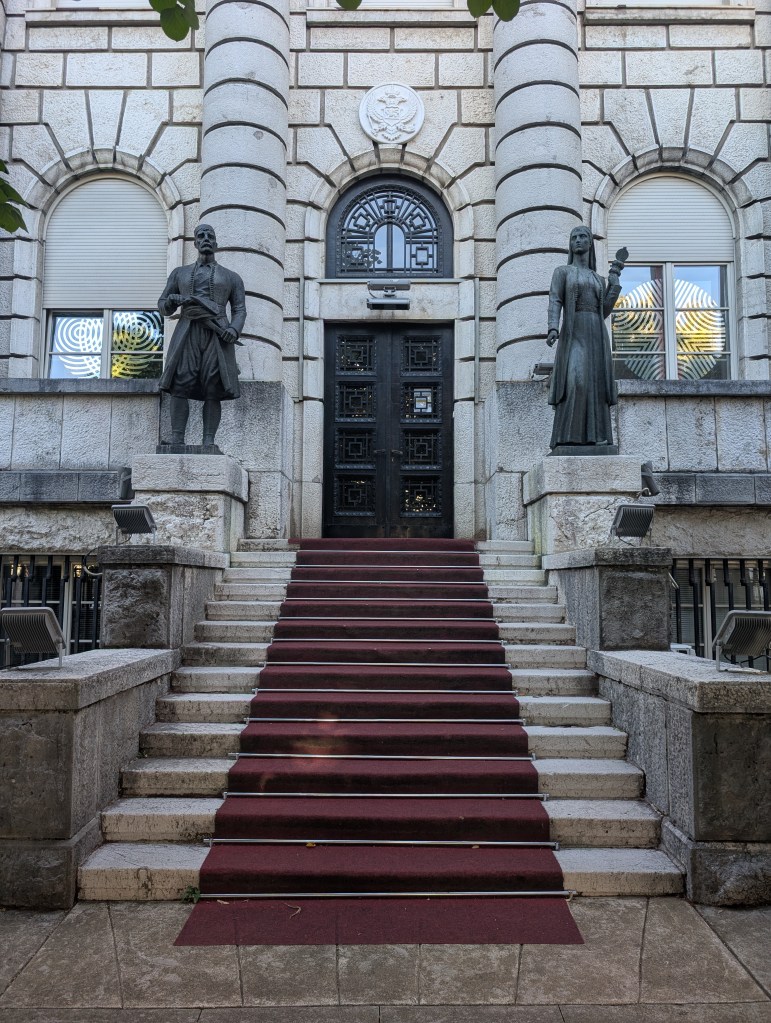
Each embassy has its own vibe – from the ornate windows and gargoyles of the former Russian embassy to the colored tiles adorning the former French embassy. Other notable buildings, like Djukanovic Palace, commonly known as the Four Seasons palace; the Blue Palace, the current residence of the president of Montenegro; the Ministry of Culture, the former King’s Palace; and the Vlach Church, built in 1450, add to the beauty of the city.
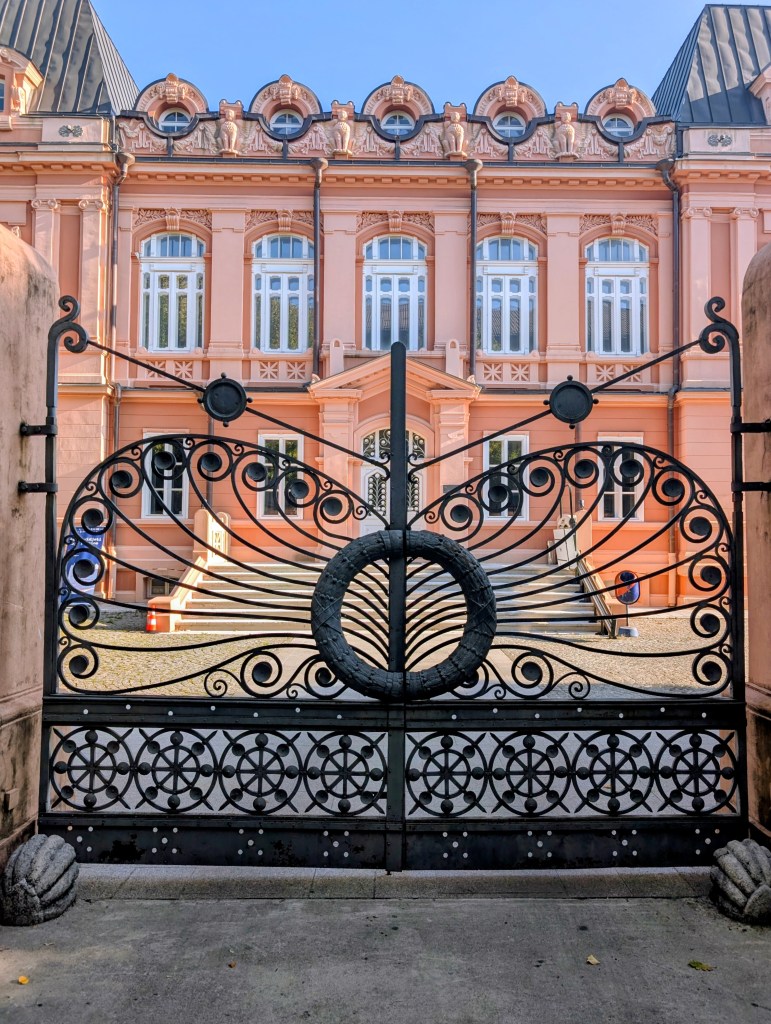

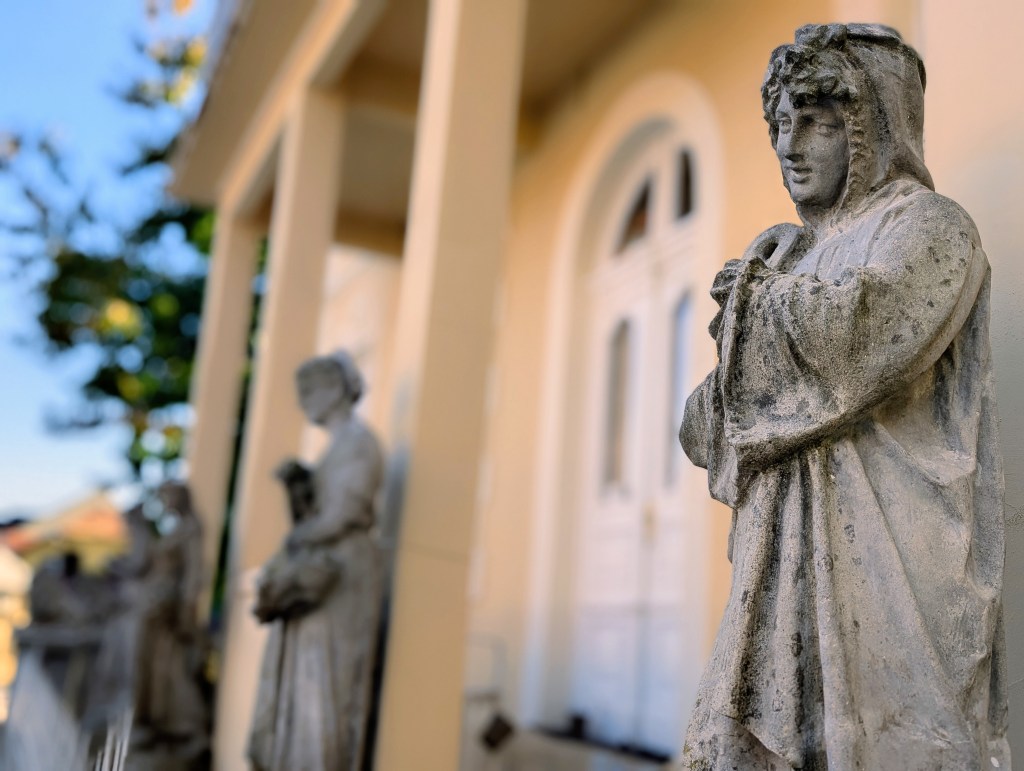
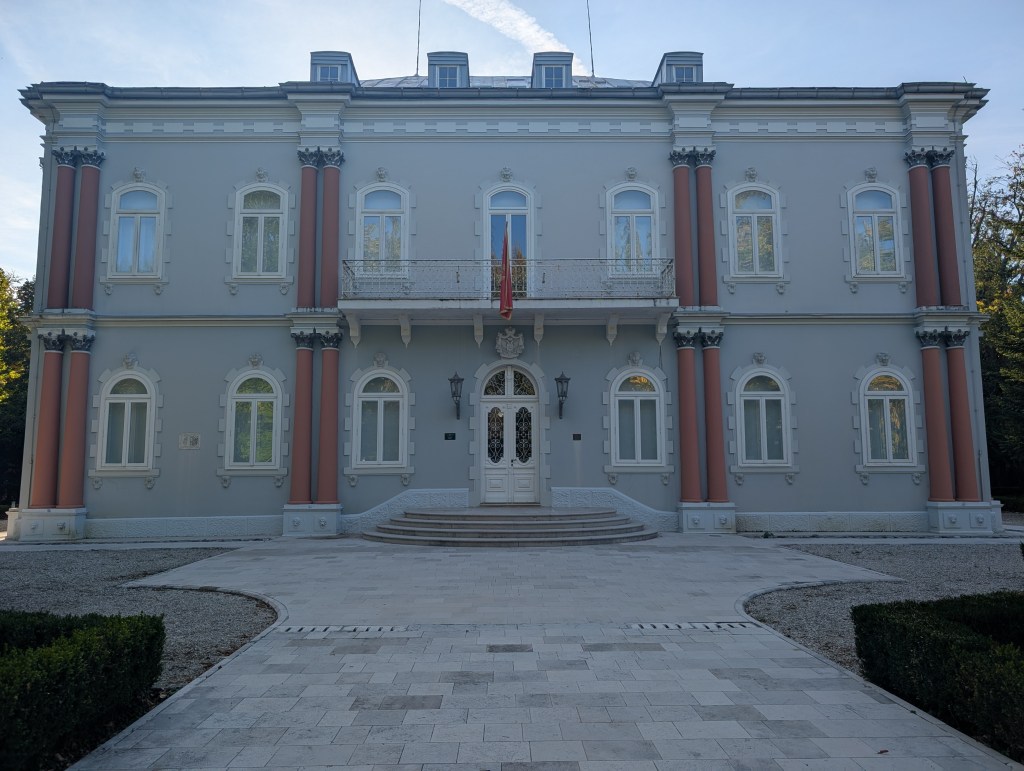

What I appreciated about this city was its unpolished, genuine atmosphere. Many buildings along the main pedestrian street are vacant or derelict, but the others are clothing and shoe stores, markets, and children’s shops for locals. Yes, there are a few tourist shops with the requisite magnets and the like, but the rest are free from tourist branded apparel.
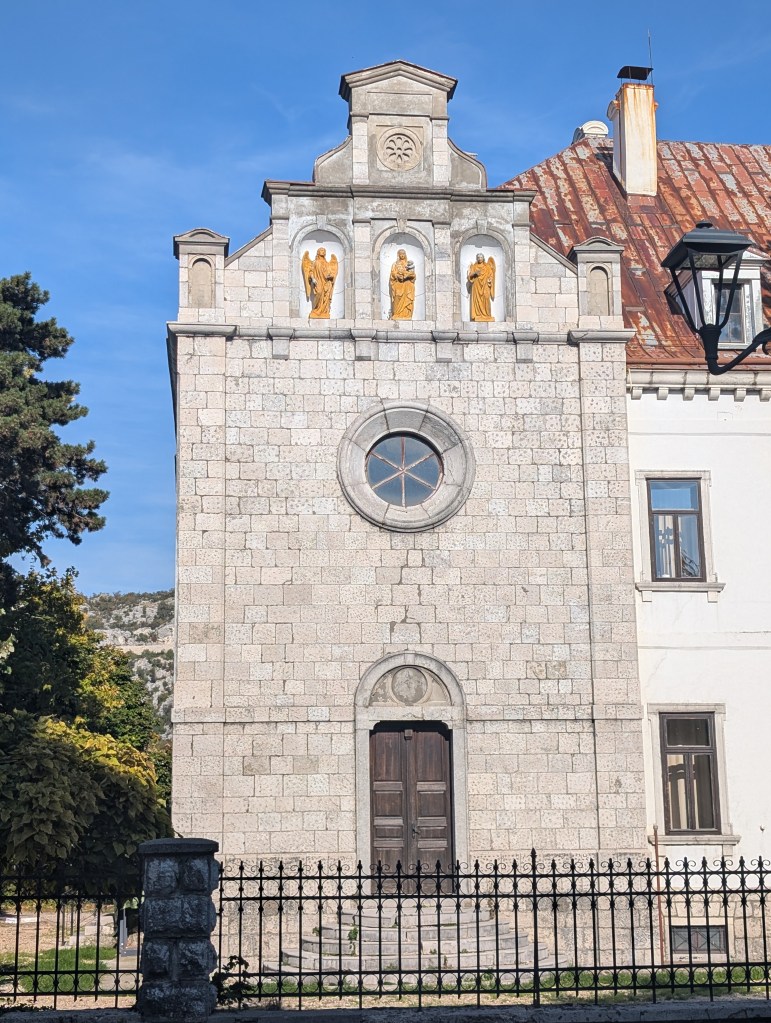
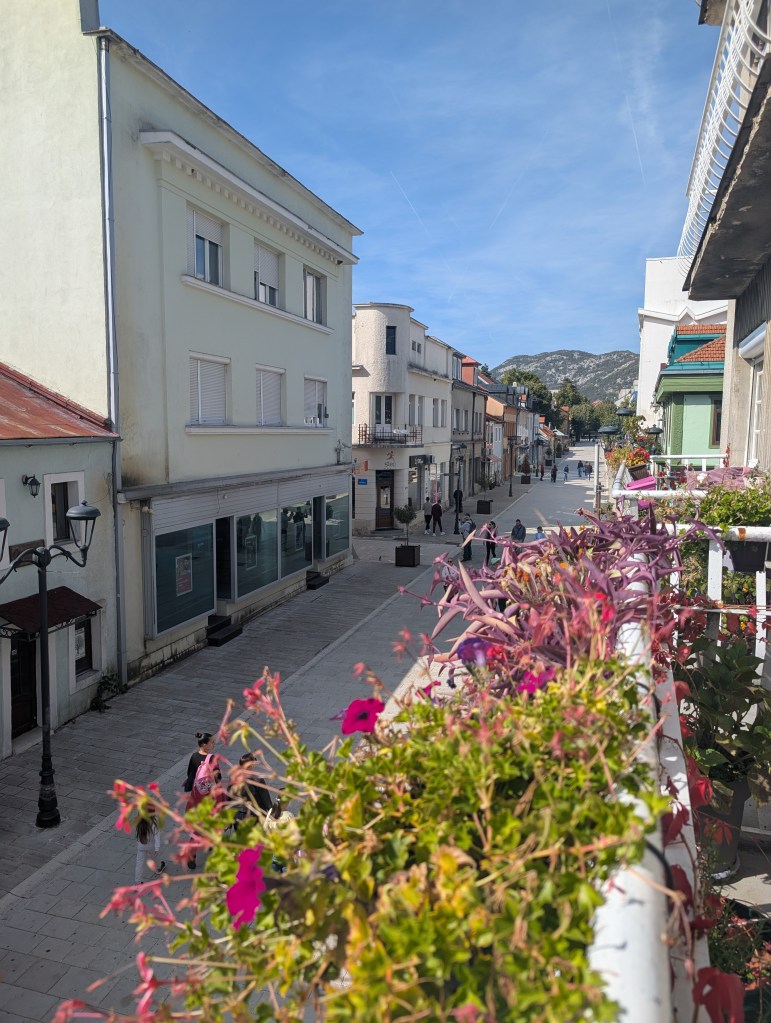
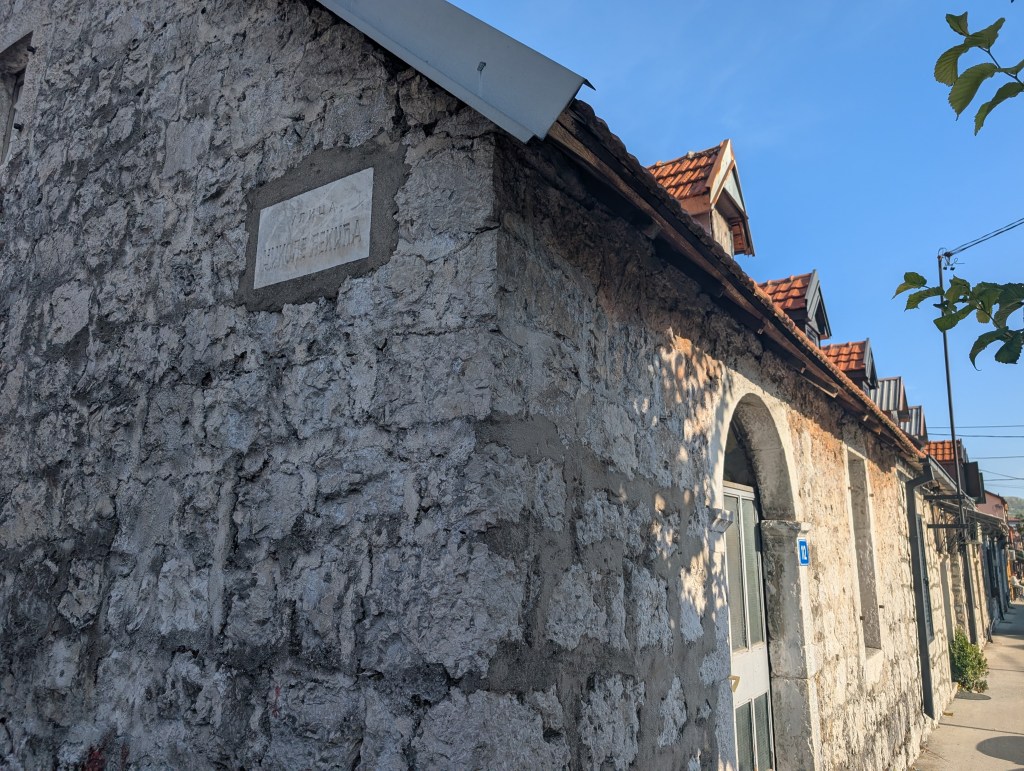

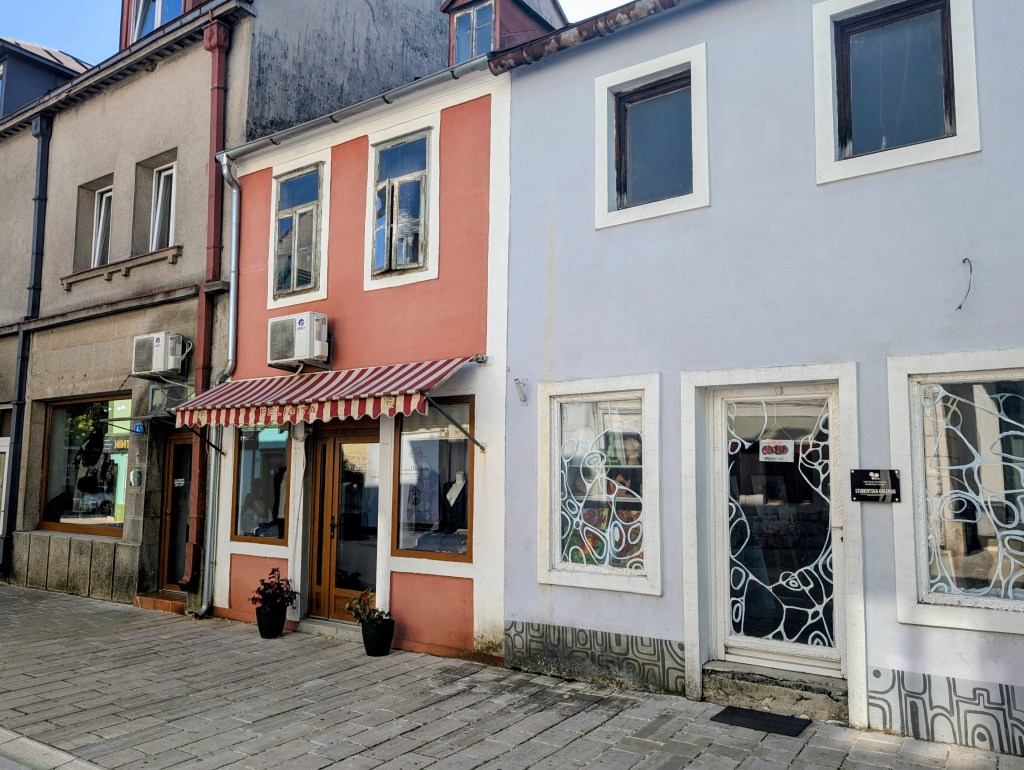
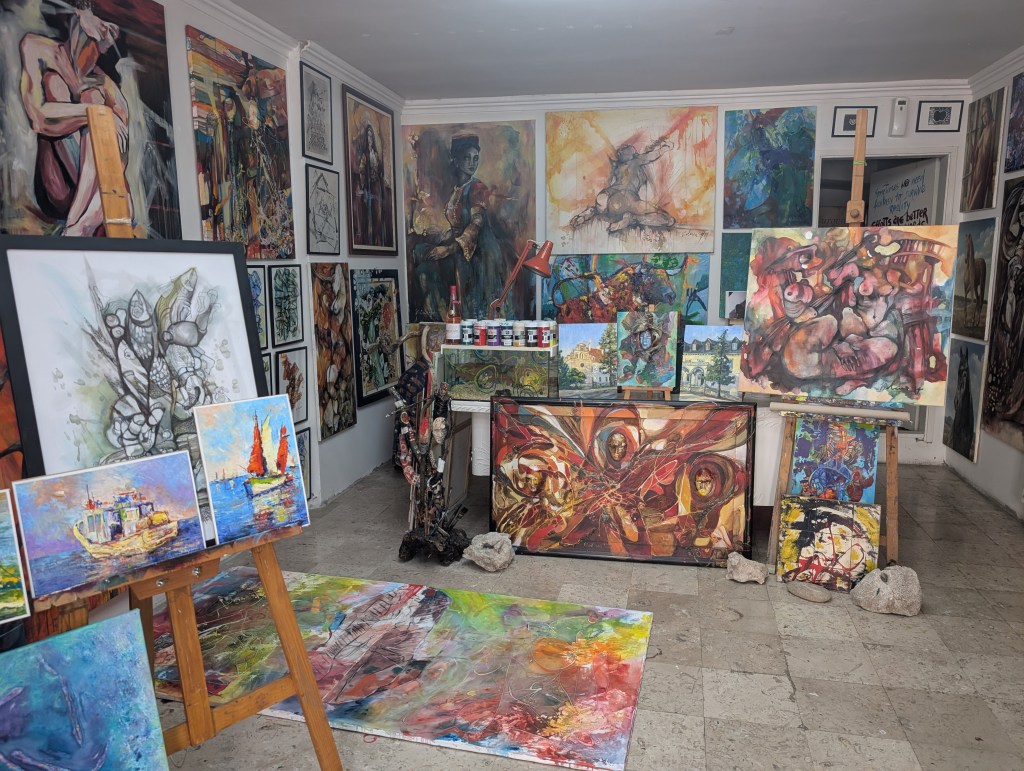
I especially enjoyed the haphazard beauty of the stacked and overflowing Studentska Gallery, which features art from high school and university students in the area as well as local adult artists and the shop’s owner, Jelena Vusurovic. Another electric and interesting space is Ка’ Дома. Outside of the main bar offerings, the three floor space offers staircase murals, collections of art work, comfortable seating, and a pool table.

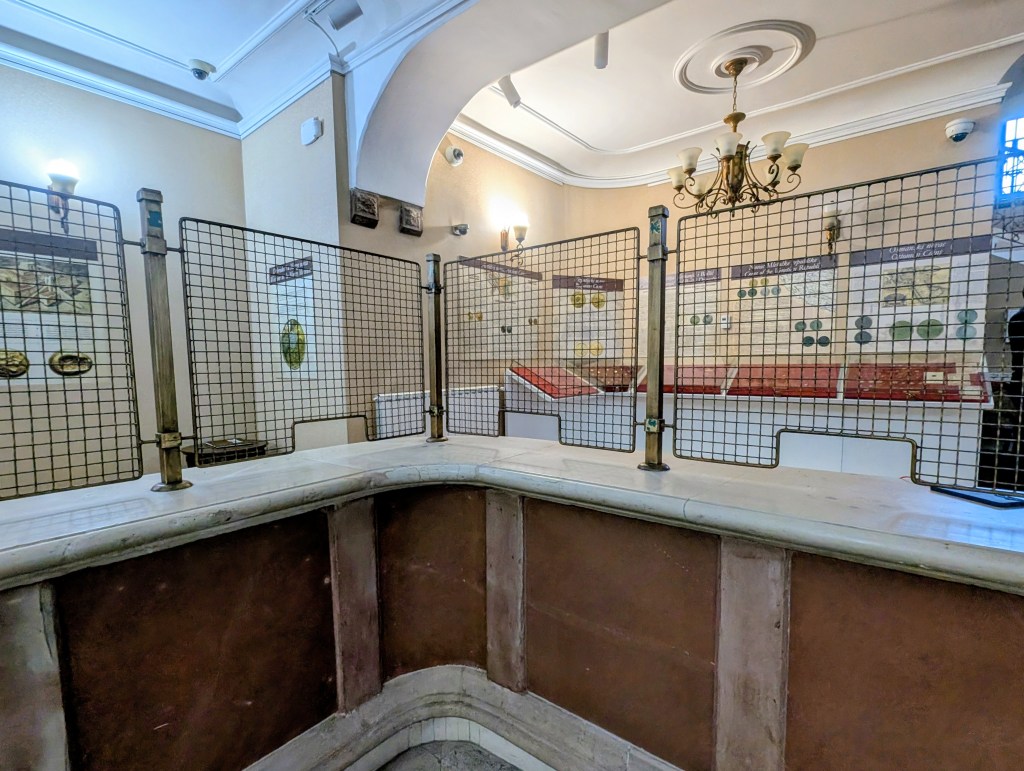
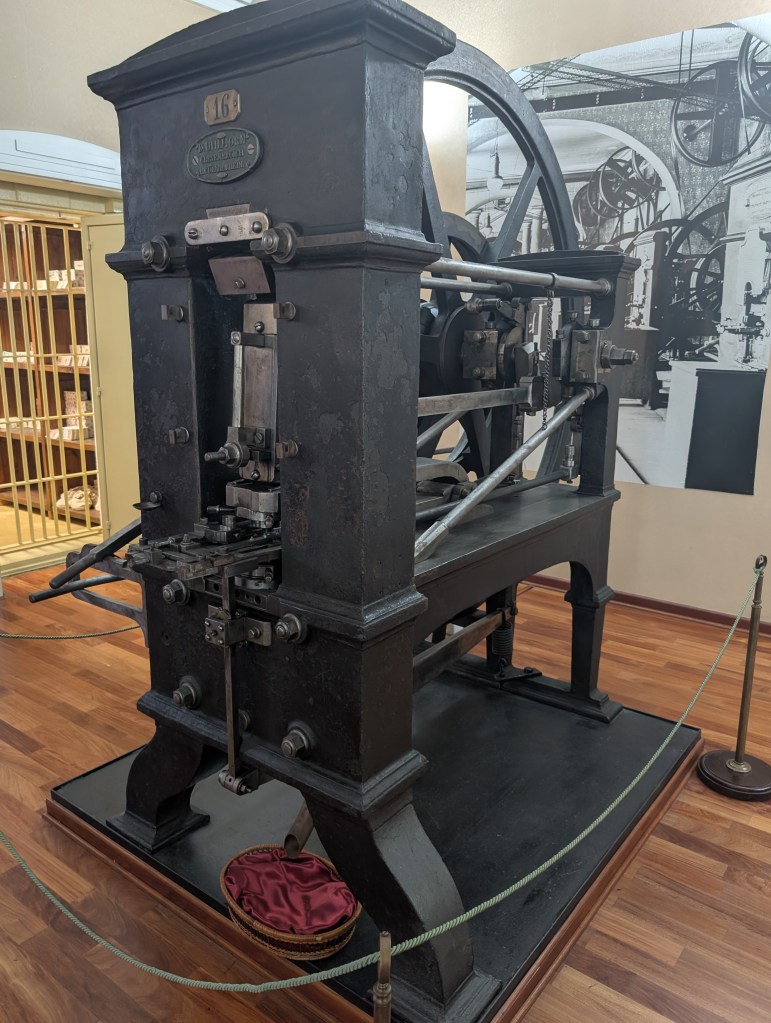
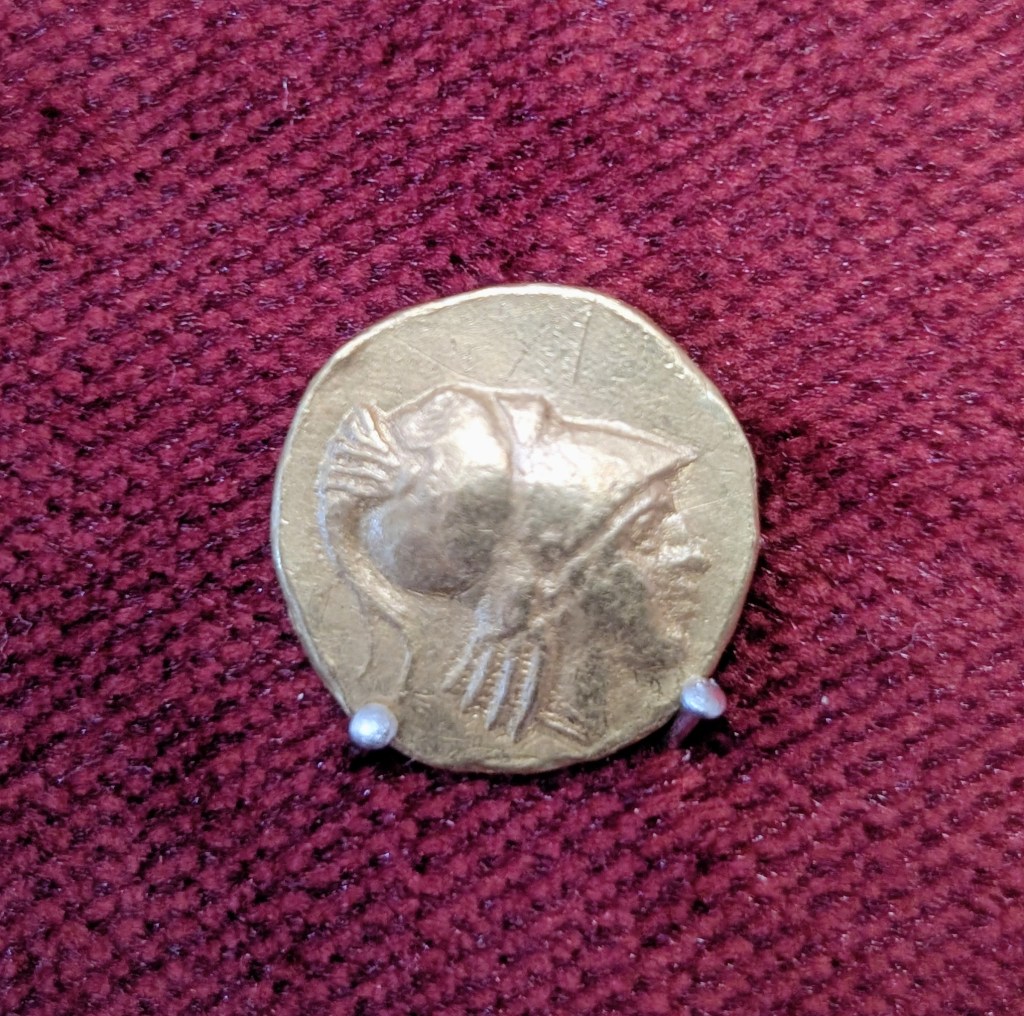
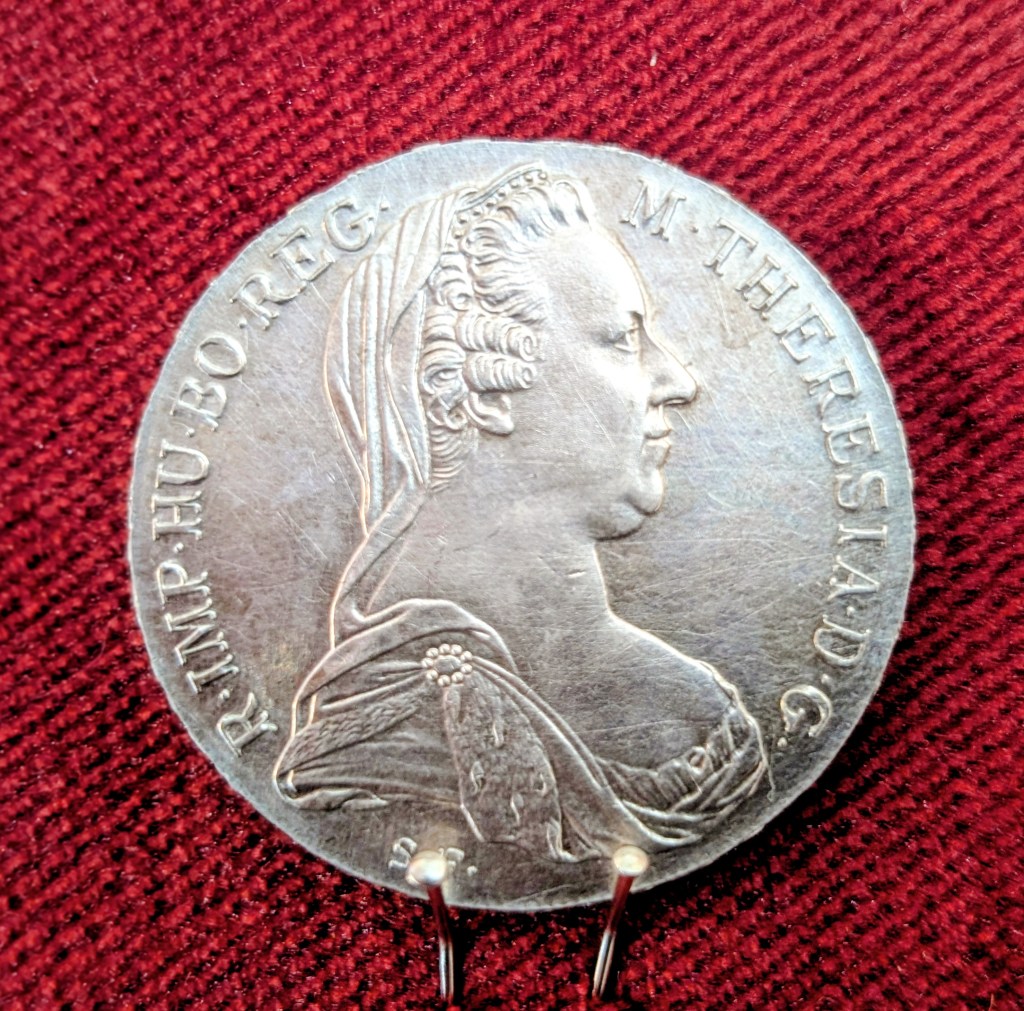
I started my day at the Museum of Money. Once the Montenegrin bank, this museum chronicles the history of money in the region from the oldest coin found from 4th century BC to the use of the Euro in Montenegro today (even though it’s not an EU country). As an introduction to our American Literature curriculum, I have my classes discuss the symbolism of the dollar bill as a representation of our country’s values; and reading through the informational plaques about the images that have graced the bank notes and the changes that have been made as the country’s status changed over the centuries, it is clear that the same can be said for Montenegro’s currency.

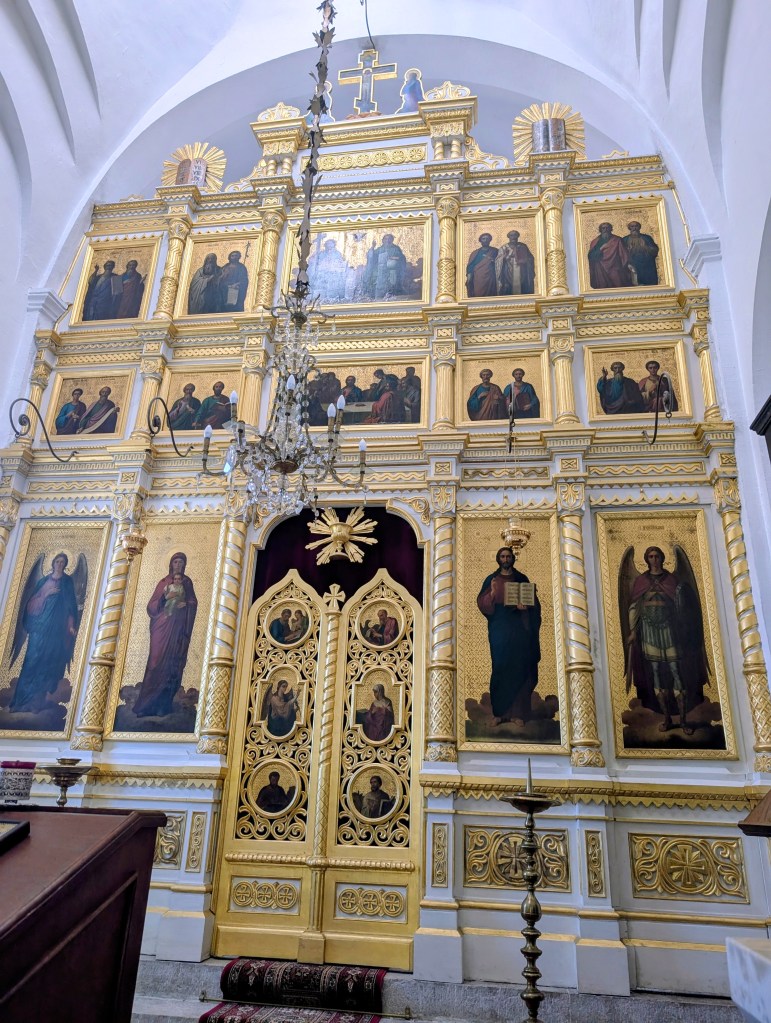
Just outside the pedestrian street, two notable religious sites caught my eye. The Court Church in Ćipur is a Serbian Orthodox Church built by King Nikola I in 1890 on the site of a former monastery built by Ivan Crnojevic in the 15th century. The ruins of the old monastery are still present, including columns in front of the church that create an unusual visual entrance. Inside the small church there is a beautiful golden altar and the tombs of Ivan Crnojevic, King Nikola, Queen Milena and Montenegrin princesses Ksenija and Vjera.

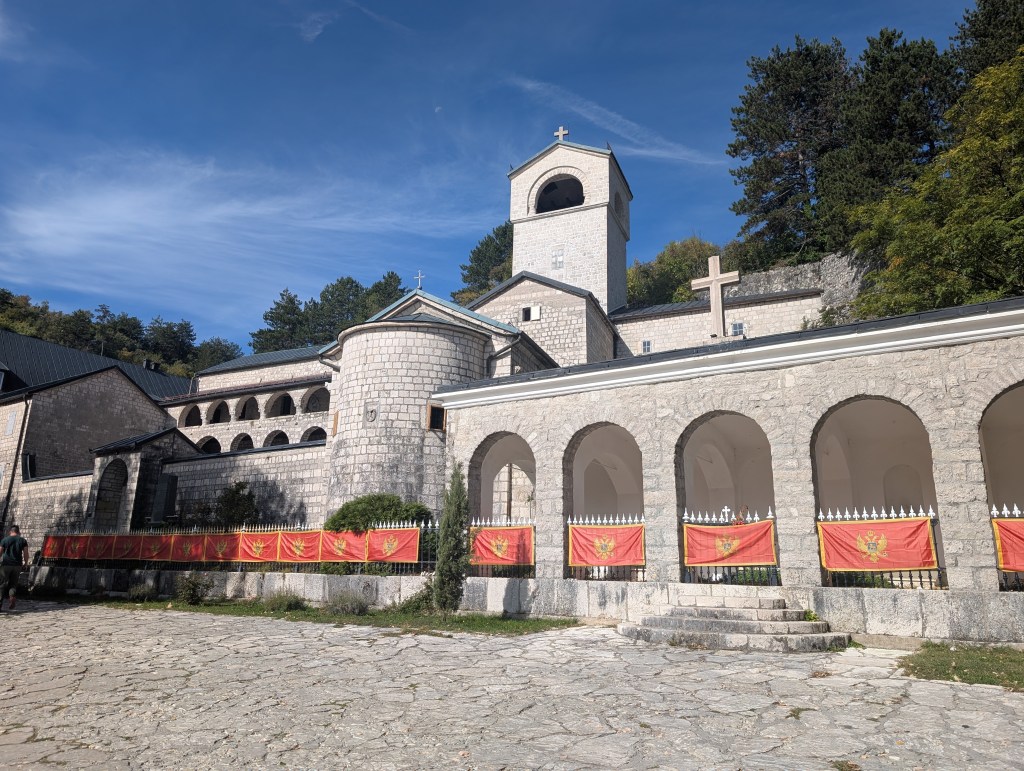
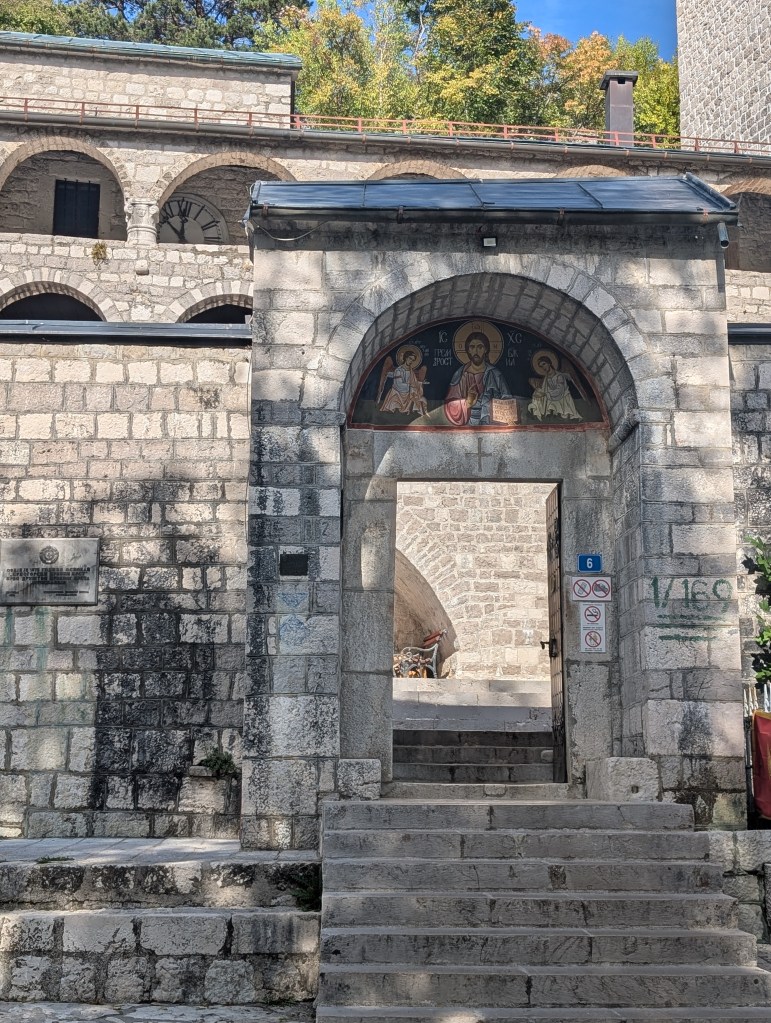
Next door is the Cetinje Monastery. Built in 1701 and still in use today, most of the monastery is private; however, the beautiful stone entryway and the small altar area to the right are open to visitors, but not to photography.
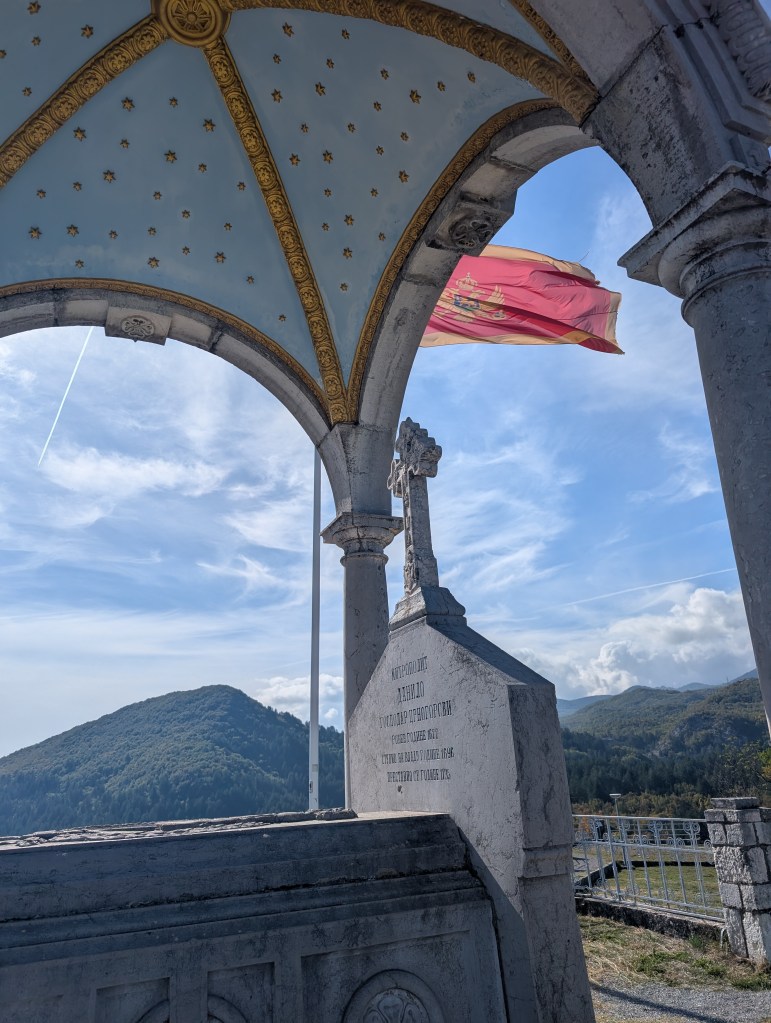
After visiting the Cetinje Monastery, I hiked up to Eagle Stone. At the top of the small hill, Bishop Danilo’s Mausoleum stands prominent in the landscape. The spot gives a great view of the city of Cetinje as well as the mountains in Lovćen National Park, including the mausoleum of Montenegrin leader & poet Petar II Petrovic Njegos, which I would’ve loved to visit but didn’t have the means to do so.
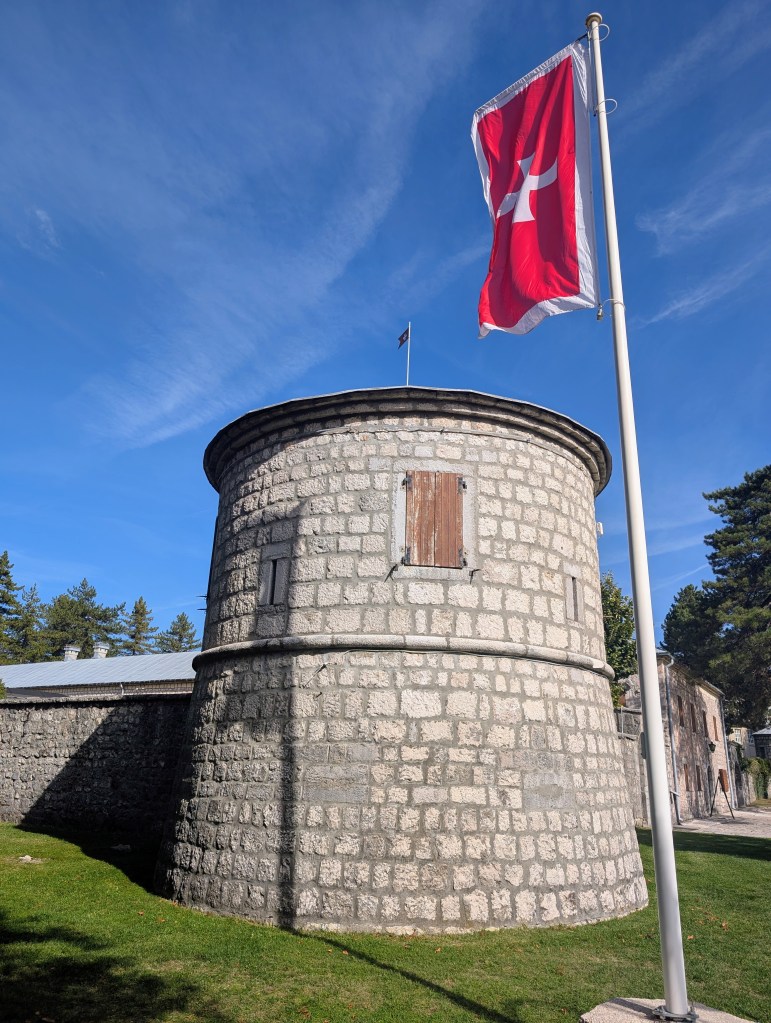
Instead of hiking back down to the city and then taking another well tread path up to the Cetinjska Tablja, I decided to follow a trail laid out on Alltrails through the surrounding woods. While the path was overgrown and rocky at times, it was nice to get away from people and immerse myself in the natural elements of the area. Cetinjska Tablja is an old guard tower in the place where the Turkish armies were captured and killed during the war with the Ottoman Empire in 1937.

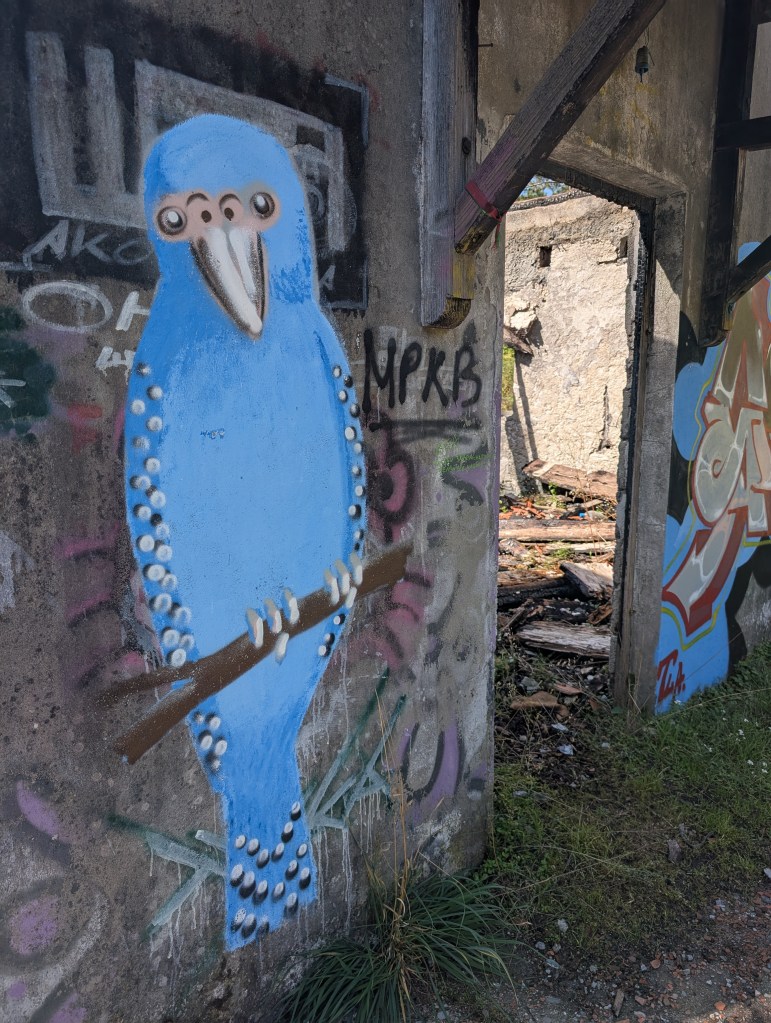

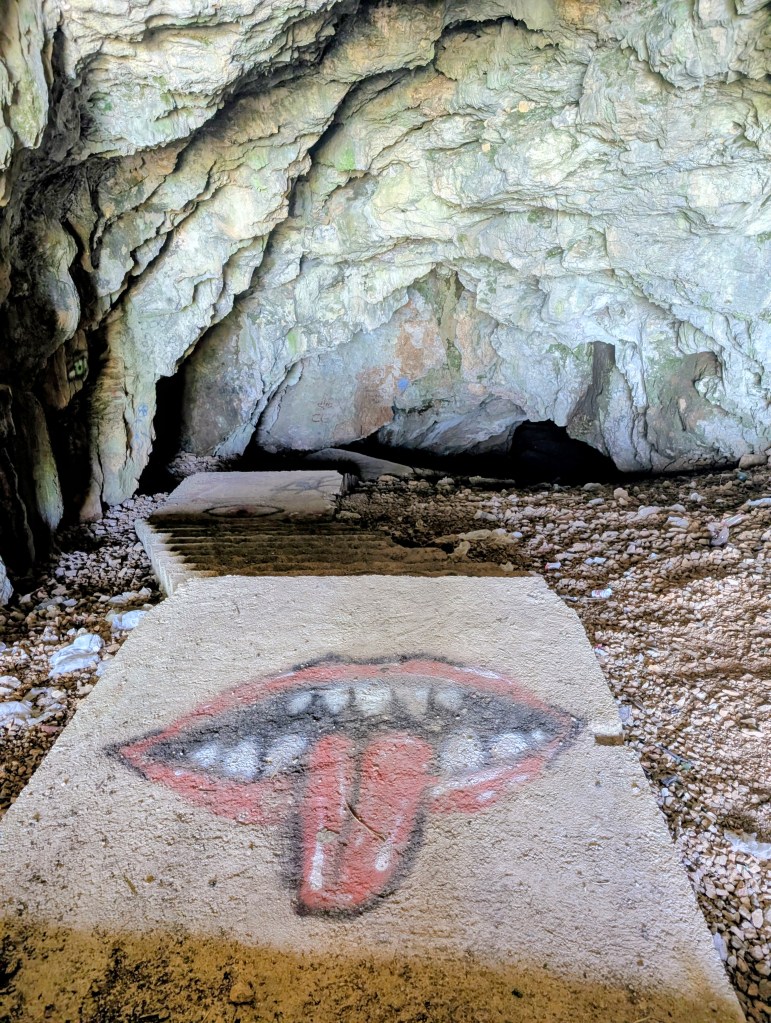
At the base of the Cetinjska Tablja, I found a large cave. While this isn’t the one listed on Google Maps – that one is more of a tunnel a little further down the path – I was surprised at how large and deep this cave was. Hiking alone, I decided not to venture too far into the dark and damp cave, but the concrete stairs made it obvious that many have done so.
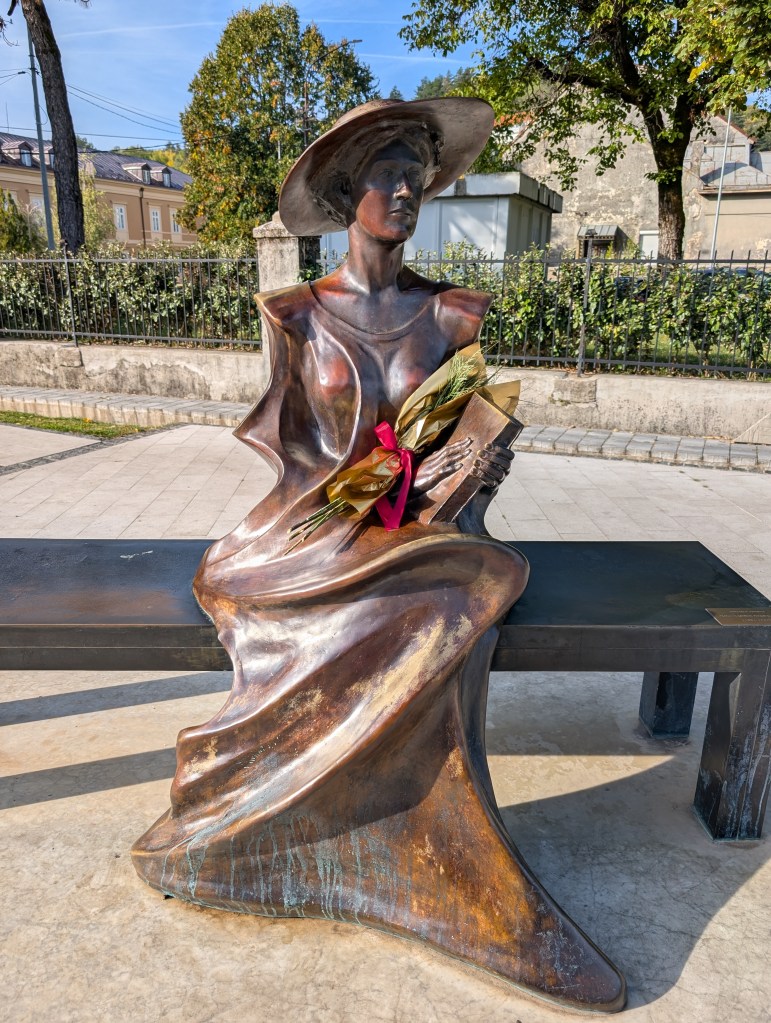
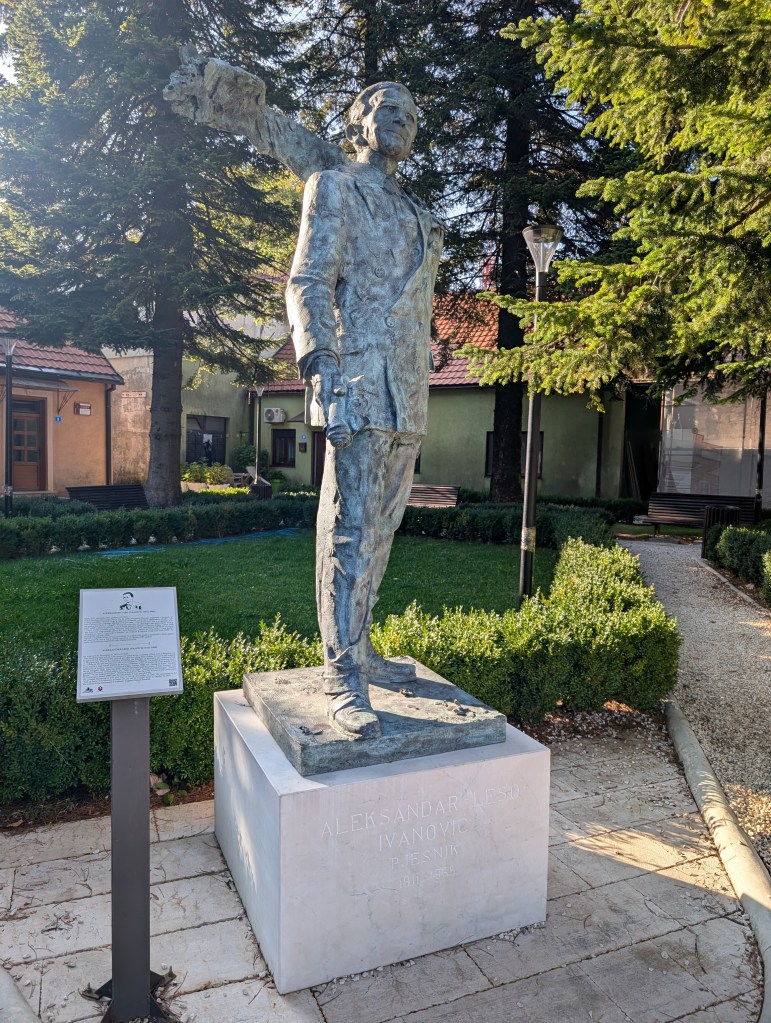
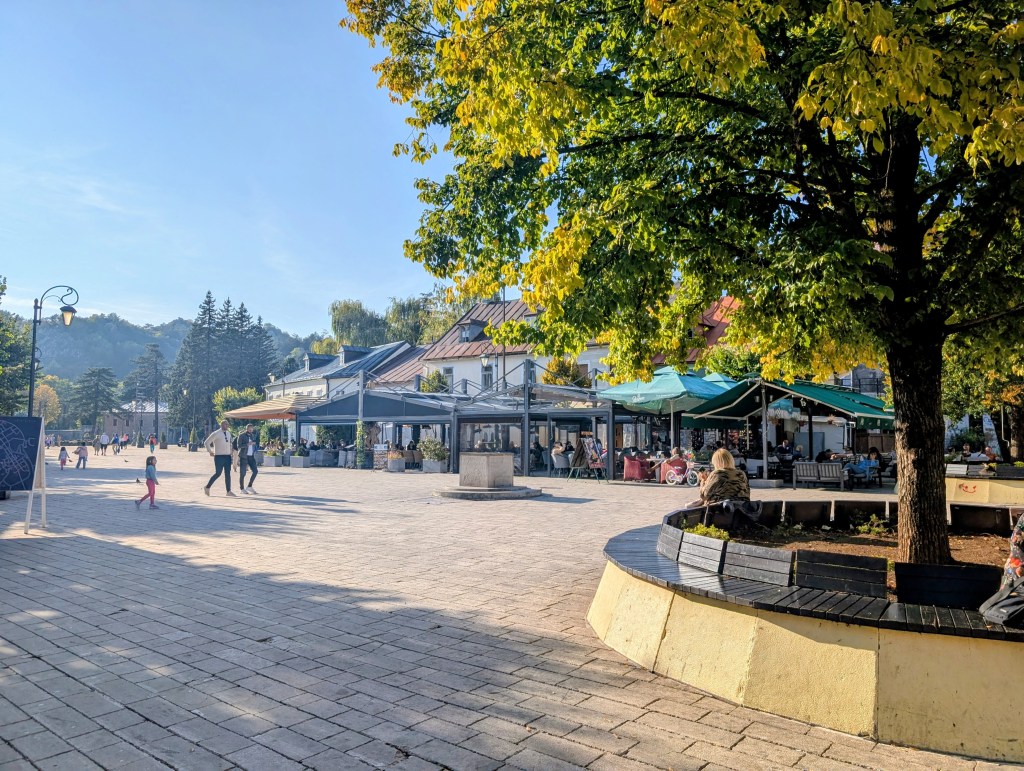
Cetinje offers a lot of little parks, monuments to local notable people, and green spaces. In the afternoons denizens enjoy an espresso outside a cafe while the children run and play in the pedestrian area. I enjoyed just watching the local energy of this small city.
 Mac On the Map
Leave a comment