
I visited Sifnos in the last week of October, meaning the off season. The weather was mild (high 60s) and the water was still warm (by New England standards), so it was a perfect time for me to slow down and enjoy the nature of the island.
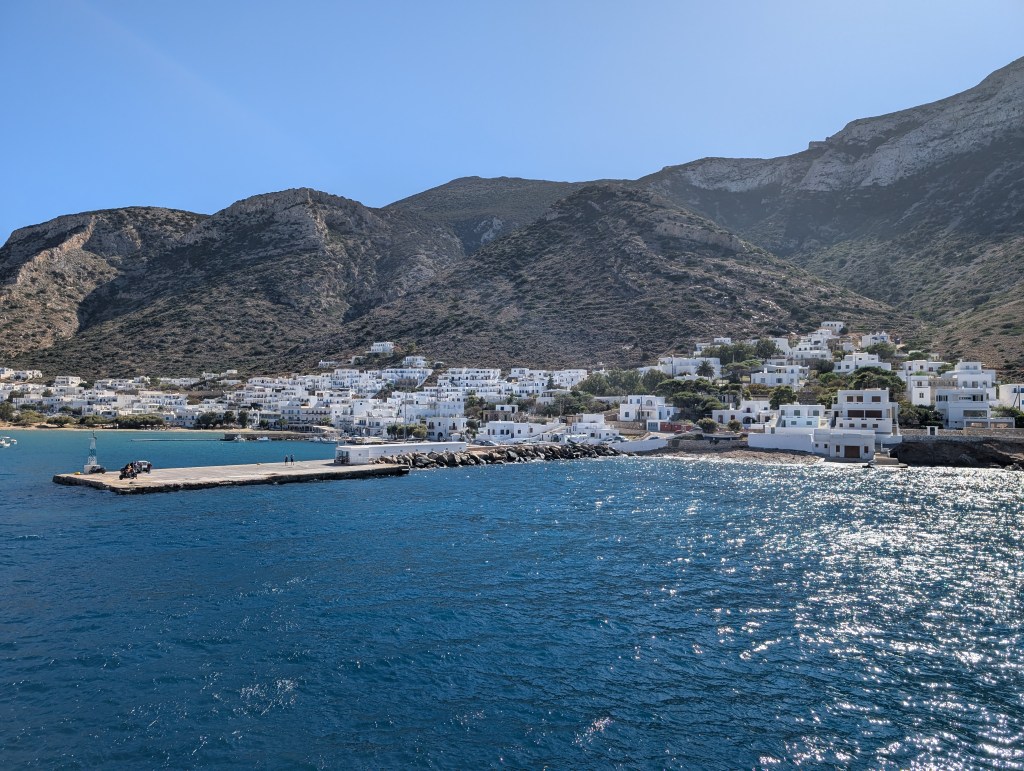
I stayed in Kamares, the main port of Sifnos. Kamares offers a short strip of restaurants and shops and a good size sand beach. It is a small town; the main town of the island, Apollonia is situated in the center of the island five kilometers up the winding mountain road from Kamares.
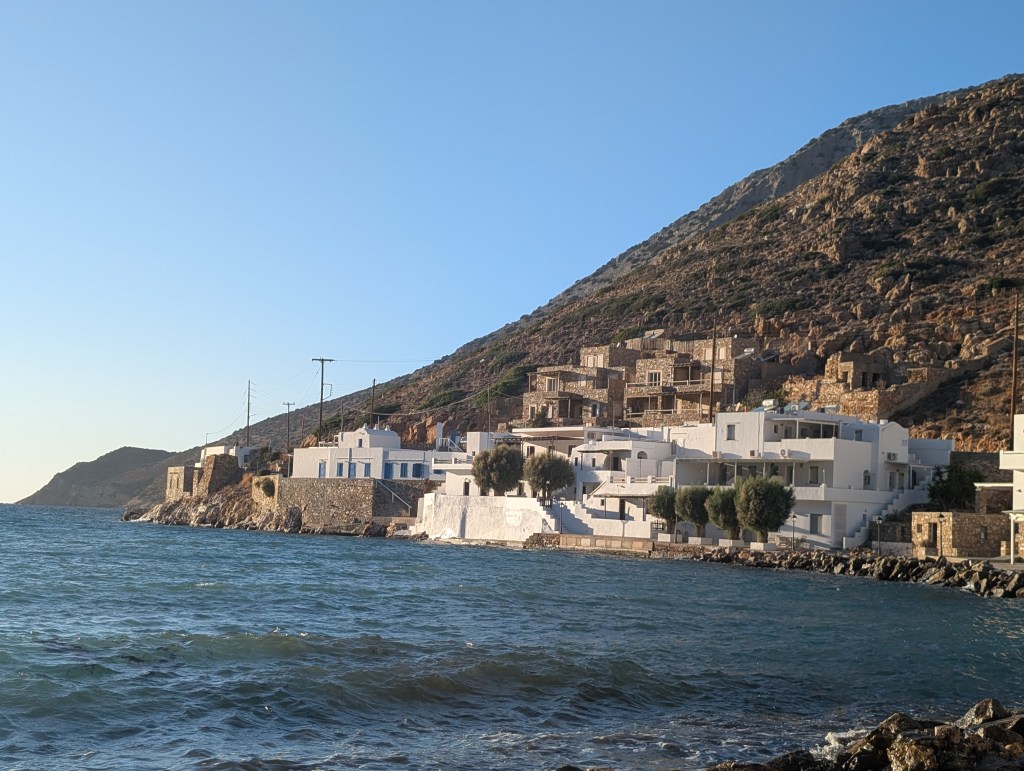

When I was choosing which Greek islands to include on my itinerary, I looked for an island that could offer hiking and beach opportunities, had some public transportation options, and was easily accessible by ferry from Athens. Sifnos offers all of these elements with the additional reputation as a culinary destination.

During the season, buses run from all sides of the island through the main hub of Apollonia throughout the day; however, in the off season, the bus options cut down to just three buses a day (aligning with the school schedule). The morning option from Kamares to Apollonia is only 7:15 and there are two early afternoon buses back from Apollonia (1:30 & 2:30). While this meant an earlier morning than I would’ve liked, it still allowed me to explore some of island without a car.
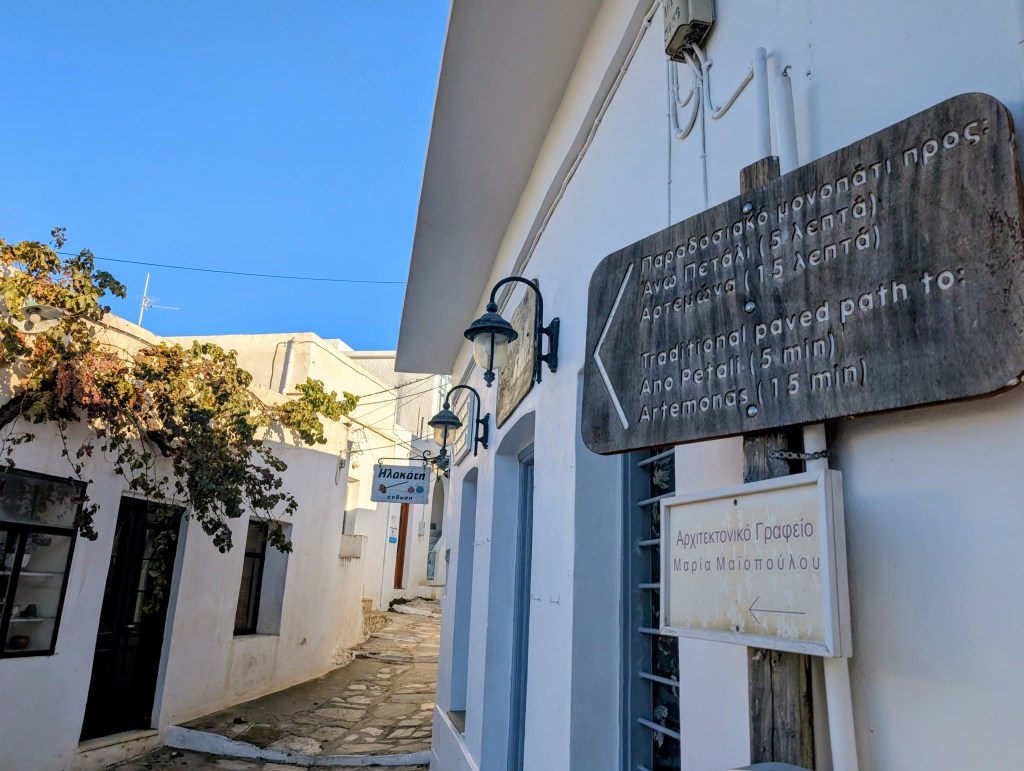
Two separate days, I took the morning bus to Apollonia and walked the Sifnos Trails around the island. Made up of over 200 kilometers of trails, the 19 marked trails traverse old agricultural paths dating back to the 3rd century.
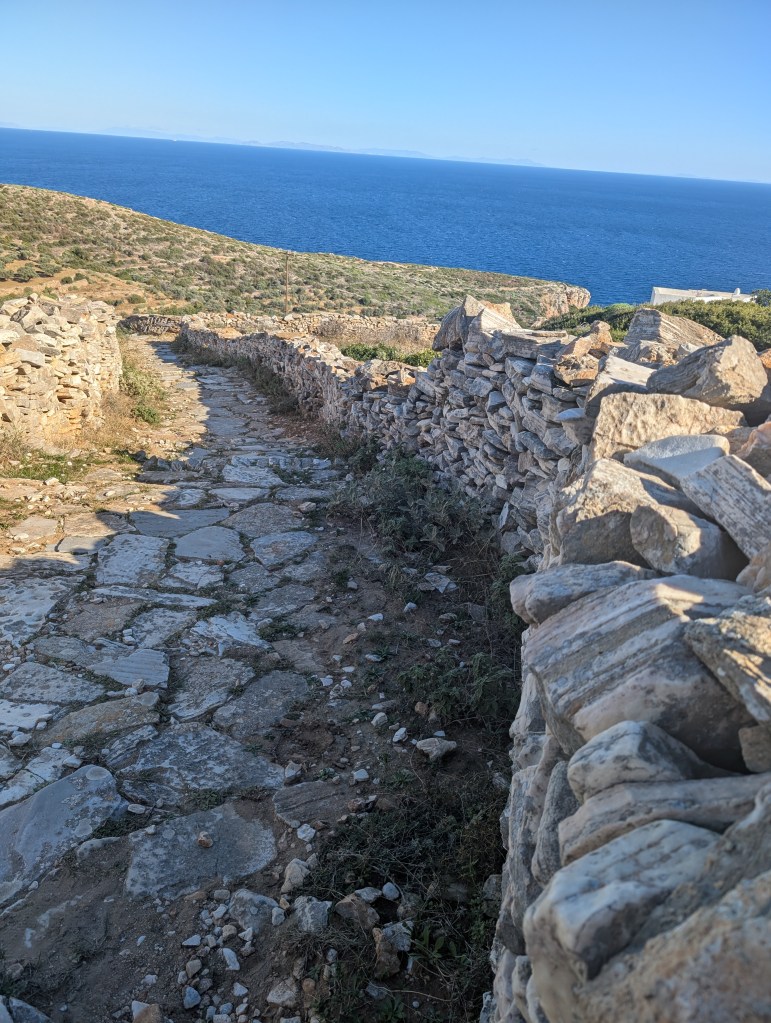


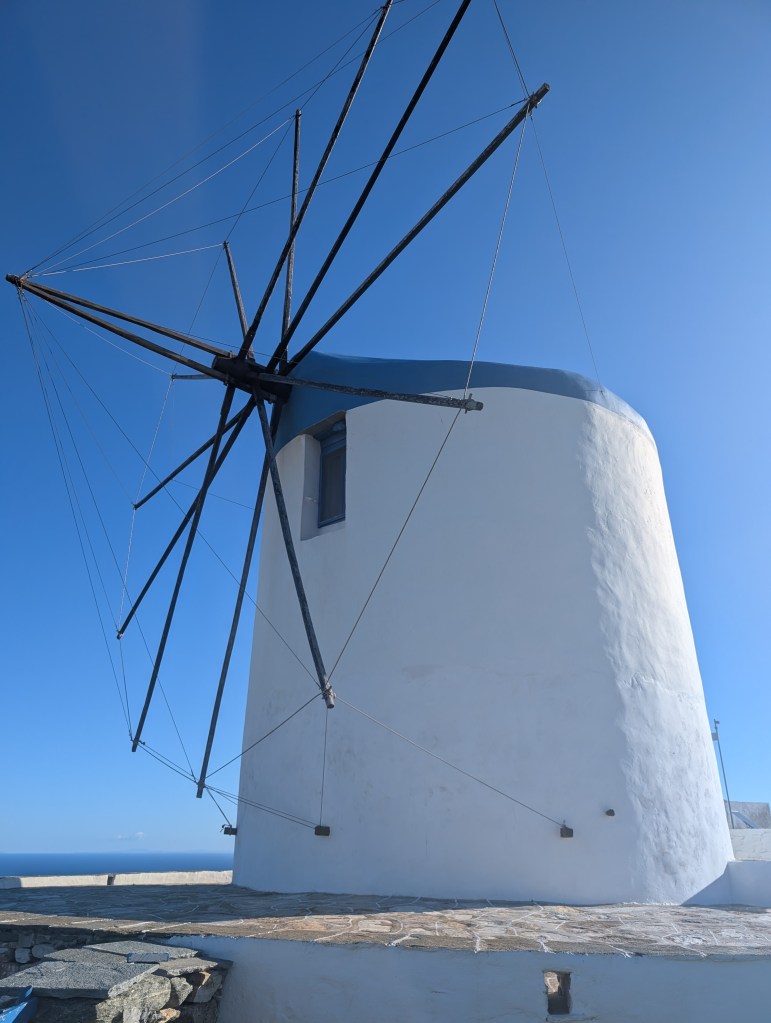
The first day, I completed a loop by Trail 7a from Apollonia to Artemonas and then following Trail 1: The Eternal Capitals before meeting up with trail 5 to get back to Apollonia. Because I wanted to see windmills, I added a little side detour (I wouldn’t suggest doing this as there are other windmills near Kastro) outside of Artemonas, which made the whole route about 8 miles.
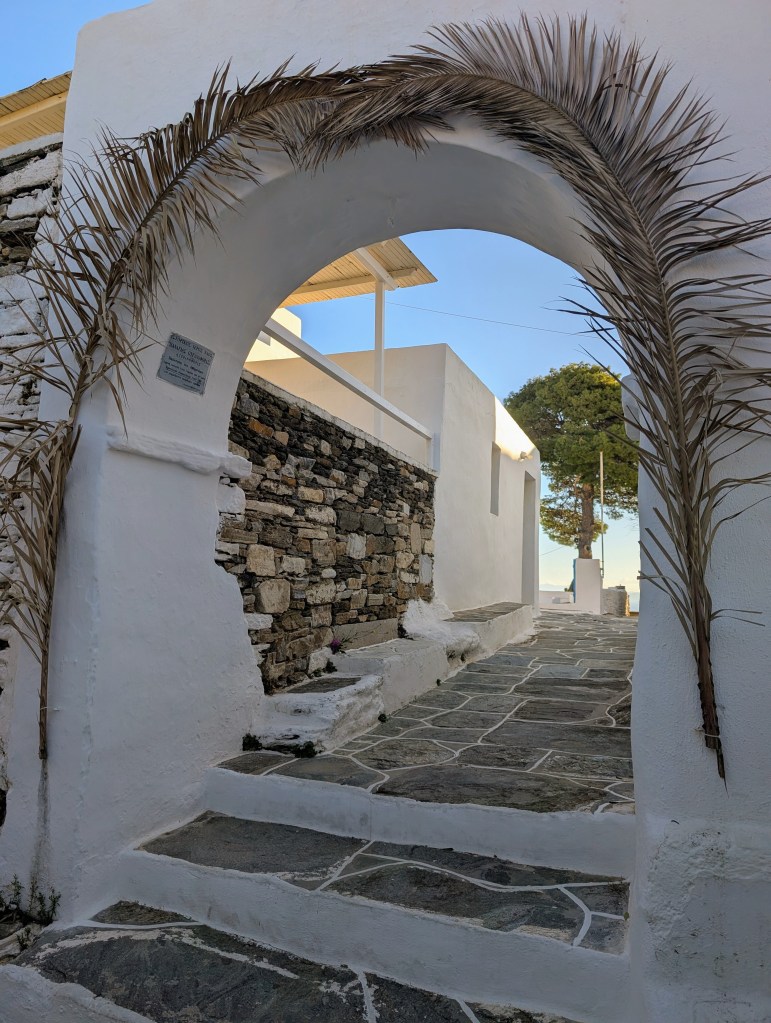
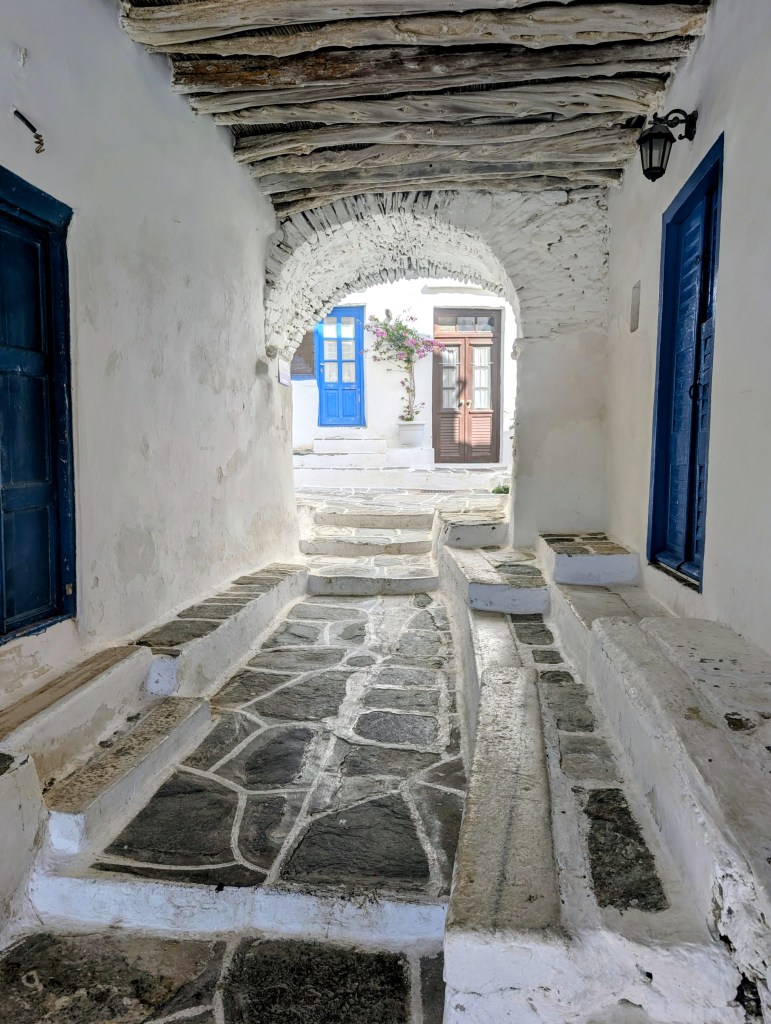
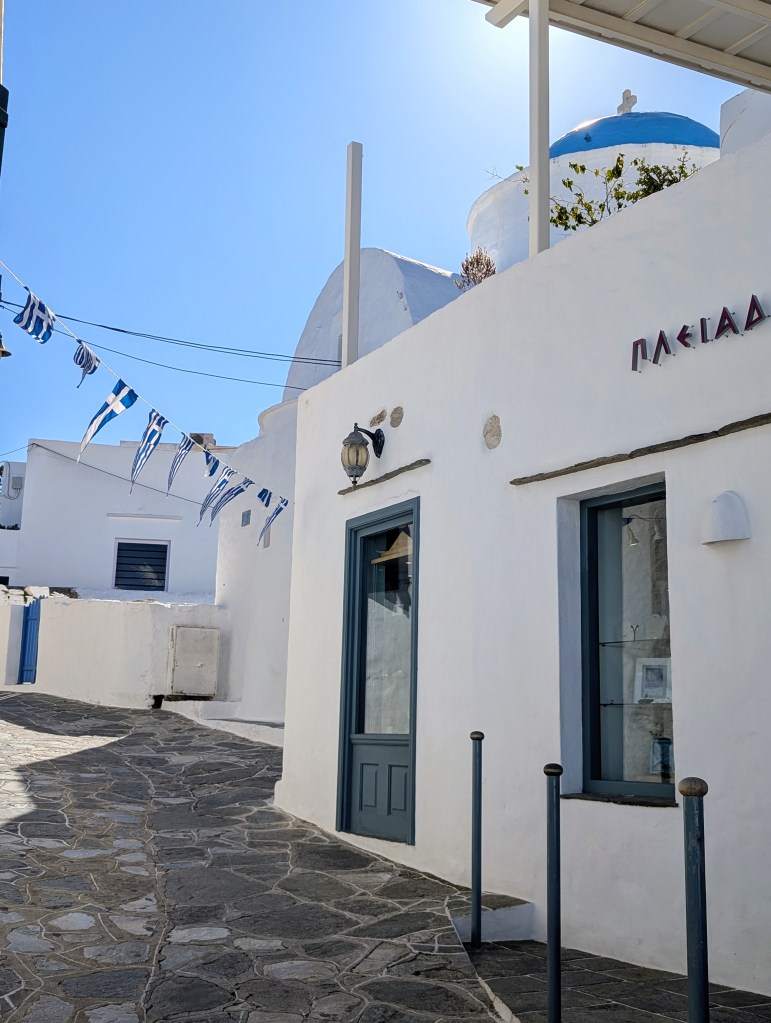
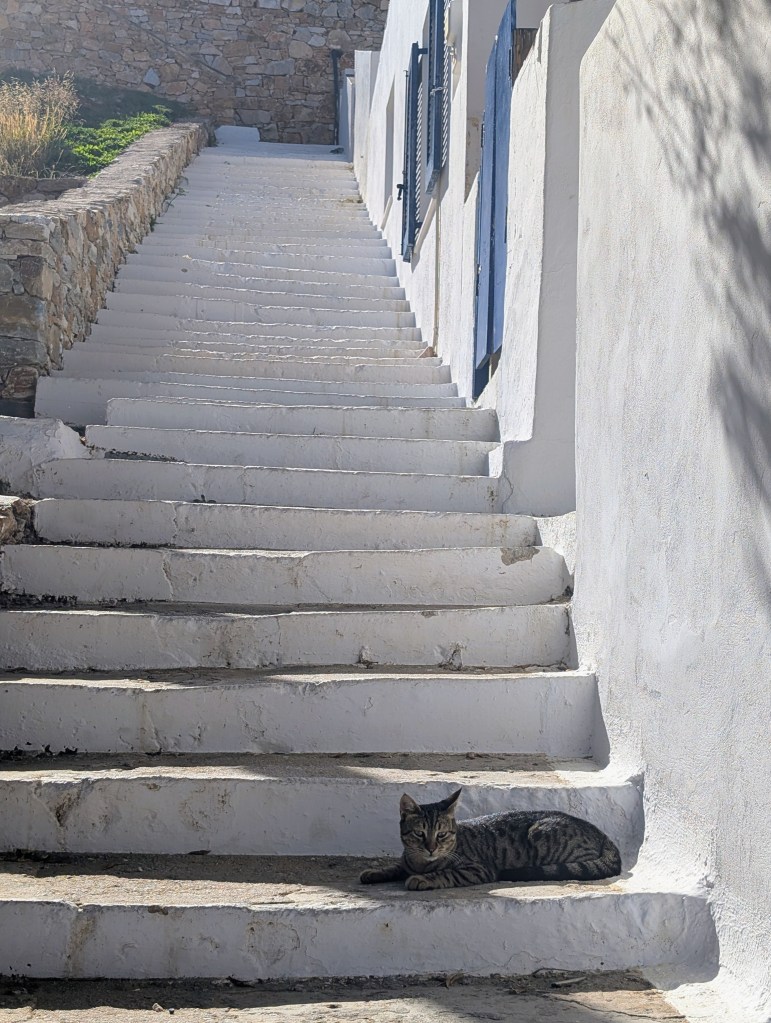
Arriving early in the morning in Apollonia meant that the shops were closed and the alleys were empty of tourists; however, the local cats were out and looking for attention and the local people were getting ready to start their work for the day. The gradual steps through the town showcased the classic Cycladic white stone architecture adorned with Sifnos clay pottery.

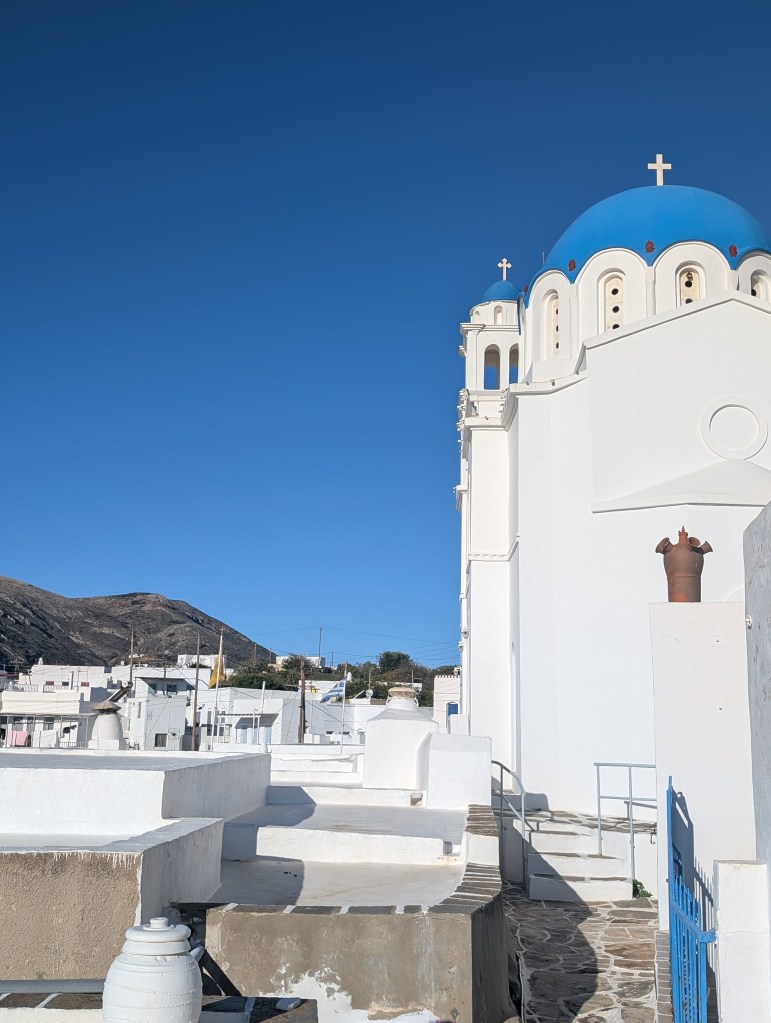

Artemonas is known as the artisan center of Sifnos, so I was hoping that some stores would be open by the time I arrived there, but sadly they were not (whether this is because of the time of day or the time of year). So, I continued to enjoy the vibrant contrast between the whitewashed houses and colorful bougainvillea.
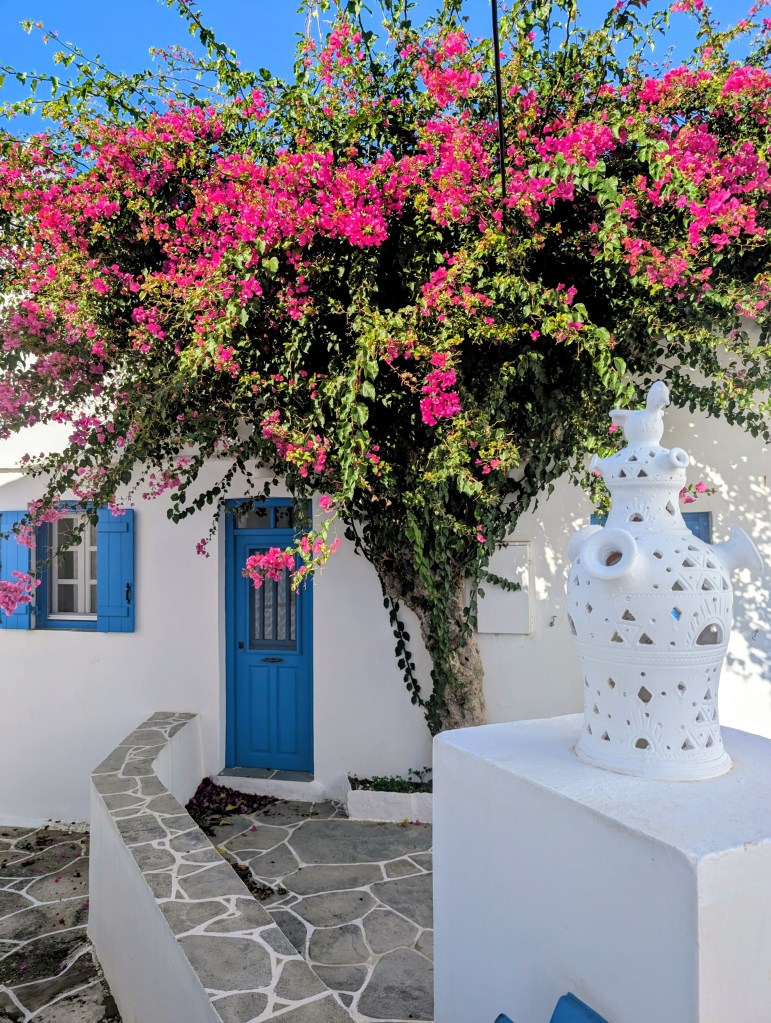
From here, the walk moved into nature with farmland, rolling fields, and views of the sea. The path took me to the coast where I walked with a clear view of my next destination, the medieval hill town of Kastro, in my sights

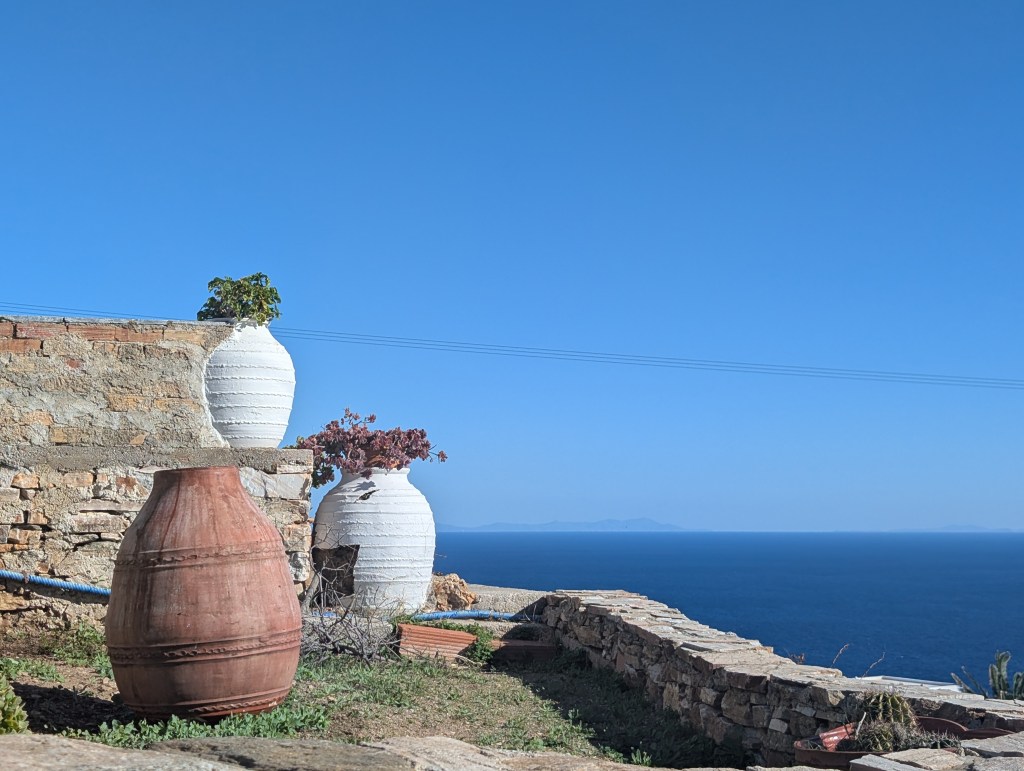

My host had mentioned that I would find more cats than people in Kastro, and I thought she meant that there were a lot more cats here than anywhere else on the island. What I found instead is that there are a lot less people here than anywhere else. What was once the ancient capital of Sifnos has become somewhat of a ghost town. The castle walls hold a beautiful collection of houses and alleyways, but there were a lot of abandoned buildings as well.
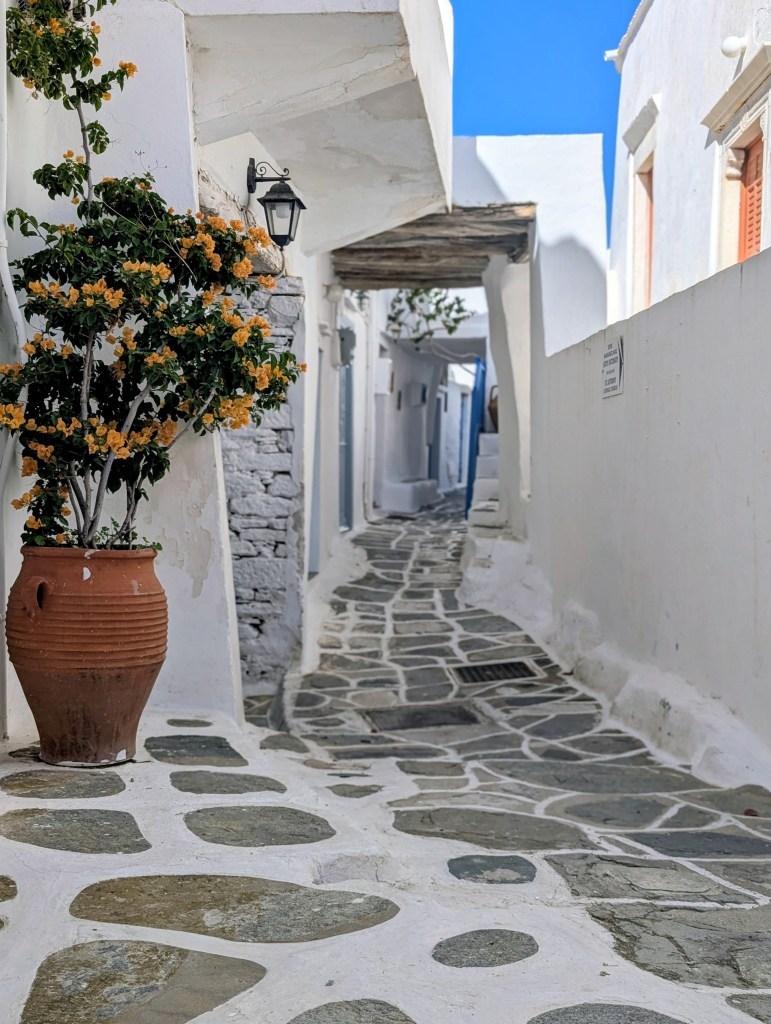
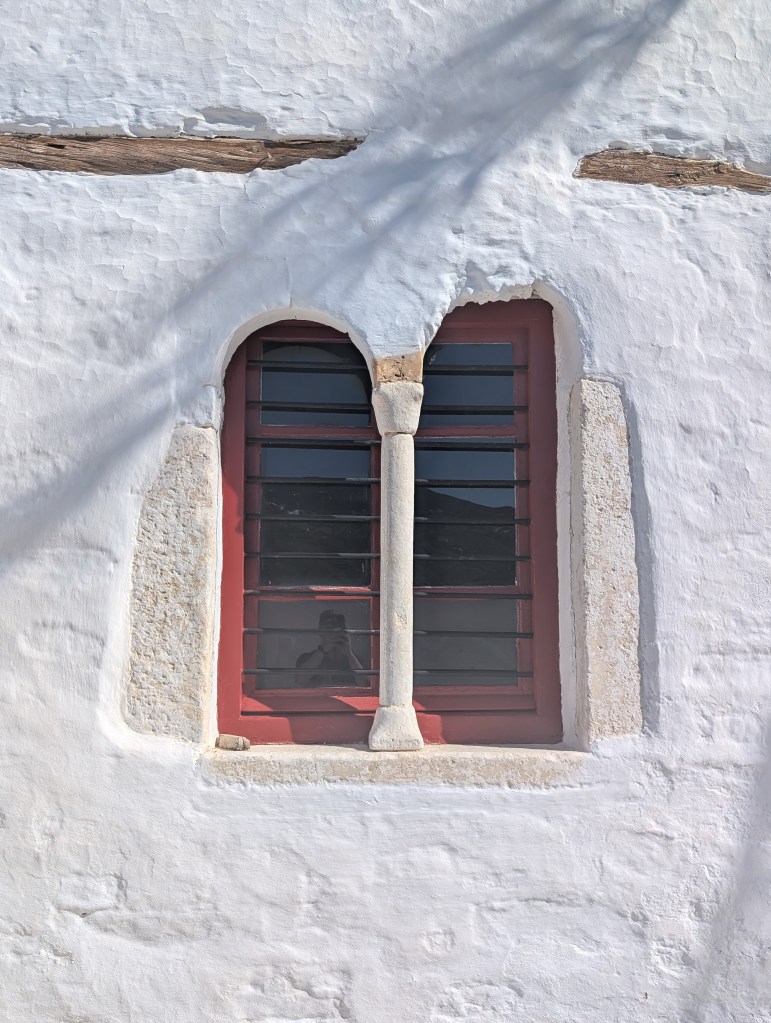

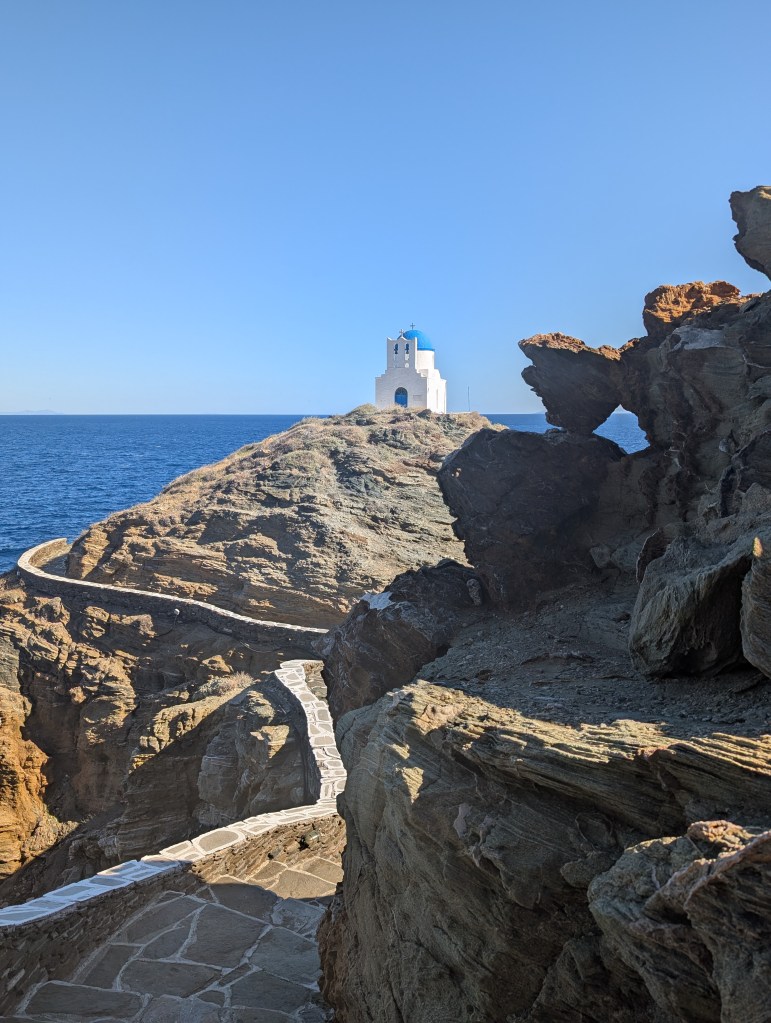
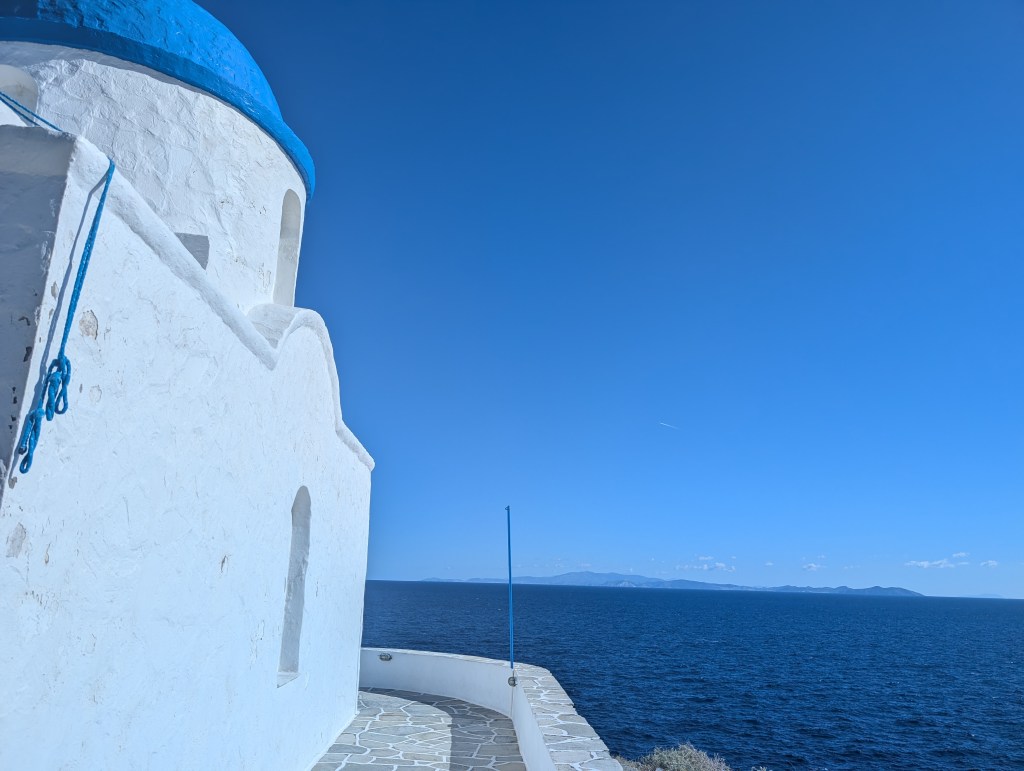
Kastro is perched atop a hill overlooking the Aegean Sea and the picturesque Church of the Eptamartyres (the Seven Witnesses). The winding path down to the church might seem daunting, but is hard to resist as it offers varying vistas of the church, sea and surrounding islands.
Leaving Kastro, I headed inland into the valley and through island farms before meandering back up the hill to Apollonia. I arrived back in Apollonia with time to grab a leisurely lunch and enjoy some of the local shops that remain open during the off season before catching the 2:30pm bus back to Kamares.
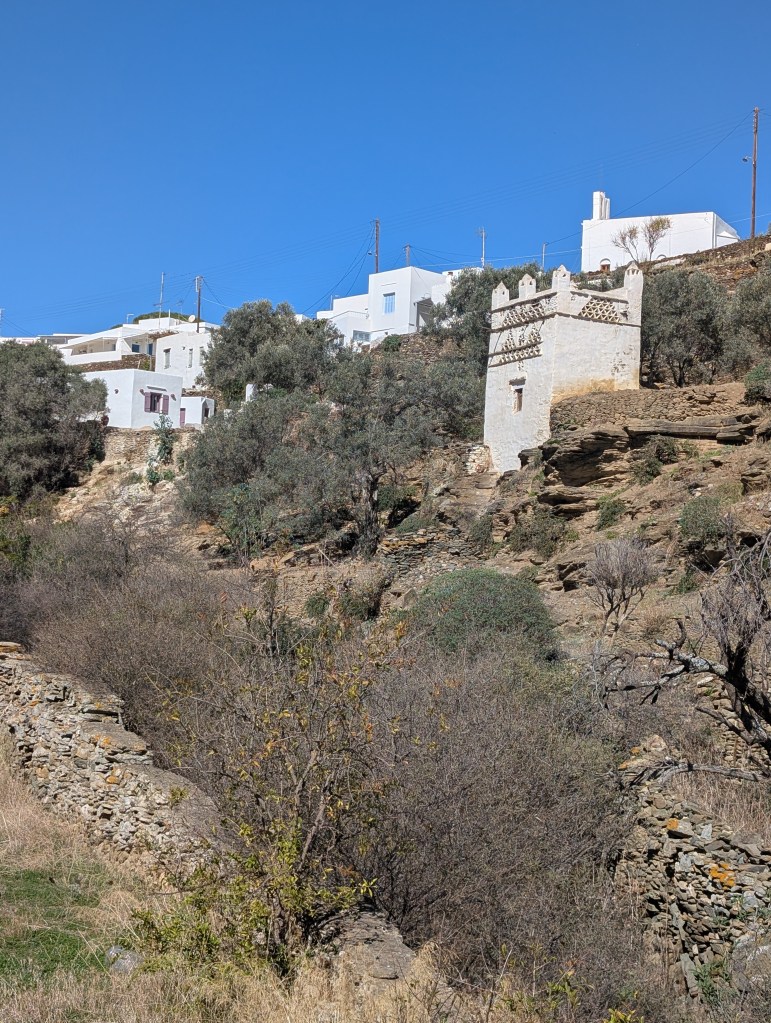
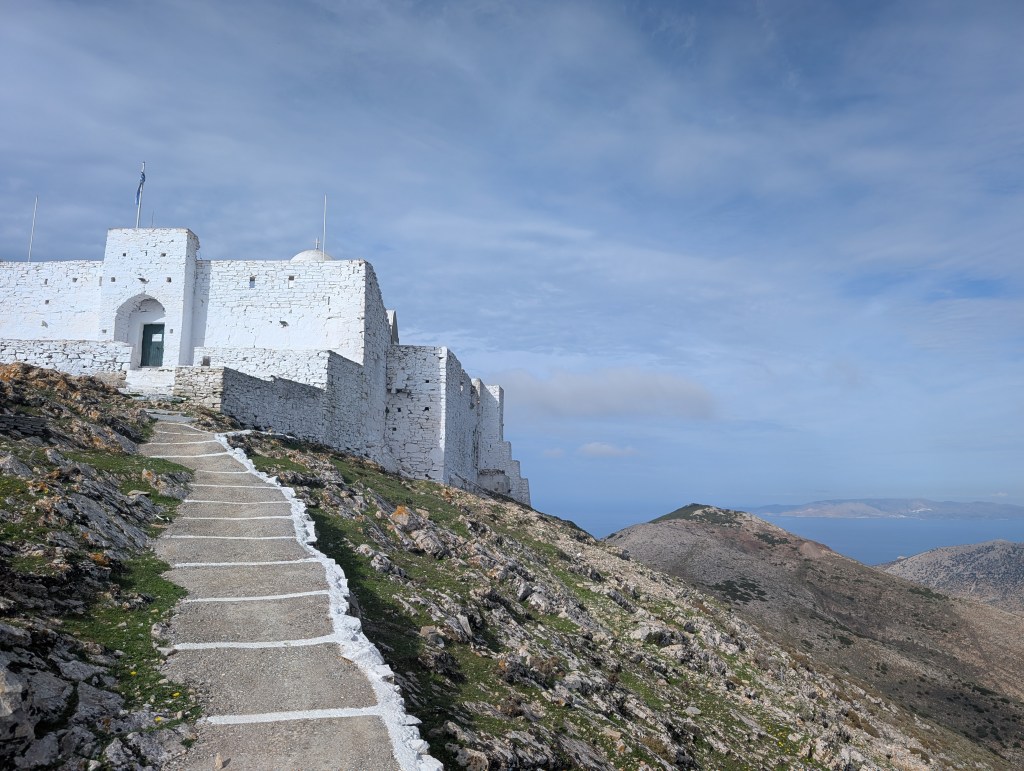
My second hiking day started from Apollonia and finished back in my homebase of Kamares following Trail 6: Sifnos Insiders. This time I headed to the mountains with no towns in sight. I decided to add in a hike up to the highest point on the island (700 meters) where the 12th century The Monastery of Profitis Elias Apsilou and small Agios Elisaiou chapel look out over the whole island. The hike up was one of the easier parts of my day as the path was paved with marble stones and the trail was easy to follow.
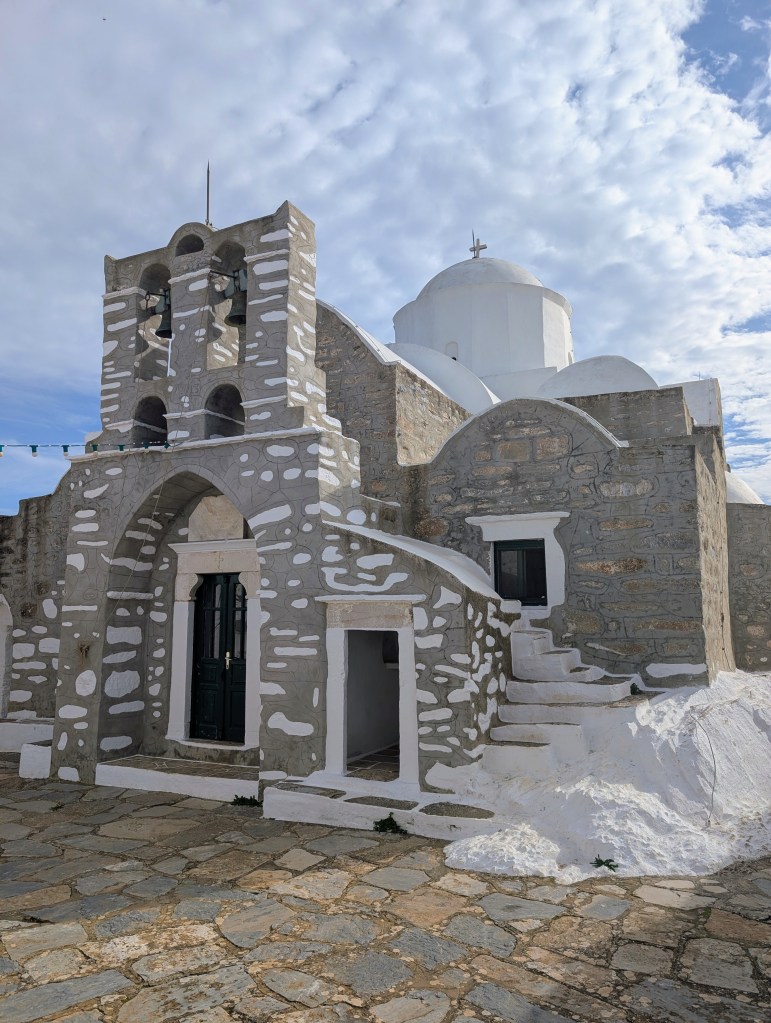

Coming back down the mountain, I found the small side path to meet back out with the main loop. This path was a lot harder to navigate and obviously not all that well traveled. Once I made it back to Trail 6, I thought I was done with the hardest part of the hike, but I was wrong. I had another mountain to climb down, up, and back down before I ended in Kamares.
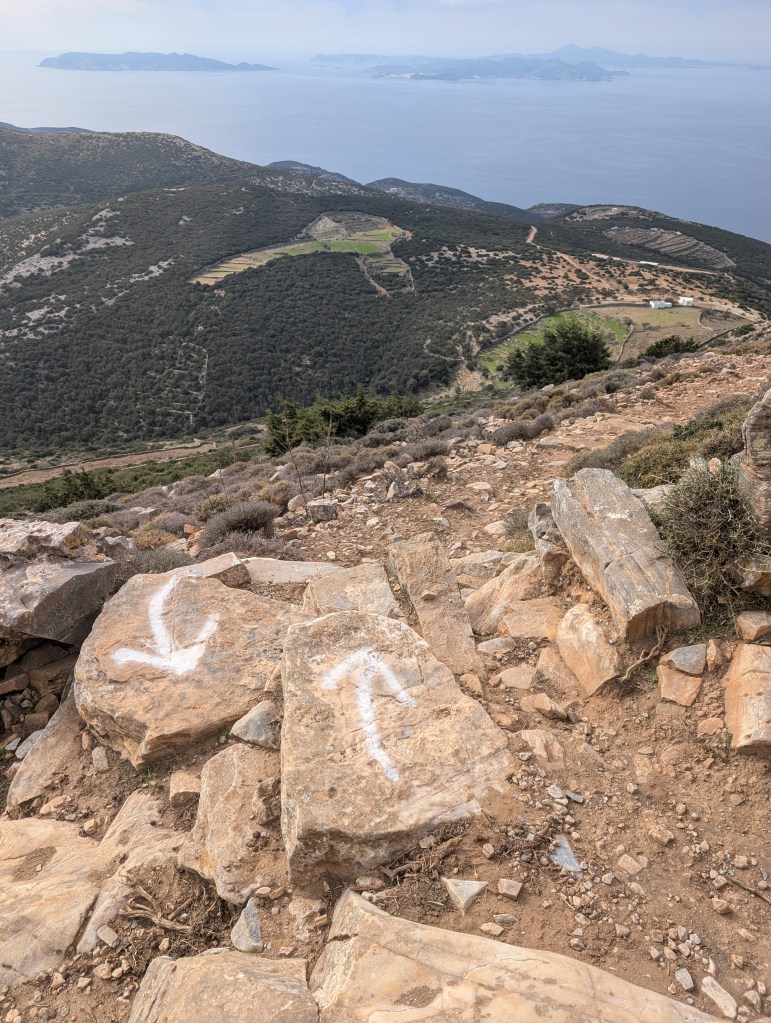
This trail offers lovely views of the natural landscape of juniper forests and Mediterranean maquis as well as the hillside olive groves.
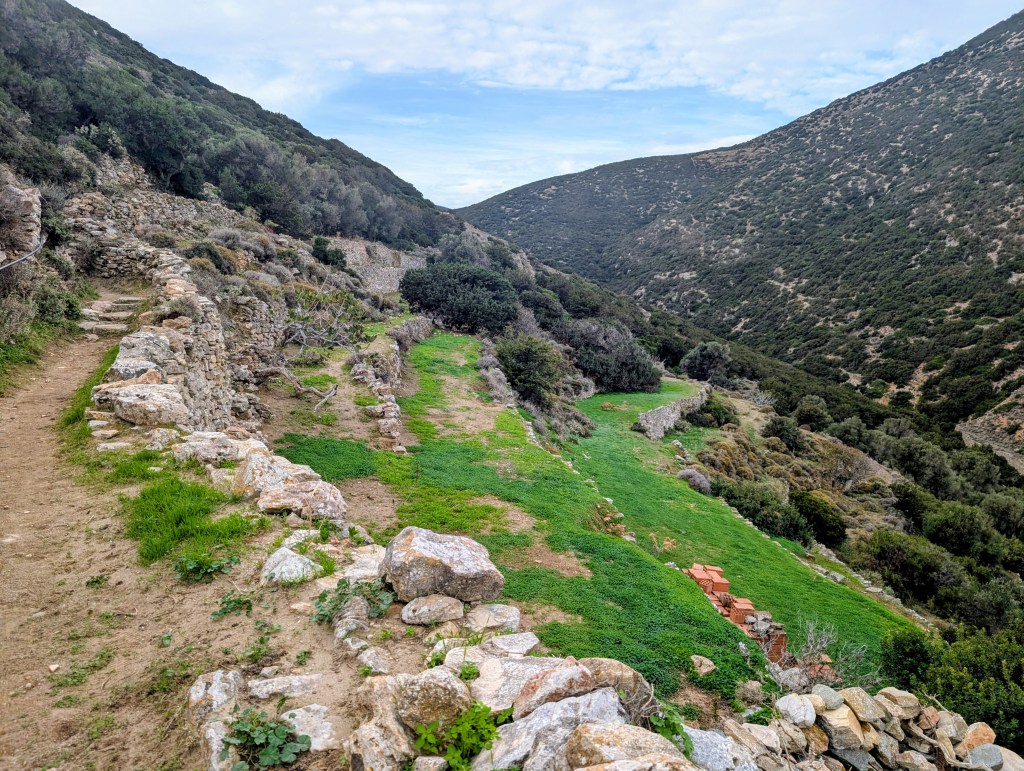
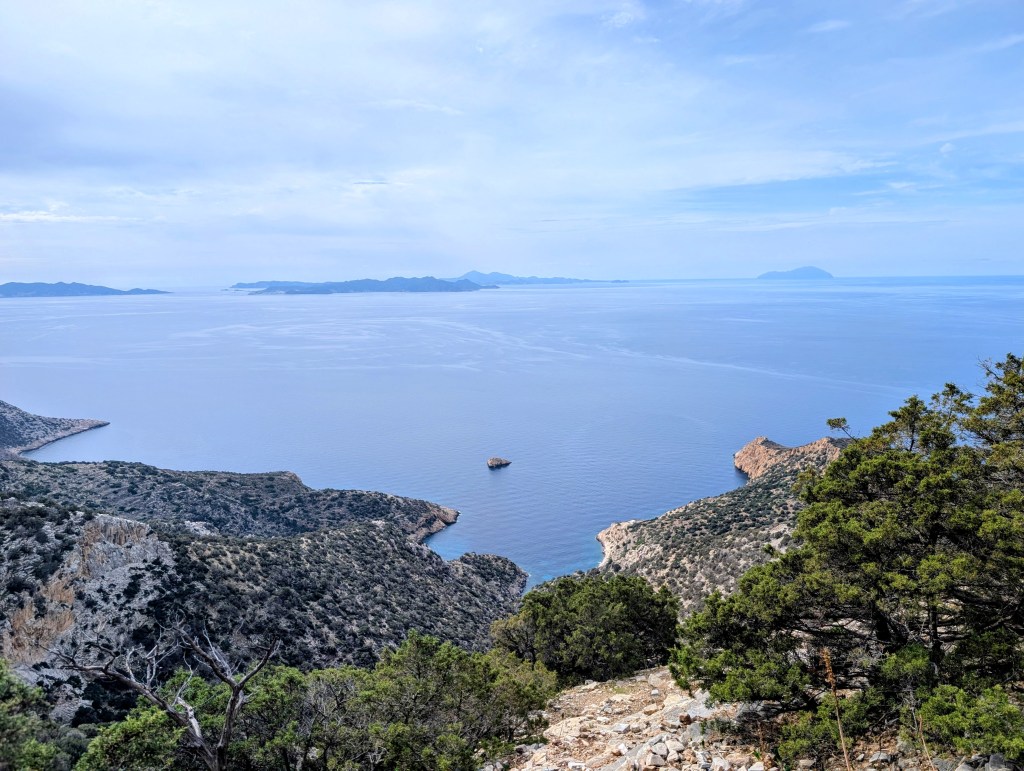
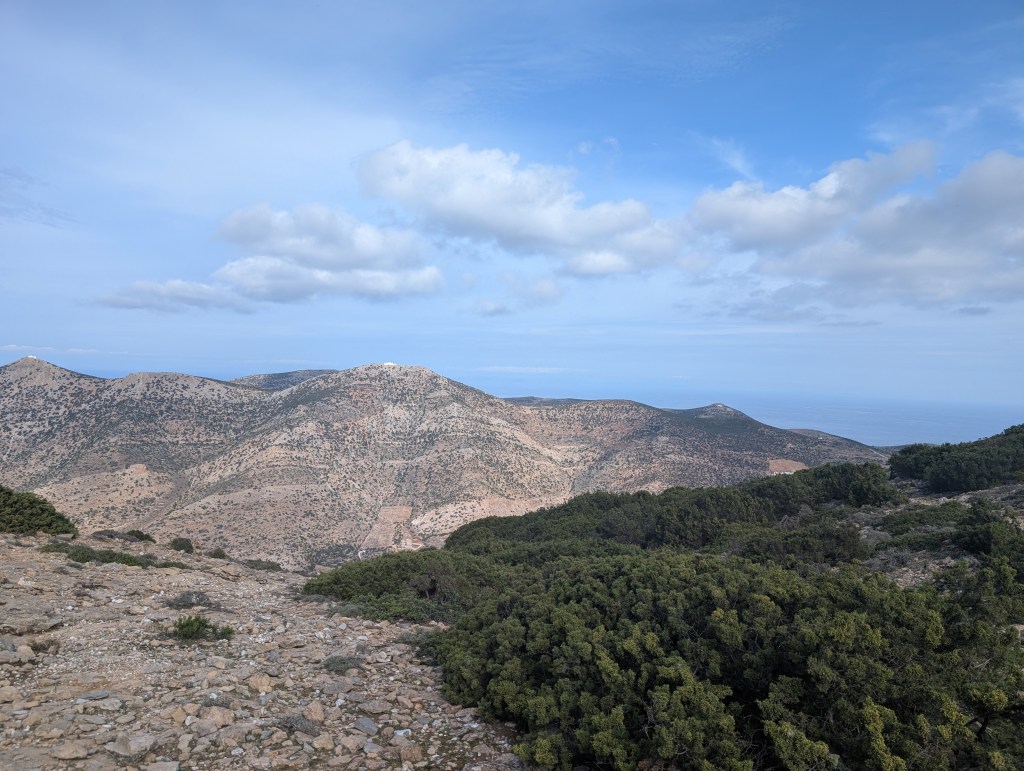
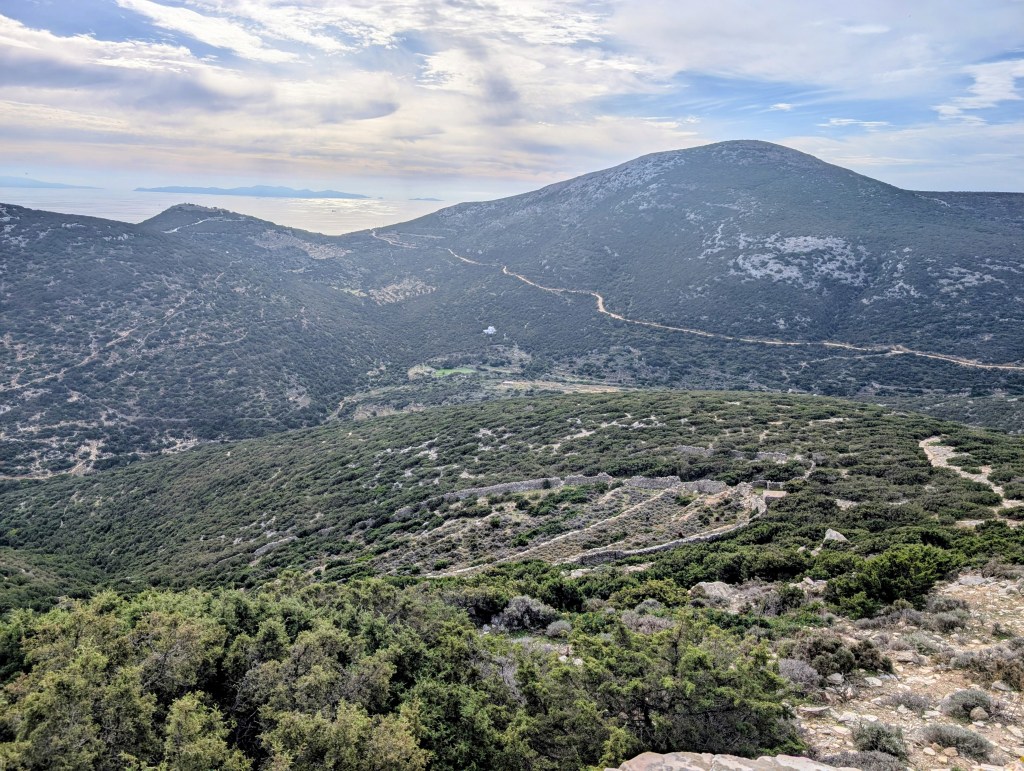
Along the way are a few churches; most notably the Panagia Toso Nero is the most remote church on the island. As such, I was also in the remote section of the island. There were times during my 9.5 mile hike where I was concerned about emergency situations, but I just kept putting one foot in front of the other, stopping to take breaks in the shade, and making sure I stayed on track to my destination.
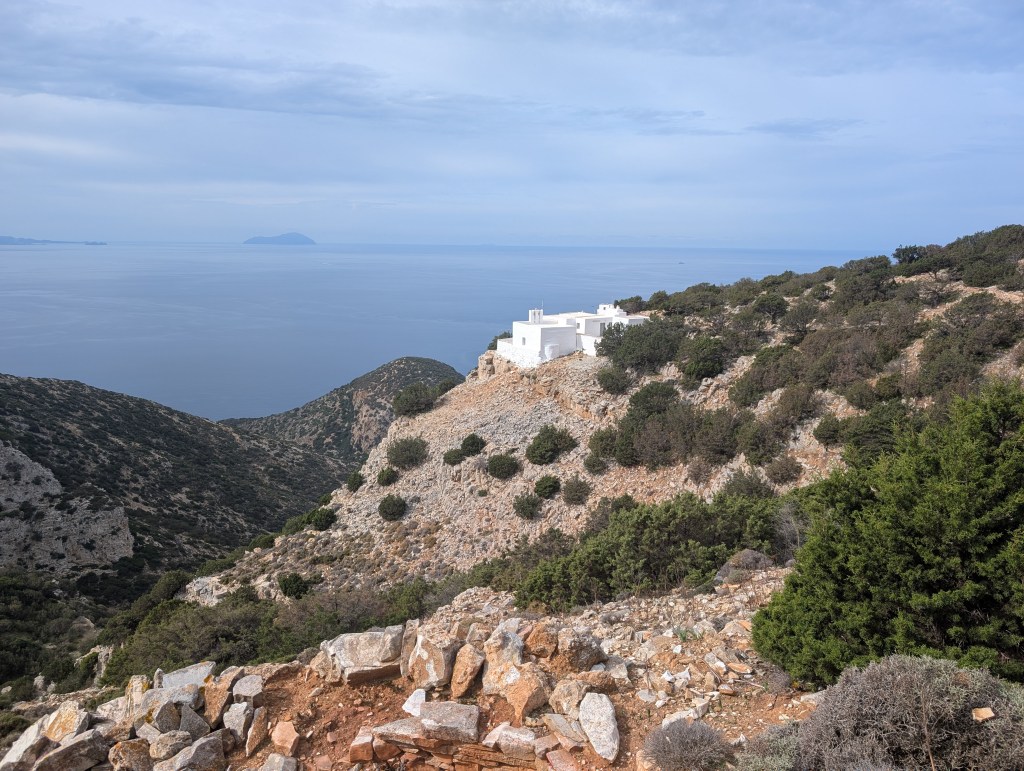
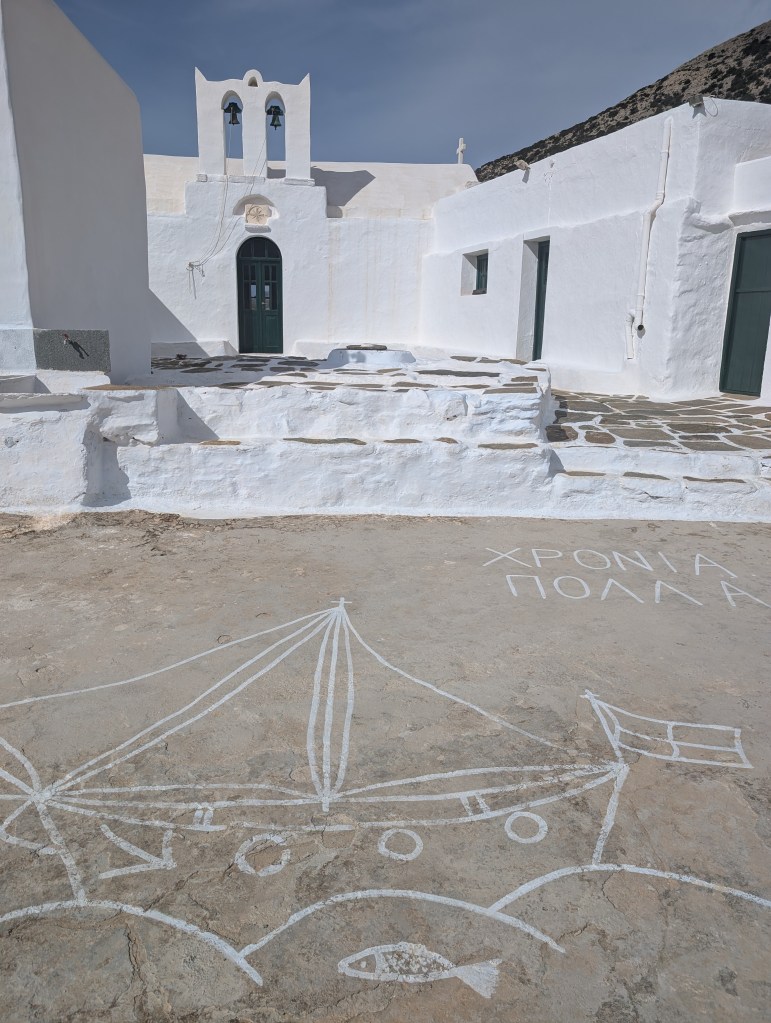
Once I found the path leading down the mountain to Kamares, I finally felt like I could relax. While not the longest hike of my trip, this was definitely the hardest. But I completed it, and as the Sifnos Trails website says, once you complete this trail, “It feels like you have conquered the island. In reality, the island will have conquered you!”
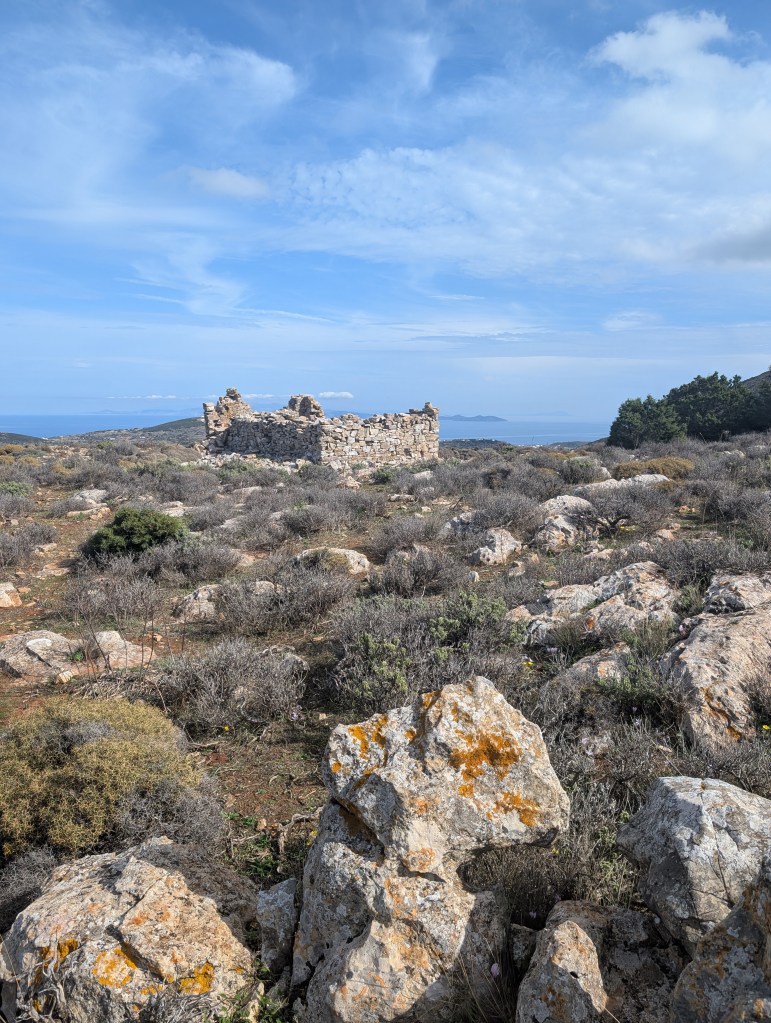

I mixed my hiking days with relaxing beach days in Kamares, so I feel like I got to experience the best of both worlds in Sifnos. However, I’m not someone who can just sit around for a whole day, so one afternoon I walked around the hillside behind the main street of Kamares and hiked up the short set of stairs to Agia Maria for a quick aerial view of the bay.


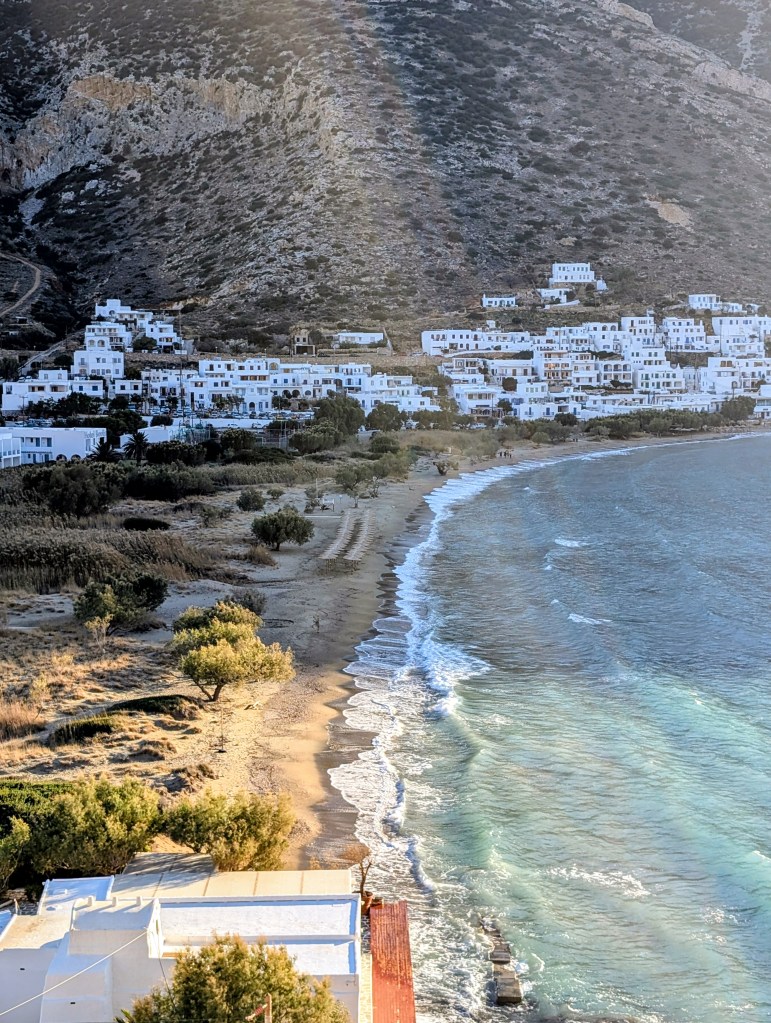
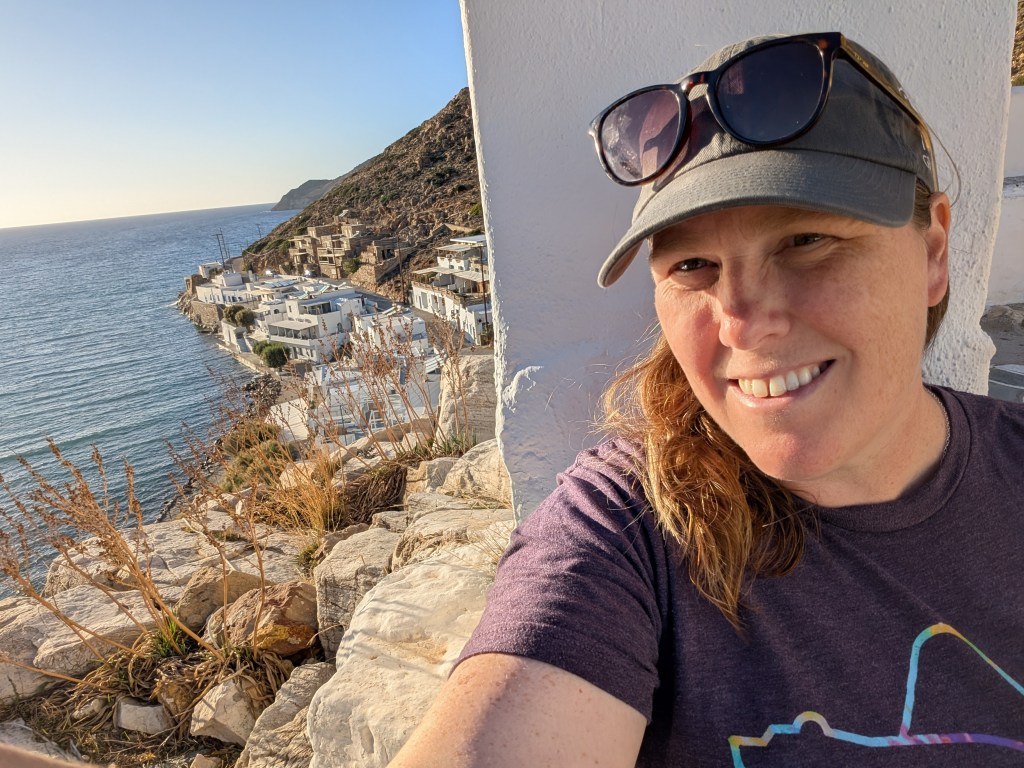
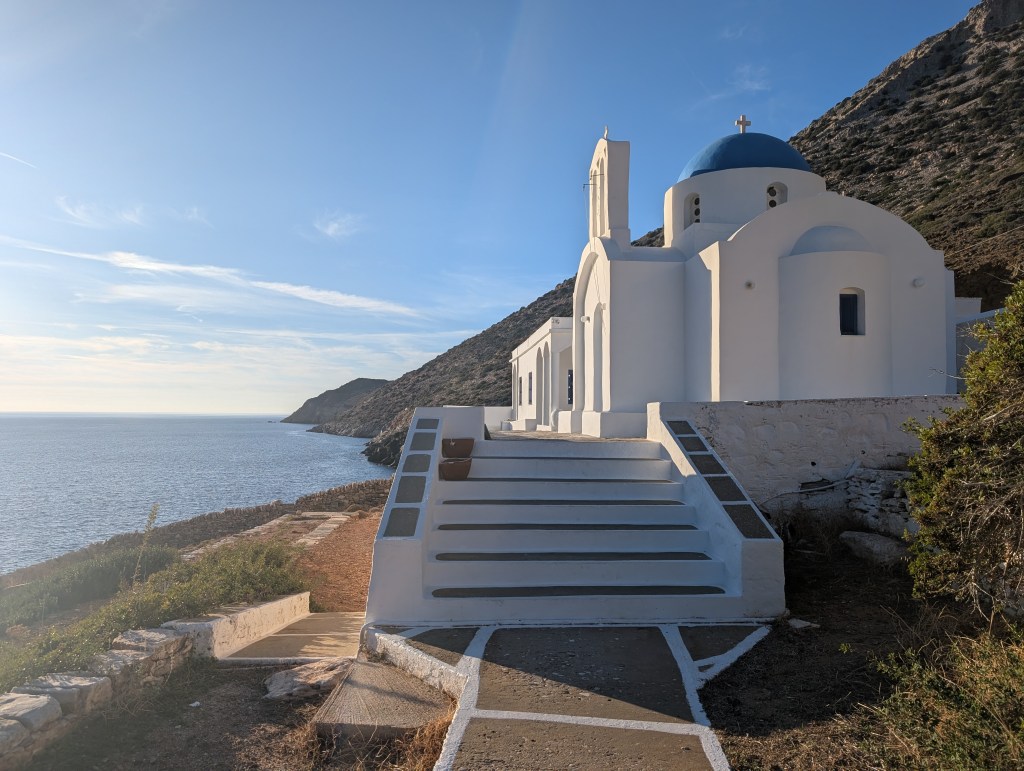
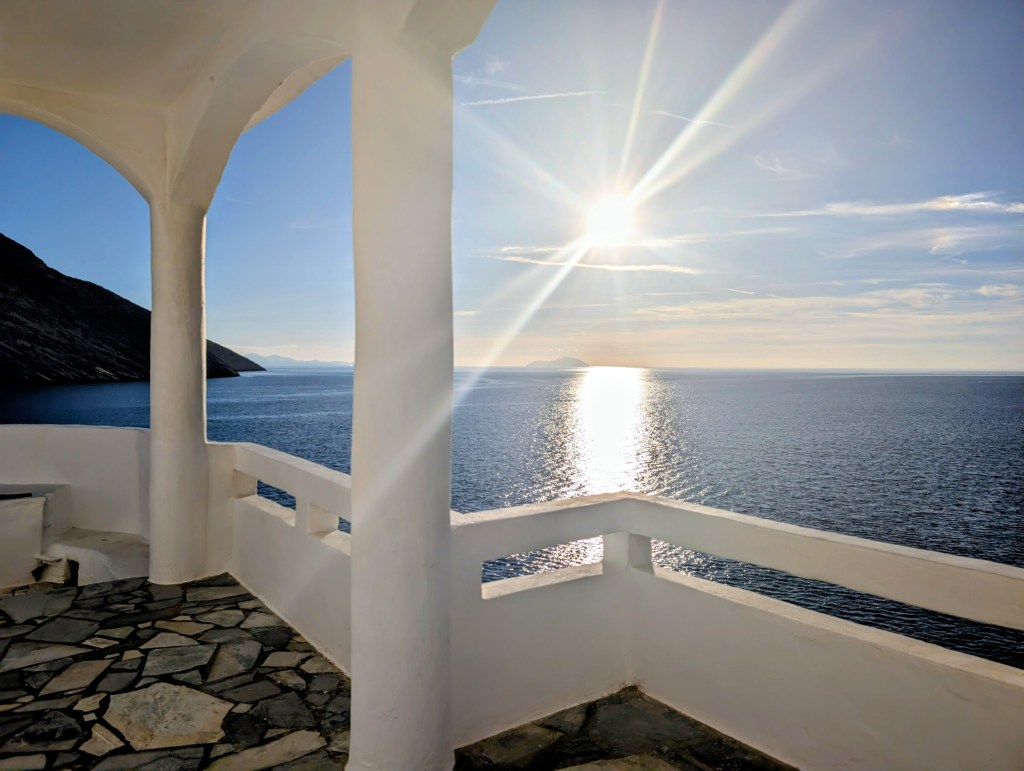
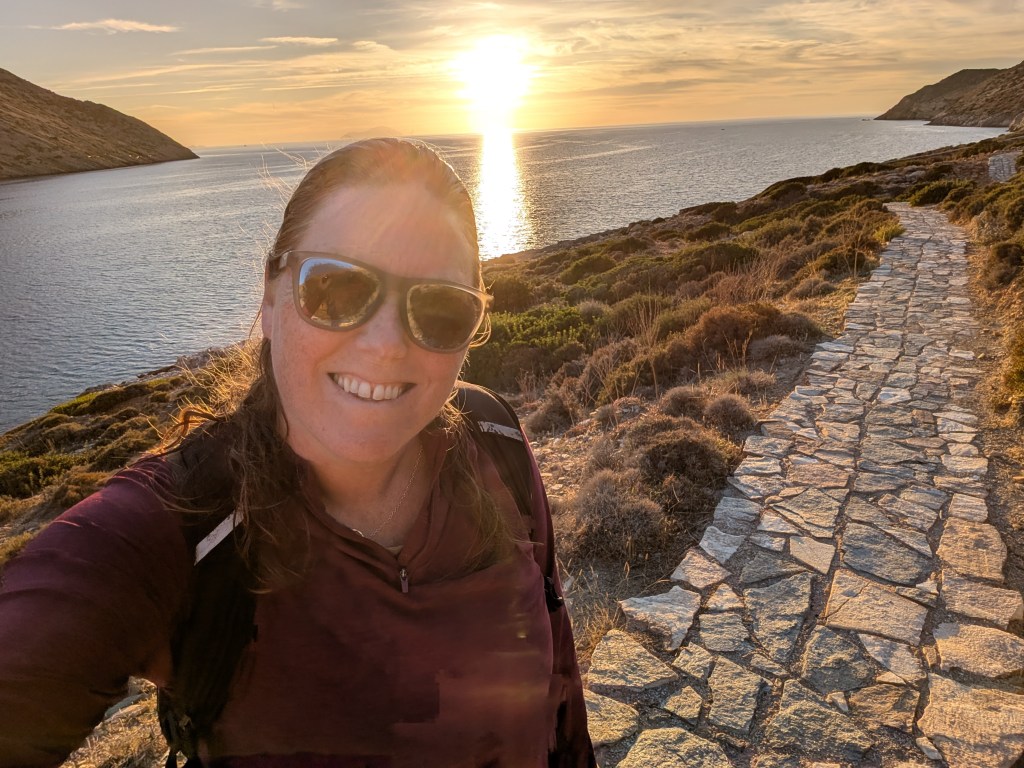
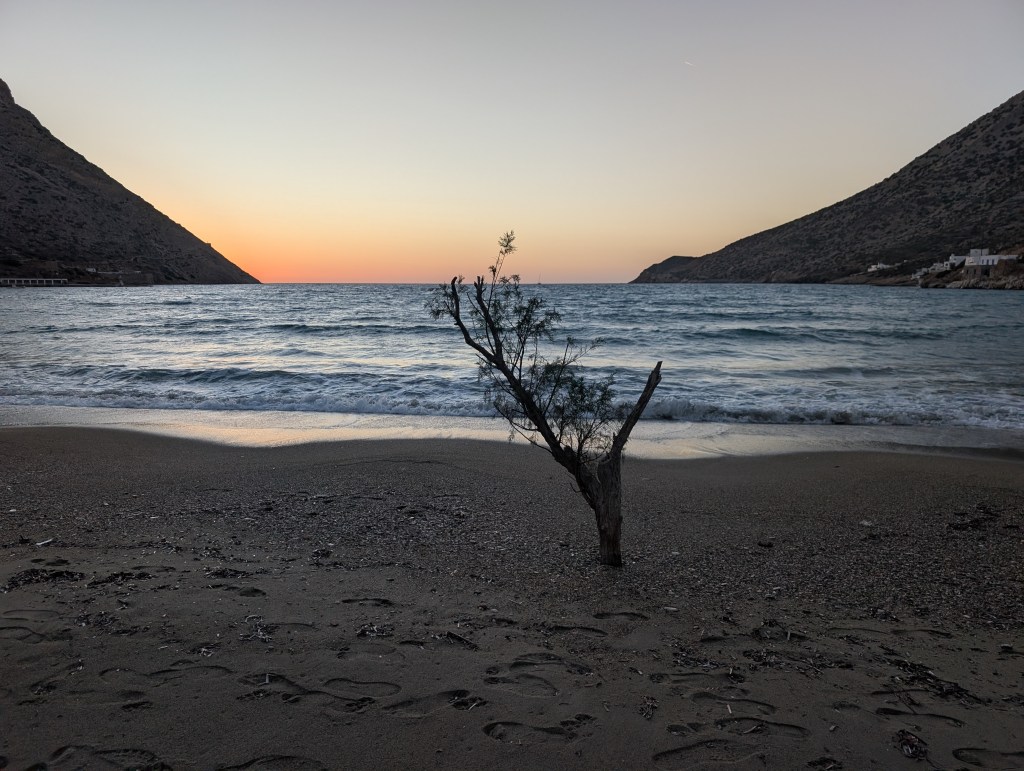
The other late afternoon I enjoyed the short walk out to St. Catherine’s church for views of Kamares harbor and the evening sun. Because of the mountain, Kamares bay loses the sun early on, but when I found it still shining at St. Catherine’s I took advantage of the deep pool of water for a sunset swim before walking back.
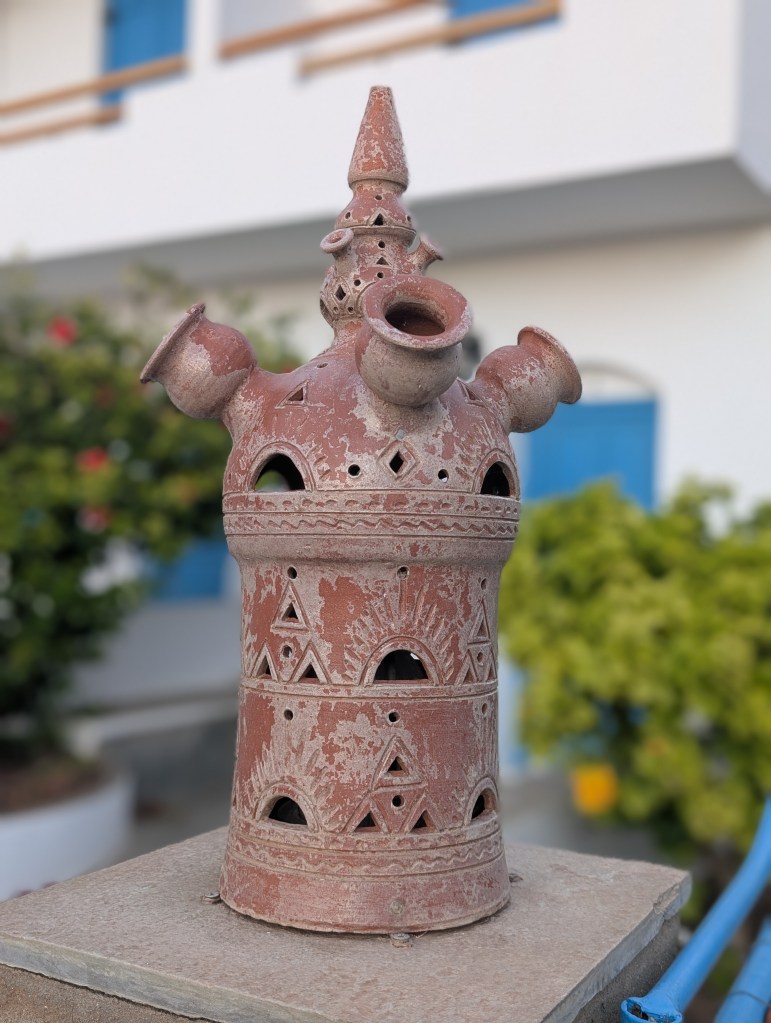
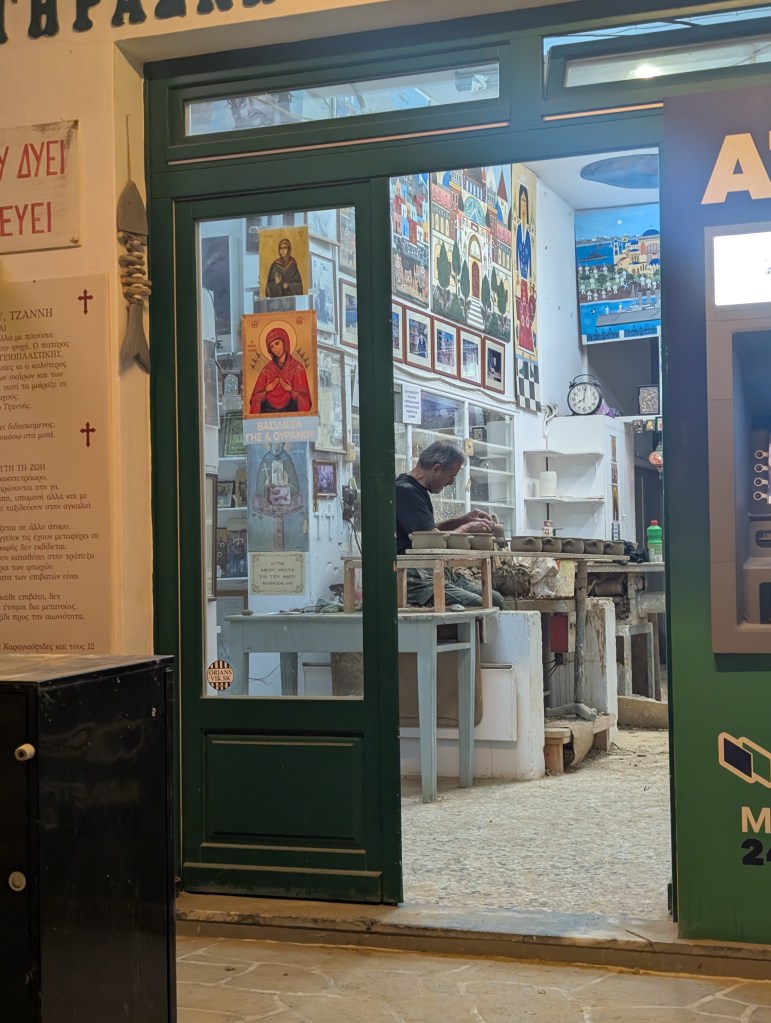
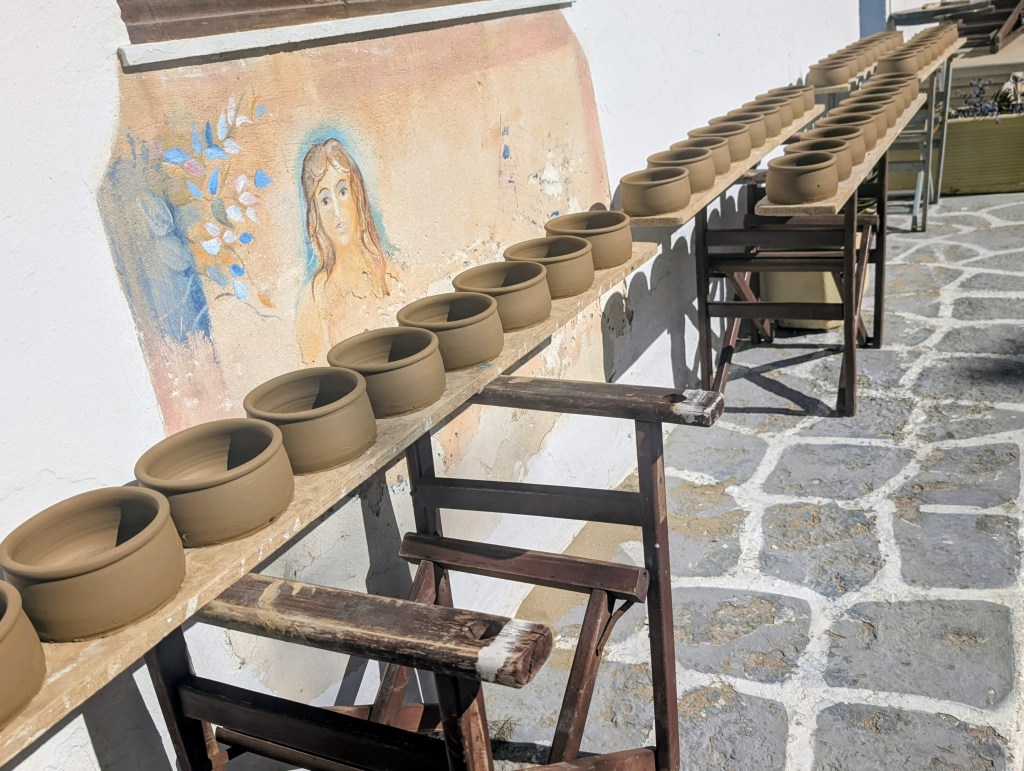
Because of its refractory clay deposits on the island and mild climate, Sifnos is unique in its history of pottery. As mentioned earlier, clay pots and lanterns adorn many of the buildings around the island; additionally, the clay pots are part of the culinary heritage of the island. Two of their signature dishes: mastelo (lamb or goat with dill and red wine) and revitha (chickpea soup) utilize the clay pots as cooking vessels. Both of these dishes were some of the best food I had during my travels.

 Mac On the Map
Leave a comment