
Albania is one of those countries that sneaks up on you. Since it was isolated from the rest of the world until 1991 (people didn’t even know what a banana or coke was – according to the parents of my tour guide), it has had to catch up at record speed to the rest of the world.
Its capital city, Tirana, is constantly under construction – the biggest mosque in the Balkans, The Grand Mosque of Tirana, was just finished in October 2024, and Tirana’s Rock designed to look like the face of Albanian’s national hero, Skanderbeg, is still under construction. Because of this, the city is a little rough around the edges, but not in a scary or uncomfortable way. Tourism hasn’t settled in yet, so they are still welcoming us with open arms – but real arms, not polished versions that you get in so many popular European cities.
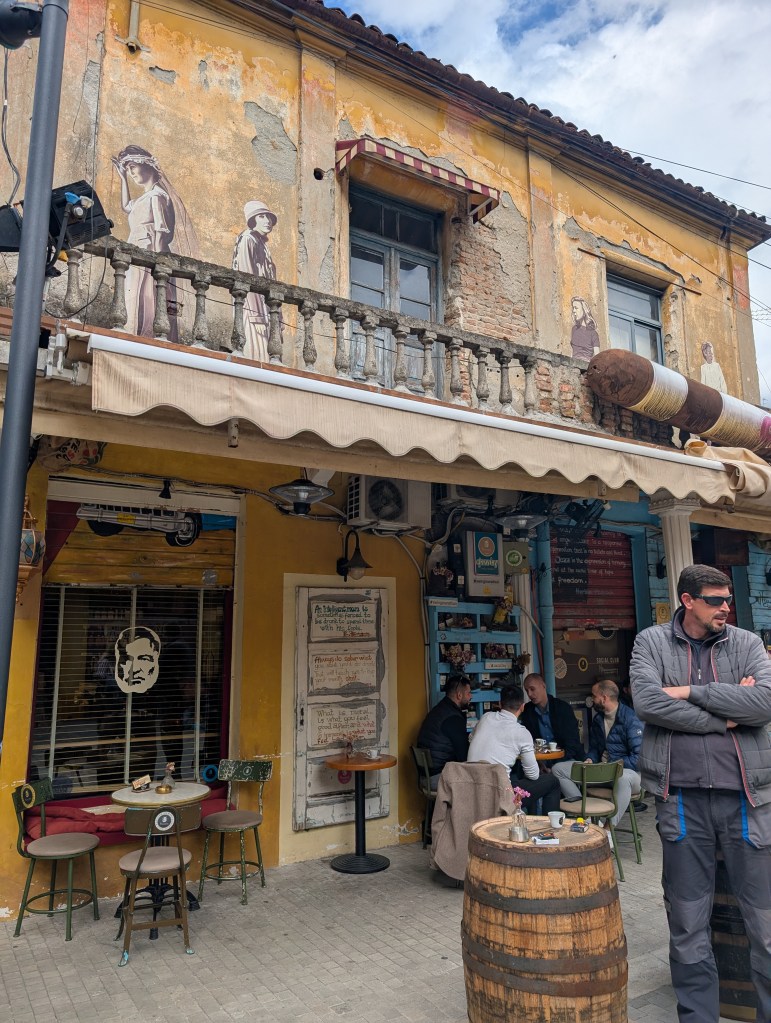

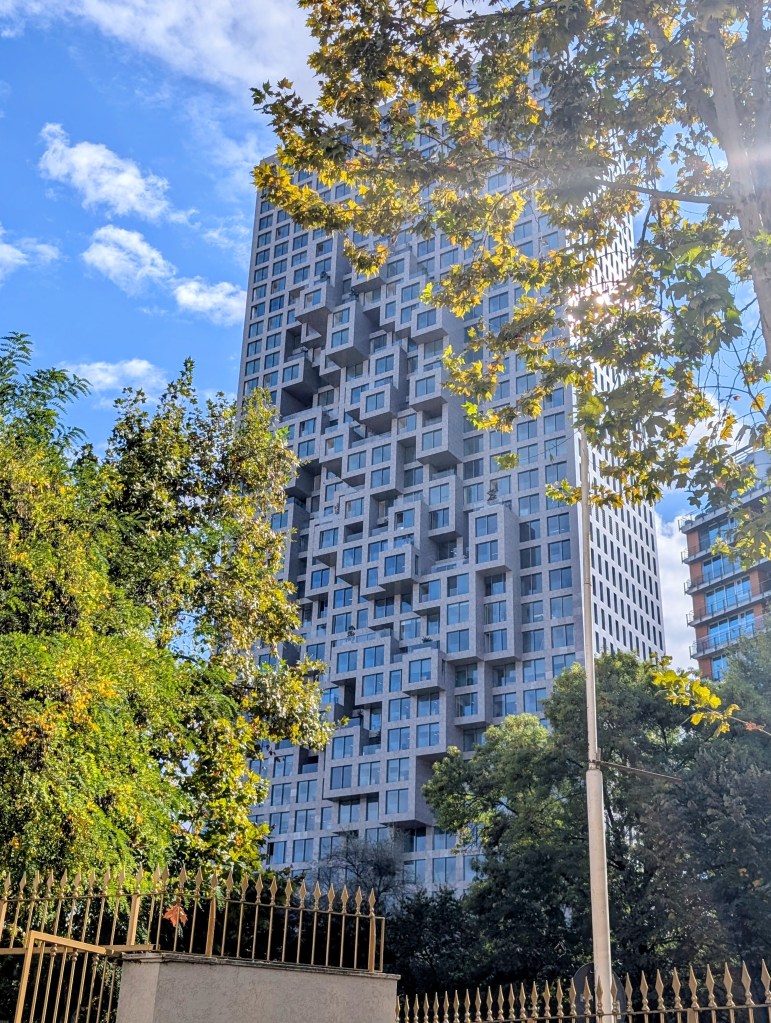
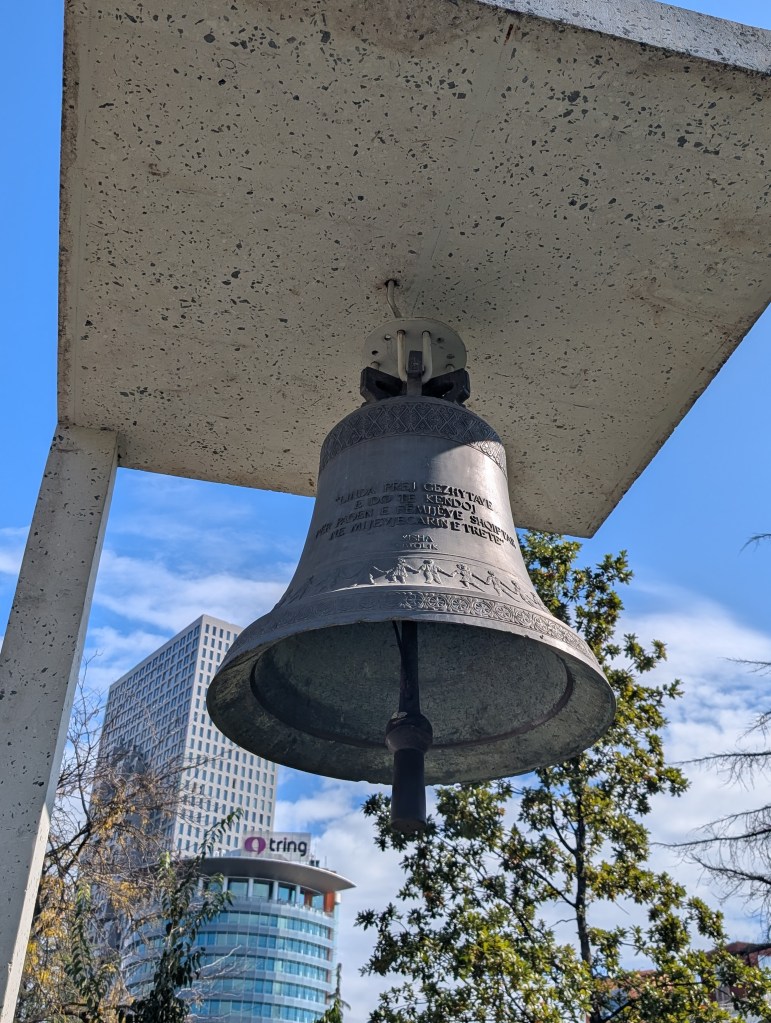
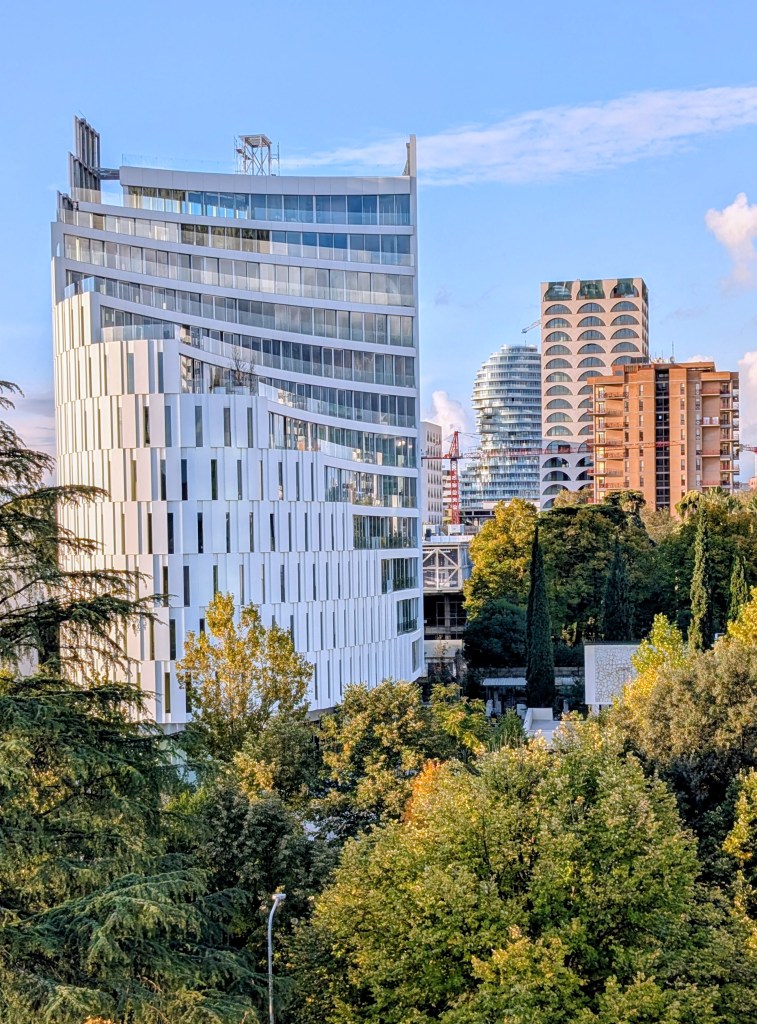
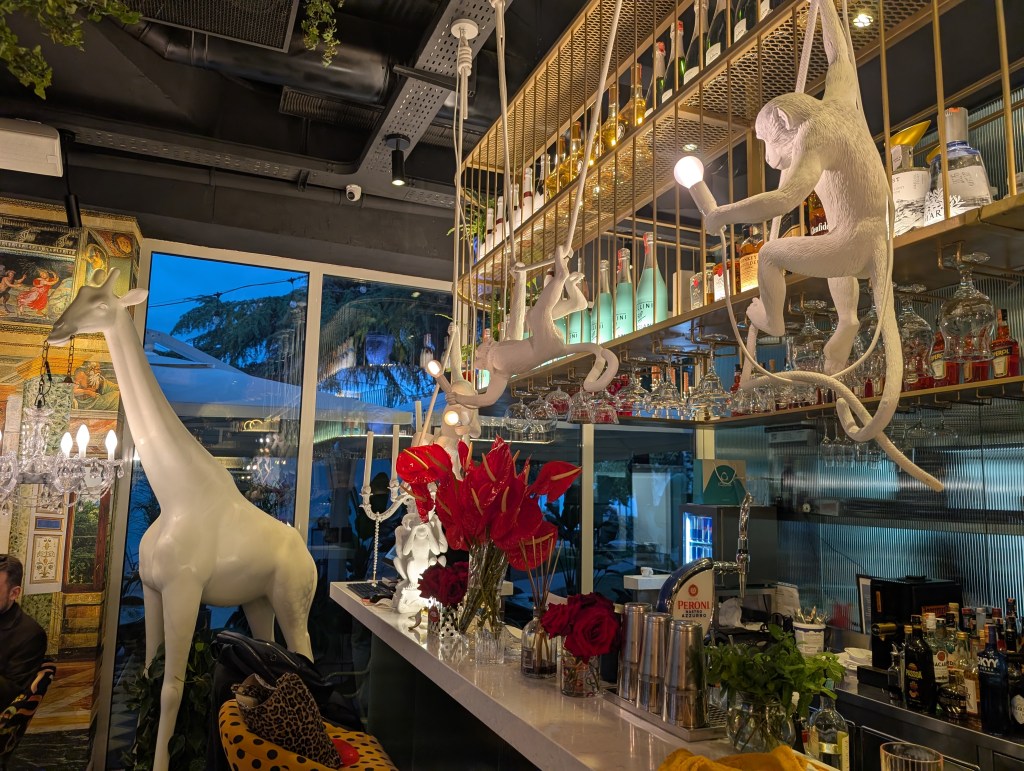
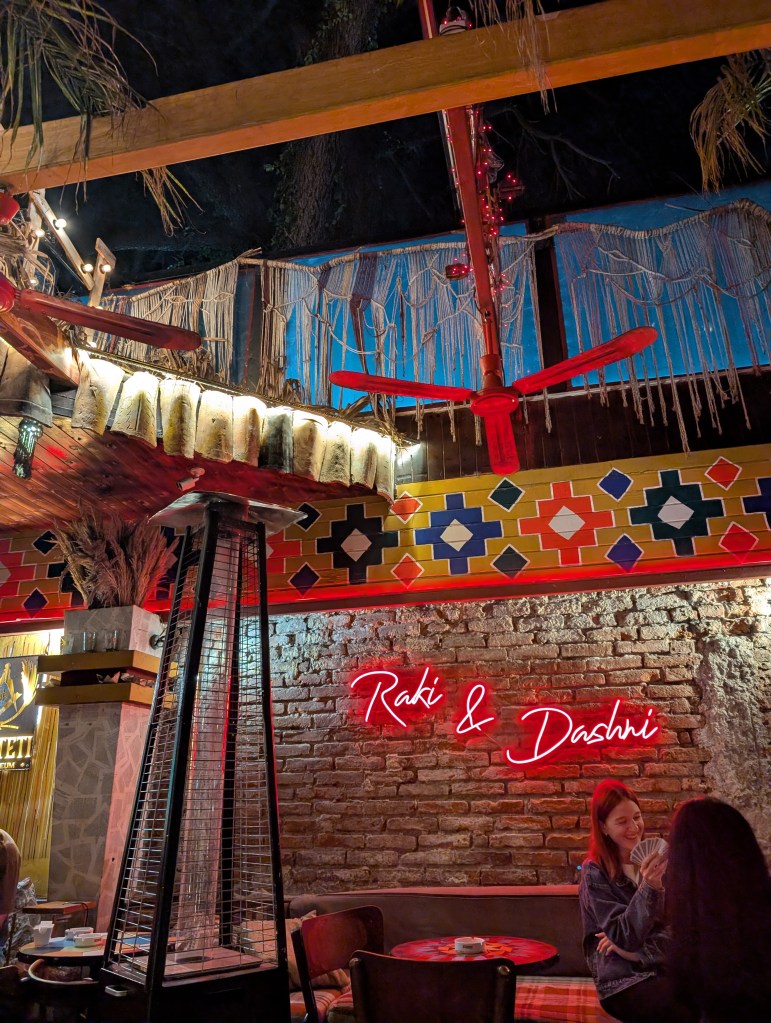
It’s clear that Albanians are proud of their culture and places. Stores, restaurants, and bars commit fully to a design scheme; plants decorate balconies, storefronts, and public spaces; many of the buildings are built with nods to Albanian culture (MET Tirana is designed to pay homage to Berat, the city of windows; Downtown One represents the country of Albania in its protruding balconies, the Peace Bell was created out of the gun shells used during the 1997 unrest, and the mosques and churches stand side by side to honor the religious harmony of the city.
During my visit, I ended up having two guided tours of the city. One was a free walking tour where I learned about the tour guide’s personal experience growing up in the city along the stories he’s heard from his parents and grandparents about living through Hoxha’s communist regime. While I read about a lot of the same details he gave during the tour in the various museums I visited in Tirana and Shkoder, I learned so much more from his explanation of it. The 2nd was a fortunate connection where a friend of a friend set up an informal walk & talk with her niece. Both were the new generation – born after the collapse of communist – and it was funny how similar the two conversations were when we were talking about Albanian culture: pride, expectations, and hopes. Albanians are a friendly, honest, and proud group of people. They value unity above all else – this includes religious harmony as well as shared love of coffee, cigarettes, and Mercedes.


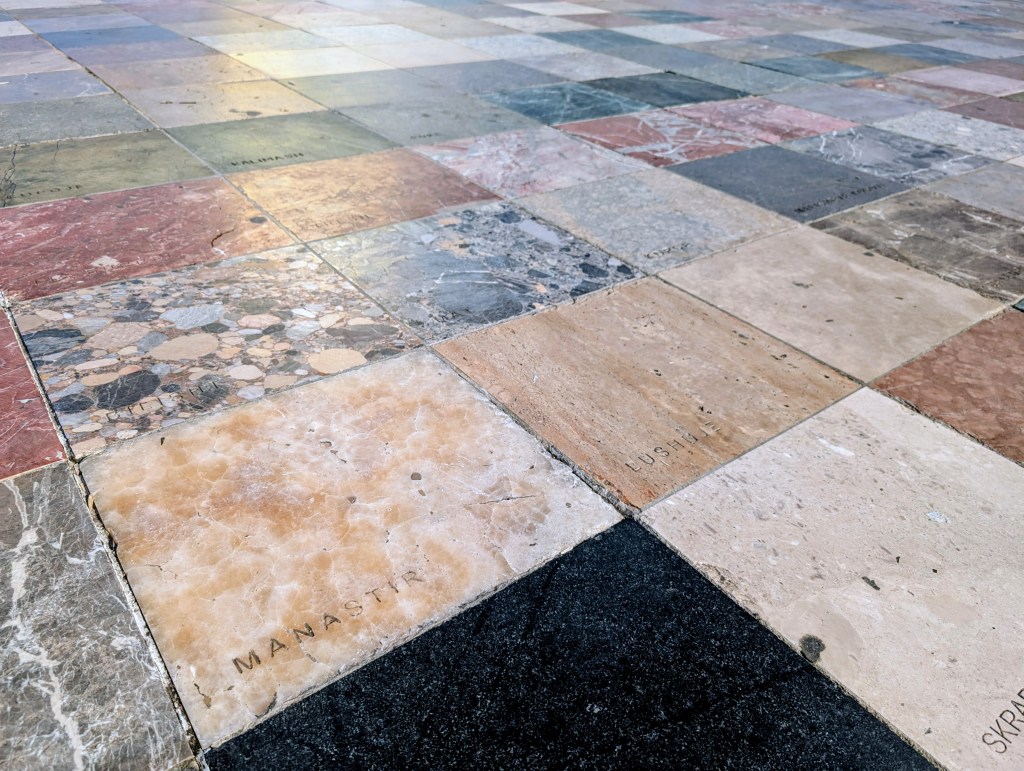
Skanderbeg square represents this unity by using stones from across Albania, and in one section it names the region of each stone’s origin. Together all of these stones (all of these regions) come together to create a common space for the public. Skanderbeg, who fought for 25 years for Albania’s independence from the Ottoman empire, is also someone that all Albanians can get behind. The statue in his honor reigns over the main square named after him, and as mentioned before, there is also a high rise building nearing completion that recreates his face in its facade.

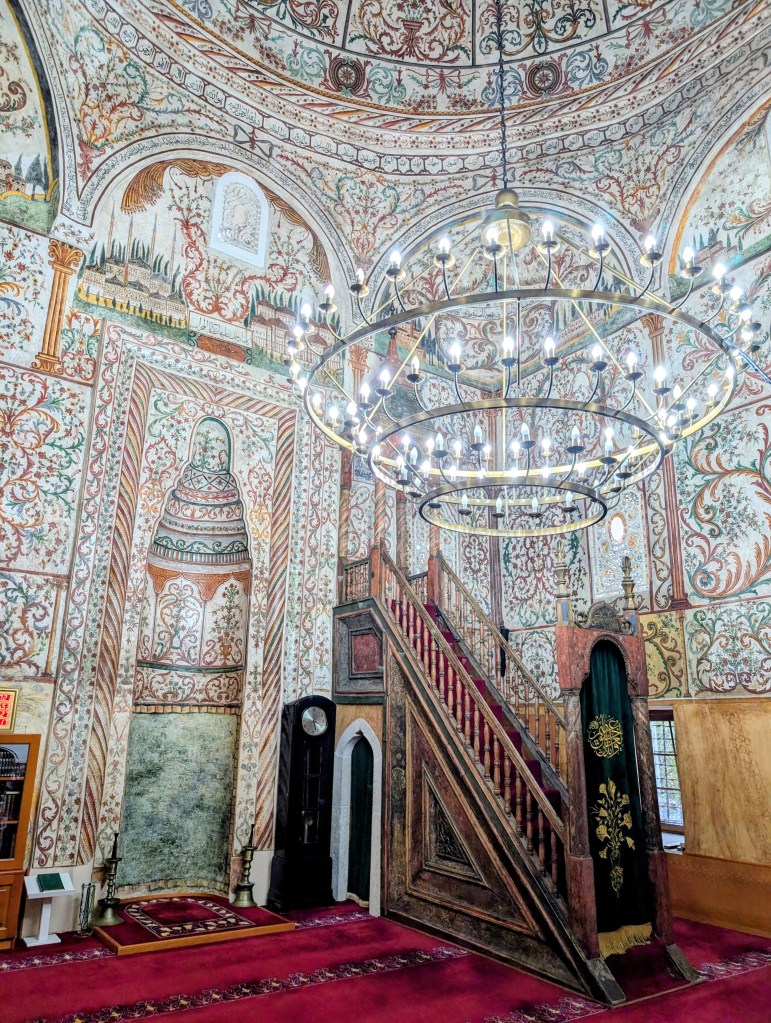
The city’s oldest mosque, Et’hem Bey Mosque (built in 1821), was spared from Hoxha’s destruction of holy places because of its unique frescoes. This makes it one of the oldest and most beautiful spaces in the city. Paint work is not common in mosques, so the frescoes of waterfalls, trees, bridges and landscapes stand out not just in this city, but across the Muslim community. This is also an important historical site: on January 18, 1991, 10,000 people entered the mosque carrying flags to establish the rebirth of religious freedom in Albania.
The newest mosque, The Grand Mosque of Tirana, completed in October 2024 with the help of Turkey, is designed to mirror the Blue Mosque in Istanbul. With a central dome reaching 30 meters high and a capacity for 8,000 worshipers, it is the largest mosque in the Balkan region.
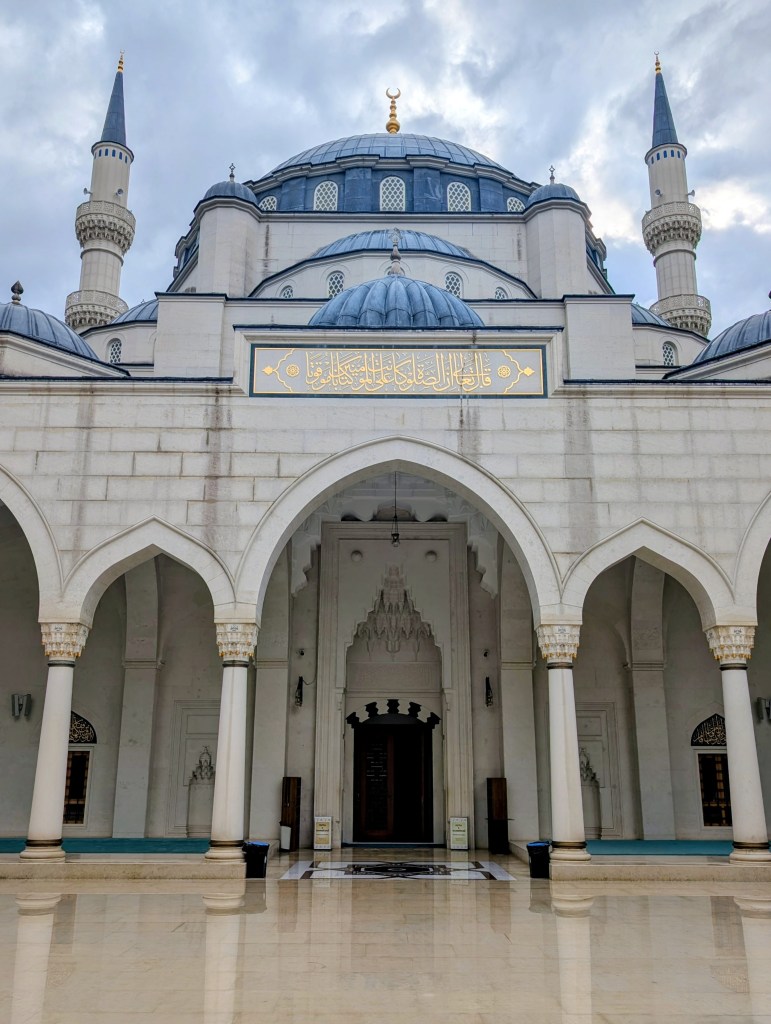
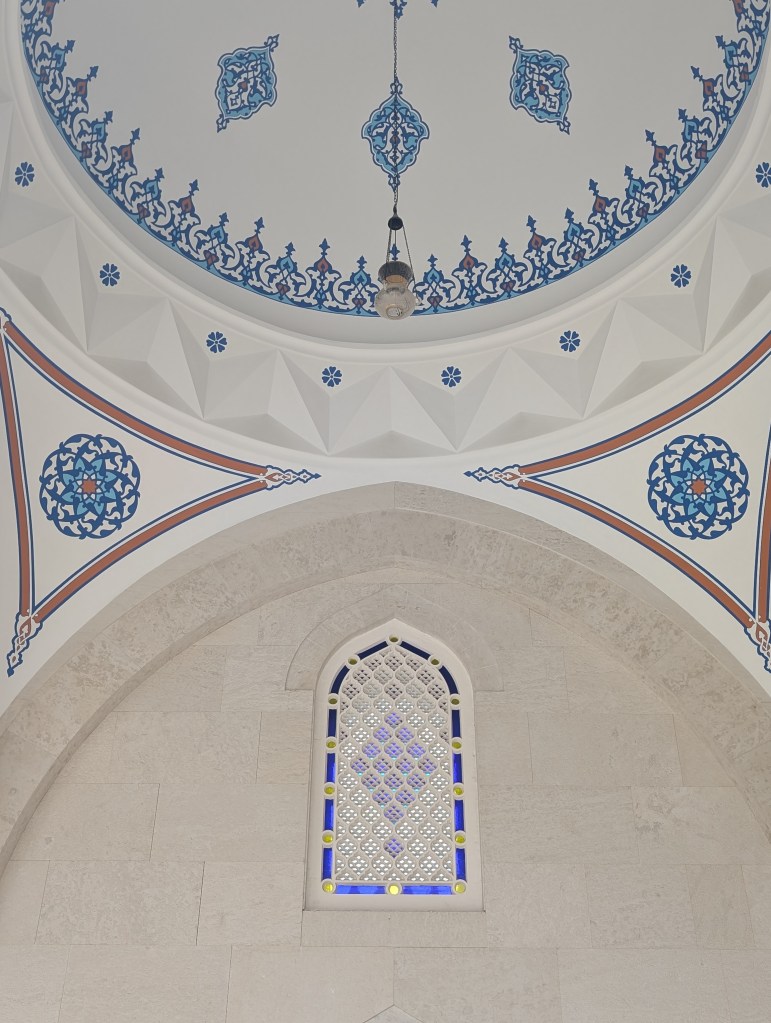
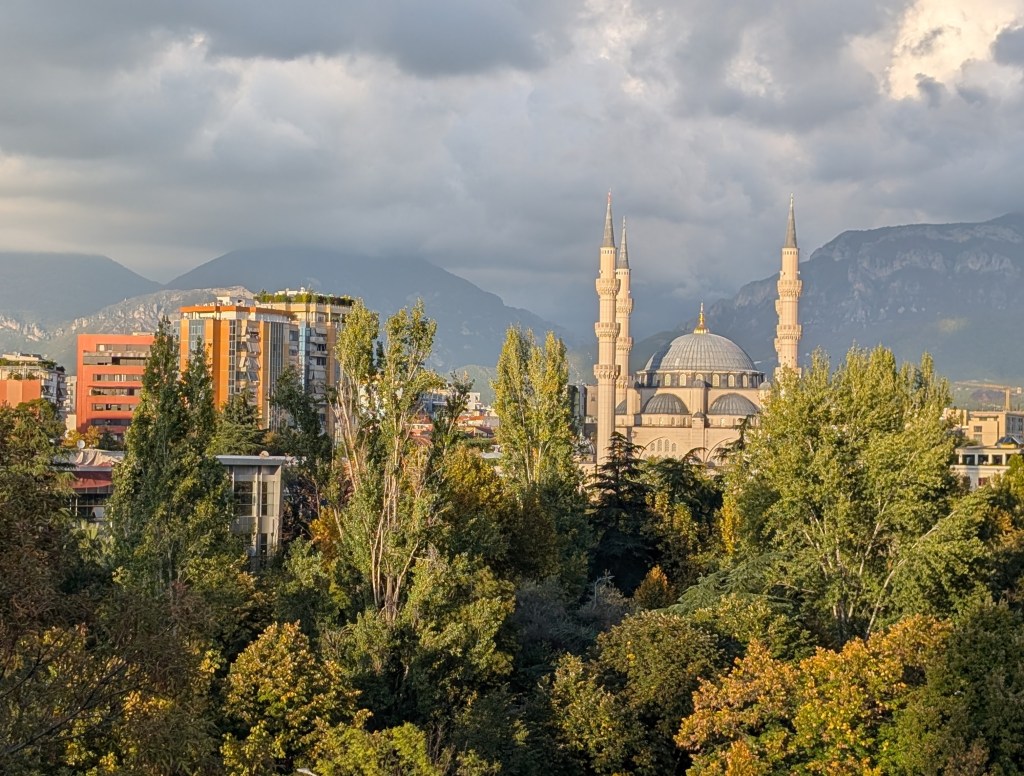
Albania is unique in its religious harmony, so while the majority of people who practice religion consider themselves Muslim, the city also boasts a strong Christian presence.
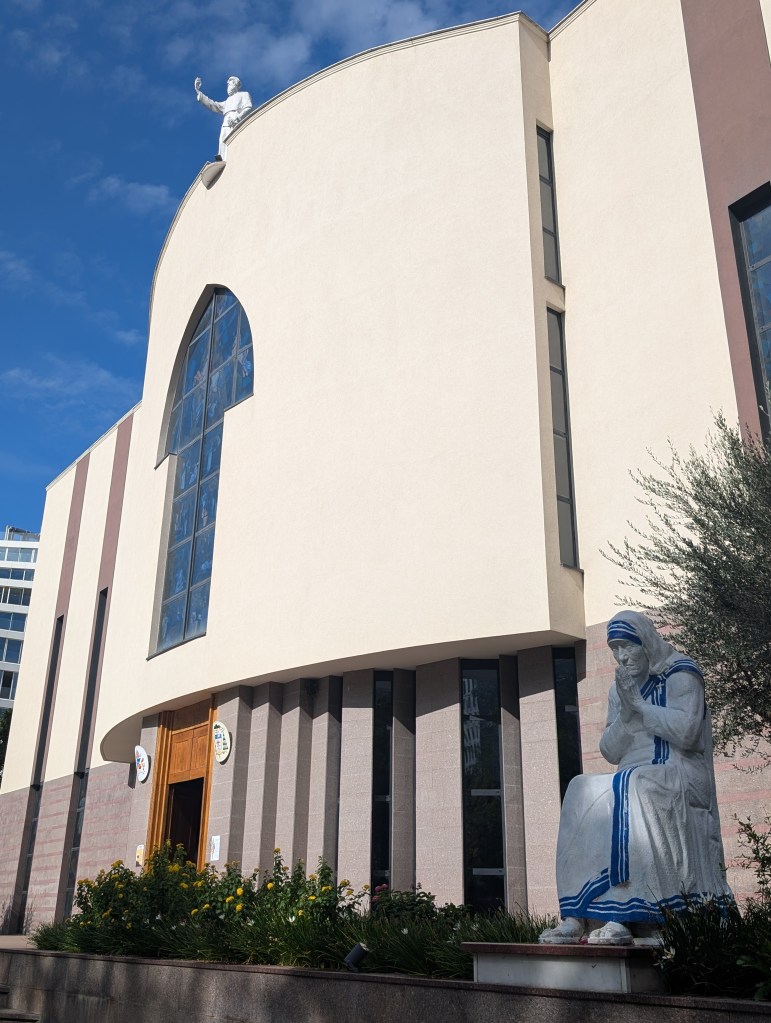
At the forefront of the Catholic history of the city is Mother Teresa. Born during the Ottoman Empire, she was of Albanian heritage. She stated, “By blood, I am Albanian. By citizenship, an Indian. By faith, I am a Catholic nun. As to my calling, I belong to the world”. Because Hoxha closed the borders, she was unable to return to Albania to see her family, but returned to pay tribute to them after the fall of communism. Her legacy is honored with a statue of her likeness outside of Saint Paul Cathedral (completed in 2001) and at the Tirana airport.
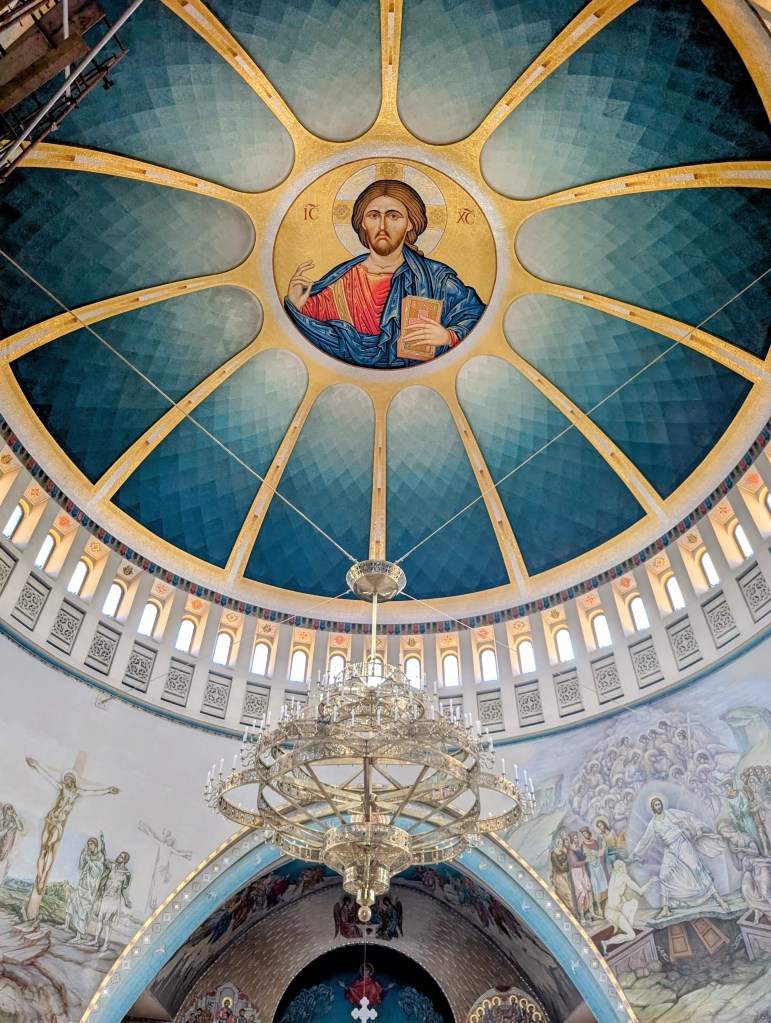
After the original 1865 cathedral was destroyed by the communist regime, the Resurrection of Christ Orthodox Cathedral was rebuilt in 2012 and became the third largest Orthodox Cathedral in the Balkans with its impressive 32 meter high dome and 46 meter high bell tower.
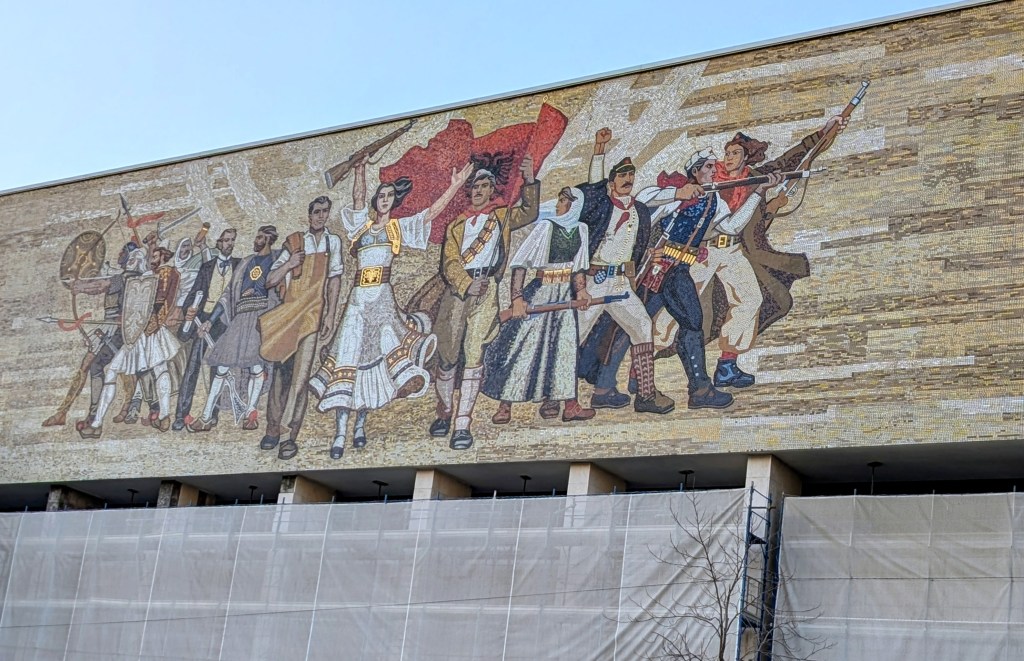
While Hoxha’s communist reign set to erase elements of history that he didn’t believe benefited Albanian pride, modern Albania wants to acknowledge the good and the bad. Thus, the large mosaic piece, titled Albania, that adorns the National History Museum is actually a representation of communist propaganda of history. Hoxha erased King Zog from its representation of Albania’s history because he was seen as a traitor.
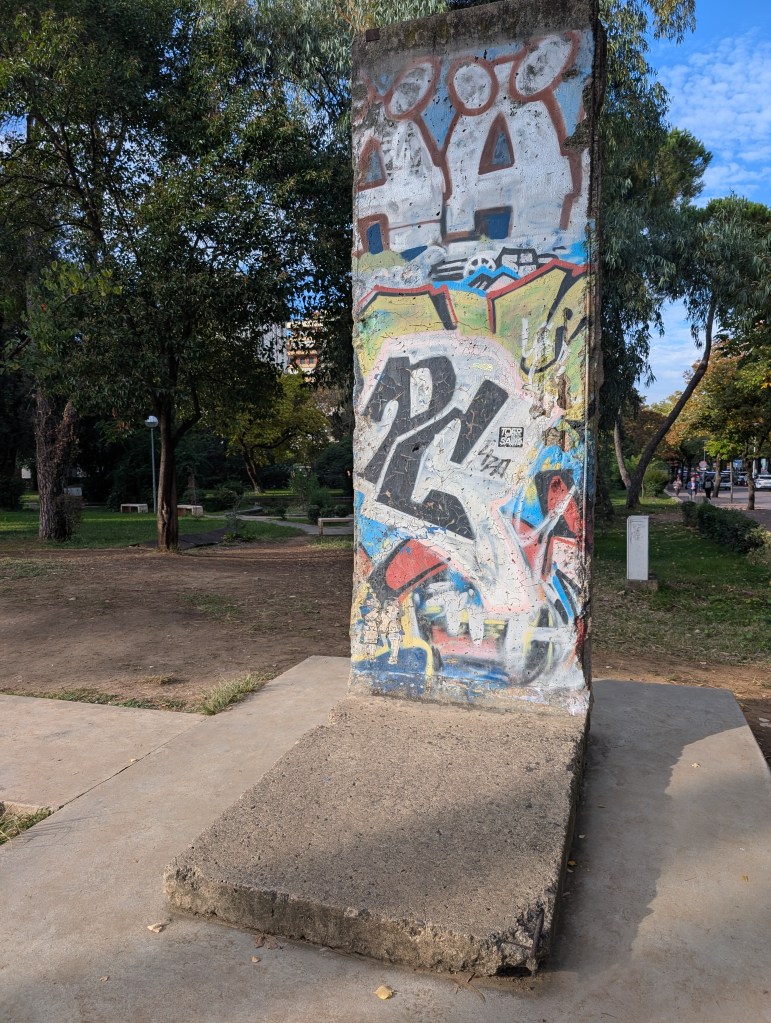
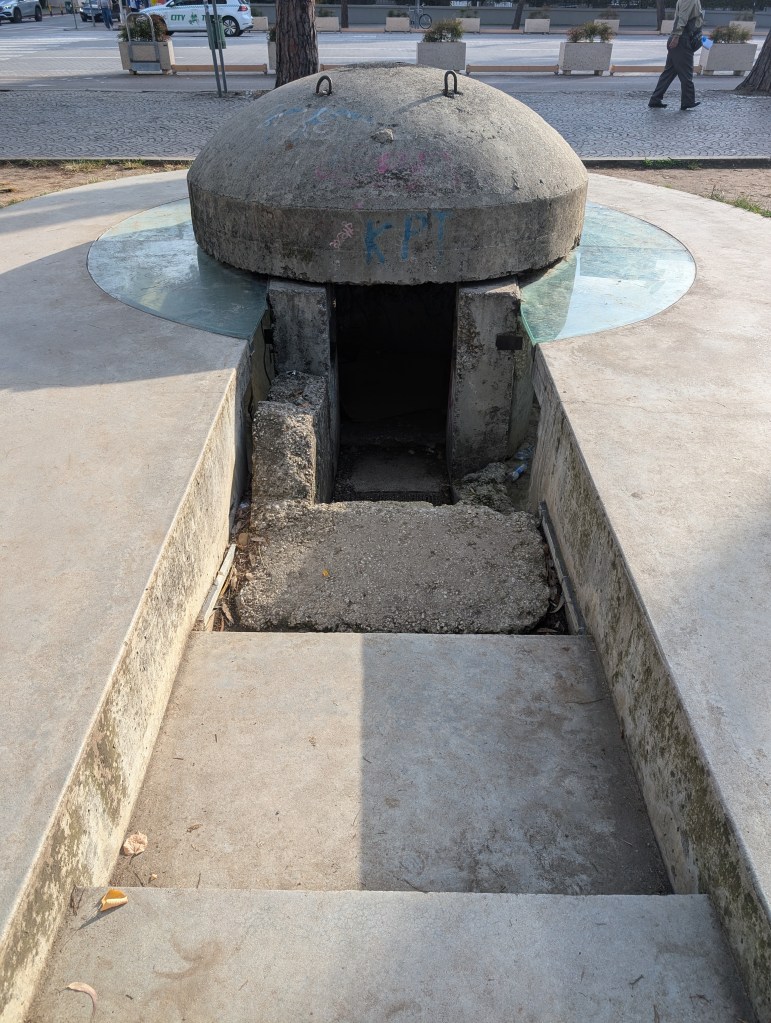
Yet, the city clearly communicates its break from the communist reign with honest depiction of Hoxha’s secret police, Sigmata (both House of Leaves and Bunk’Art 2 focus on this element of Albania history); repurposing Hoxha’s most treasured buildings to be the opposite of what he valued – his house is now an artist residency and his pyramid museum is now an educational co-working space and art gallery; and acknowledging the three negative pillars of Communism with the Postbllok Memorial in Lulishte Ismail Qemali Park: a piece of Berlin wall representing Albania’s isolation, Spaç Prison girders representing the suffering of forced laborers, and the concrete military bunker (one of over 1,700 built across the country) representing the threat of violence.
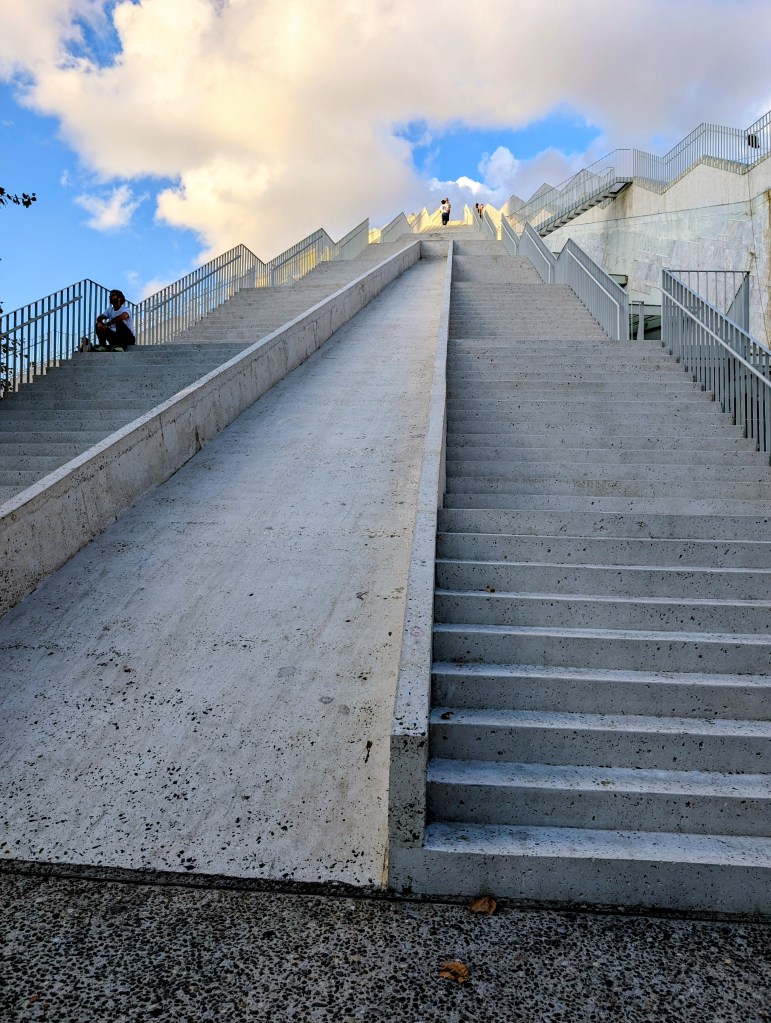

During my visit, I was lucky to experience a short performance from the National Dance Festival in the small Gallery of Contemporary Art of Tirana (GOCAT) that is housed inside the pyramid of Tirana.
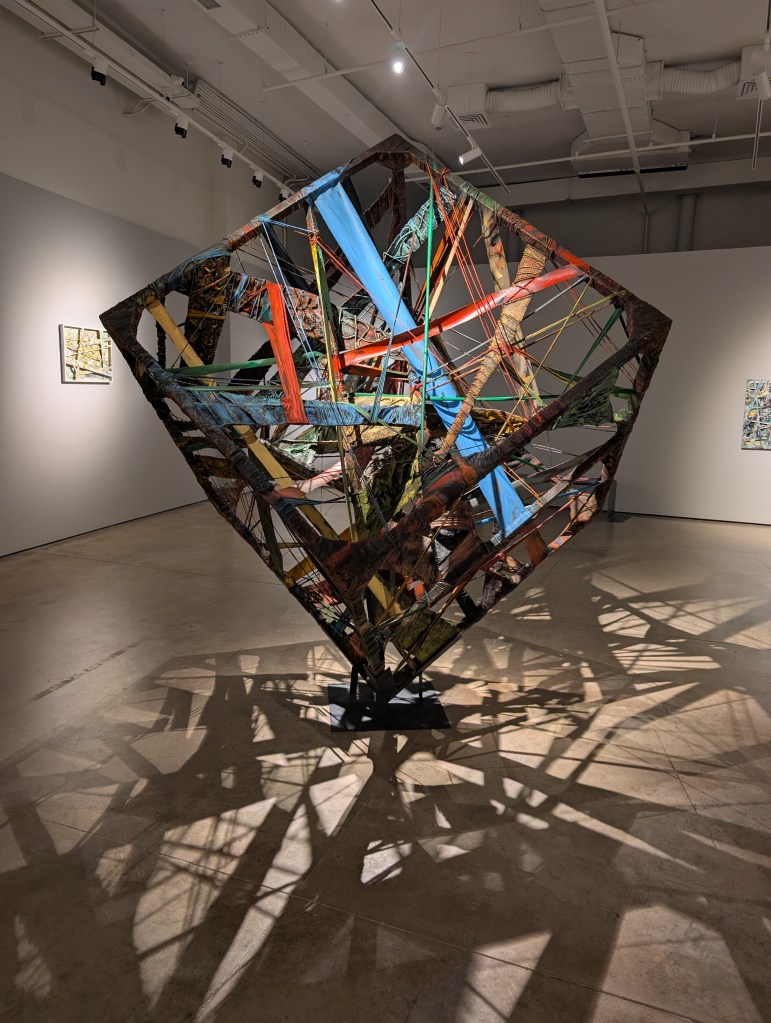
Tirana has embraced its artistic side with not just designated art galleries, like GOCAT, but also with the public art and murals that adorn the facades of buildings throughout the city. Again, instead of destroying all of these concrete block buildings left over from the communist regime, the city has transformed them into canvases to convey political, hopeful, and whimsical art pieces.
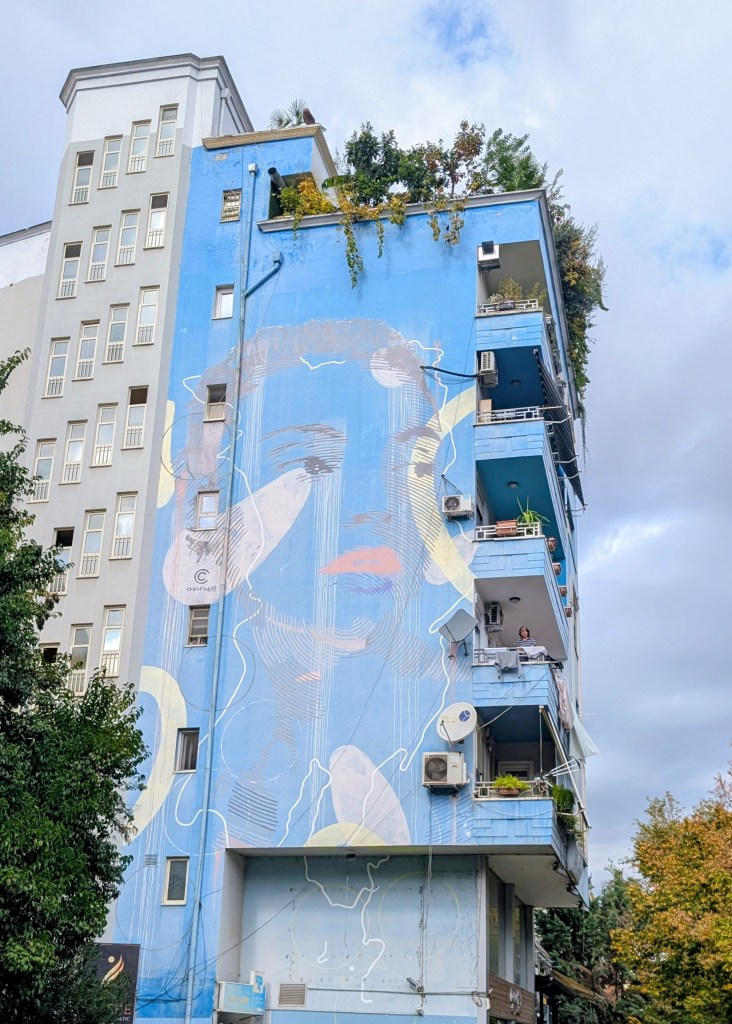
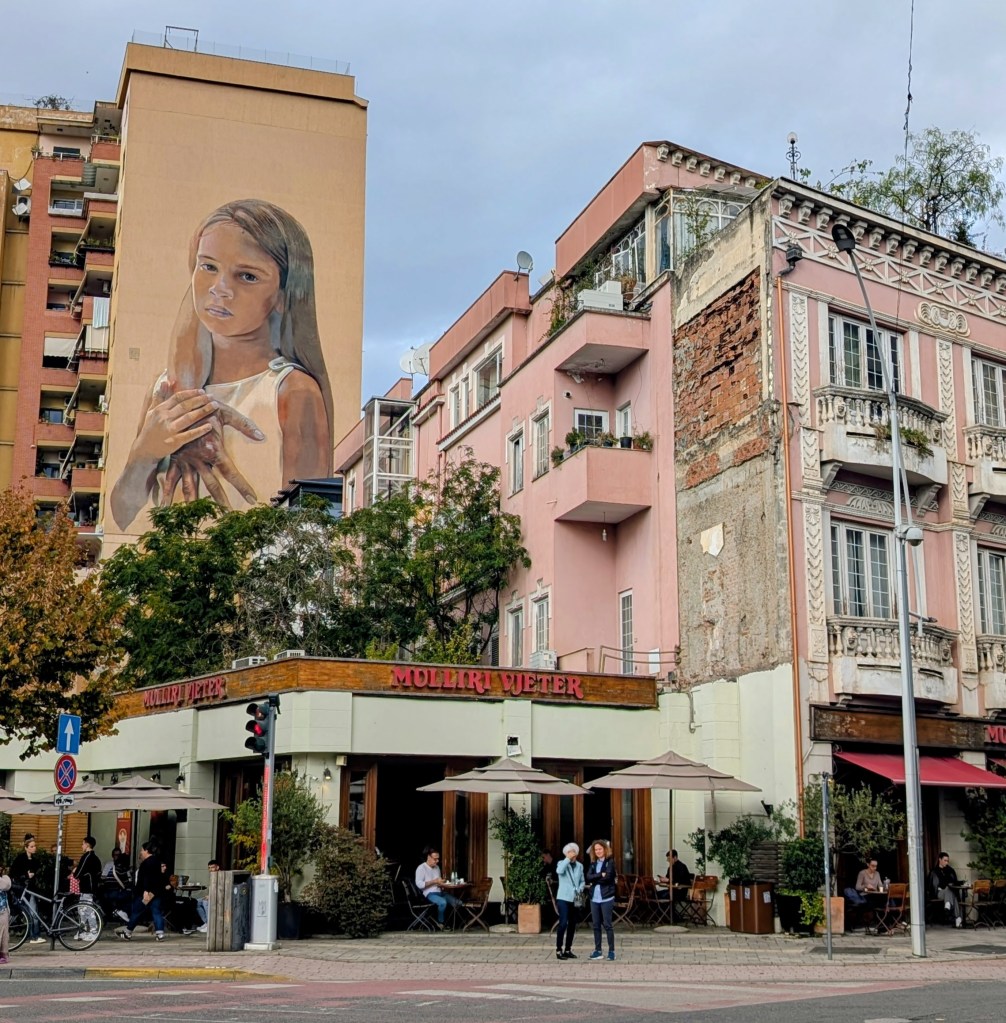
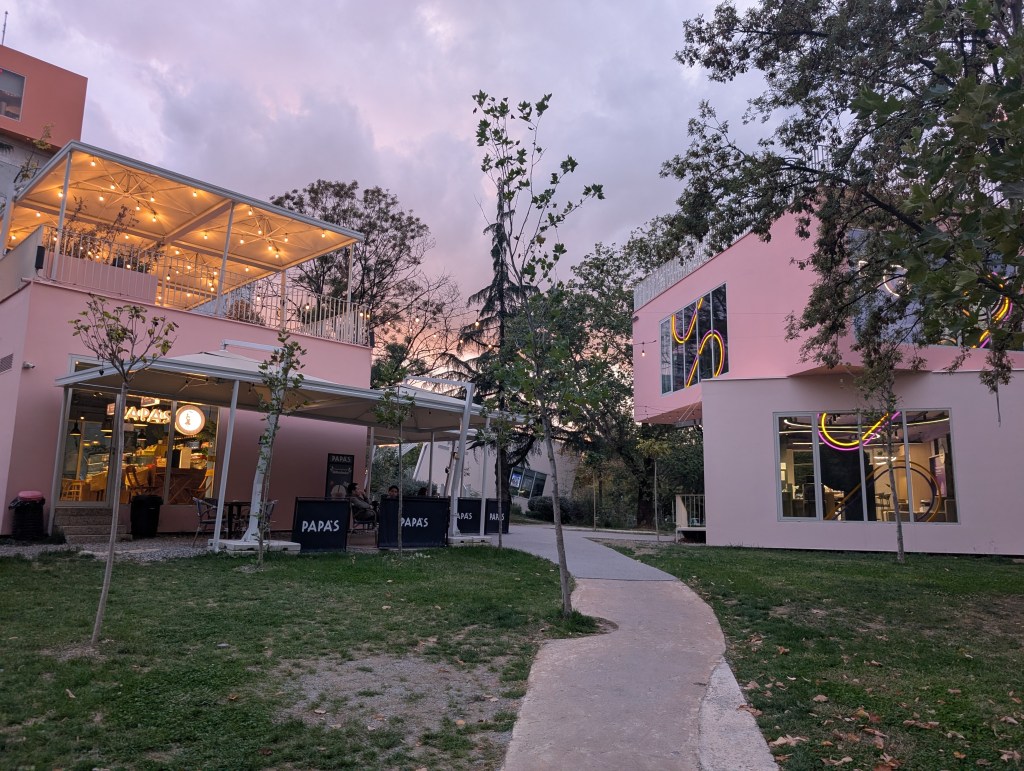
One of the best neighborhoods to discover these murals is the Blouku neighborhood. During Hoxha’s reign, this area of the city was reserved for his inner circle, and today it continues this reputation with its higher end shops and restaurants.
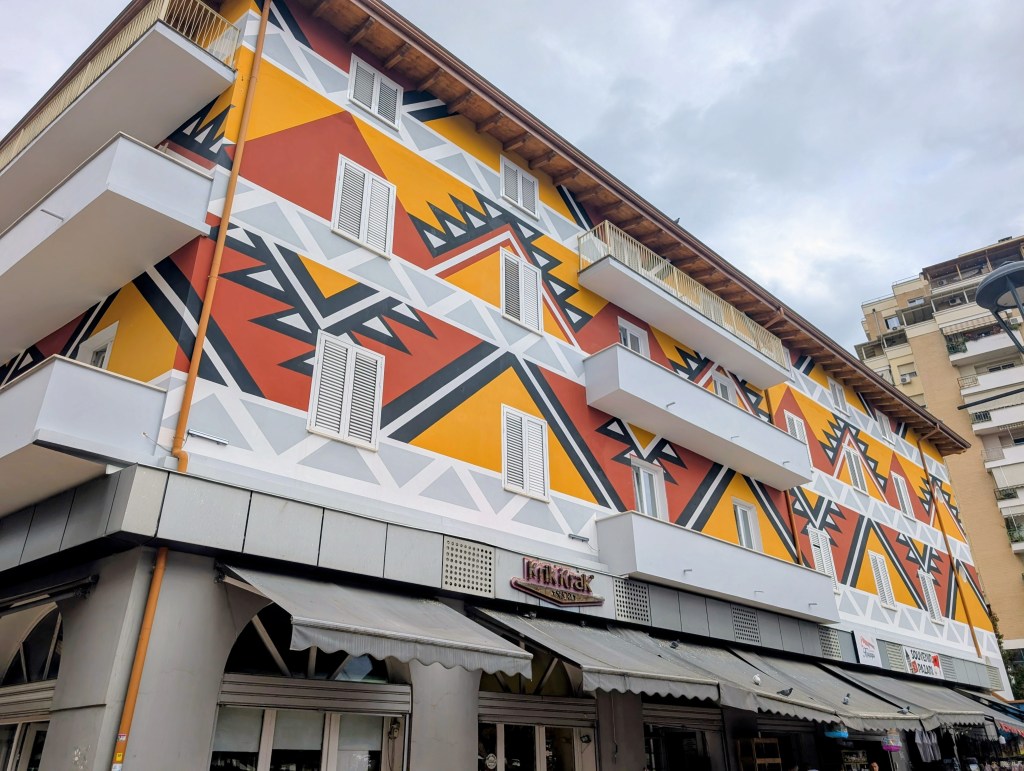
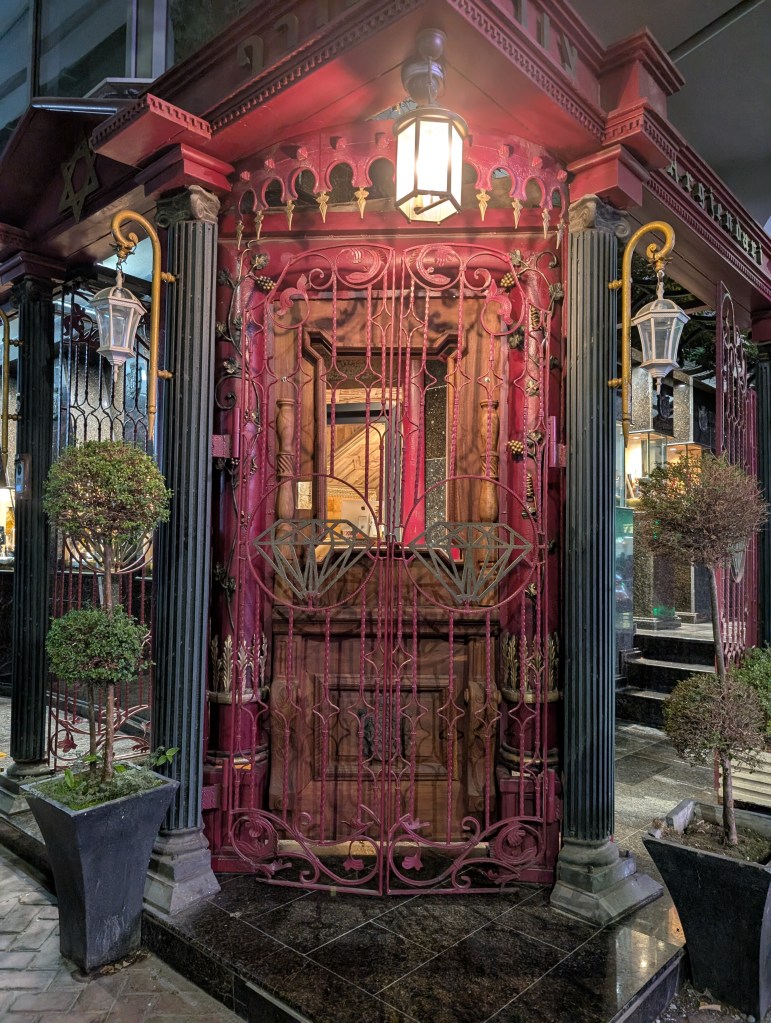
Most people say that one day is enough in Tirana, but in just the few that I was there, I fell in love with the city. I had three full days in the city & an extra to take a day tour. Tirana has vibrant energy, and I can imagine it would be a great place to live.
 Mac On the Map
Leave a comment