
Zurich is not people’s first choice when it comes to Swiss cities, but the reasons why people skip it are the reasons that I really enjoyed it. Instead of feeling like a city for the tourists, Zurich felt like a place people live – even the old city part.
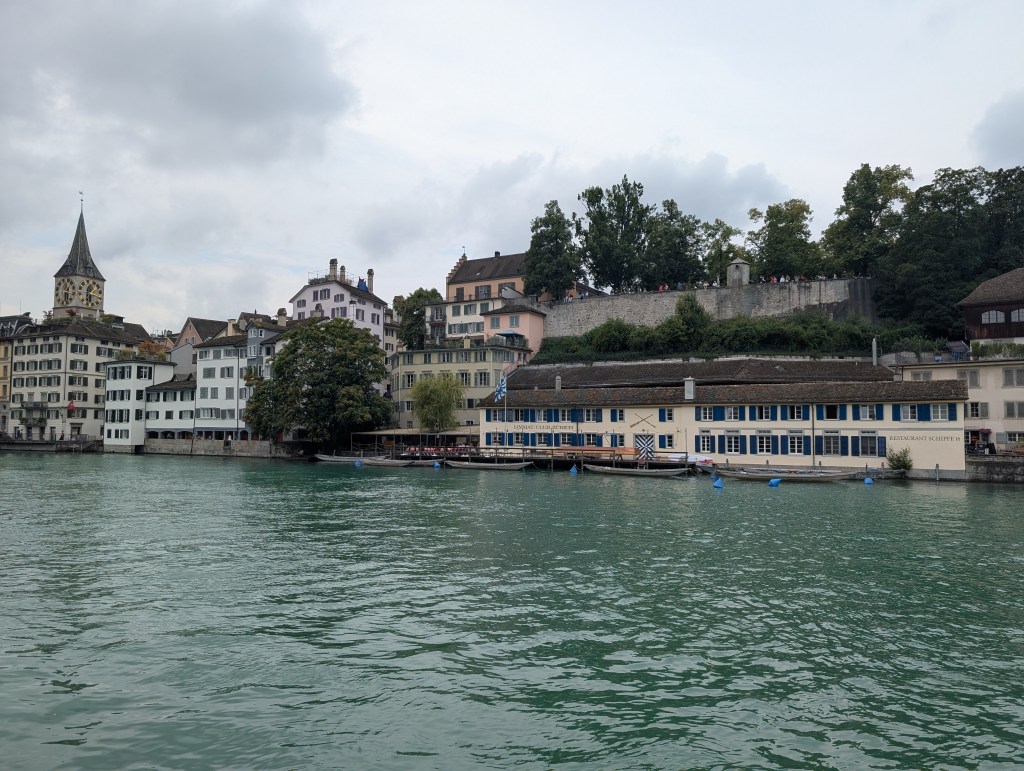
Because I was staying about an hour away, I bought a Zurich transit day pass that let me take any public transportation (train, bus, funicular, boat) for one set price (and the Swiss Half Fare card works for this as well). With this in hand, I took advantage of the train and bus network in the city to extend my options for things to do.
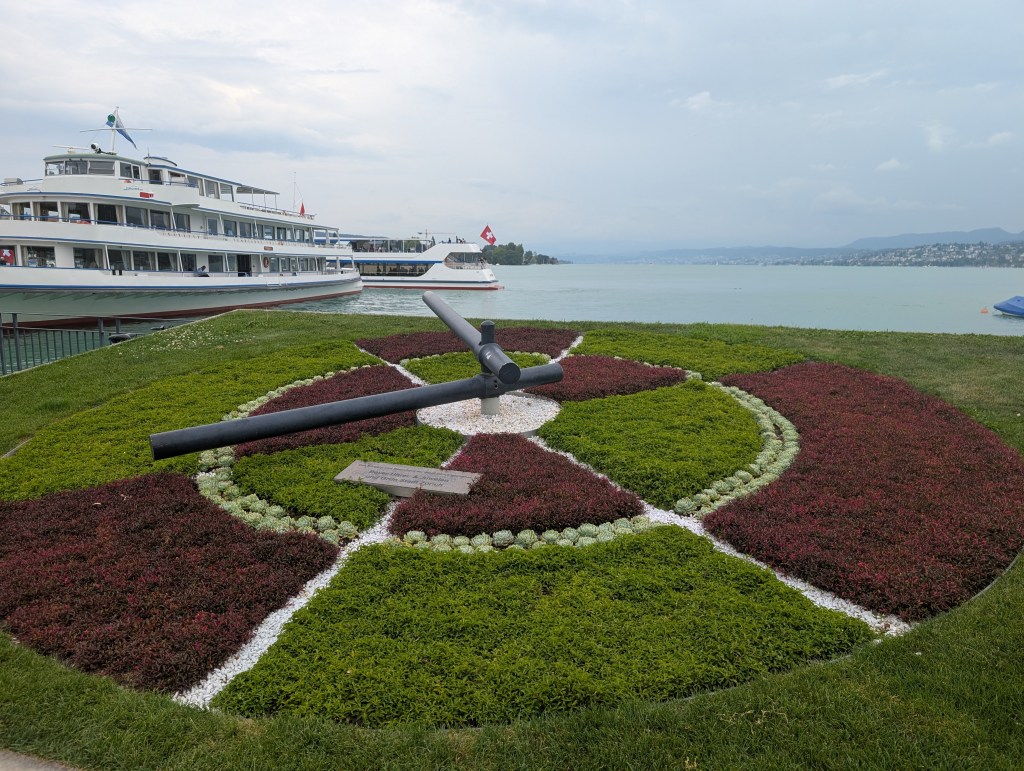
It was also a day that was supposed to rain off and on, so I planned more inside activities than normal.
I started with a ride up the Polybahn. This small funicular takes people up to University of Zurich. It would be easy to take a train or bus or even walk up, but the vintage draw of the Polybahn was too much to resist. At the top of the funicular is a Polyterrasse offering views of the city.


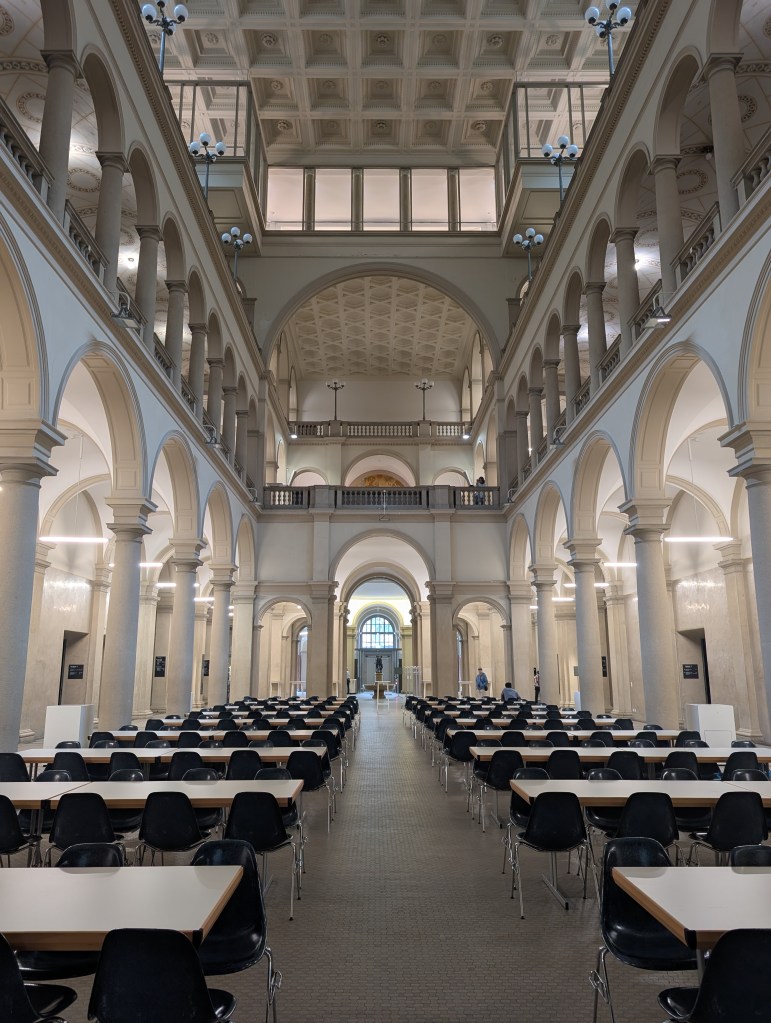
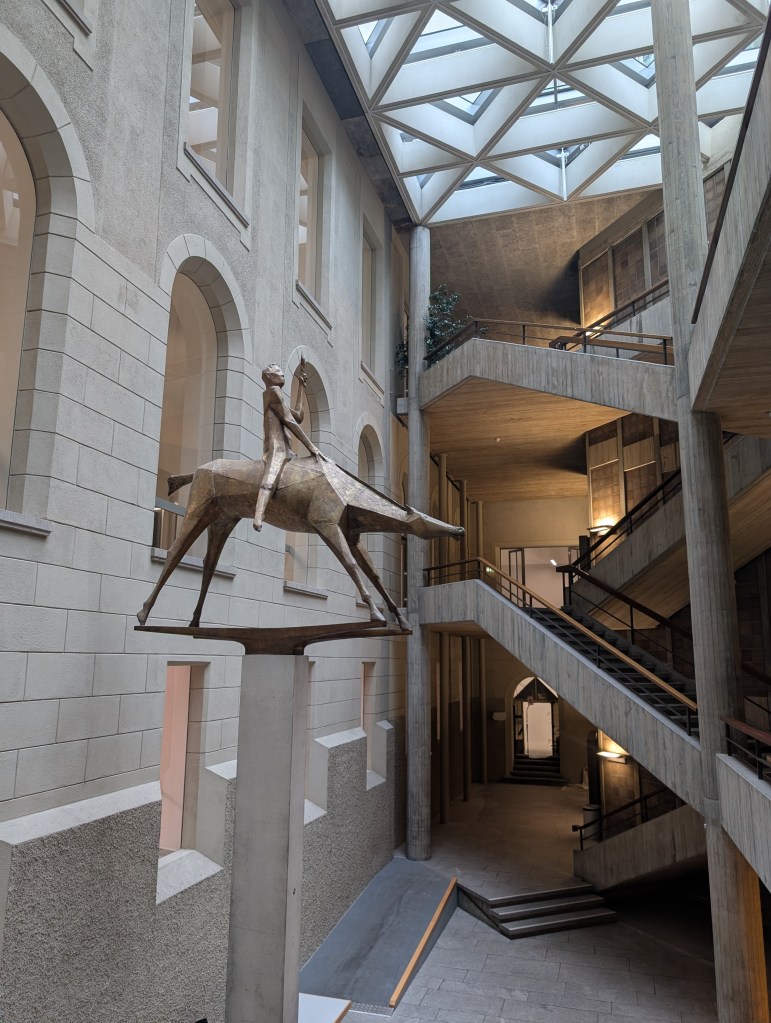
Since it was raining, I decided to also step inside and check the University of Zurich’s Science and Technology main building. Built in 1864, Gottfried Semper’s neoclassical atrium features large arches and a coffered ceiling above tables and seating areas for students to work. Walking into one of the wings, I was surprised by the shift in design aesthetic. The brutalist staircase and sharp lines of the Guardian of the Hall sculpture set against the curved arches of the interior windows creates visual intrigue.
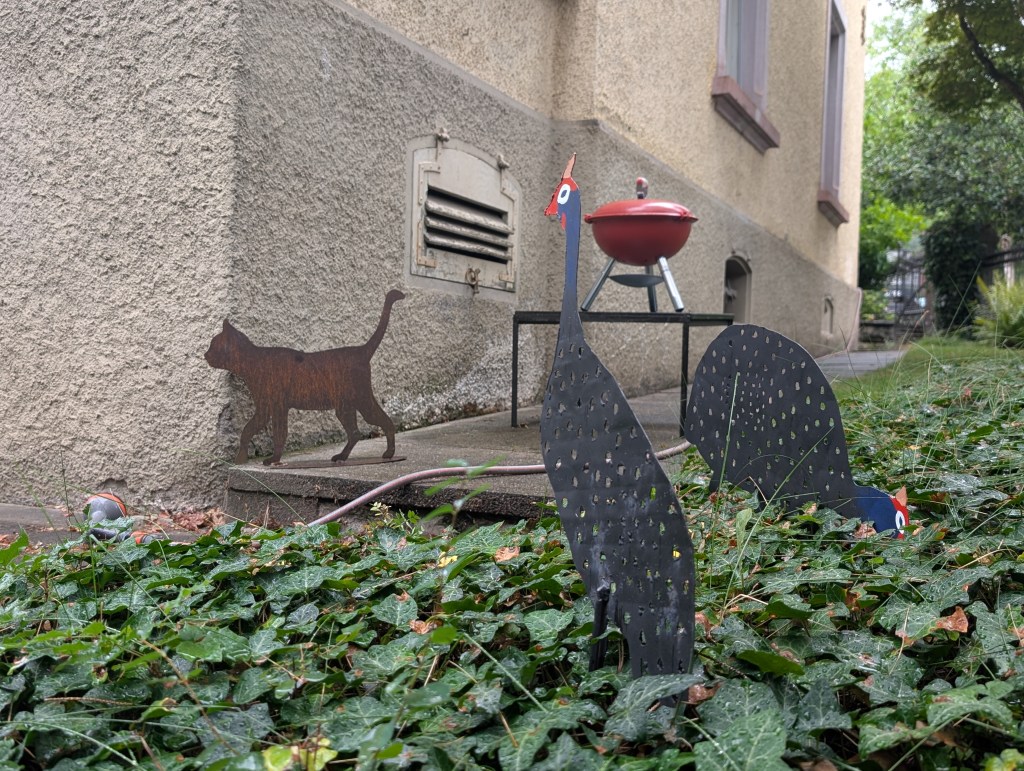
From there, I jumped on a train for a quick stop at the former residence of physicist Erwin Schrödinger & the cat statue that nods to his quantum mechanics concept of superposition where a radioactive atom is in two contrasting states until action is enacted upon it. In the case of the cat, it can simultaneously dead and alive when placed inside of a box that is set to release a poison when someone opens it.
Then it was on to my first main stop of the day. The Kunsthaus museum is a large art museum that features three floors of exhibits. I started at the top floor where the rooms offer a glimpse into the large Merzbacher Collection. The collection includes classic paintings from well known artists like Van Gogh, Manet, and Picasso. However, because Merzbacher was a well known arms distributor, had a reputation for mistreating his female workers, and may have acquired some of his art through shady means, each room asks the patrons to grapple with issues of art acquisition, separating the art from the collector, and the future of art. Coupled with the Merzbacher Collection is a room dedicated to Jewish art collectors who dealt with Nazi confiscation.
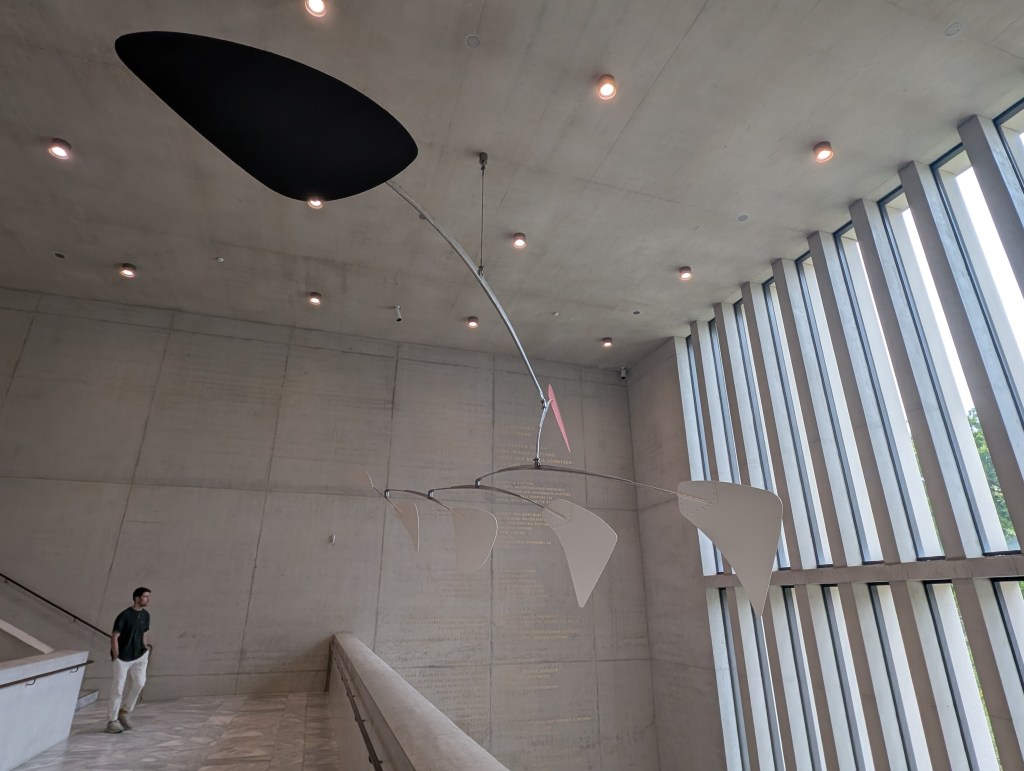
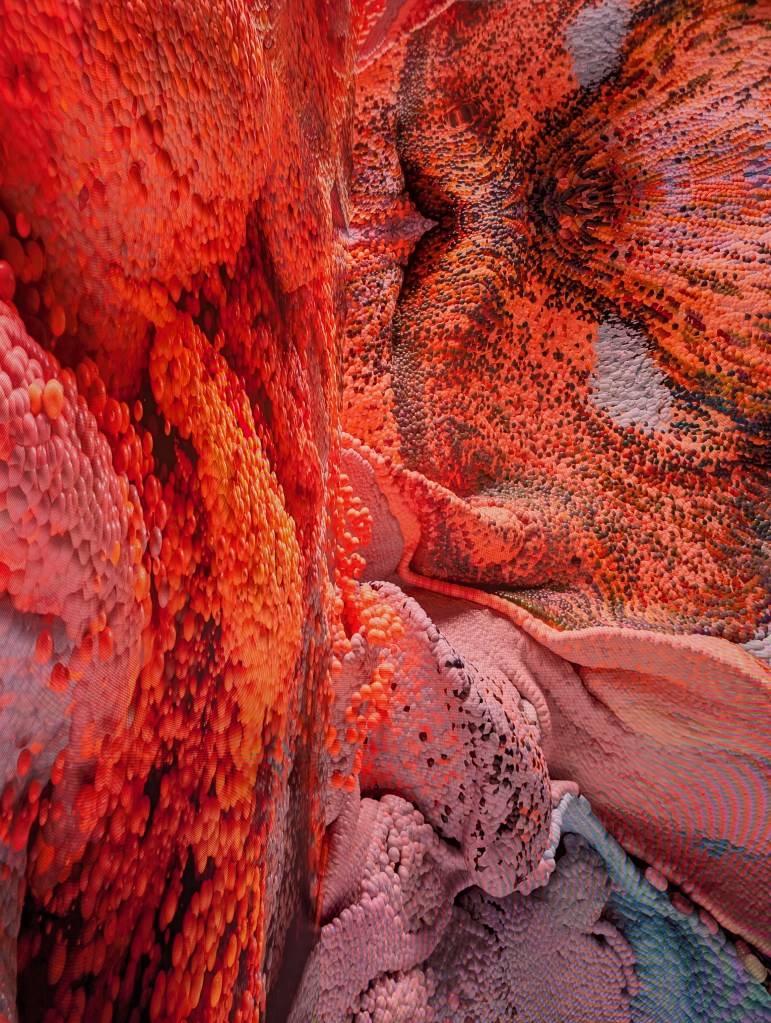
Other floors featured postmodern artists, more impressionists, and other famous artists. There were also two immersive exhibits, rooms that allowed me to escape reality and appreciate all my senses. A bonus is that the Kunsthaus is free to the public on Wednesdays.

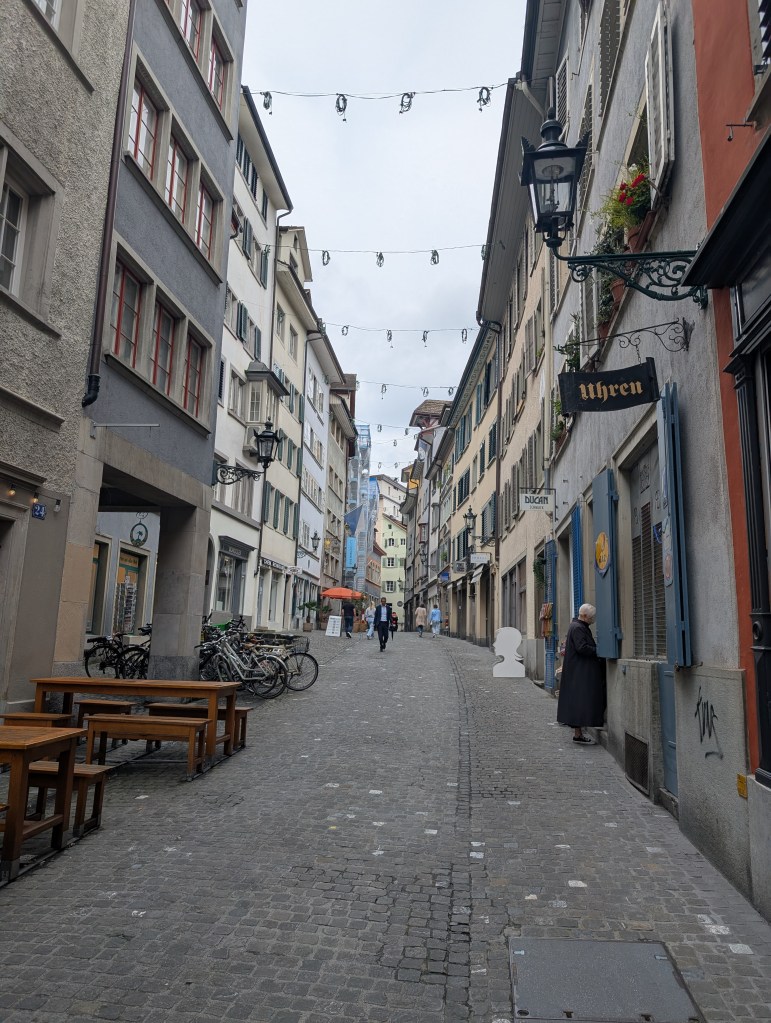
I spent the rest of the morning walking around the Neiderdorf and the rest of the Old Town. The area is filled with numerous alleys and squares that offer small shops and eateries. I got a little lost during my wanderings – but in the best way. Again, while other old cities I’ve visited in Europe have been filled with tourists, these streets were filled with locals.

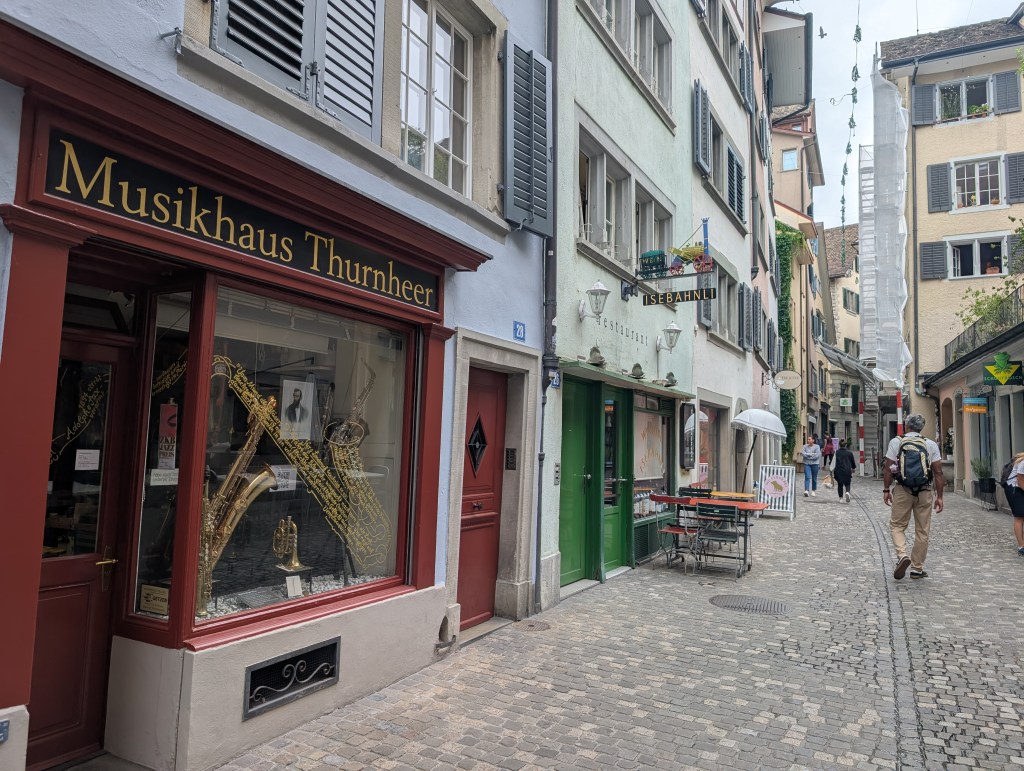
After lunch, I made my way to the bustling street of Bahnhofstrasse where you can find any global clothing or jewelry brand that you might want. I wasn’t here for those though. I heard that Orell Füssli Zürich Kramhof included a whole floor of English books. Since I had finished the book I brought from home, I was excited to find another one for the next leg of my journey. The book store offered all the big hits from not just the United States but around the world. Another fun addition to the English floor was the shelves of goods that foreigners like Americans, British, or Australians might be missing from home.
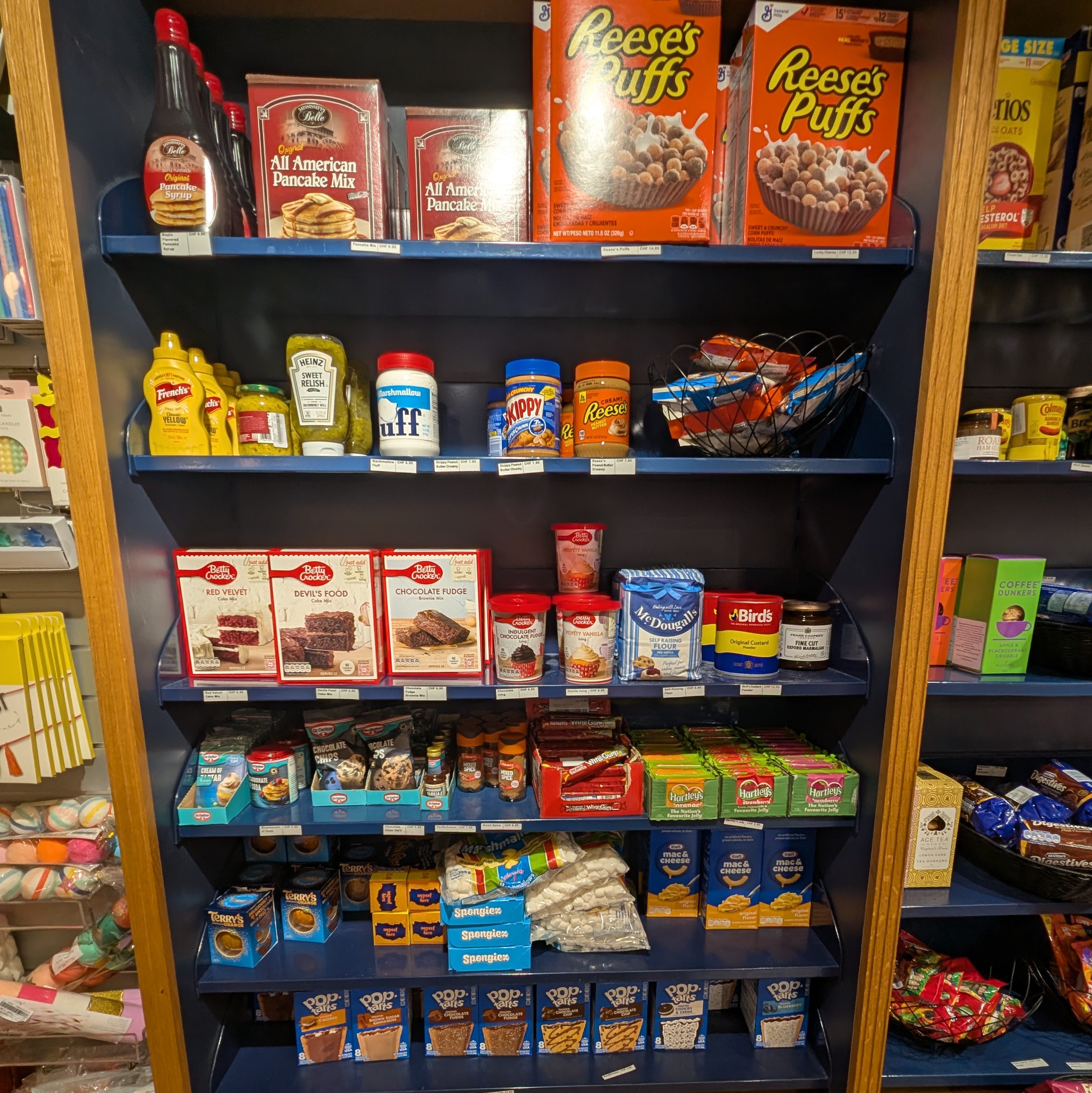
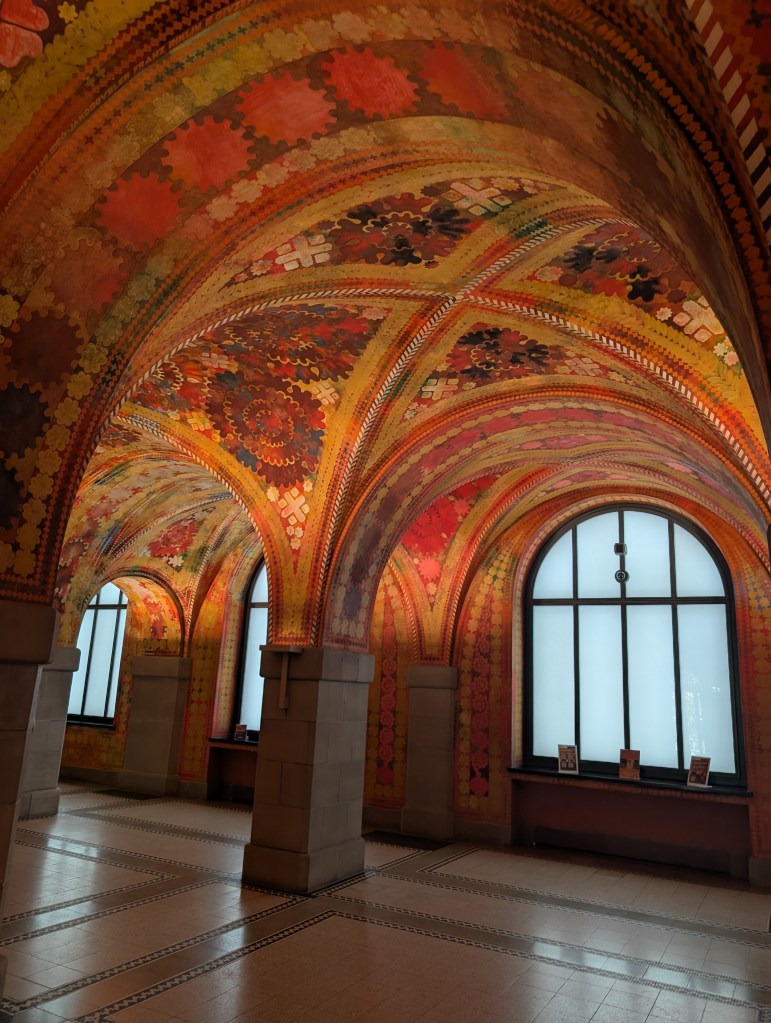
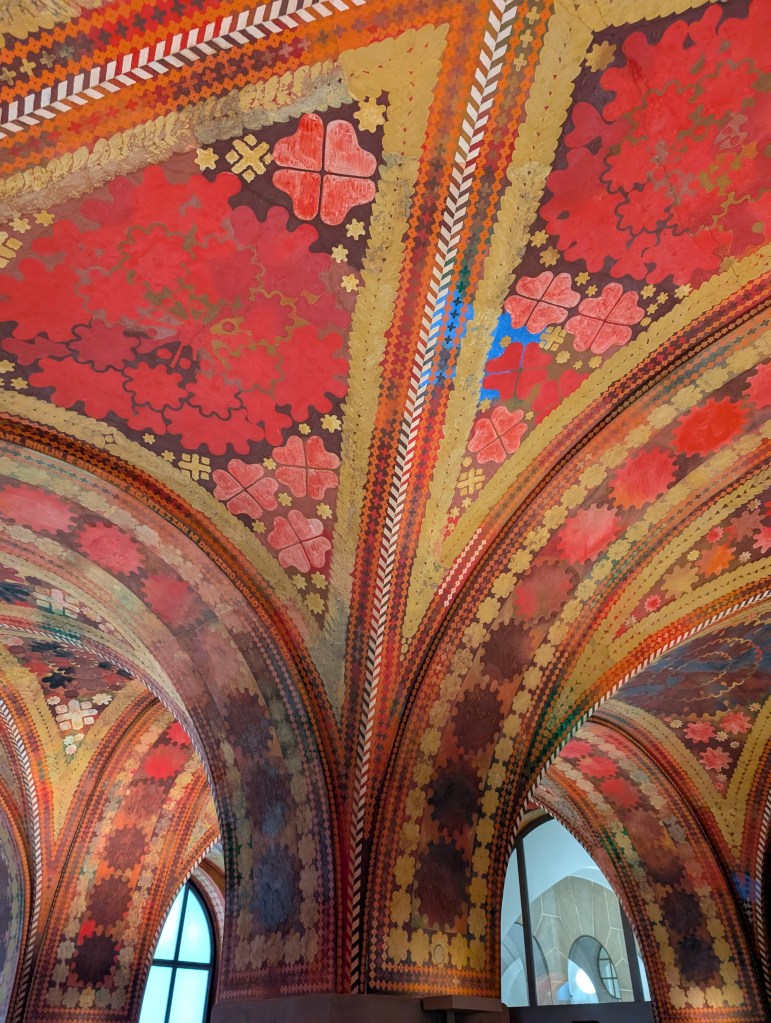
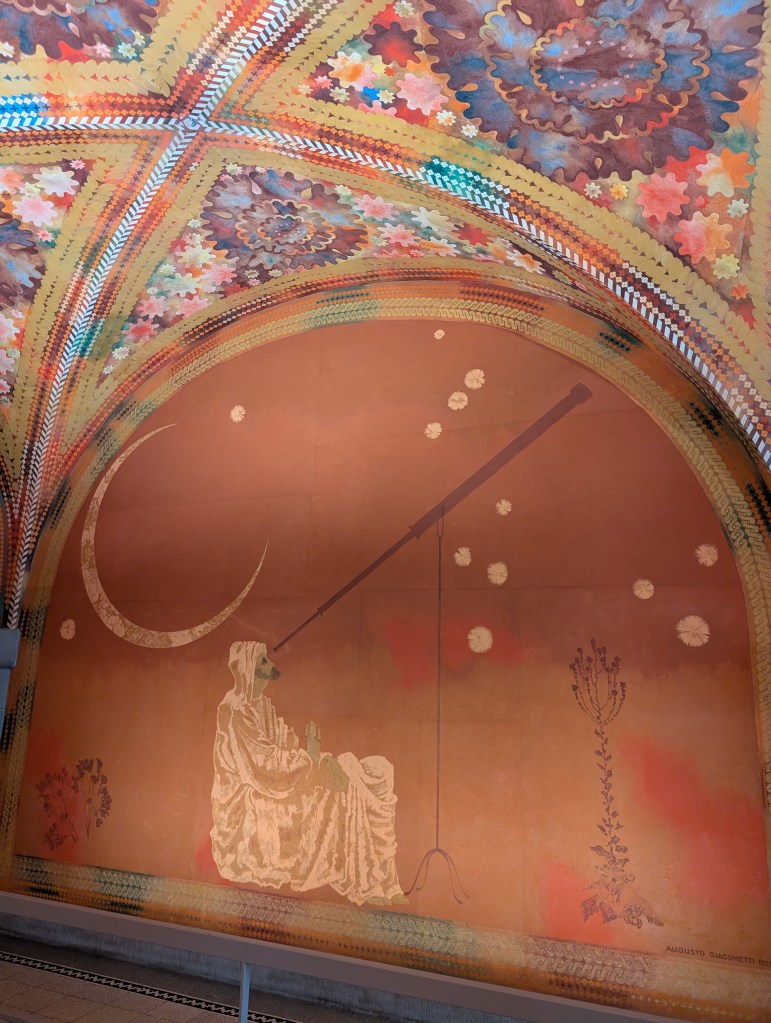
On Wednesdays between 2-5pm, Giacometti Halle (Zurich’s police station) is open for public tours. Why would you want to visit a police station? Well, the lobby of the station has been decorated with vibrant red and orange ceiling frescoes. After the police station took over an old orphanage, they wanted to create a move inviting foyer for the public, so they hired abstract artist Antonio Augusto Giacometti to paint the walls and ceilings of the space. Between 1923-1925 Giacometti and his team painted the 14 cupolas with frescoes and the surrounding walls with murals celebrating both agricultural and intellectual workers. The colors of the room represent Gicaometti’s bold color theory: he aimed to have his colors capture sounds and moods structurally and believed “color must have a life of its own, detached from every object”.
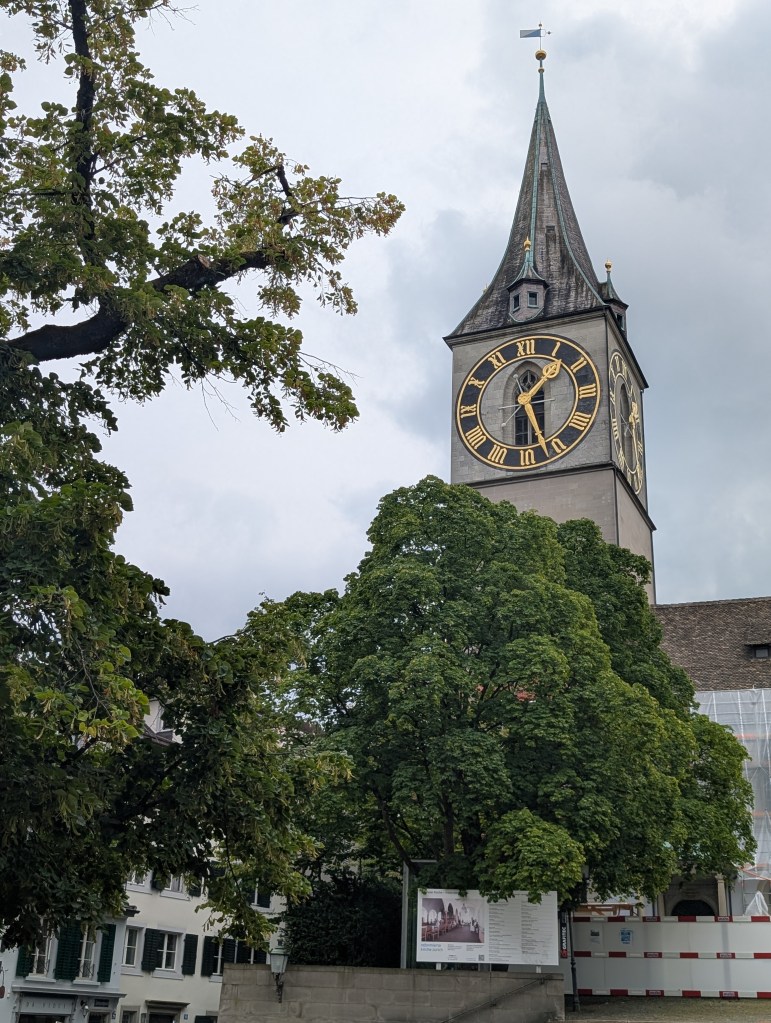
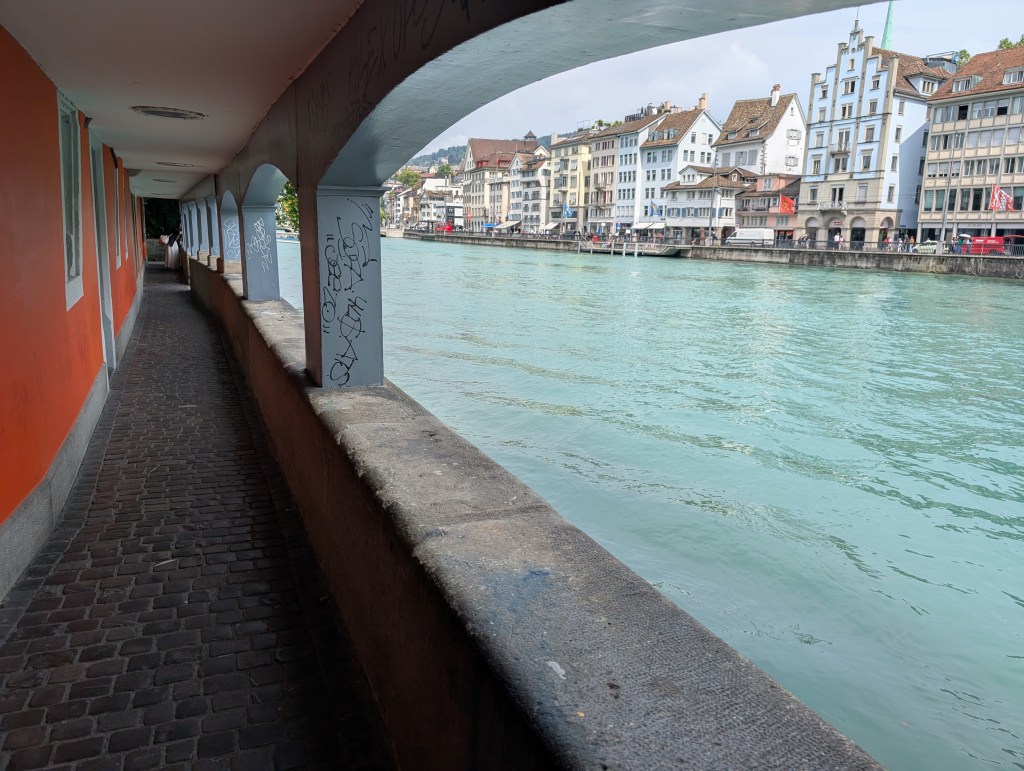
Nearby is the Linderhof overlook. From here I could see across to the University overlook that I visited earlier in the day. The massive 8.7 meter wide clock face – largest in Europe – of St. Peter’s is also visible from the squares and streets nearby. Below Linderhof by the Limmat canal is the Schipfe passageway; during the Middle Ages, this area was the center of the silk trading industry, but now, the area houses small artisan shops.


With my train pass, I wanted to check out some sights just outside the main city center, so I took a train to the Rote Fabrik. As someone who loves an alternative art scene, I had high hopes for this warehouse turned graffiti decorated space; however, I think this is a place that is more about the nightlife. There was a large beer hall along the lake that was interesting, but it was nearly empty when I visited. However, the visit wasn’t a complete waste as I enjoyed walking along the pedestrian bridge that went out into the lake.
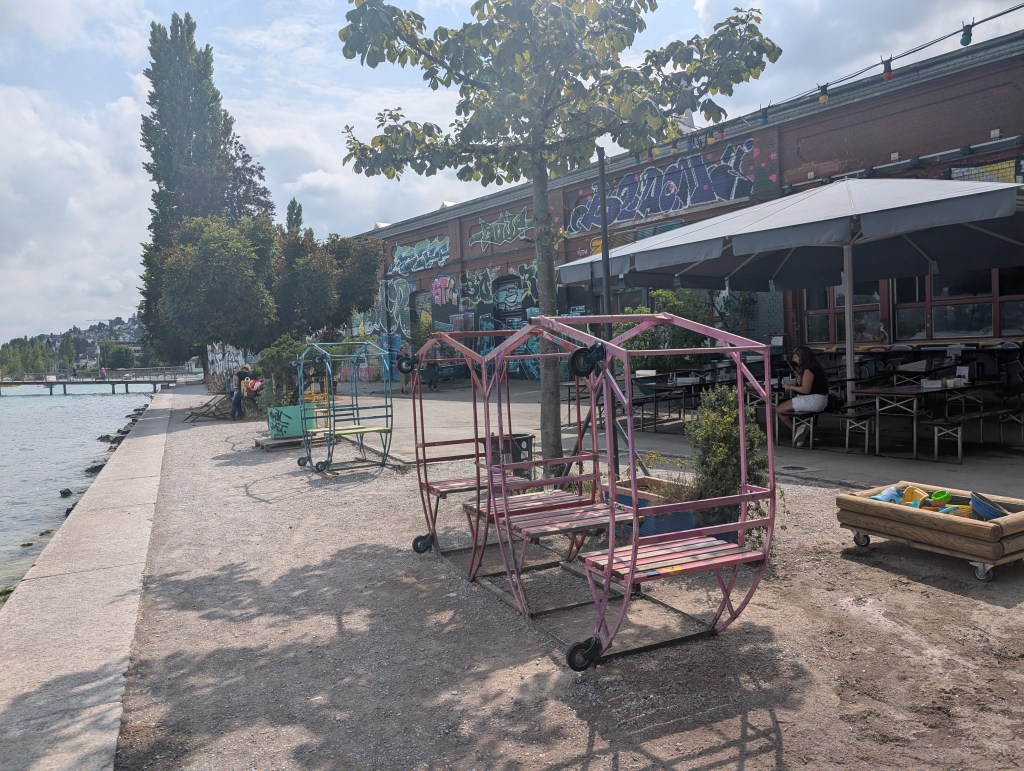
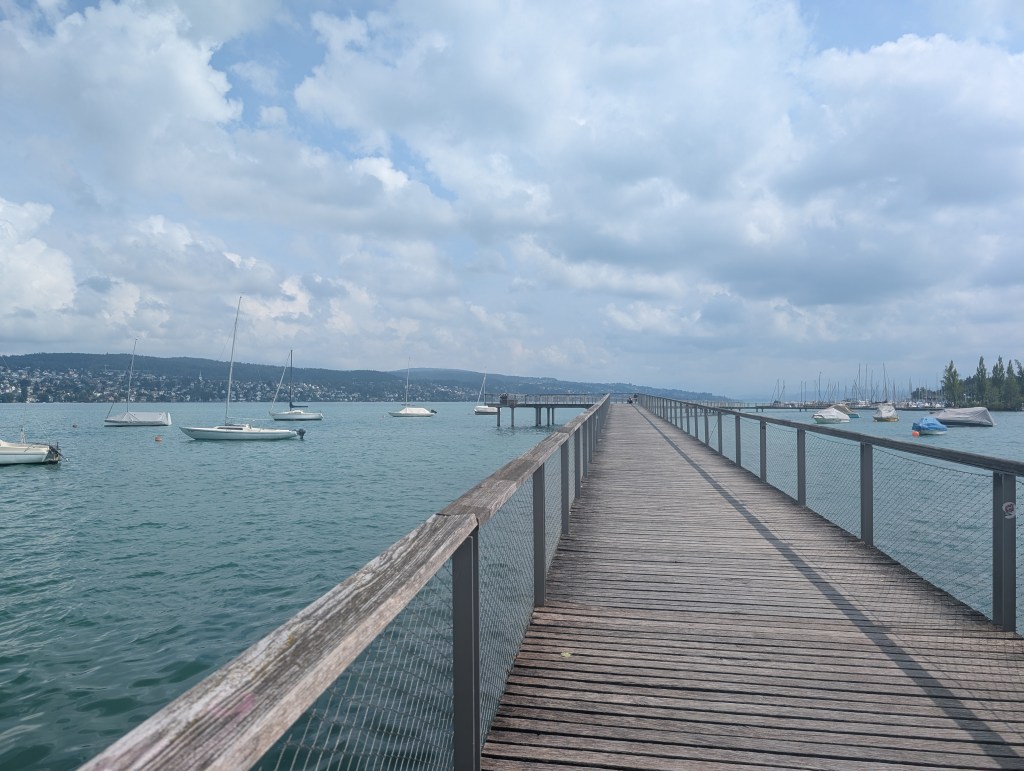
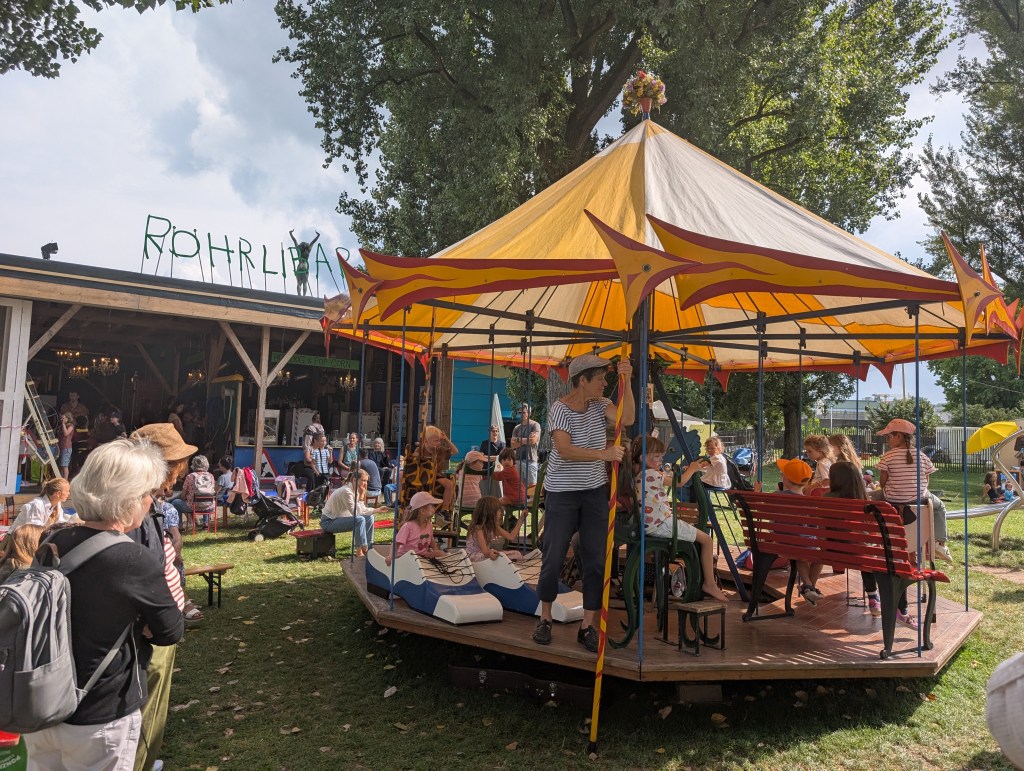
From here, I continued walking along the lakeside back towards Zurich. By chance I came across the grounds of the Zurich Theater Spektakel (happening 2nd half of August). Since 1980 their mission has been to make art accessible to everyone. During the day they had a children’s construction play space and a hand pushed carousel. At night they have theater, dance, music, and street art performances.
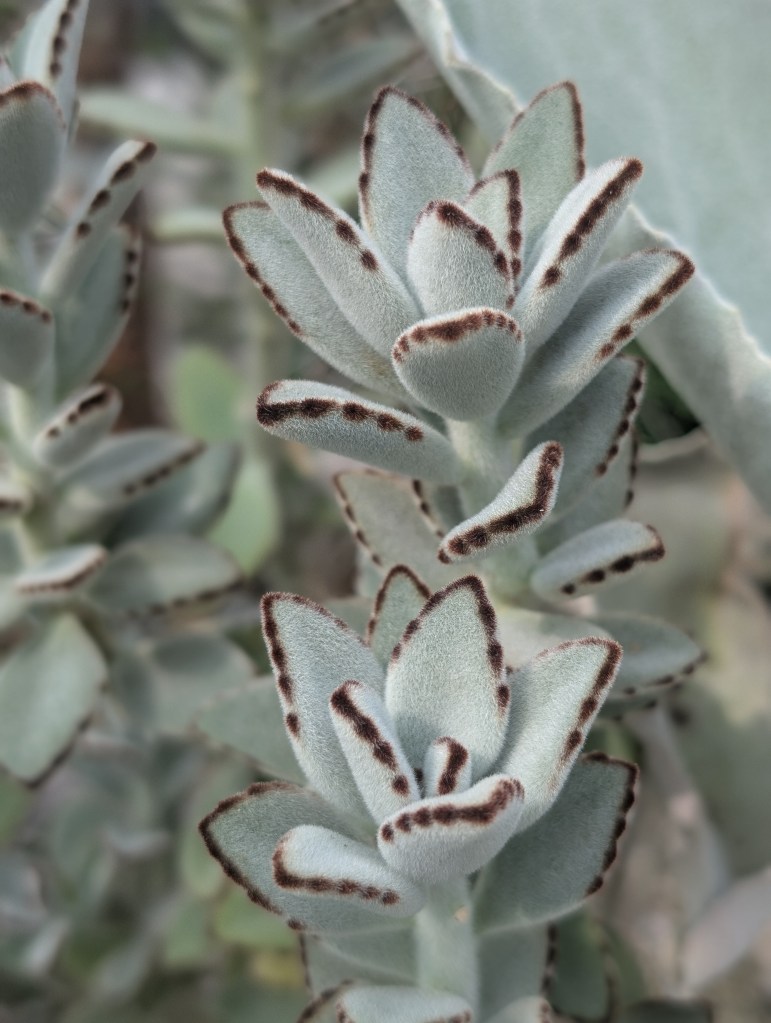
Next, I walked to the Zurich Succulent Plant Collection. I put this in my itinerary because it was supposed to rain all day, but I didn’t expect much from this. Even though the rain stayed away most of the day, I still decided to stop by since I was in the area. I was impressed by the extent of the collection. As one of the largest collections of succulent plants in the world, this living museum features more than 4,400 different species, organized by continent within its seven greenhouses. Informative screens and plaques talk about the individual ones, and for the more unique ones there are even QR codes to learn about them in English.


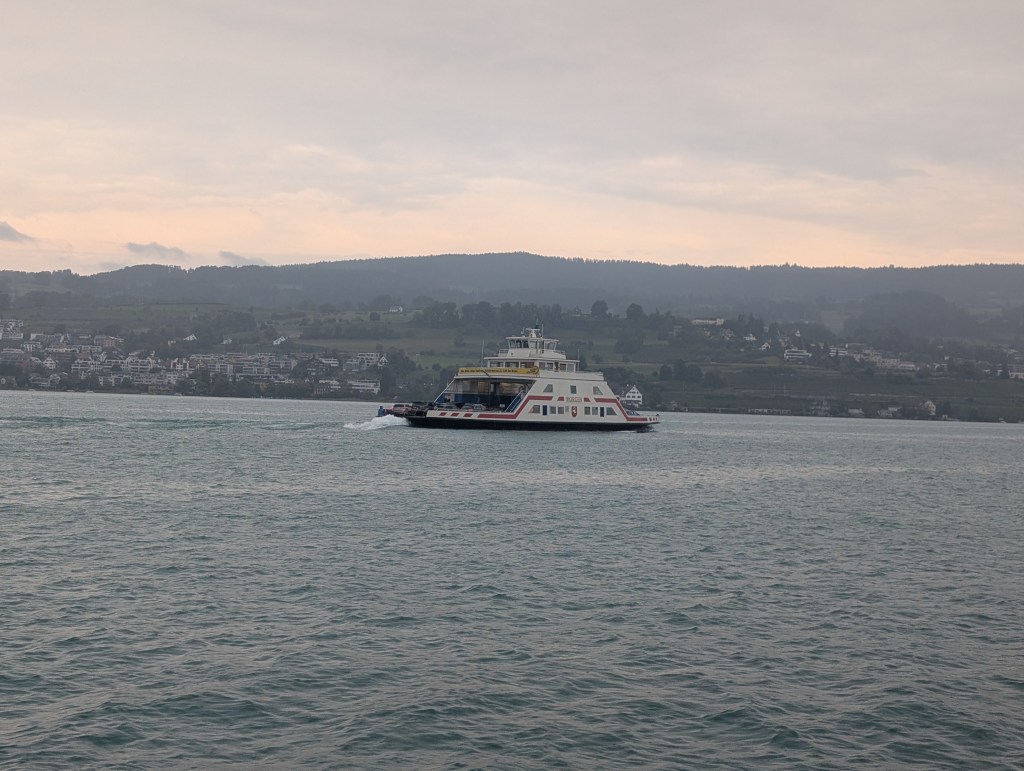
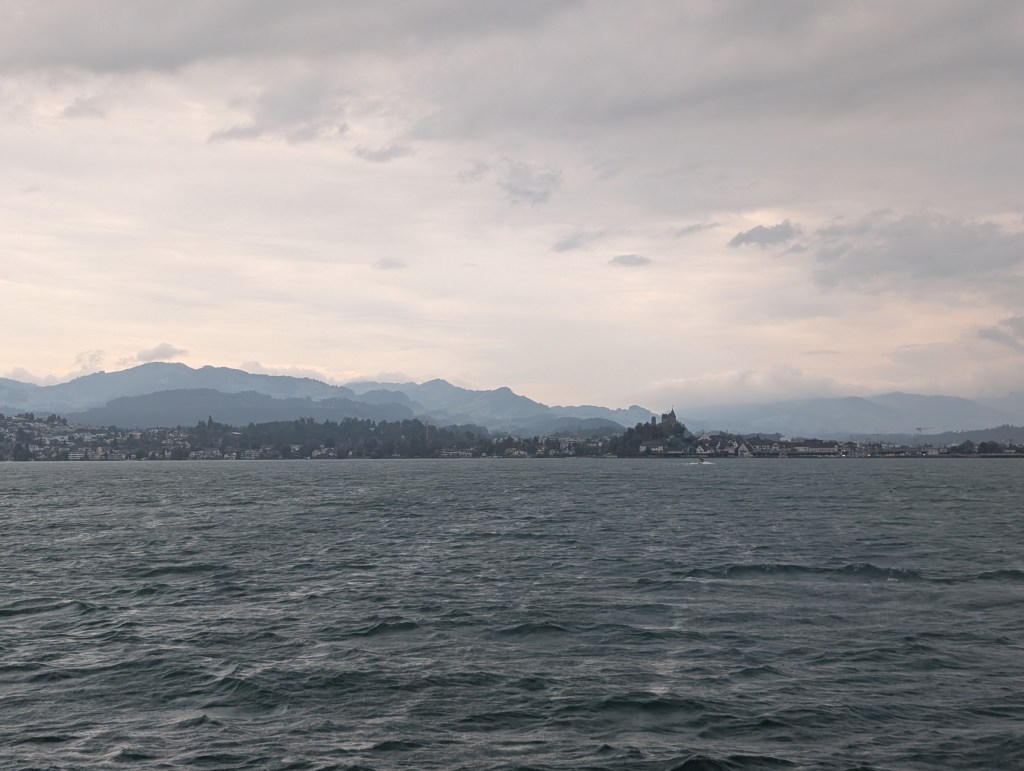
I ended my day with an evening boat ride across Lake Zurich to Rapperswil, where I was staying. The harbor offers a range of ferry options from one hour river cruise to the four hour round trip lake cruise (to Rapperswil and back). After a long day of exploring the city, I enjoyed ordering a dinner and drink on board and taking in the shore line of the lake.
 Mac On the Map
Leave a comment