
One of the sights that makes the Big Island of Hawaii different from the rest of the Hawaiian islands is Hawai’i Volcanoes National Park. Established in 1916, the park encompasses over 350,000 acres extending from the sea to 13,680 feet. It is home to two of the world’s most active volcanoes – Kīlauea and Mauna Loa – and Madame Pele: Pelehonuamea, the Hawaiian volcano deity and creator of volcanic landscapes.
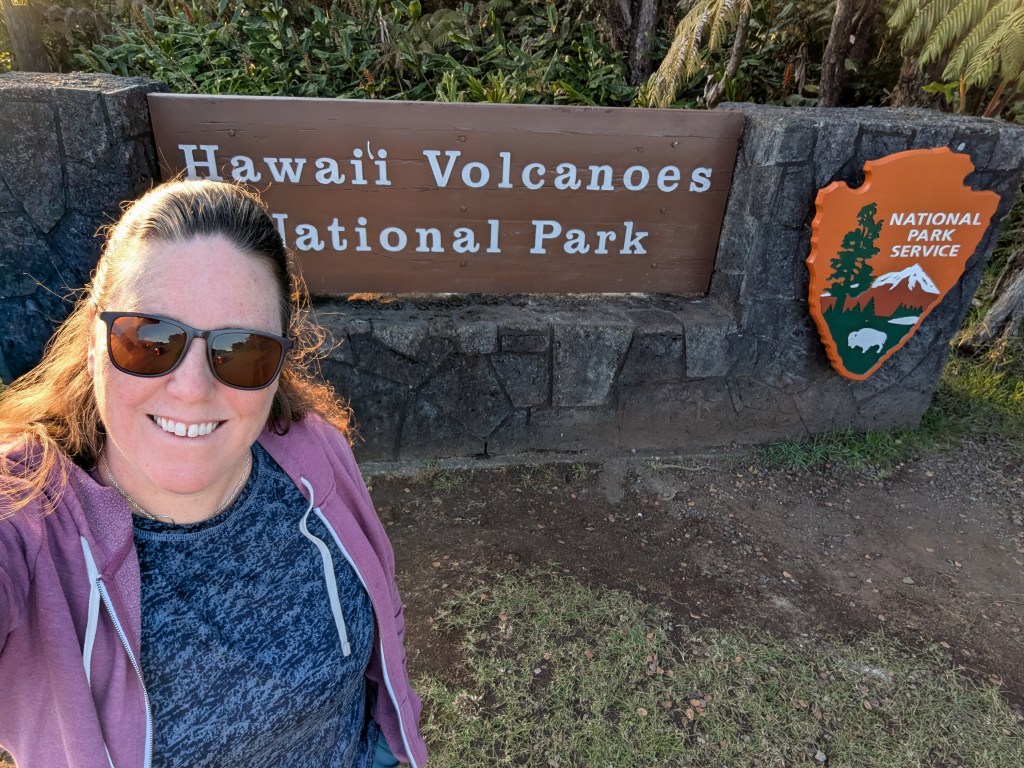
While I had no expectations to see an active eruption when I was planning my trip, when I heard that Kīlauea erupted about two weeks before my visit and that it tends to erupt every 14 to 20 days, I started to get excited. I arrived on the Big Island four days before my stay in Volcano, and so I started closely watching the eruption news hoping that it would wait till I was in the vicinity and hoping that it would happen before I left the island.
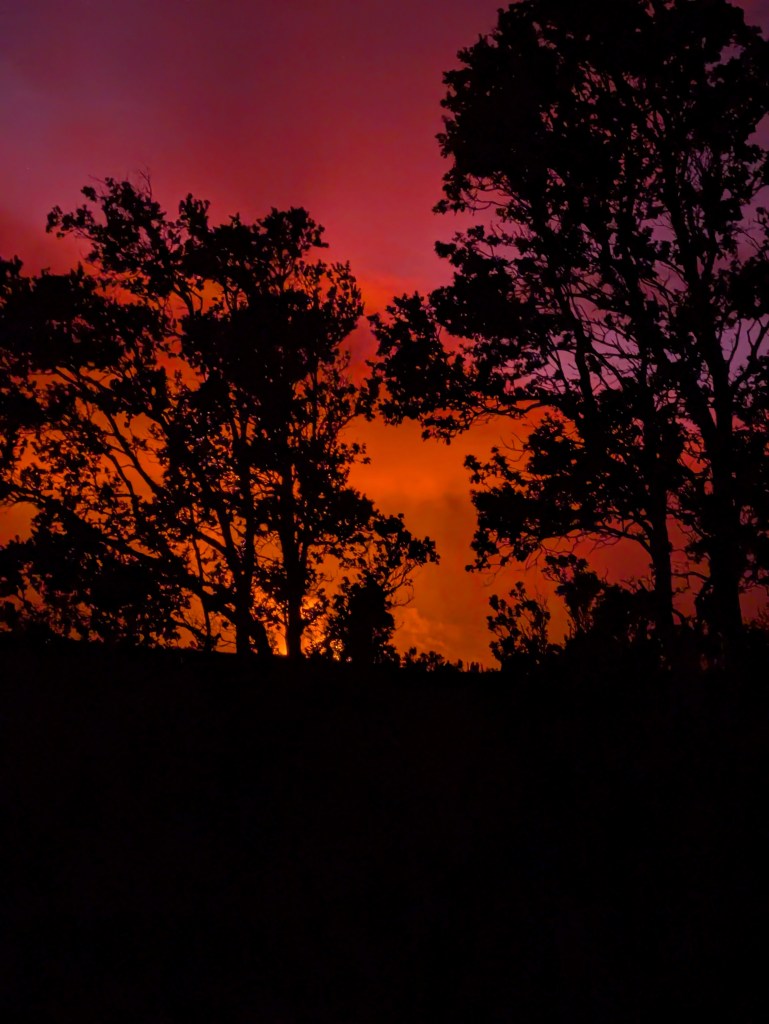
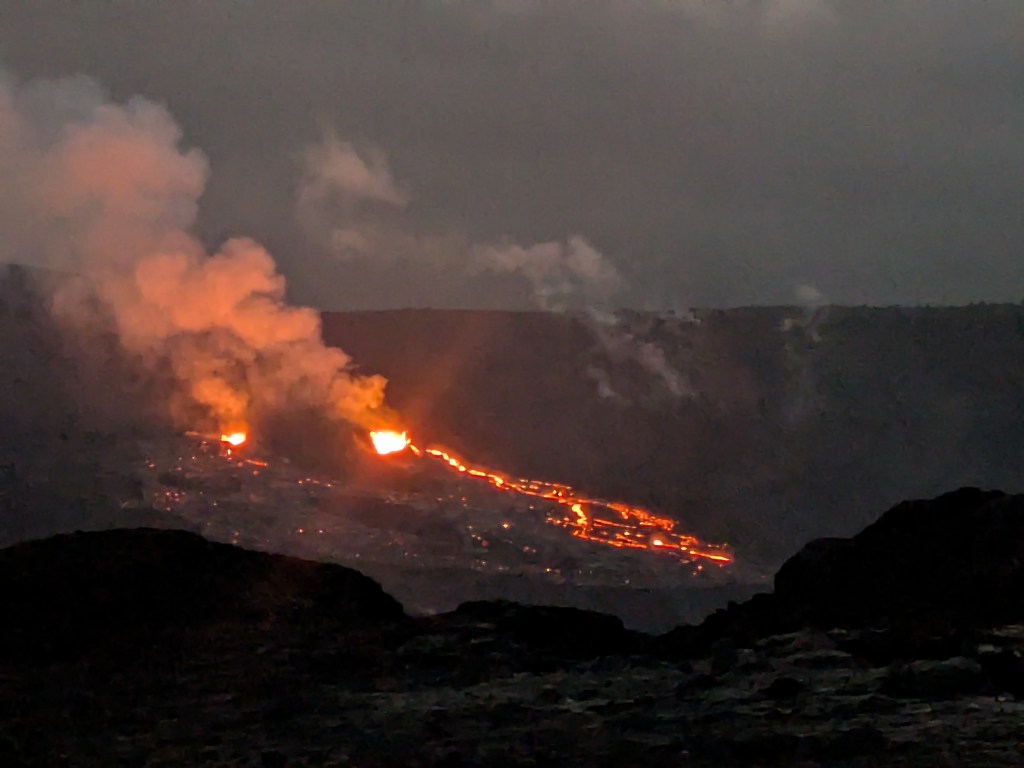
However, I also knew that at night, you don’t need an active eruption to see lava, so after quickly checking into my lodging about 5 miles away, I headed right to the park. I parked near the Devastation trail parking lot and followed the people to the 1.2 miles to the Keanakako’i Overlook. The walk to the overlook is along the old Chain of Craters road that was destroyed by the 2018 eruption. You can actually see the road leading directly to the Halemaʻumaʻu crater. From here the bubbling lava was visible from the caldera and it was mesmerizing to watch it flow and change color as it cooled. The park ranger said that he expected the volcano to fully erupt in the next 24 hrs, so from then on, I was fully on volcano watch – as was everyone else. Local restaurants have the live feed and everyone was talking about it.
While it didn’t happen in the next 24 hours, it did happen during my stay, and I felt so lucky to only be minutes from the park to rush back over to the same overlook for the main event.
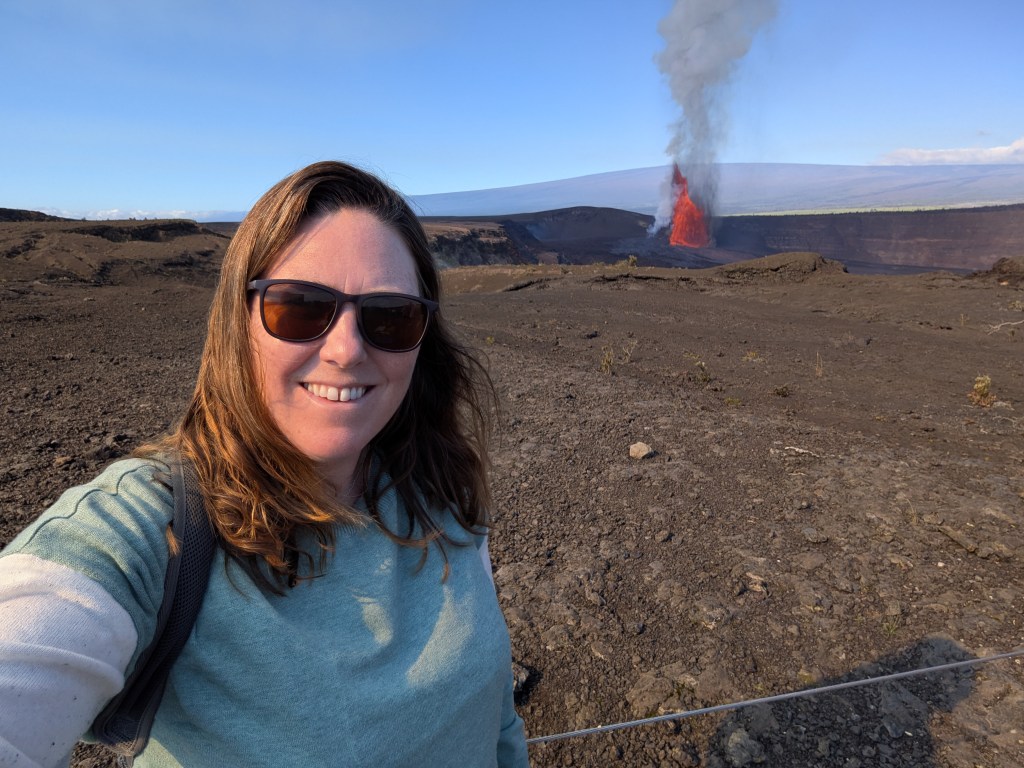
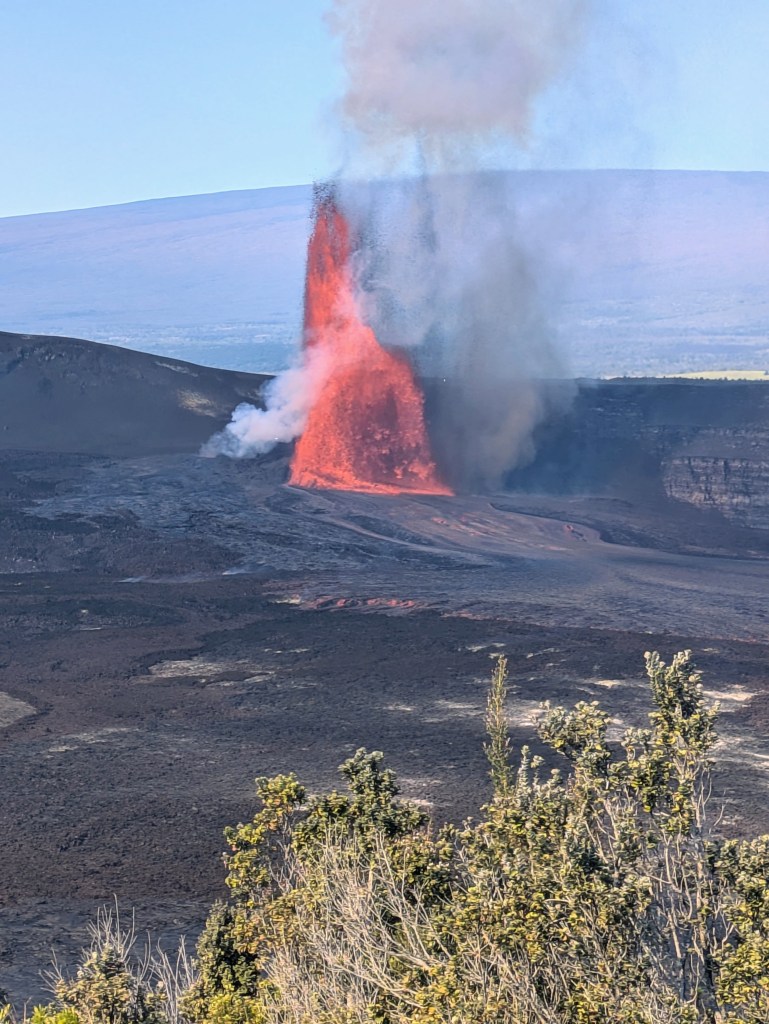
For those who don’t want to walk, the eruption is visible from several other viewpoints in the park: volcano house hotel and Kilauea Iki overlook were two places I saw it; while further away, the eruption is just as magical from these vantage points. I heard that there were also more options at the other end of Crater Rim Road, but I didn’t check them out to talk about what they look like.
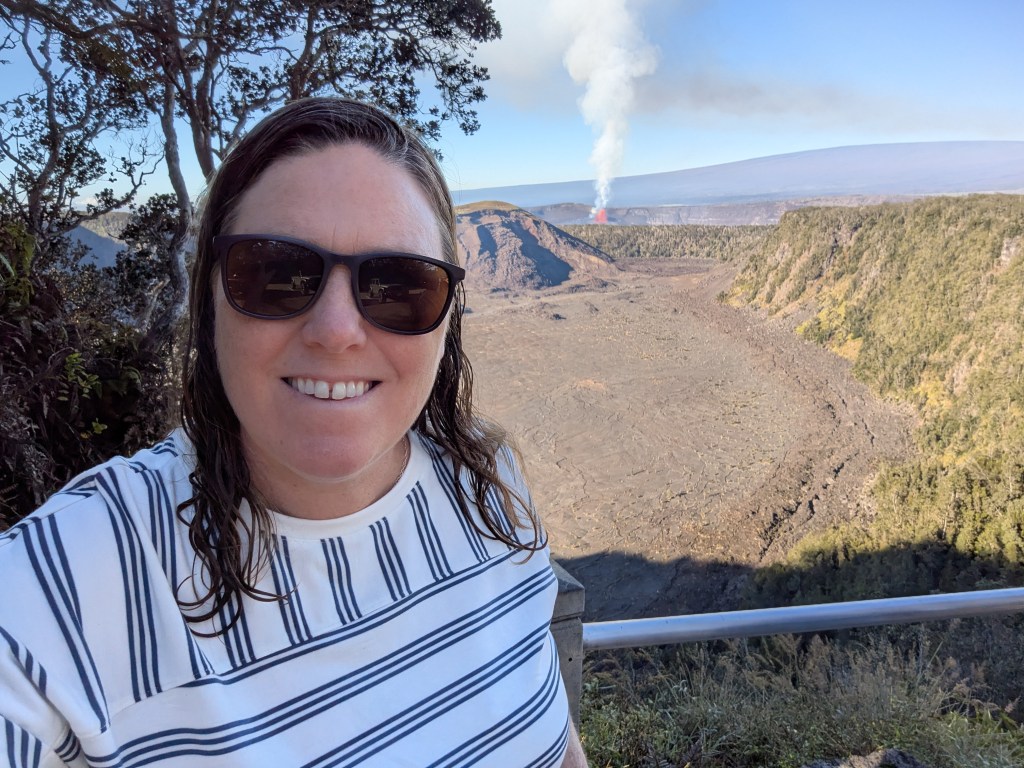
The summit region of Kīlauea is culturally important because it is a wao akua (place of elemental deities) and is considered a very sacred place by many Native Hawaiians. During my time in Hawaii, it was easy to see how important the land and spiritual history is to the Native Hawaiians; please respect both during your visit.
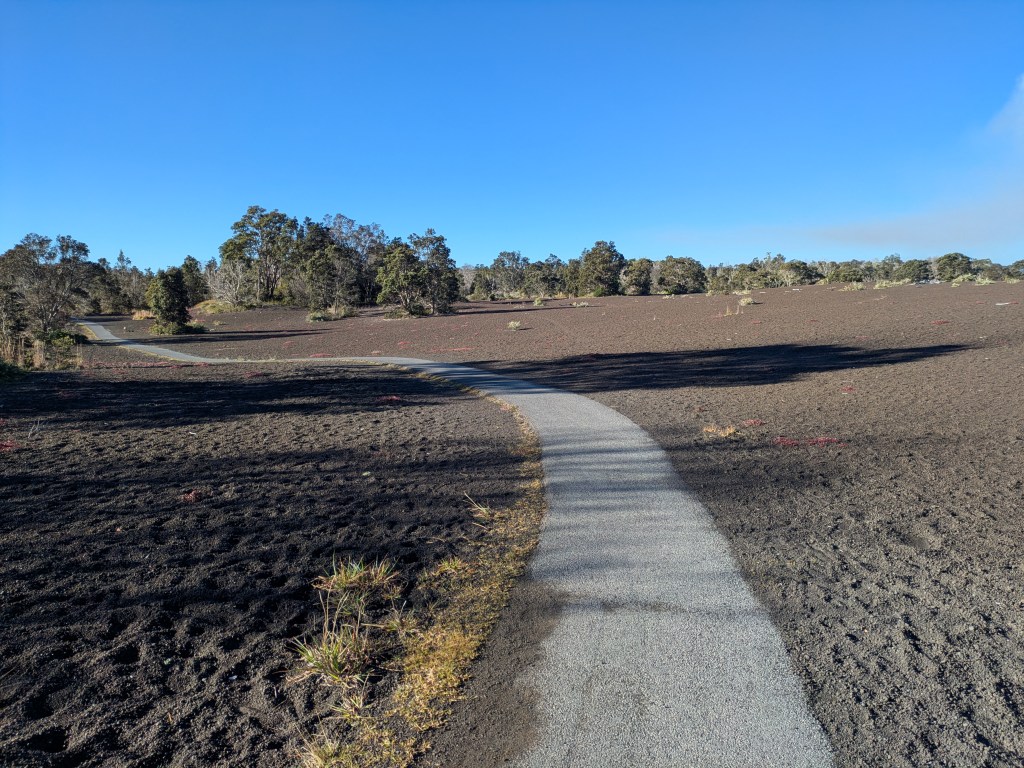
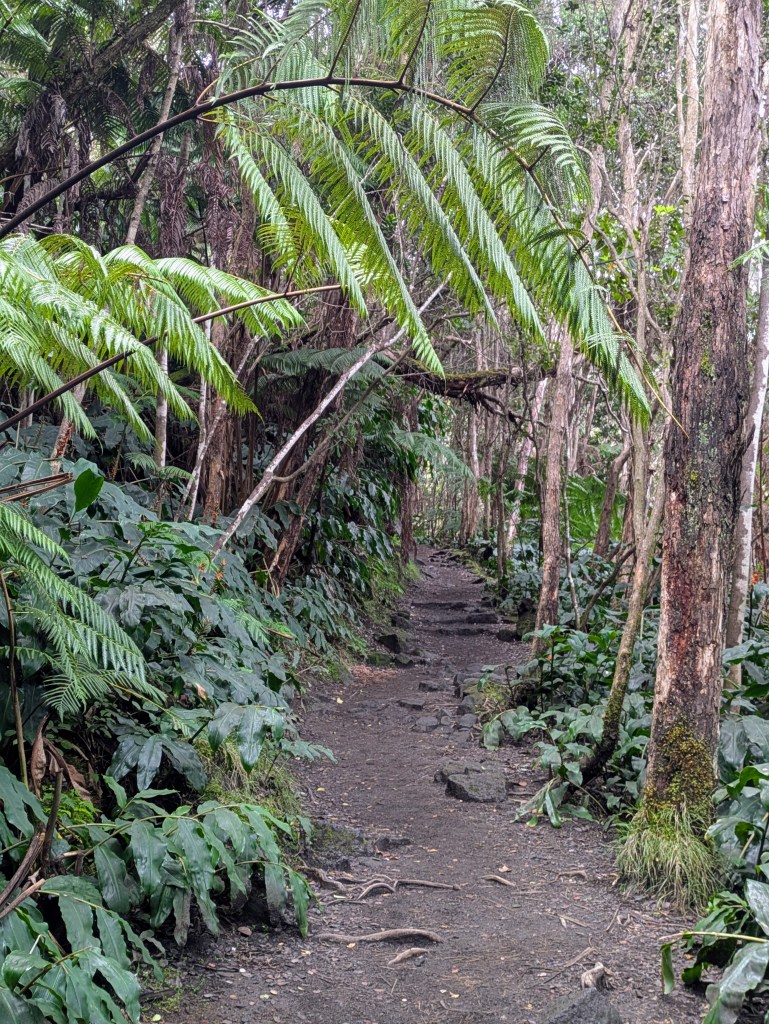
The next morning, I walked the Kilauea Iki Crater Walk. I parked at the Kilauea Iki overlook parking lot and walked the 4 mile loop counterclockwise. This allowed me to walk down the steep stairs and up the shaded switchbacks at the end.
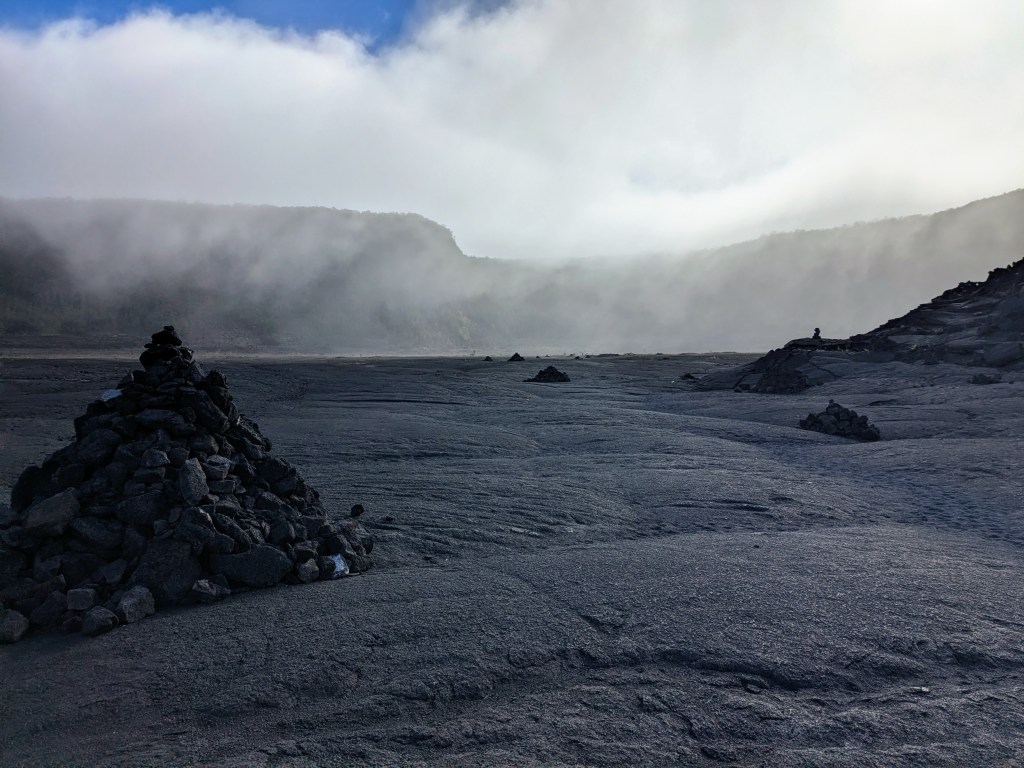
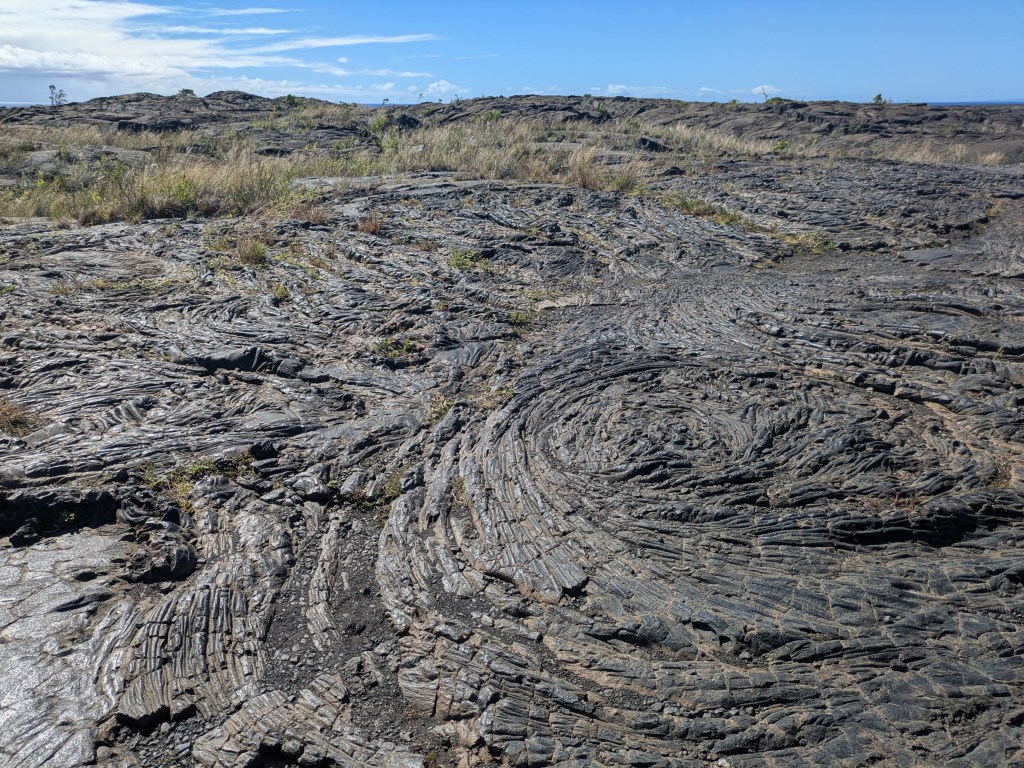
Walking on the lava lake floor was an otherworldly experience. The terrain showcased the two types of lava on the island: ʻaʻā, a jagged and rough rock and pāhoehoe, smooth and ropy. Along the way I kept seeing these fine golden threads glimmering in the sun. I tried to pick them up (which I found out later I shouldn’t have), but they were so delicate they fell apart at first touch. Talking with the park ranger later, I learned they were Pele’s hair – fine glass filaments created from lava being pulled and cooled in the air. The ranger also talked about Pele’s tears – small black glass pellets – but I didn’t notice these (or know to notice them).
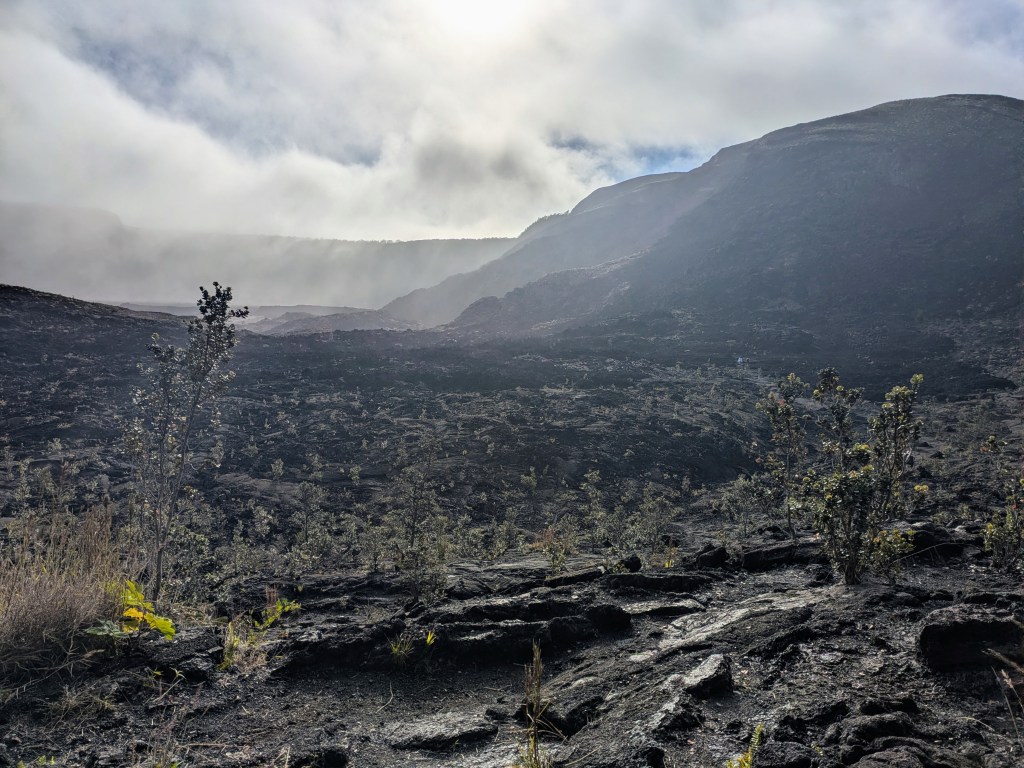
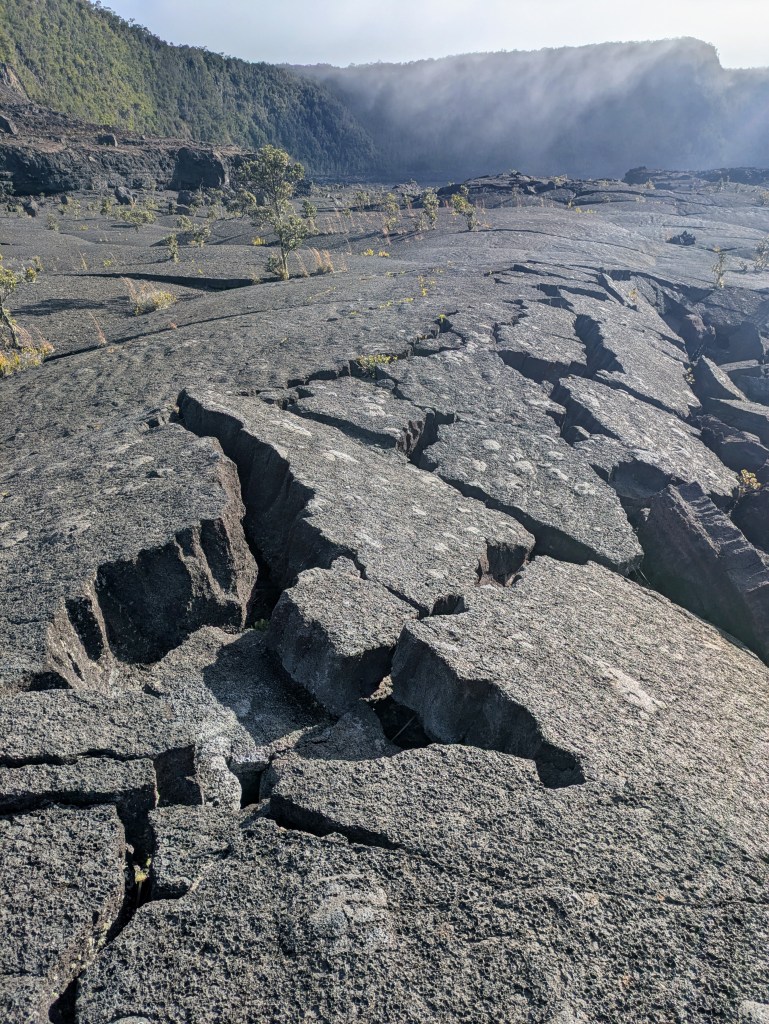
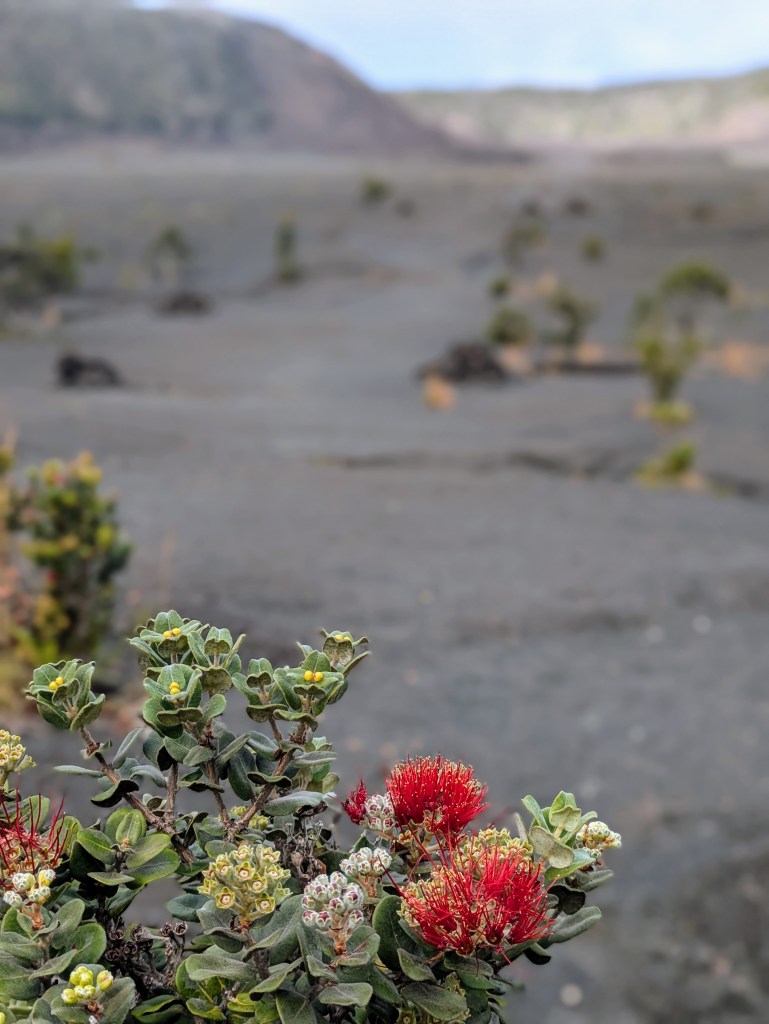
Just like the rest of the Big Island, the weather shifts from place to place; during my walk it was misting on one half of the crater, clear and sunny on the other side. The mist added to the mystical experience of the hike.
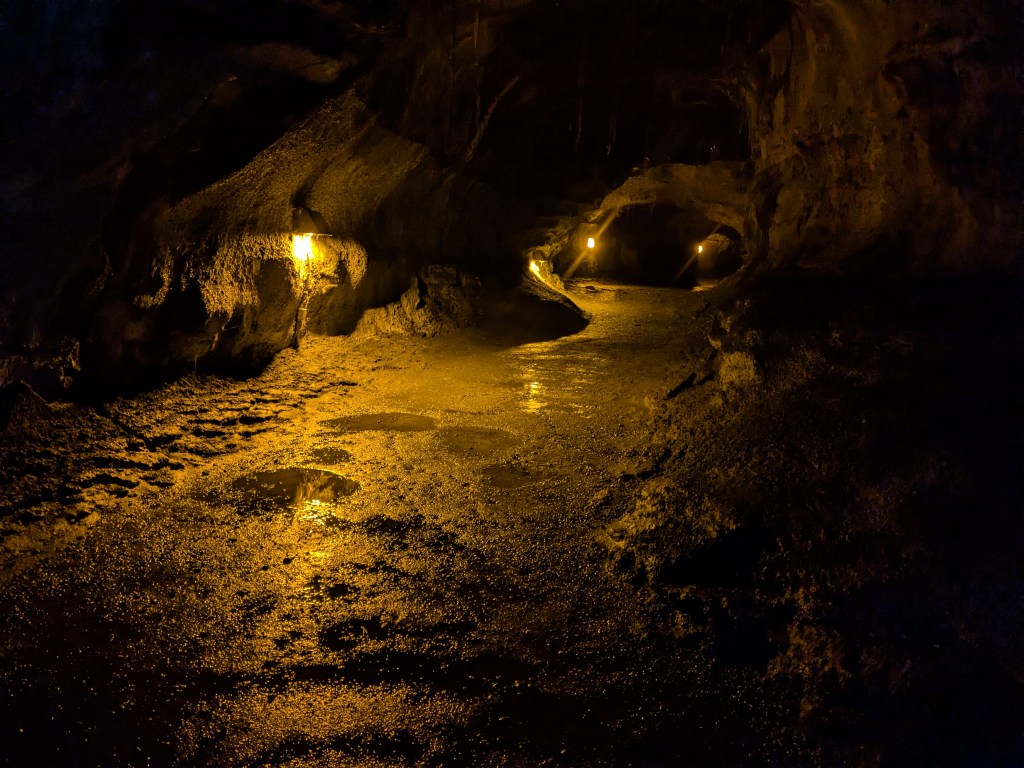
On my first day in the park, I spent the day exploring shorter hikes. I started with the popular Nāhuku Lava Tube. The cave was formed when the molten lava stopped and cooled. While most lava tubes will have lava drippings from the ceiling, they have all been removed from this cave. The cave is lit from 8am to 8pm and is an easy 0.5 mile loop walk from the parking lot.
From there, I drove down the 19 mile Chain of Craters Road to the water. Along the way, I stopped to check out various craters formed by past volcanic activity and view points.
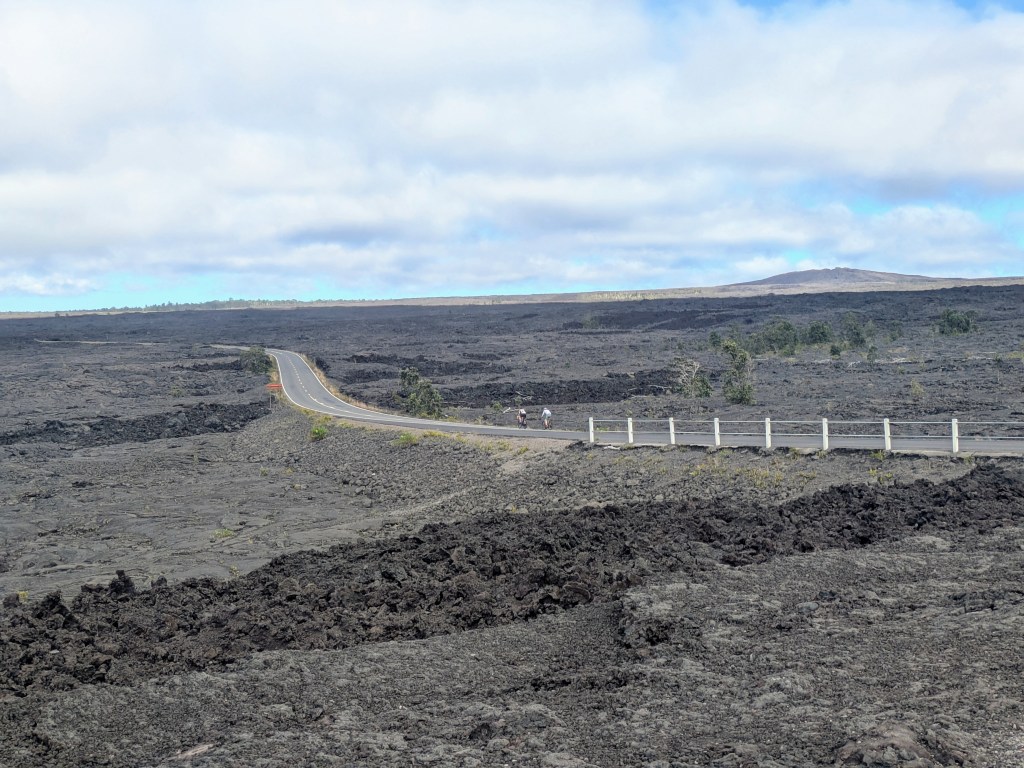
I added the 2.5 out and back hike to the Pu’u Huluhulu Cinder cone. Here I walked across lava from the 1969-74 Maunaulu flow, into the forested cinder cone to an overlook. I could see the steam from the Kilauea volcano in the distance.
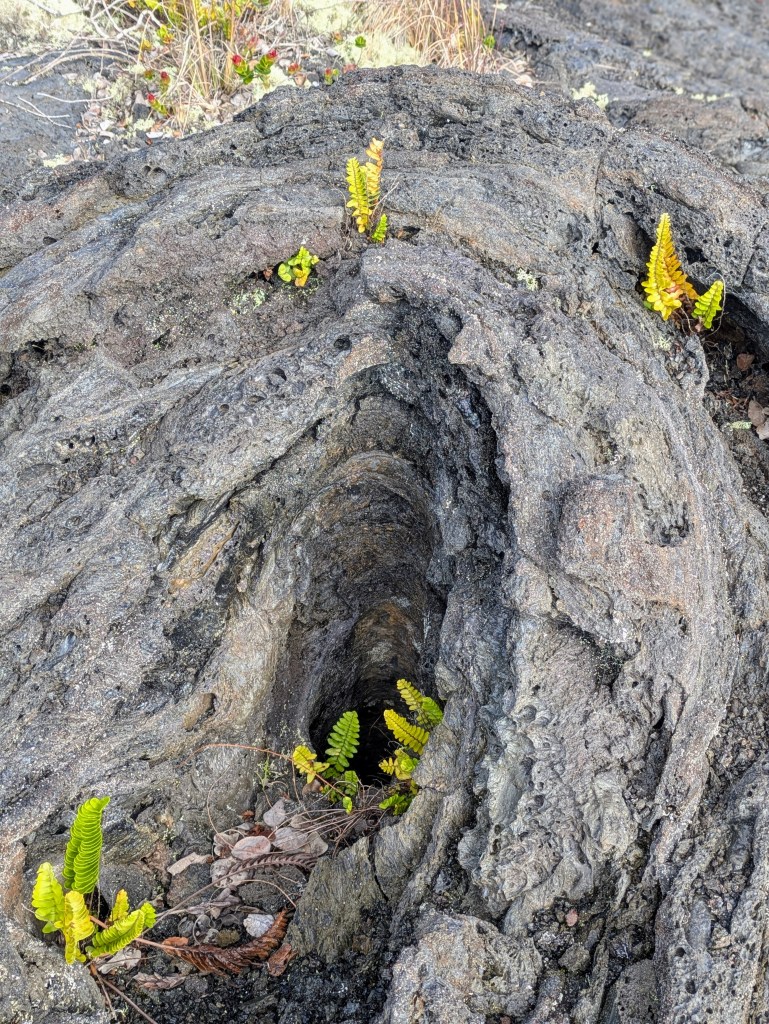
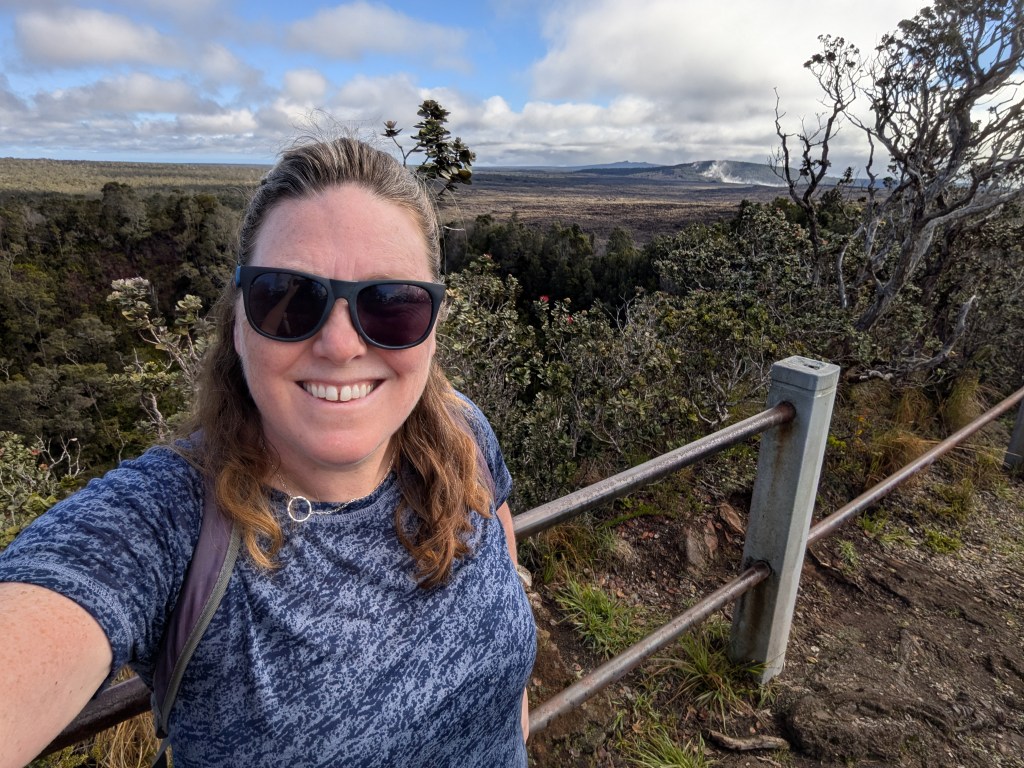
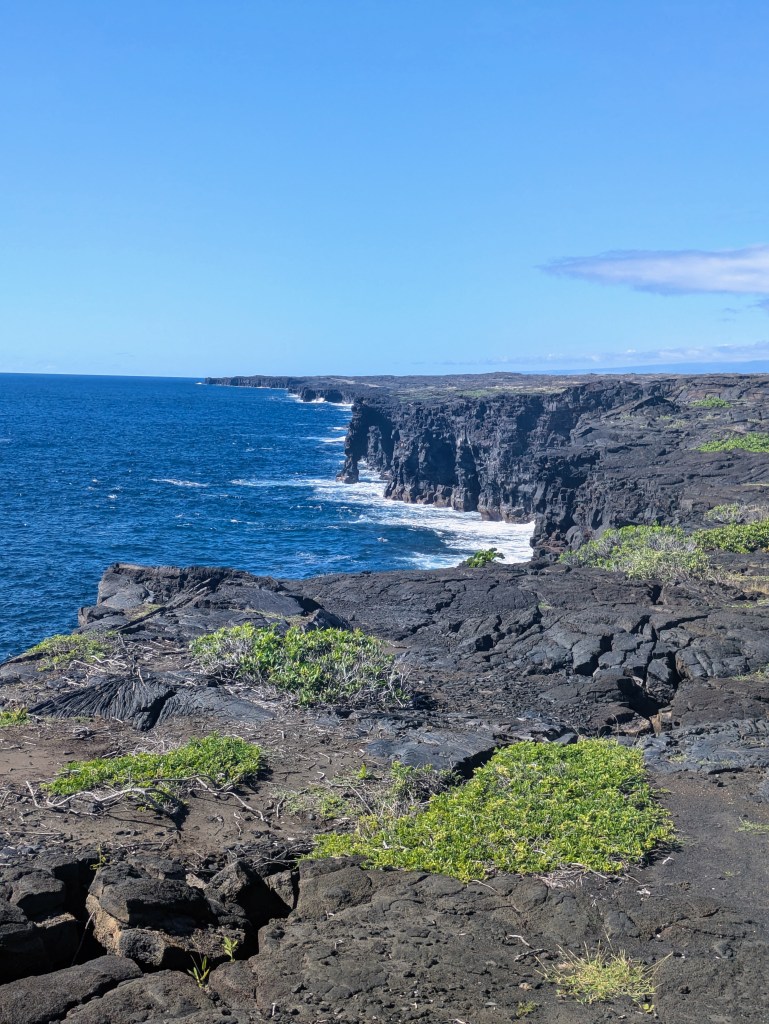
At the end of the road is the Holei Sea Arch. A 0.3 mile walk down a closed road brought me to a small overlook where I could watch the waves smash against the lava cliffs. The 90 foot arch was formed by these powerful waves, and they will also be the destruction of in the future.
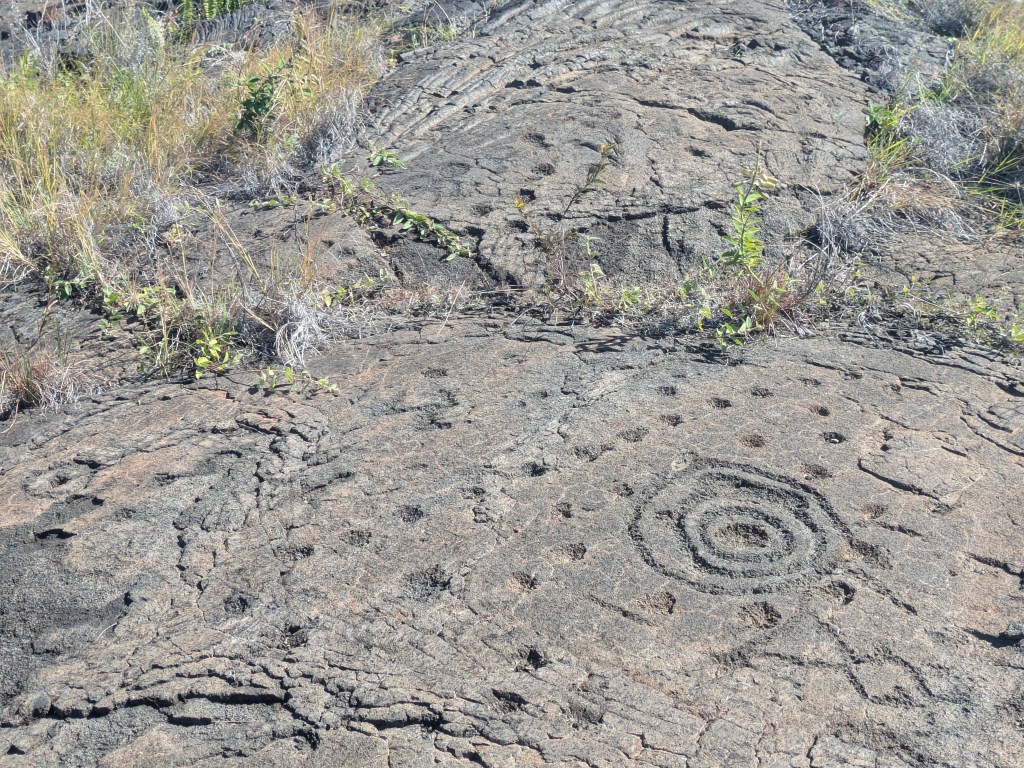
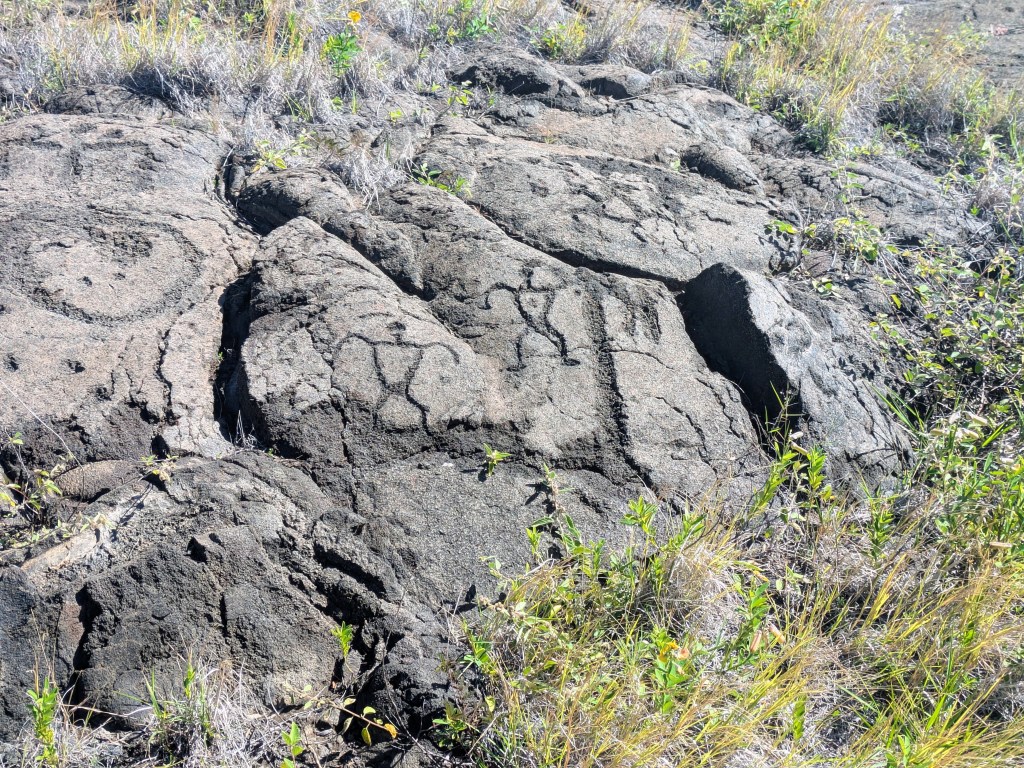
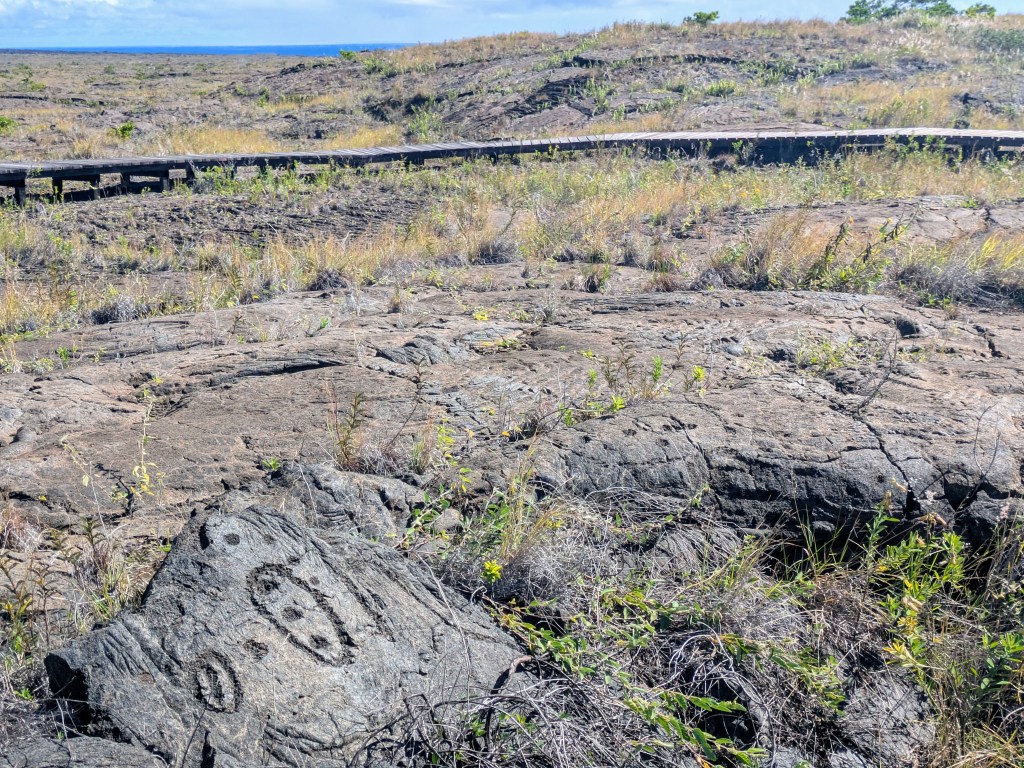
On the way back, I stopped to walk the 1.4 mile round trip trail to the Pu’uloa Petroglyphs. Translated to “hill of long life”, Pu’uloa was a sacred place for ancient Kalapana Hawaiians to visit and peck holes into the hardened lava to bring longevity to their family. Each family had a different pattern in their cupules digging, so the area is covered with these designs – in total there are over 23,000 motifs.
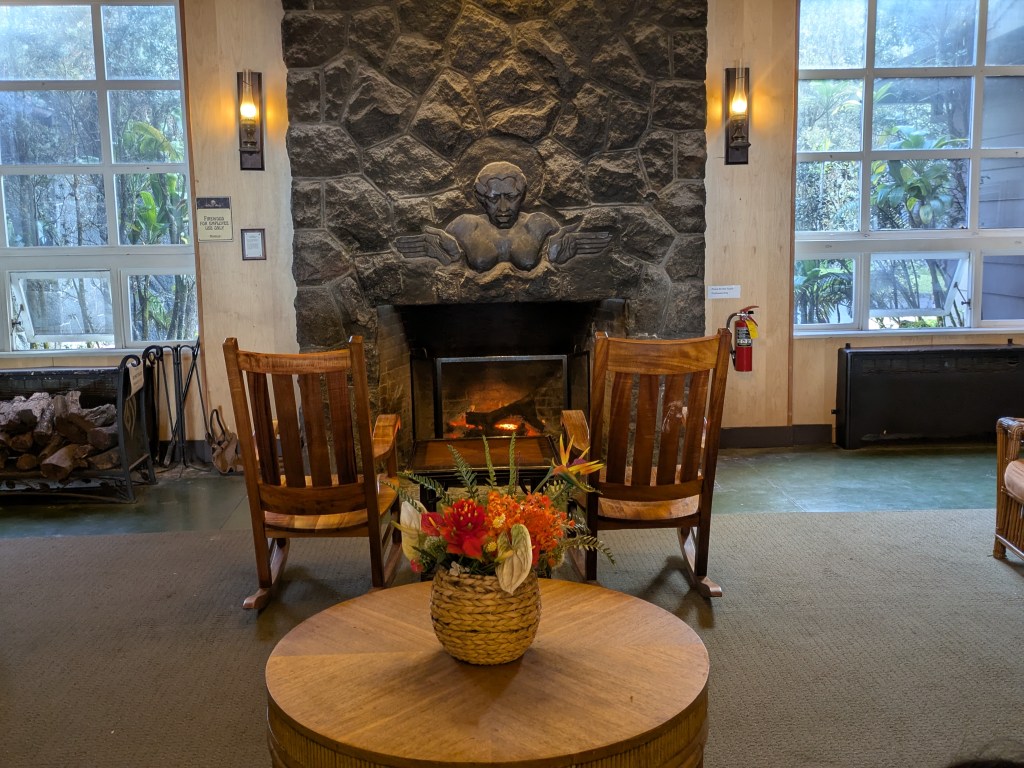
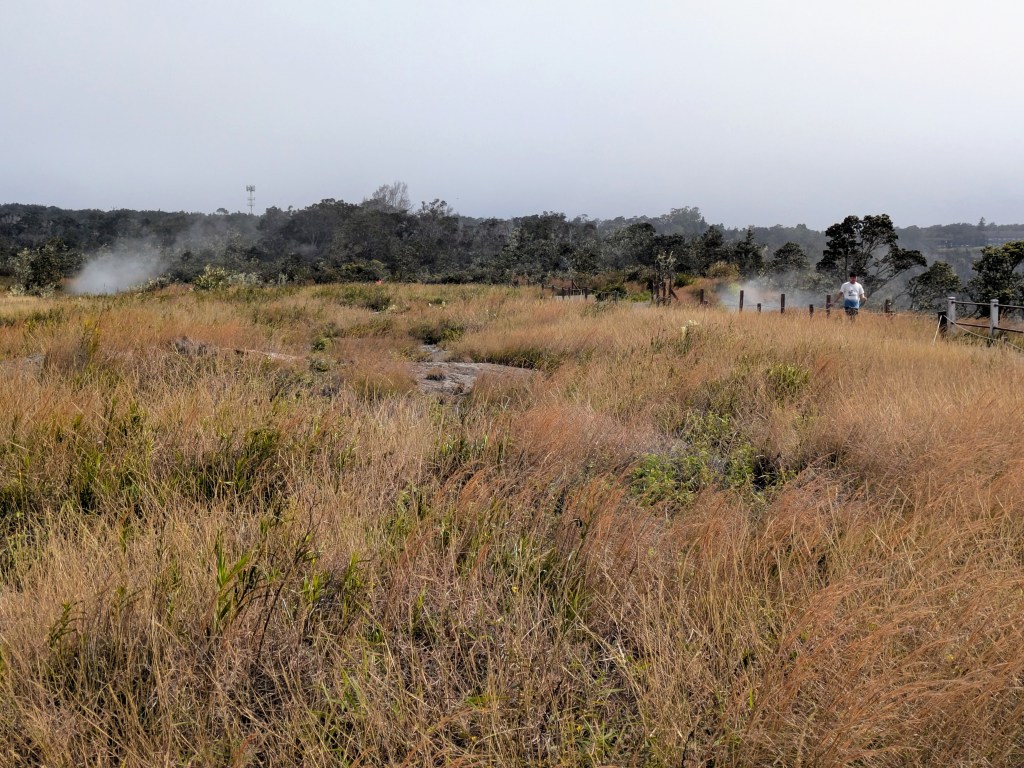
Because I started before 9am every morning, I didn’t get to stop at the Welcome Center till the last day. Currently housed in the Kilauea Military Camp, the Welcome Center offers talks every day and park rangers on site to answer questions or talk you through itinerary ideas for the day. The Military Camp also has two eateries and a general store, so it’s a good place to stop for a snack as well. The other eating option in the park is the Volcano House. Besides a cafe and restaurant, they also have two gift shops and a great view of the Halemaʻumaʻu crater. They are also a short walk away from the Steam Vents area, which showcases the process of rainwater encountering underground hot rocks and making its way through cracks.
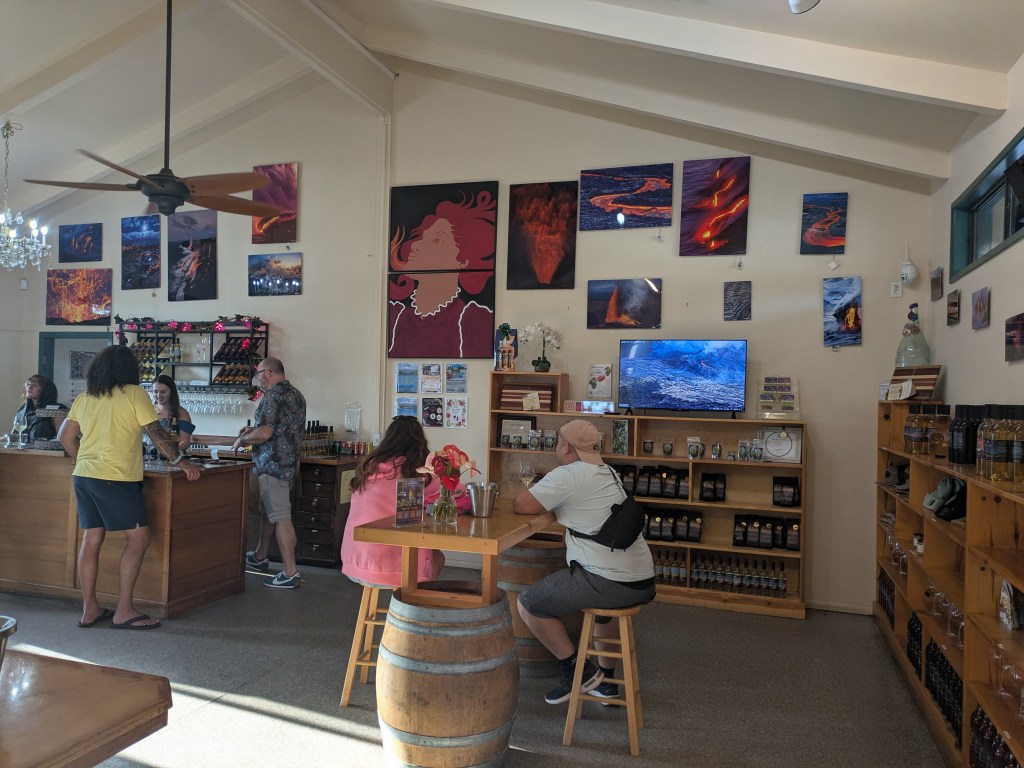
Nearby in the small town of Volcano is the Volcano Winery. Open since 1993, the winery offers several wine varities – mostly sweet – made from local ingredients like yellow guava and jaboticaba. One Sunday a month, they also host a local craft market with food trucks on site as well.
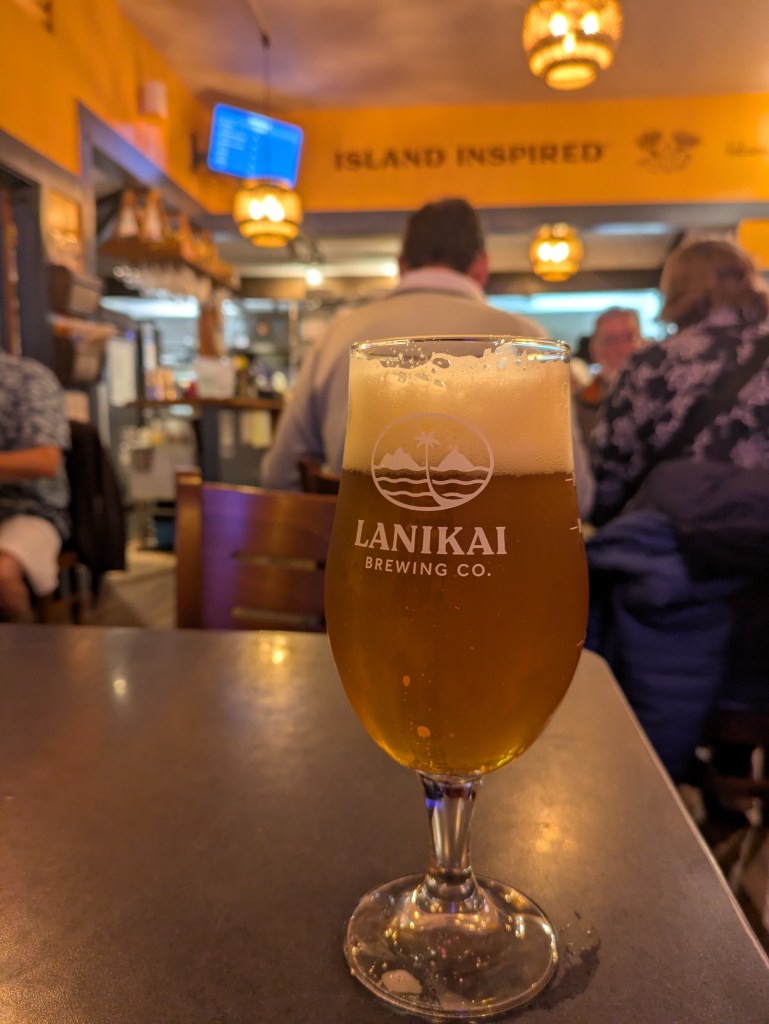
Lanikai Brewing Company, founded in Kailua in 2014, also has a location in Volcano. During my visit they only had five beer options available, but it sounds like they usually have a bigger selection. Outside of their beers, I had one of my favorite pizzas of all time (bee’s knees) here.
 Mac On the Map
Leave a comment