
My first day in Hawai’i was the perfect blend of adventure, exploration, history, culture, and food
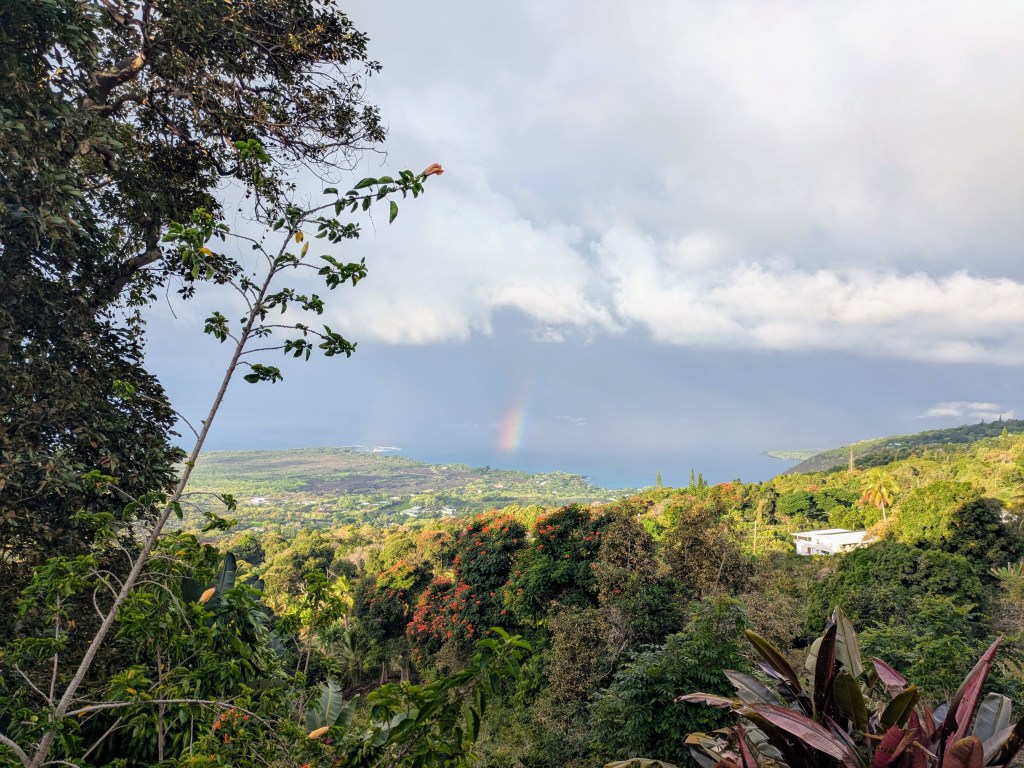
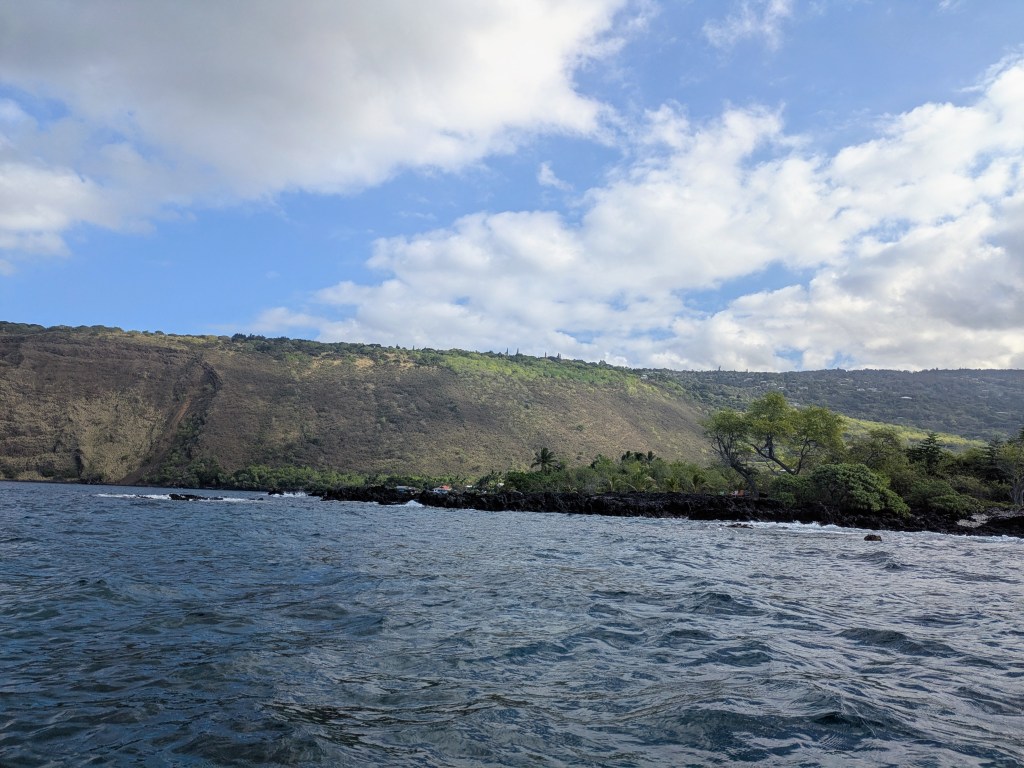
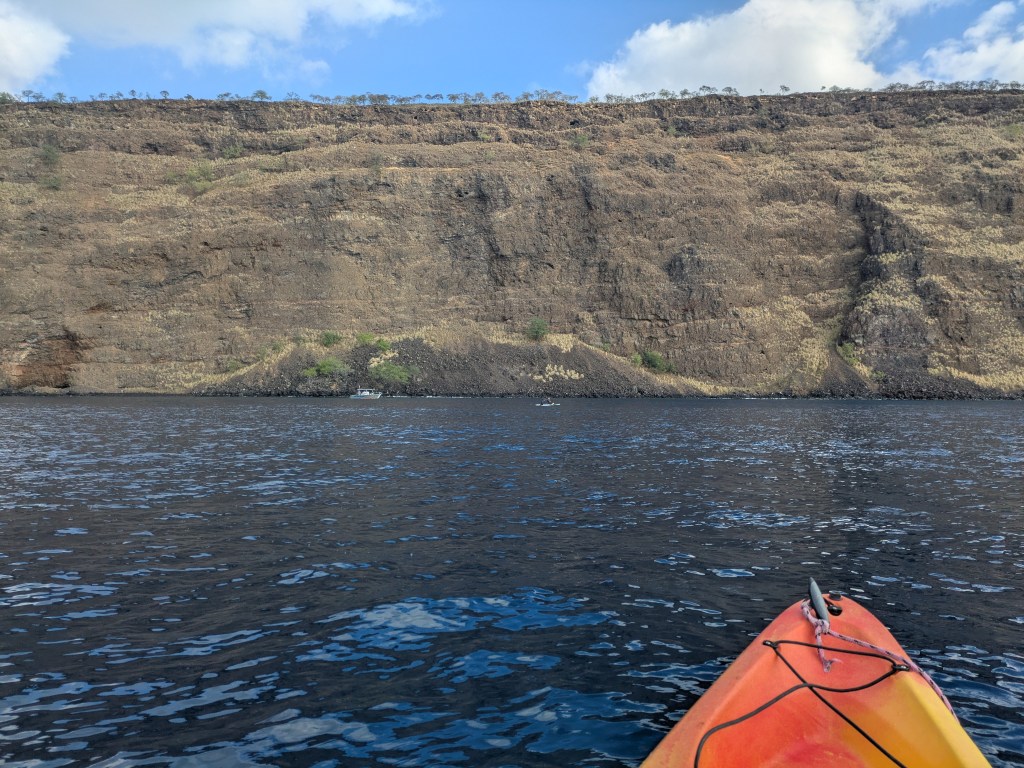
I started with a drive down the windy narrow road to the coastline where I could rent both kayaks and snorkeling gear from Ehu and Kai Adventures I didn’t realize that the rentals were for the whole day, so if I was to do this again, I would bring food and provisions to spend more time in the area. Still, not having a deadline allowed me to enjoy my time on the water at my own pace. I kayaked about a mile across the Kealakekua Bay to the Captain Cook Monument. The white obelisk monument marks the spot where Captain James Cook was killed in 1779. While some people landed on the shoreline, most kayak companies don’t have a license to do so, so I strapped the kayak to my leg to keep it from drifting away as I snorkeled around the area.
Just as I was about to get into the water, I saw this large mass surface near me, and low and behold it was a humpback whale (Kohola). I watched in awe as it breached the water a few more times and hoped that it would allow me to stay in my kayak. After a local boat captain told me it had cleared out of the area, I finally felt comfortable leaving my kayak for the clear water.
I’ve snorkeled before, but I’ve never seen so many vibrant colors and interesting shaped fish during my snorkels. The Kealakekua Bay Marine Life Conservation District boasts hundreds of fish and aquatic species. I now understand why people travel to the Big Island to snorkel; I even met a Hawai’ian couple from Oahu that traveled to the Big Island just for this. Floating at the surface and watching the fish dart around the coral reef was a magical experience.
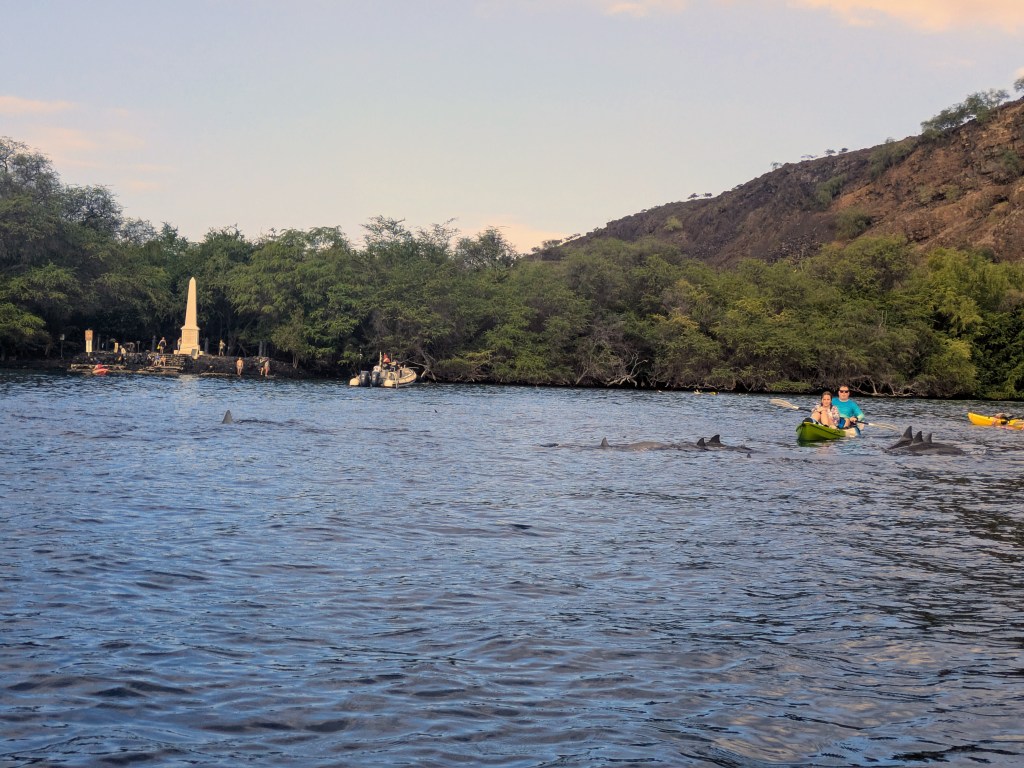
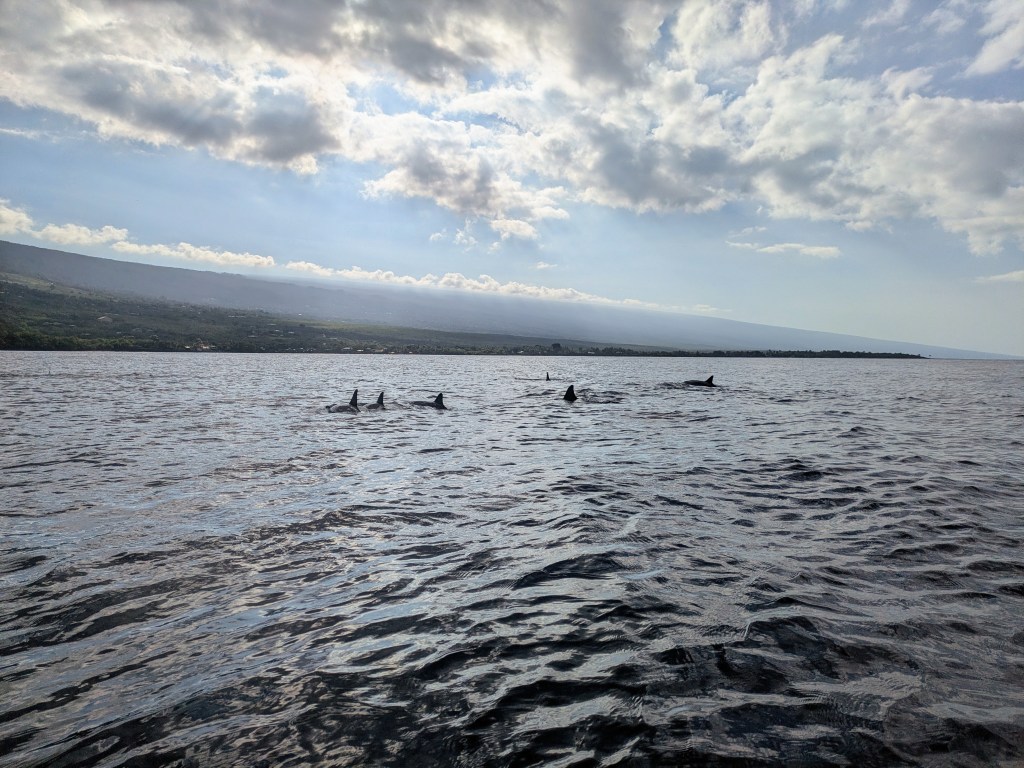
Soon after I got back into my kayak, I saw a pod of spinner dolphins (Nai’a) circling around the area: dolphins, whales, and snorkeling – can’t get much better than that.
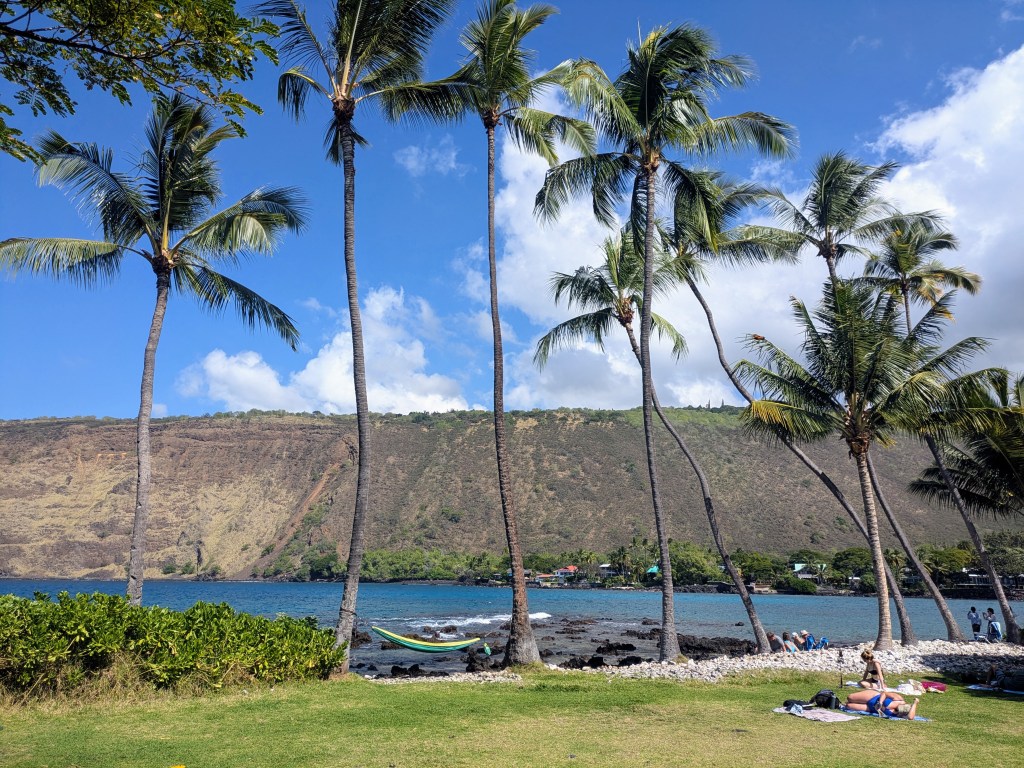
As I was kayaking my way back to the launch site, I saw this small beach and decided that I wanted to spend some time there. I returned my kayak but kept my snorkel gear to check out what this bay had to offer for fish sighting. Manini (Kapahukapu) Beach offers a large grass area with shady picnic spots, a small walk out to the point, and swimming options. While the fish weren’t as colorful or plentiful here as my first snorkeling spot, it was still fun to swim with the fishes.
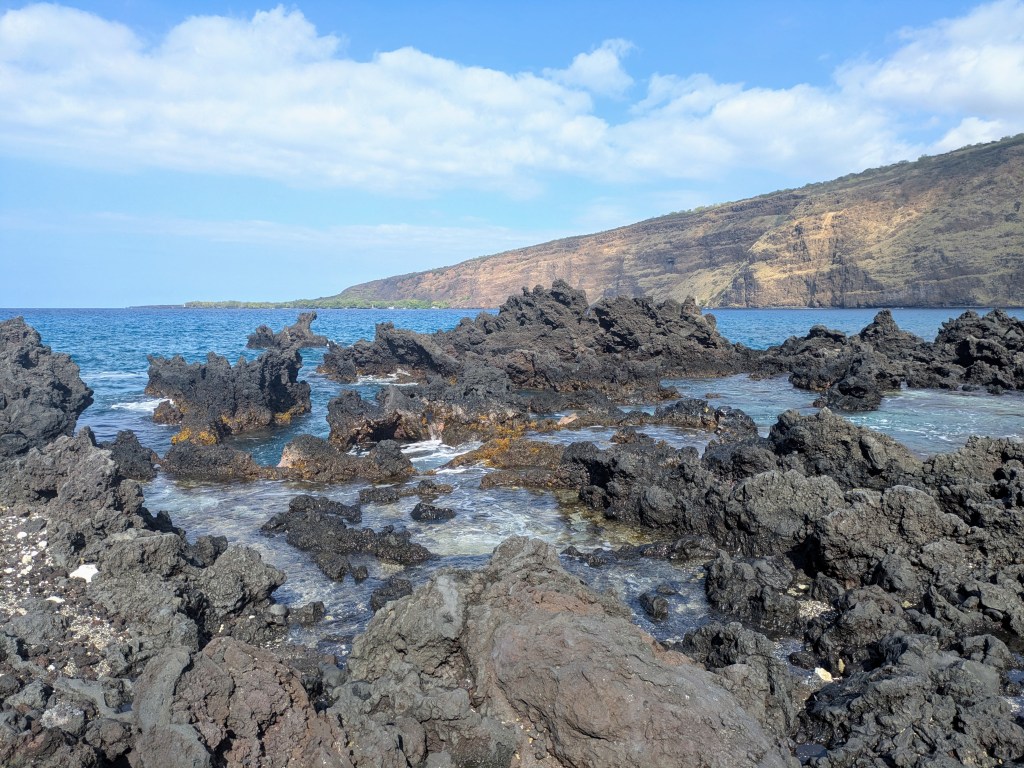
I finally had to head out when I started to get hungry. But before I made my way back up the mountain to the main roads, I wanted to stop at the Pu’uhonua o Honaunau National Historical Park. Designated a historical place of importance in 1961, Pu’uhonua o Honaunau is a place of refuge. Under the strict kapu system of the past, if people broke the law, the punishment was death. If they wanted to survive, they could find their way to a place of refuge before being caught. Here the mana (spiritual power) would offer the person peace and forgiveness.
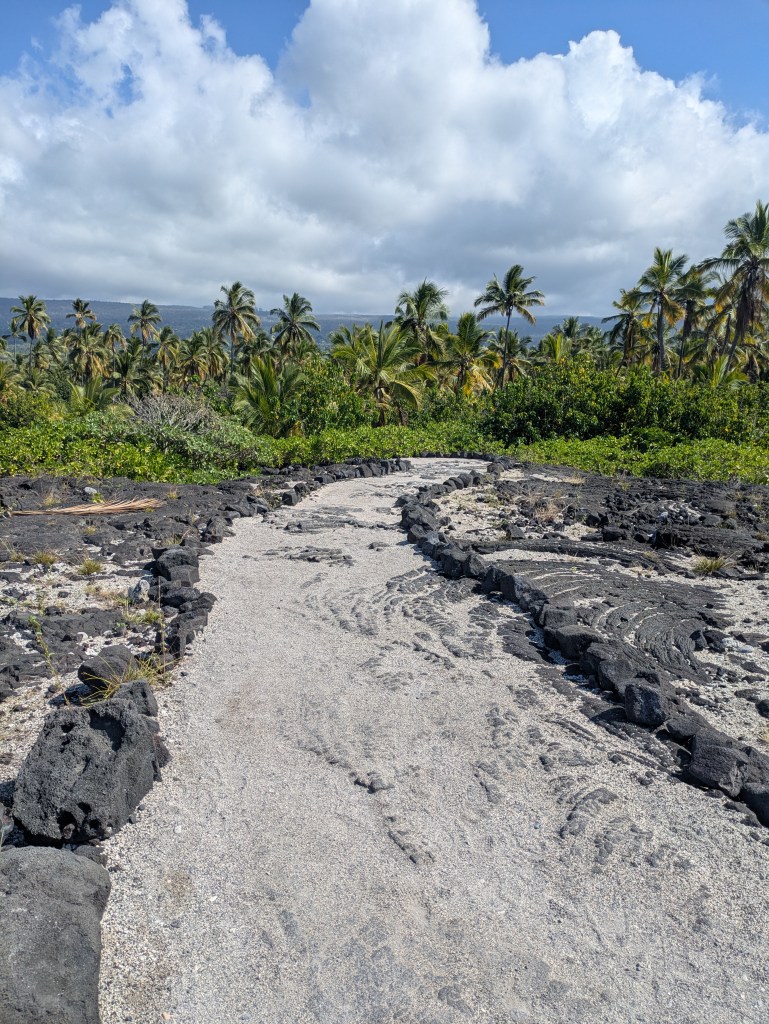
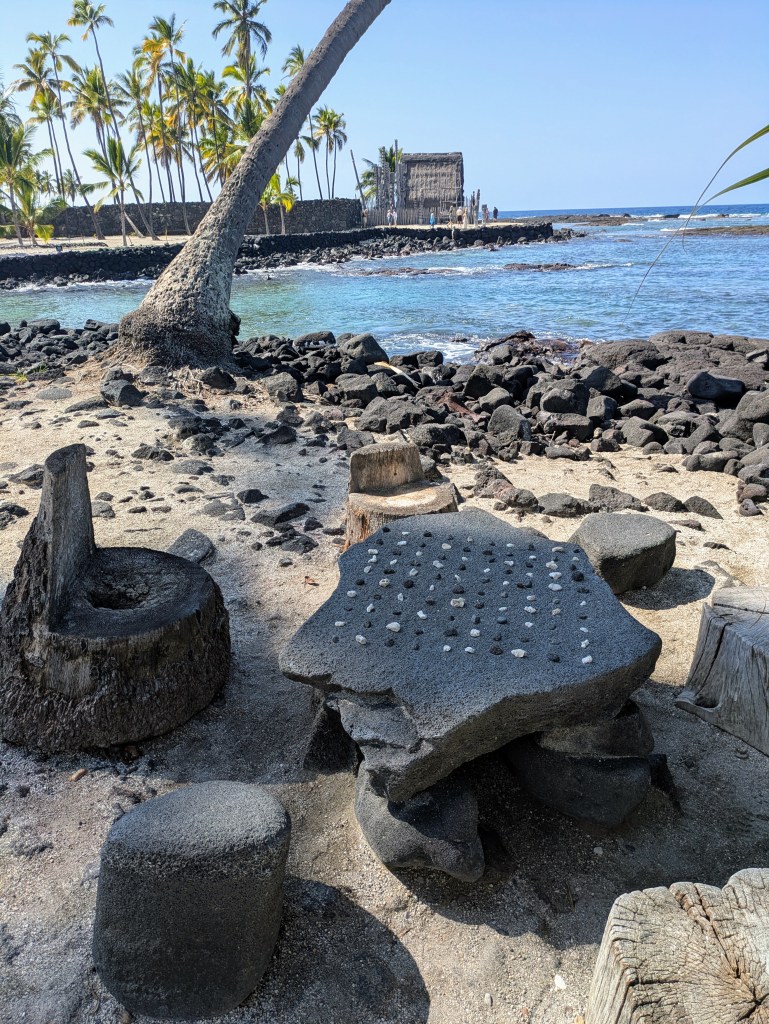
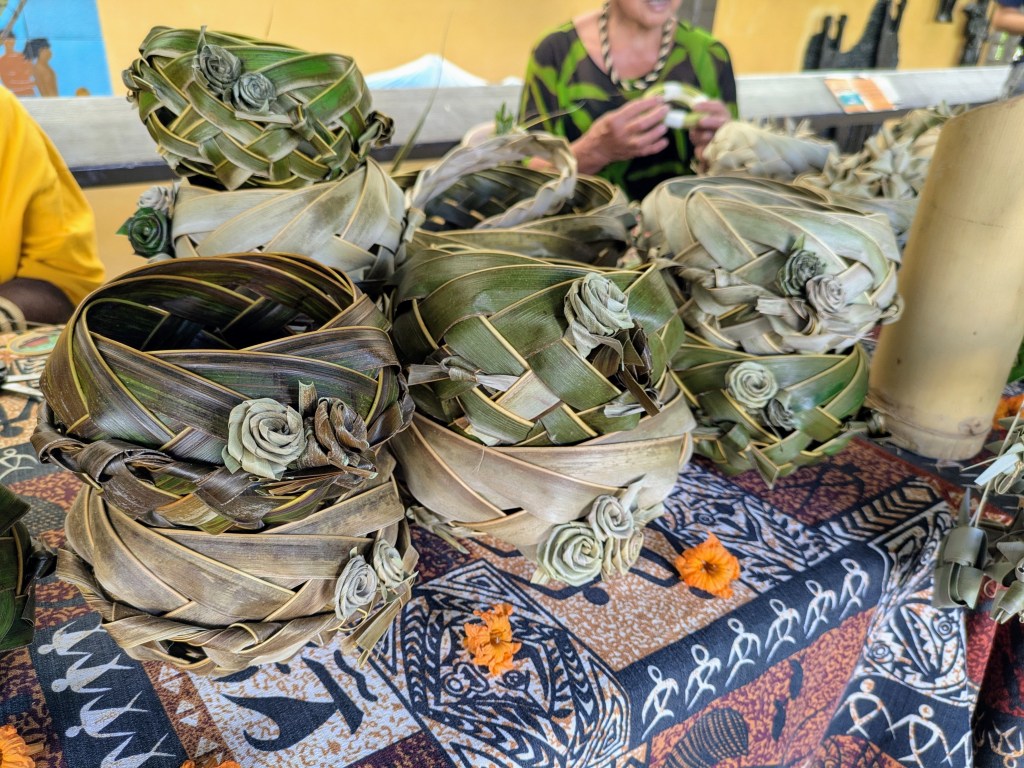
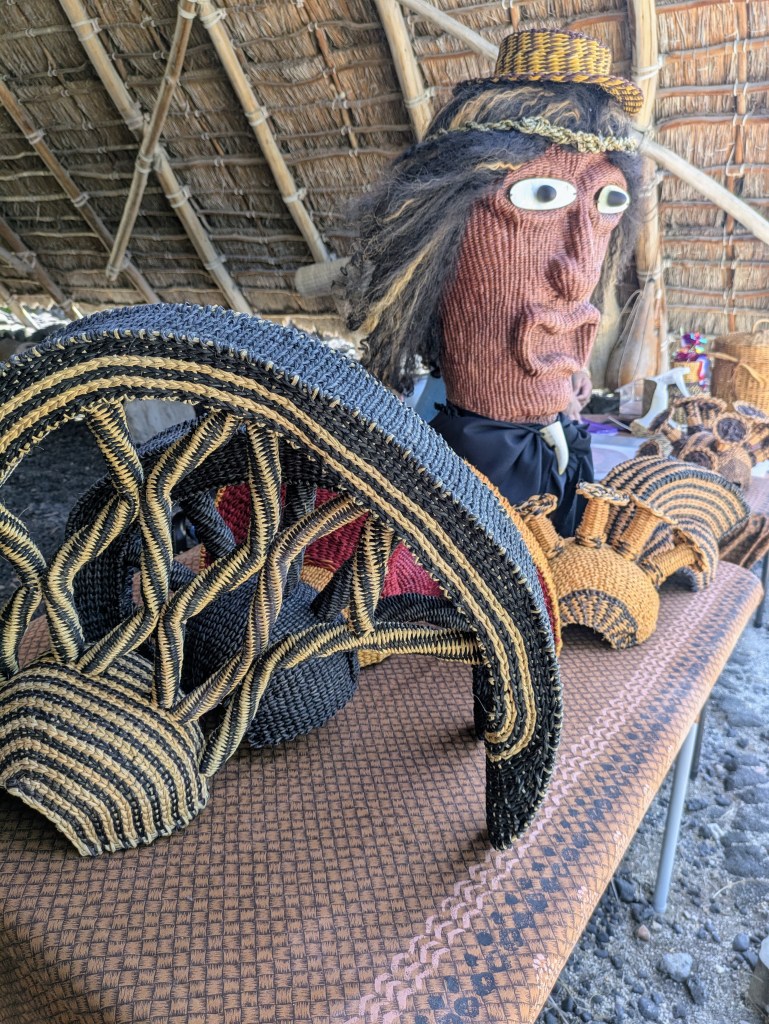
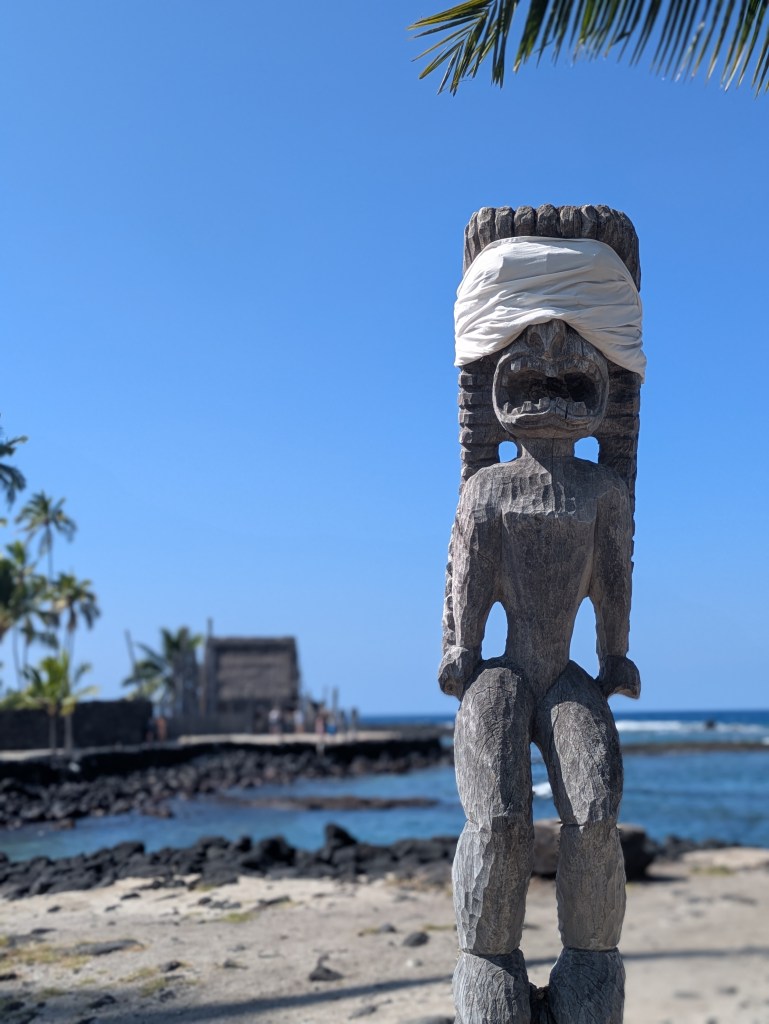
Besides offering beautiful views of the ocean and coastline, there were several cultural ambassadors there to speak about local Hawai’ian craft and history. I spoke with people who weave baskets out of coconut fronds, create helmets from ie’ie, and revive family histories through ink prints. The walk around the site brought me to totems representing the Hawaiian gods and guardians and ruins of the royal grounds.
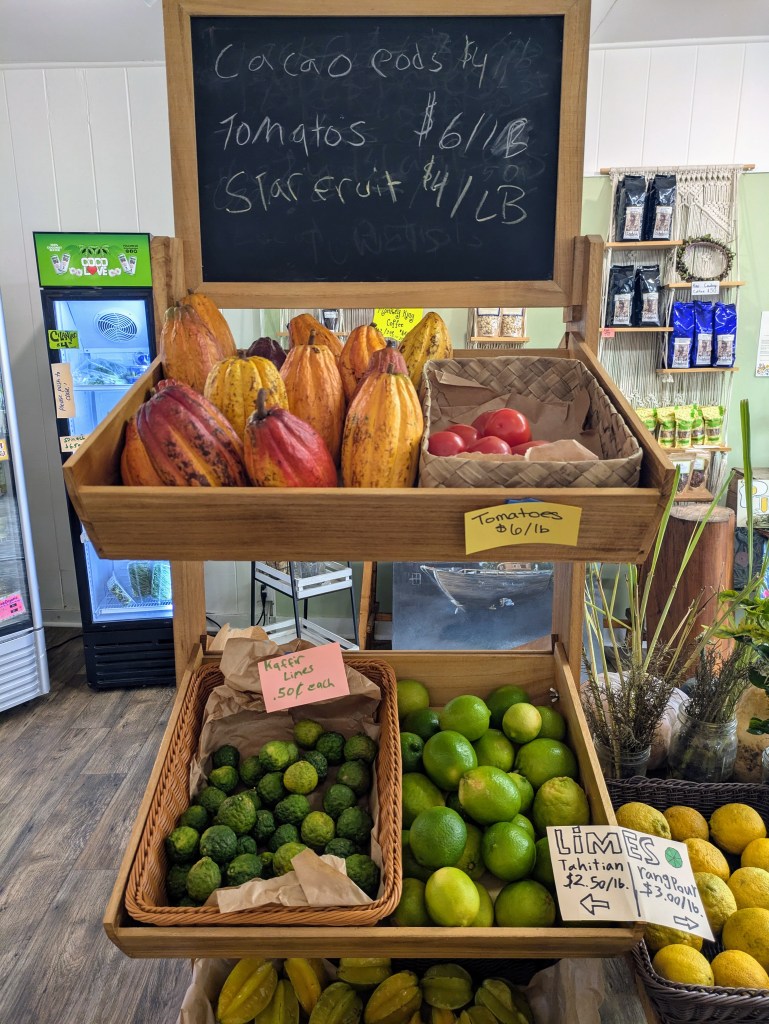
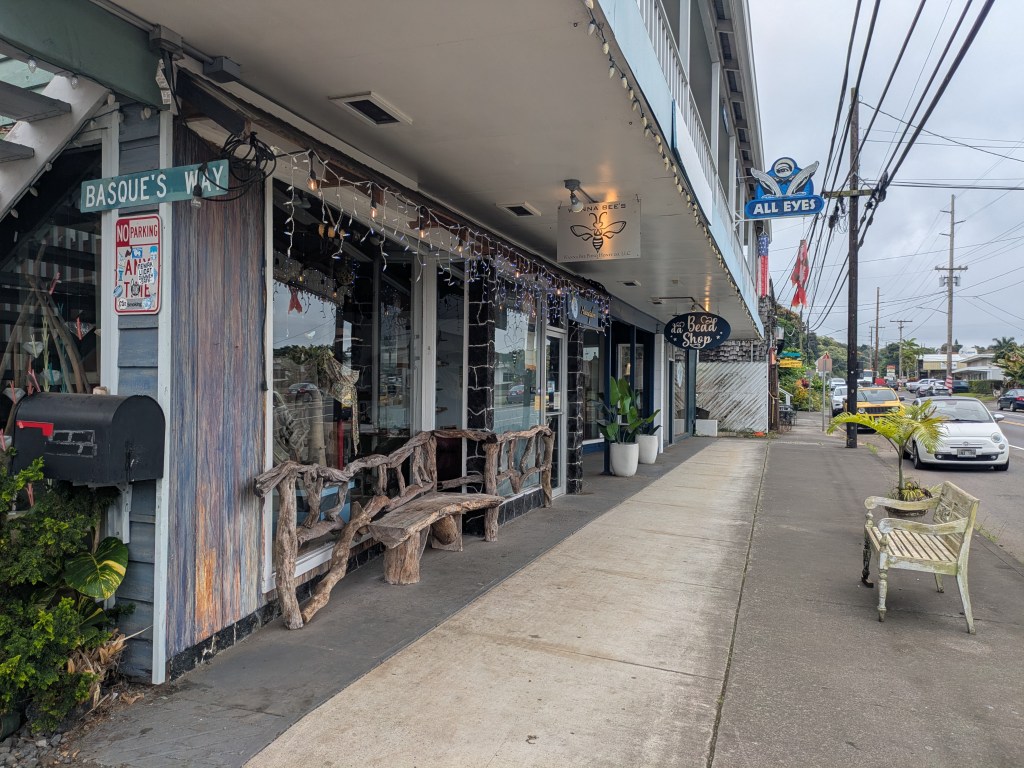
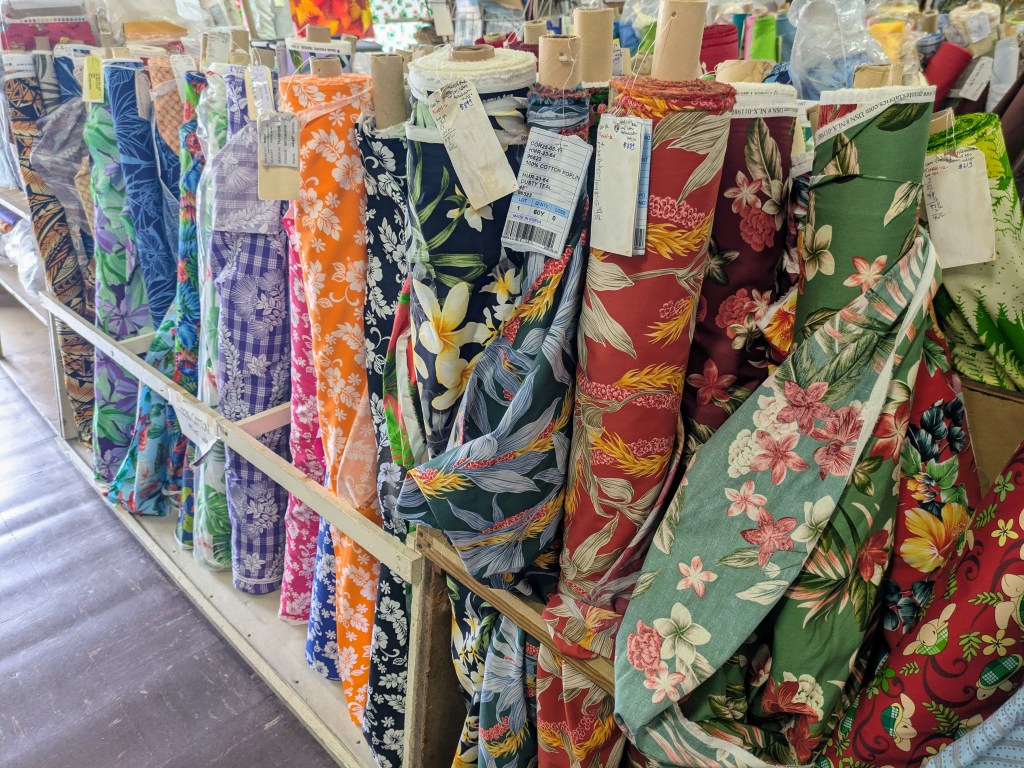
Now famished, I grabbed lunch at Kaaloa’s Super J’s: a local hole in the wall. The laulaus were delicious, the community tables encouraged conversation, and the array of sauces made it an interactive experience. My afternoon was spent stopping at a few local stores: a fabric store with a selection of Hawaiian prints, a small farmstand shop that allowed me to taste test some local fruit, and some clothing stores.
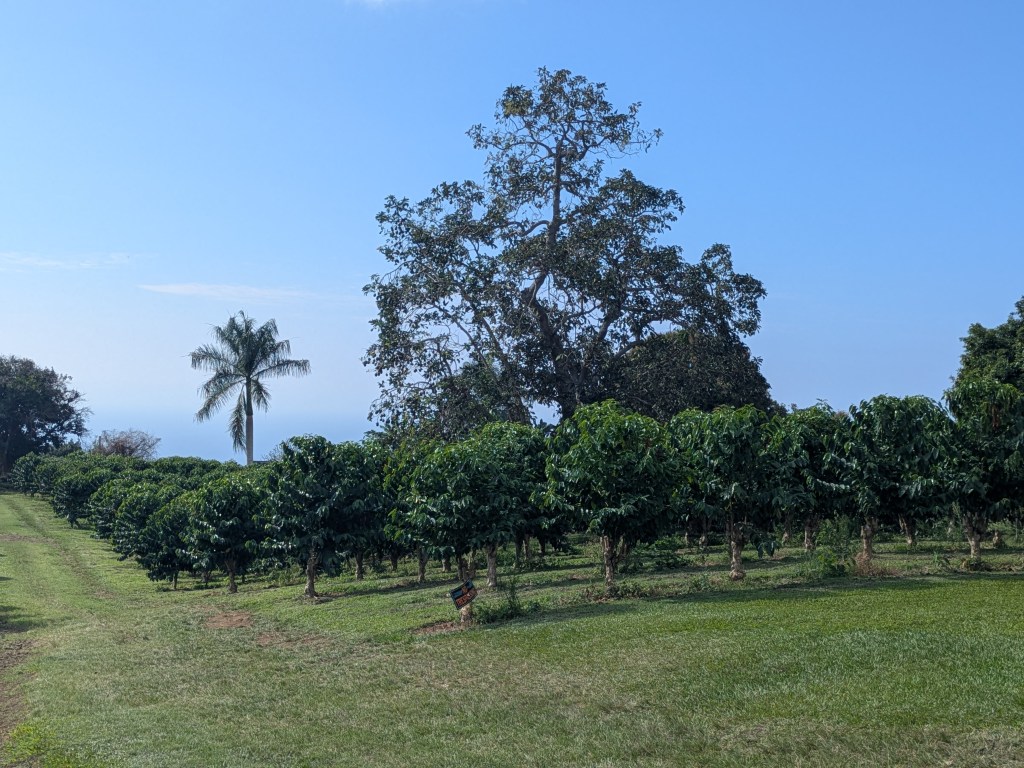
My final stop for the day was at Greenwell Farms. The farm offers guided tours every half an hour from 9am-3pm. The tours not only talk about the process and history of coffee in the Kona area, but also other locally produced products.
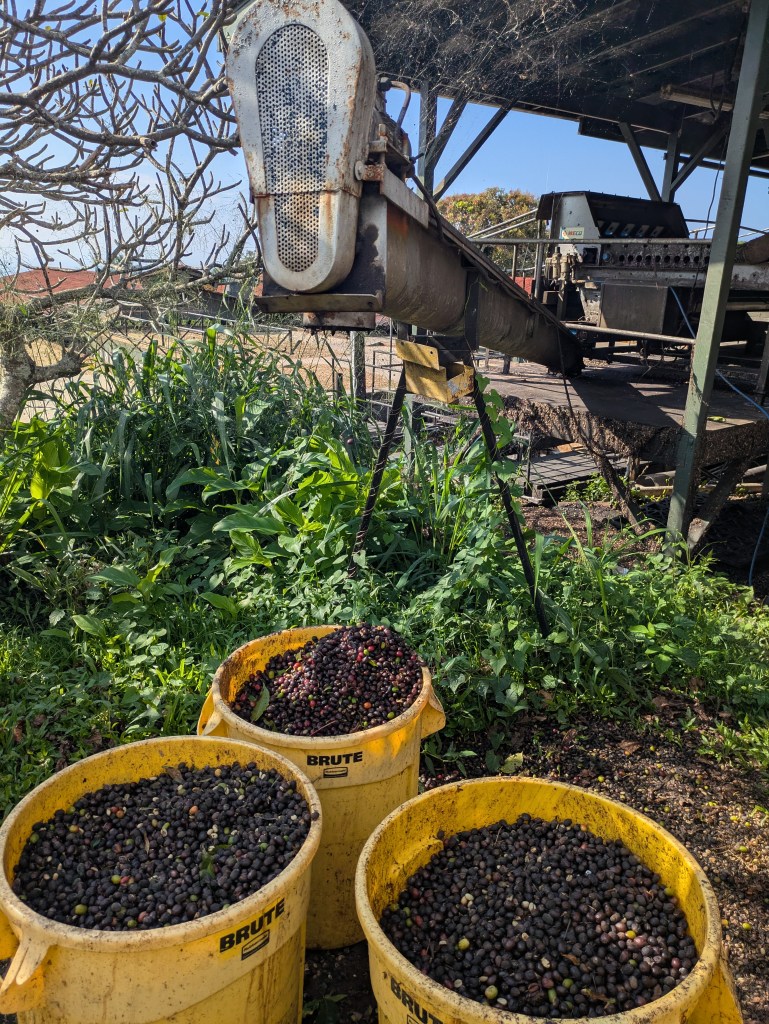
The history of coffee in Kona dates back to 1813 when Spanish explorer Don Paulo Marin planted the first coffee tree. While that crop didn’t survive, over time people tried different varieties, until Herman Widemann introduced the Guatemalan variety in 1892. The current coffee trees are all products of that original crop. The rainy climate and the steep slopes make coffee farming ideal; today there are 650 coffee farms in the Kona district.
I came back to the same area a little later in my trip to check out a few other places.
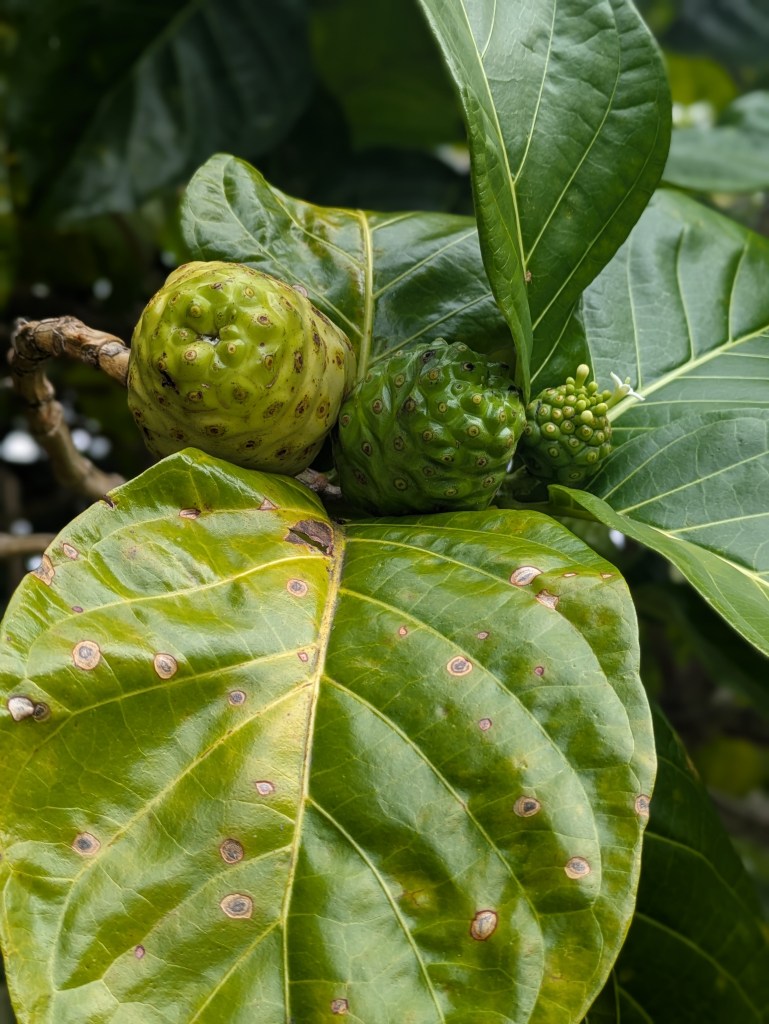
I began one morning with a peaceful visit to Amy Greenwell Ethnobotanical Gardens. Their 15 acres biocultural kīpuka features over 200 species of native and Polynesian-introduced plants from before Captain Cook’s 1778 arrival. Informational signs explain the cultural usage of the plants – from medicine to food to shelter.
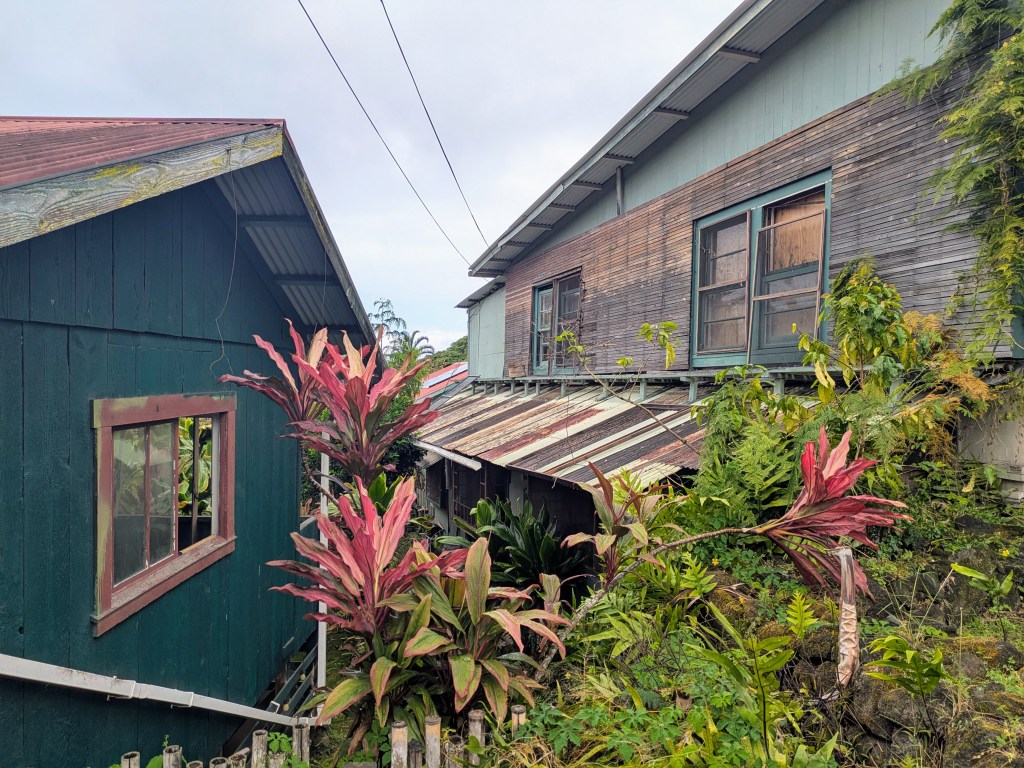
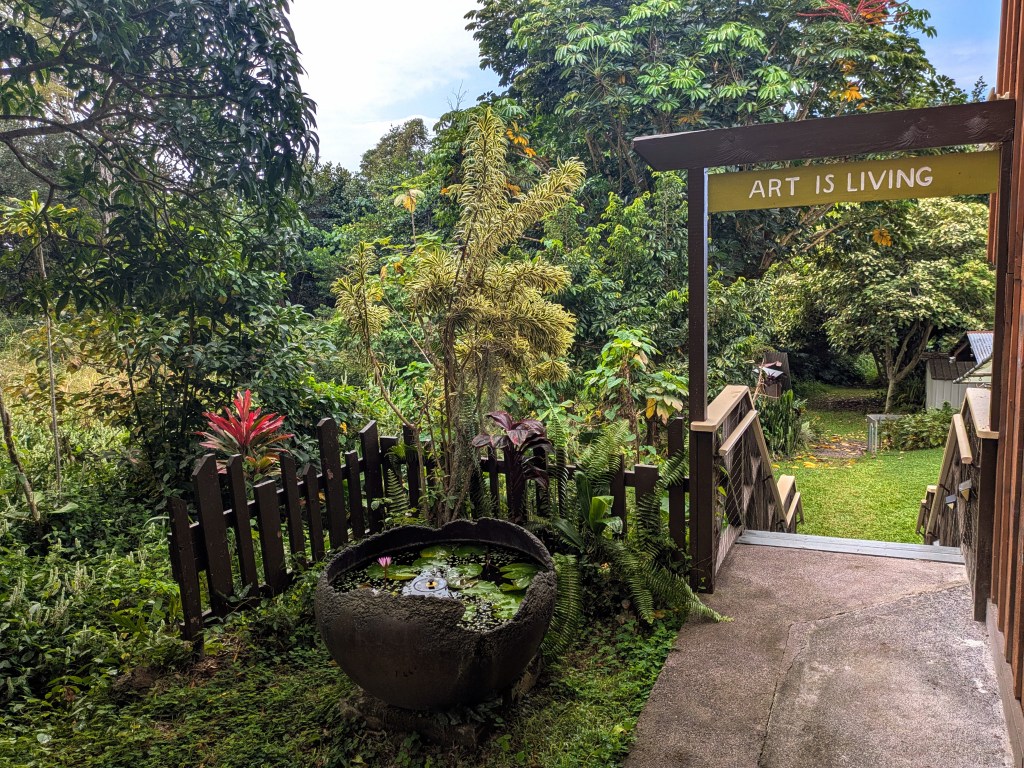
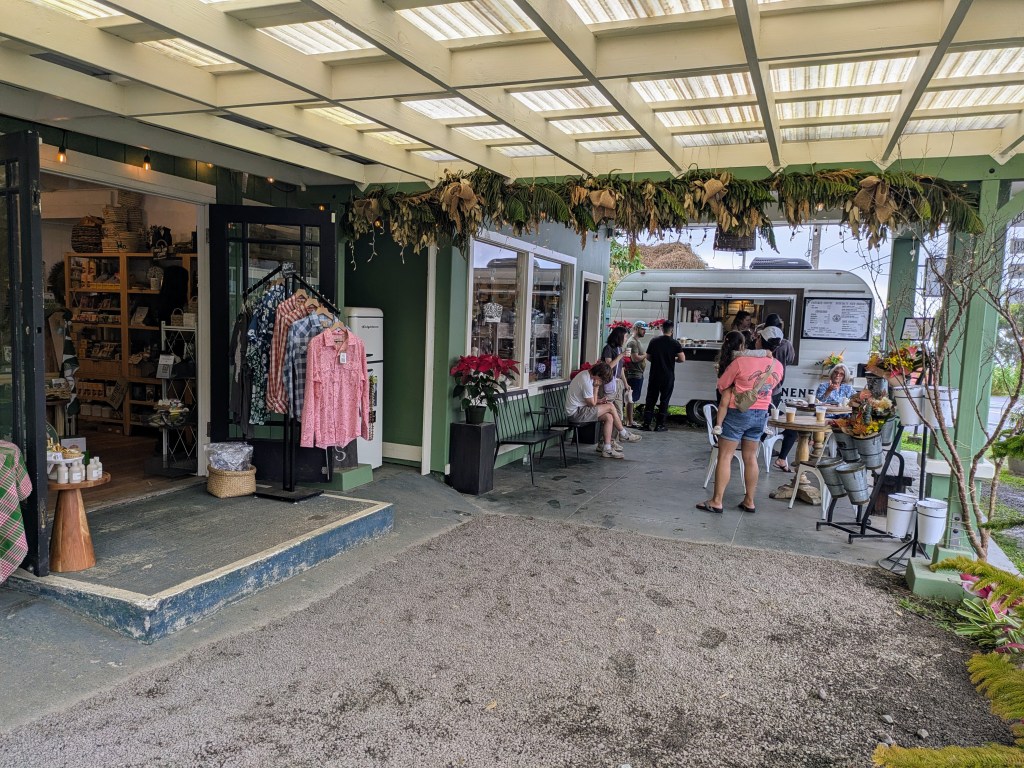
Another morning I drove up the hillside to Holualoa, a small artists community. The largest artist space is the old coffee mill turned community art center: Donkey Mill Art Center. Donkey Mill offers workshops, gallery space, and retail space to artists and residents. Further up the hill, the main street of Holualoa features small gallery spaces, local shops, a few eateries, and some historic buildings.
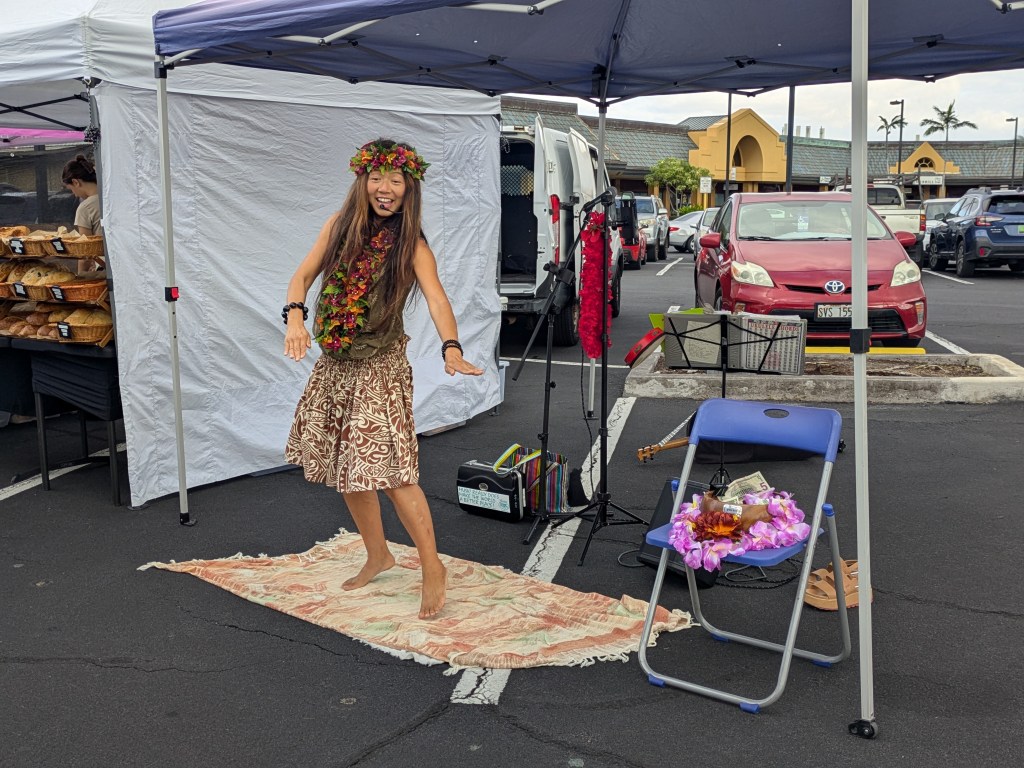
On my final morning, I visited Keahou’s Saturday morning farmer’s market. A local musician sang and danced to hula music while people browsed a good selection of local produce and products. This was where I tried my first ube treat and got to sample Hawaiian cane juice.
 Mac On the Map
Leave a comment